 Inked Mythos
Introduction: The Digital Canvas of Modern Tattooing
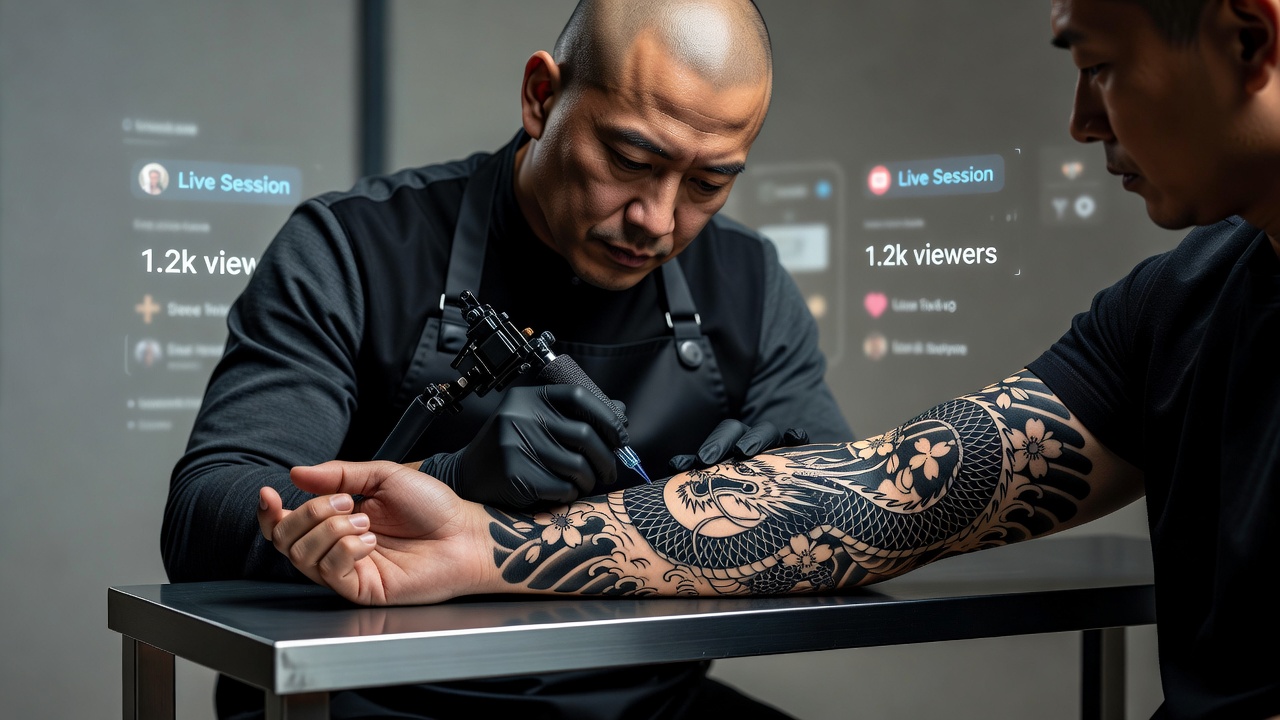
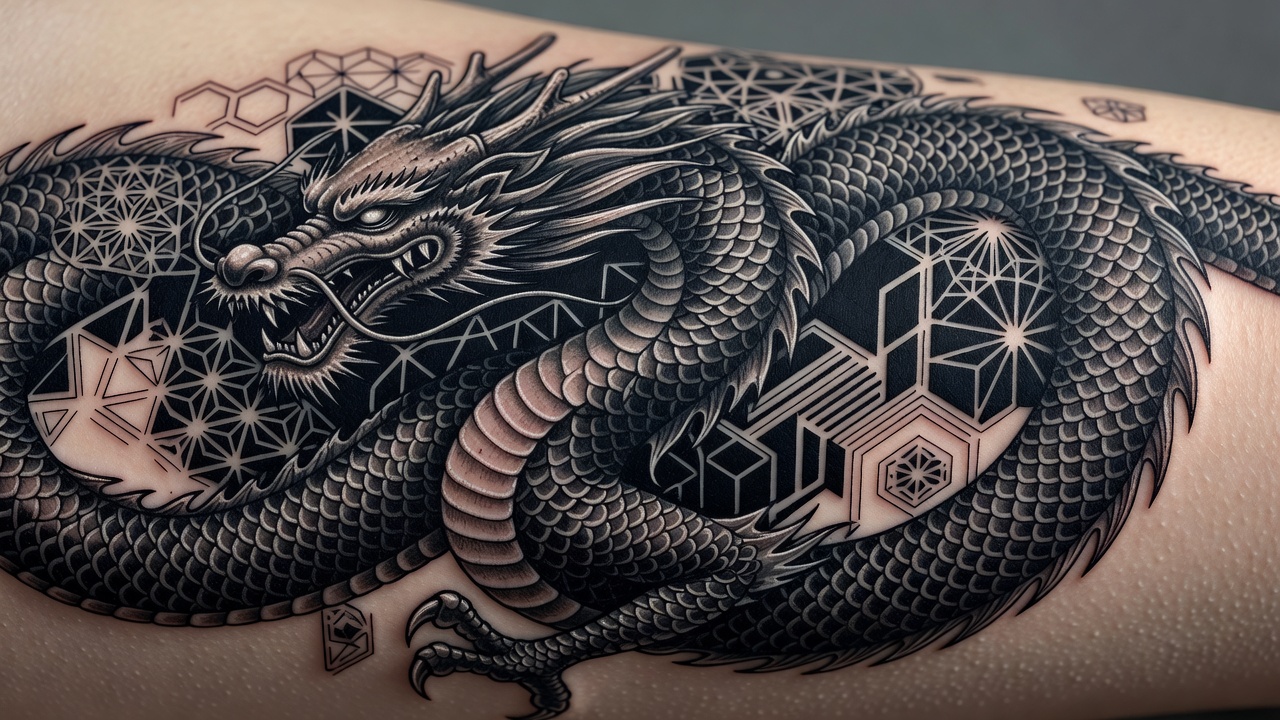
In 2026, social media platforms like Instagram and TikTok have become the primary drivers behind the evolution of tattoo styles, particularly blackwork, realism, and irezumi. These platforms transform how enthusiasts discover, evaluate, and commit to body art. Search trends reveal growing interest in how digital influence shapes decisions around these intricate designs, blending traditional techniques with contemporary aesthetics. Blackwork relies on bold black ink for geometric patterns and shading, realism captures lifelike portraits and scenes, while irezumi draws from Japanese heritage with flowing motifs like dragons and cherry blossoms. Social media accelerates their popularity by showcasing transformations in real time, allowing users to witness the full journey from stencil to healed result across multiple posts and videos.
The impact extends beyond mere visibility. Algorithms prioritize engaging content, pushing certain styles into mainstream awareness faster than ever before. This has created a feedback loop where popular designs inspire new iterations that further fuel online engagement.
How Platforms Shape Popularity and Evolution
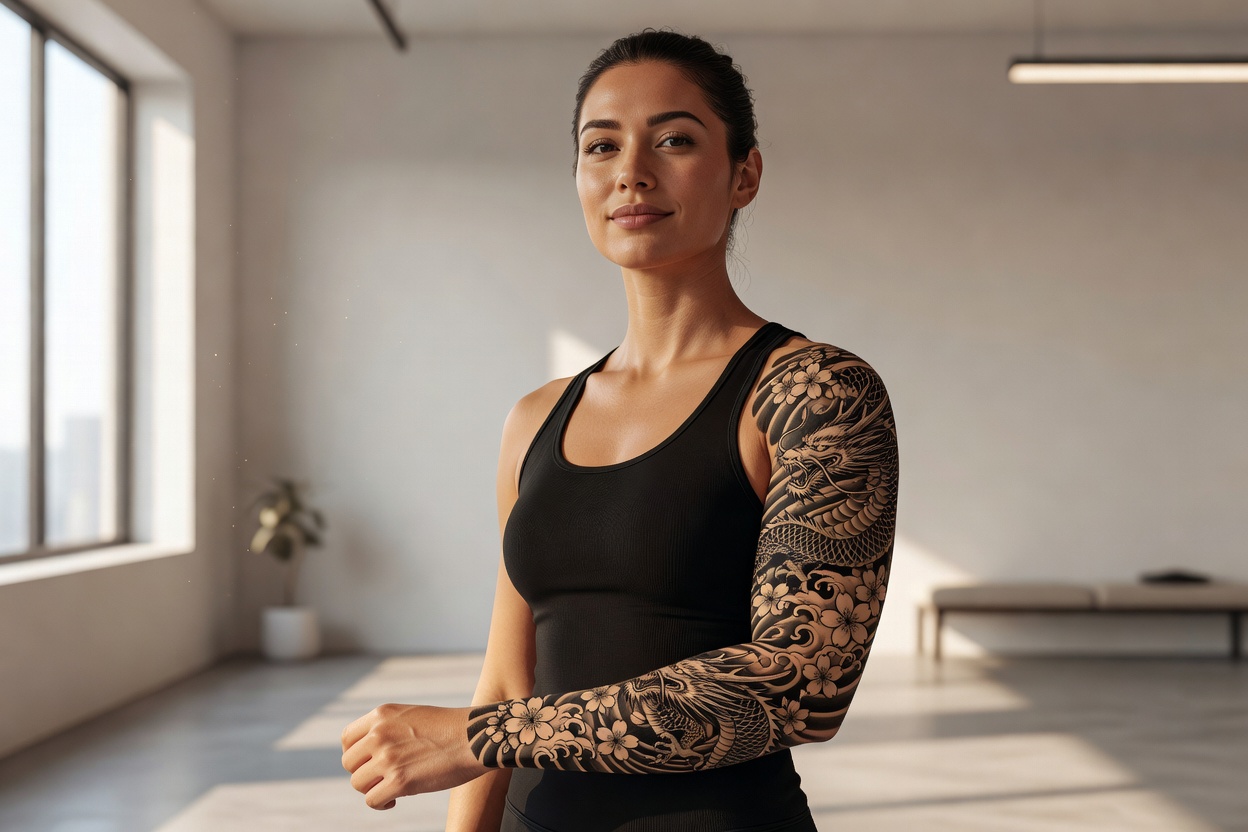
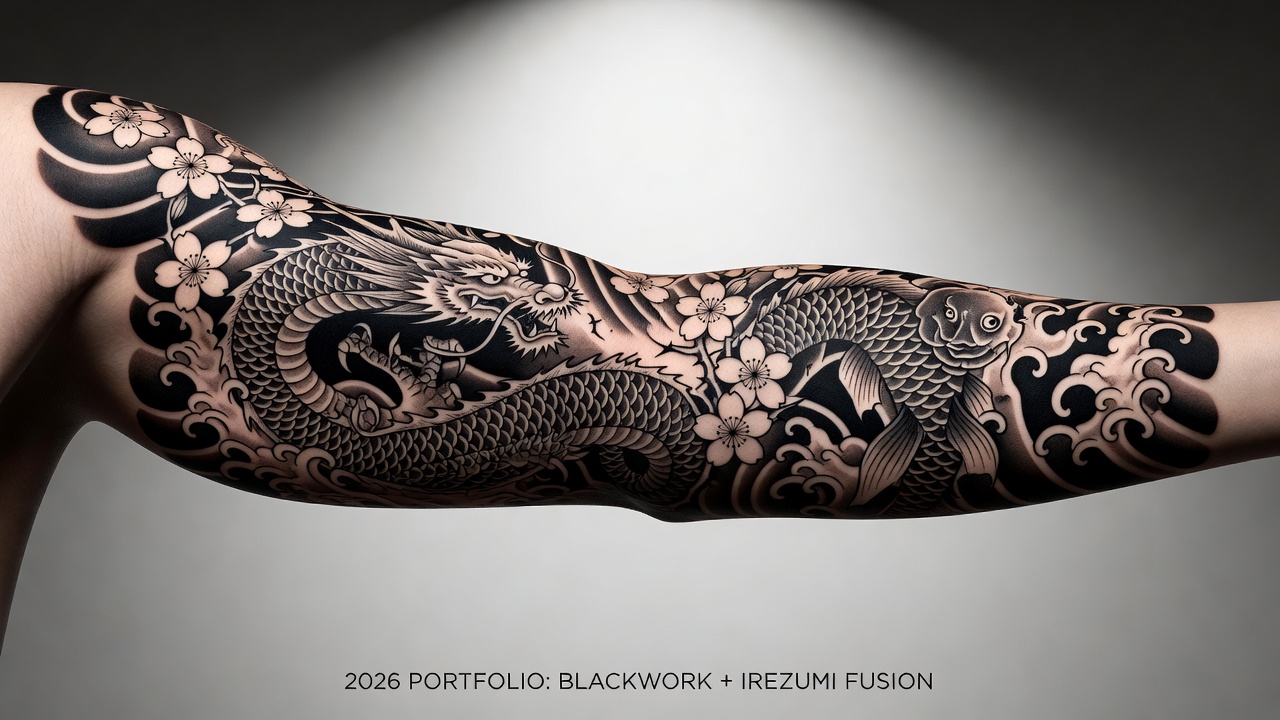
Instagram's visual-first algorithm favors high-contrast tattoo photos, propelling blackwork and realism to viral status. TikTok's short-form videos demonstrate the tattooing process, making irezumi's layered shading techniques accessible to global audiences. This exposure has led to hybrid styles where traditional irezumi incorporates hyper-realistic elements, such as combining bold outlines with photorealistic textures on scales or fabric folds. Users scroll through endless feeds, comparing healed results and artist portfolios. This constant exposure shifts preferences toward bolder, more detailed pieces that photograph well under studio lighting, often influencing color choices even in blackwork-dominant designs.
Platform features like Instagram Reels and TikTok effects have also standardized certain presentation styles, encouraging artists to film in consistent formats that highlight ink saturation and skin texture for better reach.
Viral Design Examples Fueling 2026 Trends
Certain motifs have exploded due to algorithmic amplification. Geometric blackwork mandalas with negative space accents frequently trend, as do photorealistic animal portraits integrated into irezumi sleeves. One standout example involves a full-back irezumi piece featuring a realistic koi fish swimming through waves, shared across platforms and inspiring thousands of variations. Another viral hit combined blackwork dotwork with realism in a sleeve depicting a samurai helmet with intricate shading that appears three-dimensional in videos. These designs succeed because they balance cultural depth with visual impact, encouraging viewers to save and share them directly. Trends also include micro blackwork pieces on fingers and behind ears that gain traction through before-and-after time-lapses.
Artist Discovery Through Social Channels
Emerging tattoo artists now build careers primarily via social proof rather than traditional studio walk-ins. Hashtags like #BlackworkTattoo and #Irezumi2026 connect clients with specialists worldwide. TikTok's duet and stitch features allow artists to collaborate remotely, showcasing techniques that attract international clients. This democratizes access but also raises questions about verifying skill levels beyond filtered images. Artists often share client testimonials and live sessions to build credibility, while location tags help local seekers find nearby talent quickly.
Shifting Client Expectations in the Social Media Era
Clients arrive at consultations armed with reference images from multiple platforms, expecting exact replicas. This demand for precision has pushed artists to refine their realism techniques and adapt irezumi compositions for social media appeal. Expectations around session length and aftercare have also evolved, with many seeking pieces that heal vibrantly for follow-up photos. Clients now research pigment brands and needle types mentioned in artist posts, leading to more informed but sometimes overly specific requests that require careful negotiation during initial meetings.
Organic Choices vs. Trend-Driven Decisions
Organic tattoos stem from personal stories, while trend-driven selections prioritize shareability. Social media blurs this line, yet discerning clients research cultural significance to avoid superficial adoption of irezumi motifs. Comparisons show organic pieces often age better emotionally, whereas viral trends may fade quickly. For instance, a client choosing a blackwork geometric pattern based on personal symmetry preferences versus one copied from a trending reel highlights the difference in long-term satisfaction.
Case Examples of Successful Social Media Campaigns
Artists who post consistent before-and-after reels have reported higher booking rates. One campaign involved a series of blackwork realism hybrids posted daily on Instagram Stories, resulting in a waitlist surge within weeks. Another TikTok series breaking down irezumi linework garnered millions of views and studio inquiries from new demographics, including younger audiences previously uninterested in traditional styles. A third example featured collaborative posts between a blackwork specialist and a realism artist, cross-promoting hybrid designs that booked out months in advance.
Practical Steps for Artists to Leverage Platforms
- Post high-resolution process videos weekly to build algorithmic favor and demonstrate technique mastery.
- Use targeted hashtags and collaborate with complementary creators for mutual audience growth.
- Engage authentically in comments to foster community trust and convert followers into clients.
- Analyze insights to refine posting times for maximum reach across time zones.
- Balance promotional content with educational posts on style history to position yourself as an expert.
- Experiment with trending audio on TikTok while tying it back to tattoo-specific narratives.
Mistakes to Avoid When Following Social Trends
Many enthusiasts rush into decisions without considering skin type compatibility or long-term visibility of designs. Over-reliance on filtered images can lead to disappointment with real-life results. Artists should avoid copying viral designs exactly without adding personal customization, as this risks copyright issues and client regret. Always prioritize consultations that discuss lifestyle factors like sun exposure affecting ink longevity.
FAQ: Addressing Authenticity Concerns
Does social media make tattoos less authentic?
Not necessarily. While trends influence choices, many clients blend viral inspiration with personal meaning, preserving authenticity when guided by skilled artists who encourage customization.
How can I verify an artist's expertise beyond Instagram photos?
Request healed portfolio images, check studio reviews on independent sites, and schedule consultations to discuss design origins and techniques in detail.
Are irezumi trends culturally respectful in 2026?
Respect depends on research. Platforms spread awareness, but clients should study Japanese traditions to honor the style's roots rather than adopting it superficially.
What role does lighting play in social media tattoo photography?
Professional lighting enhances contrast in blackwork and depth in realism, but clients should view pieces in natural light during consultations to set realistic expectations.
Conclusion
Social media continues to redefine blackwork, realism, and irezumi in 2026 by amplifying visibility and fostering global conversations. By understanding these dynamics, both clients and artists can navigate trends thoughtfully while honoring the craft's depth. For deeper exploration, visit Instagram, TikTok, and Britannica's tattoo history resources to observe live trends firsthand and ground decisions in broader context.
No comments yet. Be the first!