 Inked Mythos
Introduction: Tattoos as Tools for Emotional Well-Being in 2026
As society evolves, body art continues to serve as a powerful medium for self-expression and psychological growth. In 2026, individuals increasingly turn to blackwork, realism, and irezumi tattoos to enhance personal identity, build resilience, and foster mindfulness. These styles go beyond aesthetics, offering profound mental health benefits rooted in cultural connection and self-empowerment.
Research from leading mental health organizations highlights how intentional body modifications can support emotional stability. This article delves into the unique psychological impacts of each style, backed by wearer experiences and forward-looking trends. The growing recognition of tattoos as therapeutic tools reflects broader shifts toward holistic self-care practices that integrate visual symbolism with daily emotional regulation.
Understanding Blackwork Tattoos and Their Role in Building Resilience
Blackwork tattoos, characterized by bold lines and solid fills, create striking visual statements that promote a sense of strength. Wearers often report increased feelings of empowerment, as the permanence of the design encourages commitment and self-acceptance. The geometric precision in blackwork can act as a visual metaphor for structure in one's life, helping individuals facing uncertainty to feel more grounded.
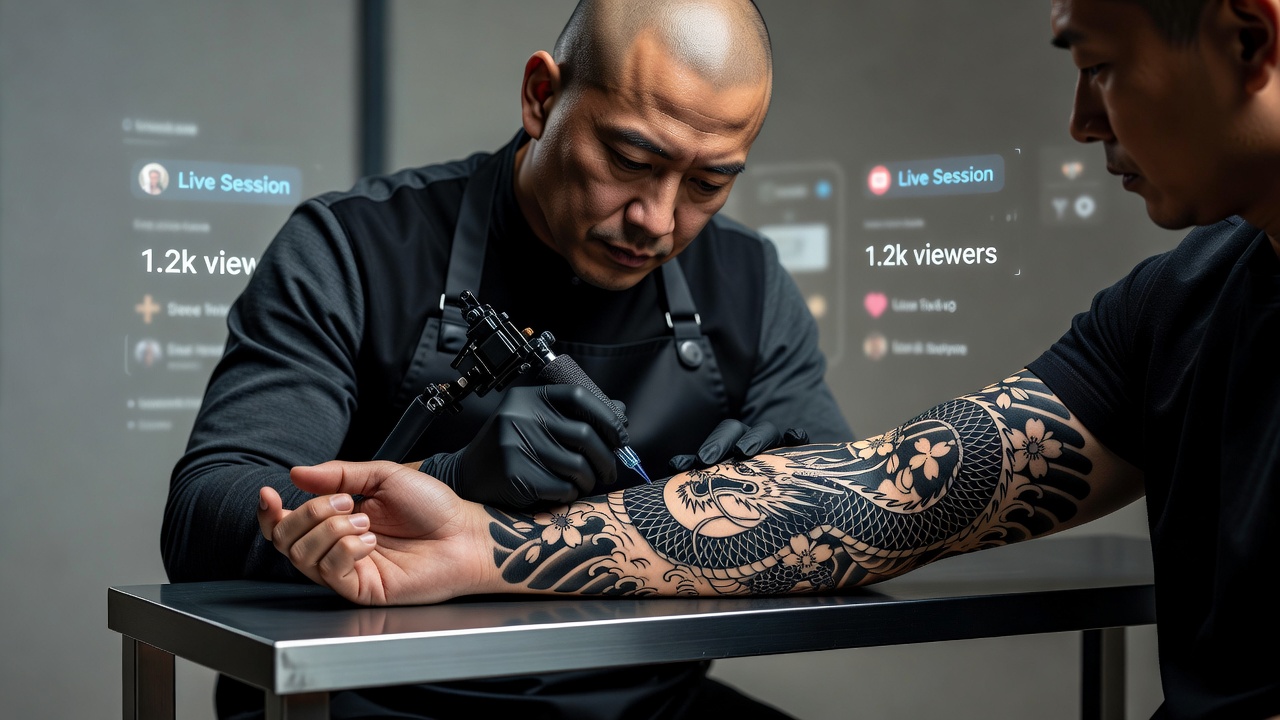
By choosing blackwork, people cultivate mindfulness through the deliberate process of selection and placement. This style's geometric patterns can symbolize personal boundaries, helping individuals navigate stress with greater fortitude. Many describe the tattooing session itself as a meditative experience that builds tolerance for discomfort and reinforces a narrative of personal control over one's body and story.
Realism Tattoos: Enhancing Self-Expression and Confidence
Realism tattoos capture lifelike details, from portraits to natural scenes, allowing wearers to immortalize meaningful memories or aspirations. This fosters a deep sense of identity, as the tattoo becomes a daily reminder of personal narratives. The hyper-realistic approach requires extensive planning, which itself becomes an exercise in intentional living and future-oriented thinking.
Case examples show that realism enthusiasts experience boosted confidence, particularly when the artwork reflects core values or loved ones. The hyper-detailed nature encourages reflection, turning the tattoo into a tool for emotional processing and growth. Individuals often find that viewing these tattoos during moments of doubt provides immediate grounding and a renewed sense of purpose.
Irezumi: Cultural Connection and Mindfulness Through Traditional Japanese Art
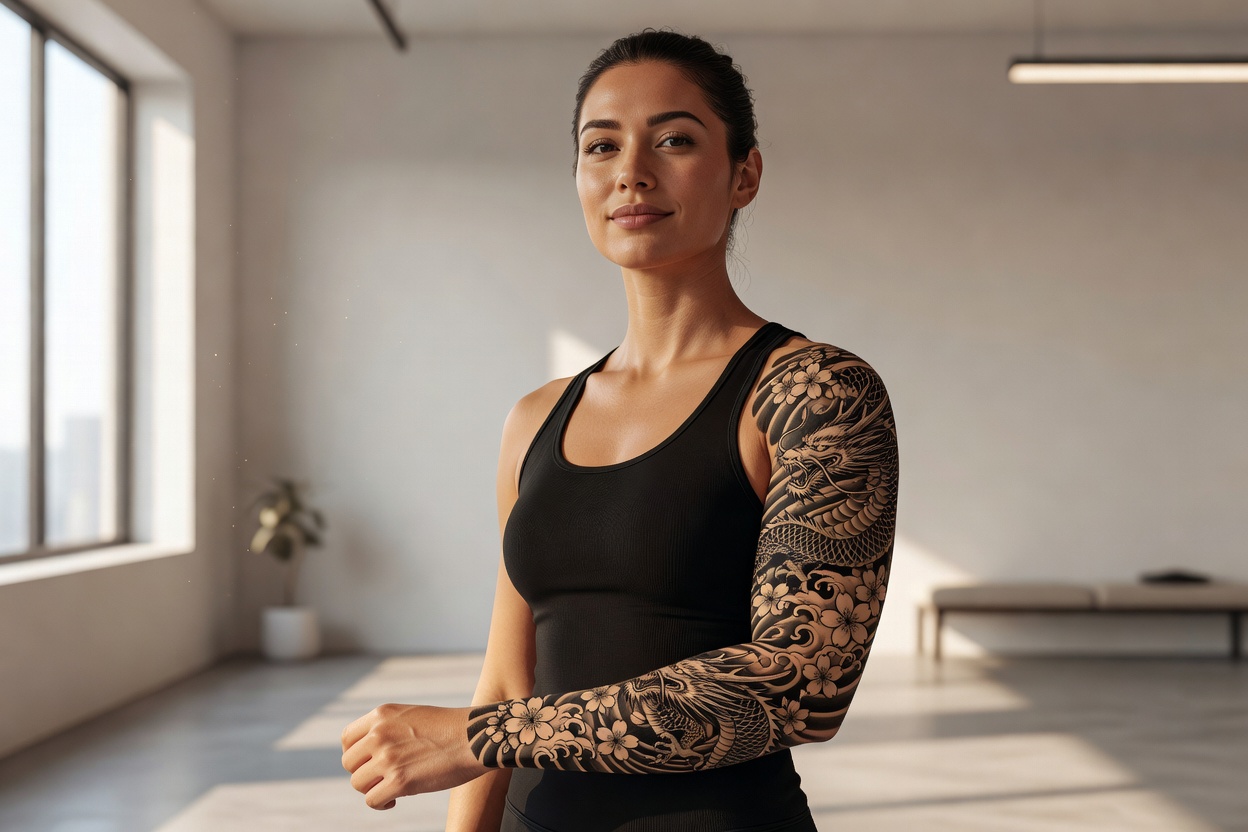
Irezumi, the traditional Japanese tattoo style featuring mythical creatures and floral motifs, emphasizes harmony and storytelling. In 2026, this approach appeals to those seeking cultural ties, even across backgrounds, promoting a mindful appreciation of heritage and balance. The flowing compositions encourage wearers to consider how their personal journeys interconnect with larger cultural and natural cycles.
Wearers describe irezumi as a catalyst for resilience, with the flowing designs mirroring life's adaptability. The ritualistic elements of planning and application enhance psychological well-being by instilling patience and cultural respect. This style often leads to deeper engagement with mindfulness practices, as the symbolic elements prompt ongoing reflection on themes like perseverance and transformation.
Comparing Styles: Which Fosters Greater Resilience or Mindfulness?
Each style offers distinct pathways to mental health benefits. Blackwork excels in building immediate resilience through its bold presence, while realism supports introspective confidence via personal storytelling. Irezumi stands out for mindfulness, drawing on cultural depth to encourage present-moment awareness. Overlaps exist, and many individuals in 2026 opt for hybrid approaches that combine elements from multiple styles to create personalized emotional support systems.
- Blackwork: Ideal for those needing visual anchors for strength during challenging times; the stark contrast can serve as a daily prompt to maintain focus amid distractions.
- Realism: Suited for reflective personalities seeking to honor life events; the photographic quality allows for nuanced emotional recall that supports therapeutic journaling practices.
- Irezumi: Best for individuals drawn to symbolic narratives and cross-cultural exploration; the layered meanings invite repeated contemplation that deepens meditative states.
Comparisons reveal overlaps; many combine elements for tailored benefits, aligning with emerging 2026 trends toward hybrid designs that maximize emotional impact. Those who blend styles often report accelerated progress in building both resilience and sustained mindfulness habits.
Real-World Examples from Wearers
Consider Alex, who adopted a large blackwork sleeve after a career shift. The design helped rebuild self-trust, leading to improved daily mindfulness practices such as breathwork triggered by viewing the geometric patterns. Similarly, Jordan's realistic family portrait tattoo strengthened familial bonds and personal identity, serving as a visual anchor during family therapy sessions that enhanced overall emotional regulation.
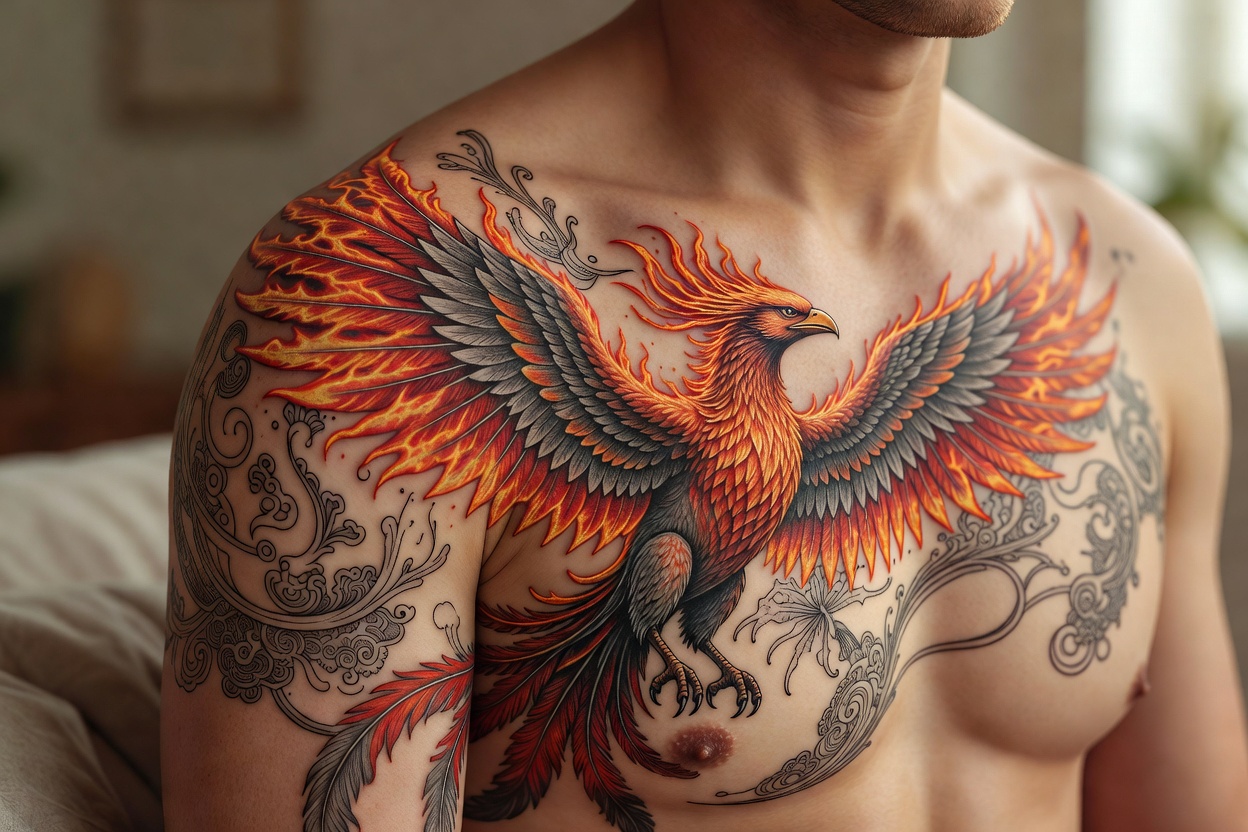
Maria's irezumi phoenix represents rebirth, aiding her recovery from loss by connecting her to broader cultural themes of renewal. She incorporates the tattoo into morning reflection routines, noting reduced anxiety levels over time. Another example comes from Taylor, who combined blackwork with subtle realism elements to commemorate a personal milestone; the result fostered greater workplace confidence and reduced imposter syndrome symptoms.
Practical Advice for Selecting a Style Aligned with Your Personality
To choose effectively, reflect on your core traits. Extroverted individuals may thrive with blackwork's assertive energy, while introspective types benefit from realism's detail. Those valuing tradition often find irezumi most fulfilling. Start by assessing current emotional needs through guided self-inquiry or discussions with mental health professionals familiar with body art.
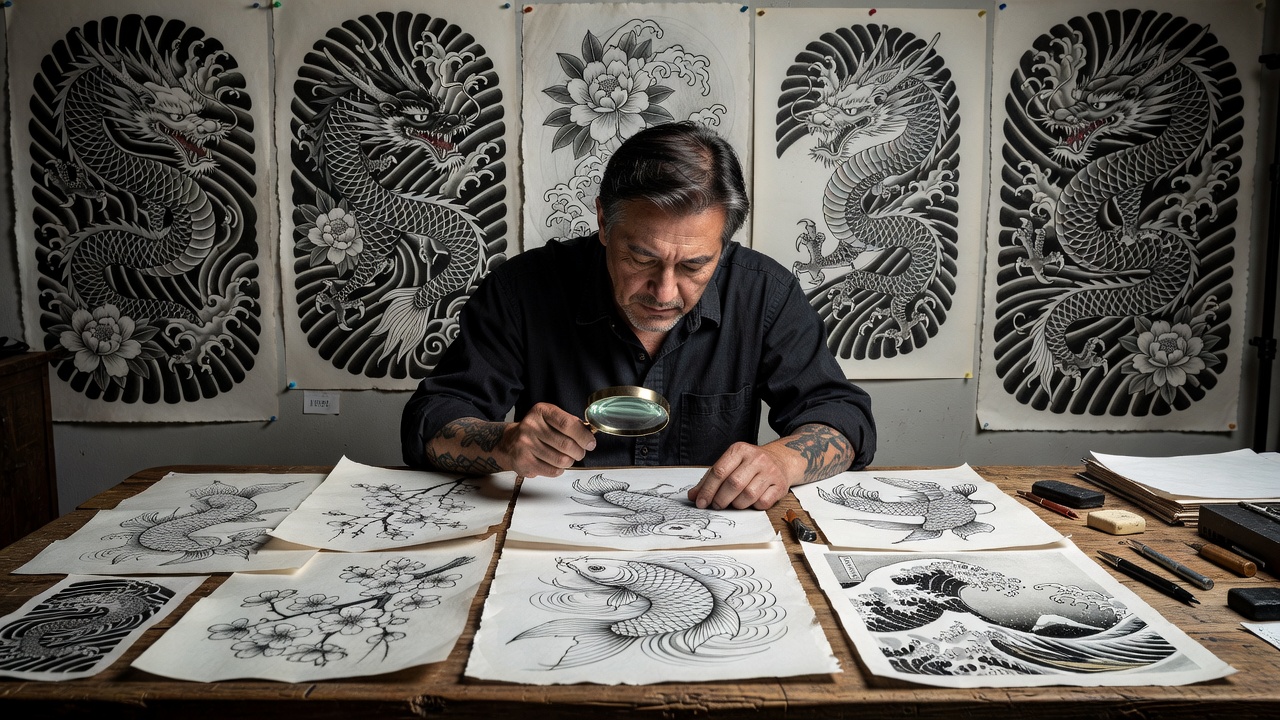
Follow these steps for optimal alignment: First, journal about key life experiences and desired emotional outcomes. Second, research artists specializing in the chosen style through reputable portfolios. Third, schedule consultations to discuss placement and symbolism. Fourth, visualize the tattoo in various daily scenarios to ensure long-term resonance. Fifth, consider trial designs via temporary applications before committing. This thoughtful approach minimizes concerns and maximizes well-being gains while supporting ongoing personal development.
2026 Trends in Tattoo-Inspired Mental Health Practices
Looking ahead, 2026 sees rising interest in tattoos as adjuncts to therapy, with styles like these integrated into wellness routines. Hybrid blackwork-irezumi pieces are gaining traction for their combined resilience and mindfulness effects. Community workshops now frequently pair tattoo aftercare with guided meditation sessions focused on the artwork's symbolism.
Experts note increased societal acceptance, reducing stigma and allowing greater focus on personal benefits. Psychology Today resources underscore tattoos' role in identity formation, while Mayo Clinic discussions on holistic health support mindful body art choices. Additional insights from National Institutes of Health highlight emerging studies on symbolic interventions for anxiety management.
FAQ: Addressing Common Concerns Like Regret and Societal Perception
Will I regret getting one of these tattoos?
Regret is minimized through careful planning and alignment with personal values. Many 2026 wearers report zero regret when styles match their identity journey, especially after following structured selection processes that include multiple consultations and reflection periods.
How do others perceive these tattoos?
Societal views continue shifting positively, with focus on artistic expression. Professional settings increasingly value the confidence these tattoos inspire, leading to more inclusive environments where body art is seen as a marker of creativity and self-awareness.
Can tattoos truly improve mental health?
Yes, when chosen intentionally. They serve as constant affirmations, supporting resilience and cultural connection as evidenced by numerous personal accounts and emerging wellness integrations that combine tattoo symbolism with therapeutic techniques.
What if my tattoo no longer aligns with my evolving identity?
Many individuals evolve alongside their tattoos by adding complementary elements or viewing the original piece as a chapter in an ongoing story. This perspective transforms potential regret into continued growth and deeper self-understanding.
Conclusion: Embracing Body Art for Lasting Well-Being
Blackwork, realism, and irezumi tattoos offer meaningful avenues for emotional and psychological enhancement in 2026. By understanding their unique benefits and aligning choices with personality, individuals can foster greater confidence, mindfulness, and identity strength. Start your exploration today to unlock these transformative effects through informed and intentional decisions.
No comments yet. Be the first!