 Inked Mythos
Introduction to Negative Space in Tattoo Art
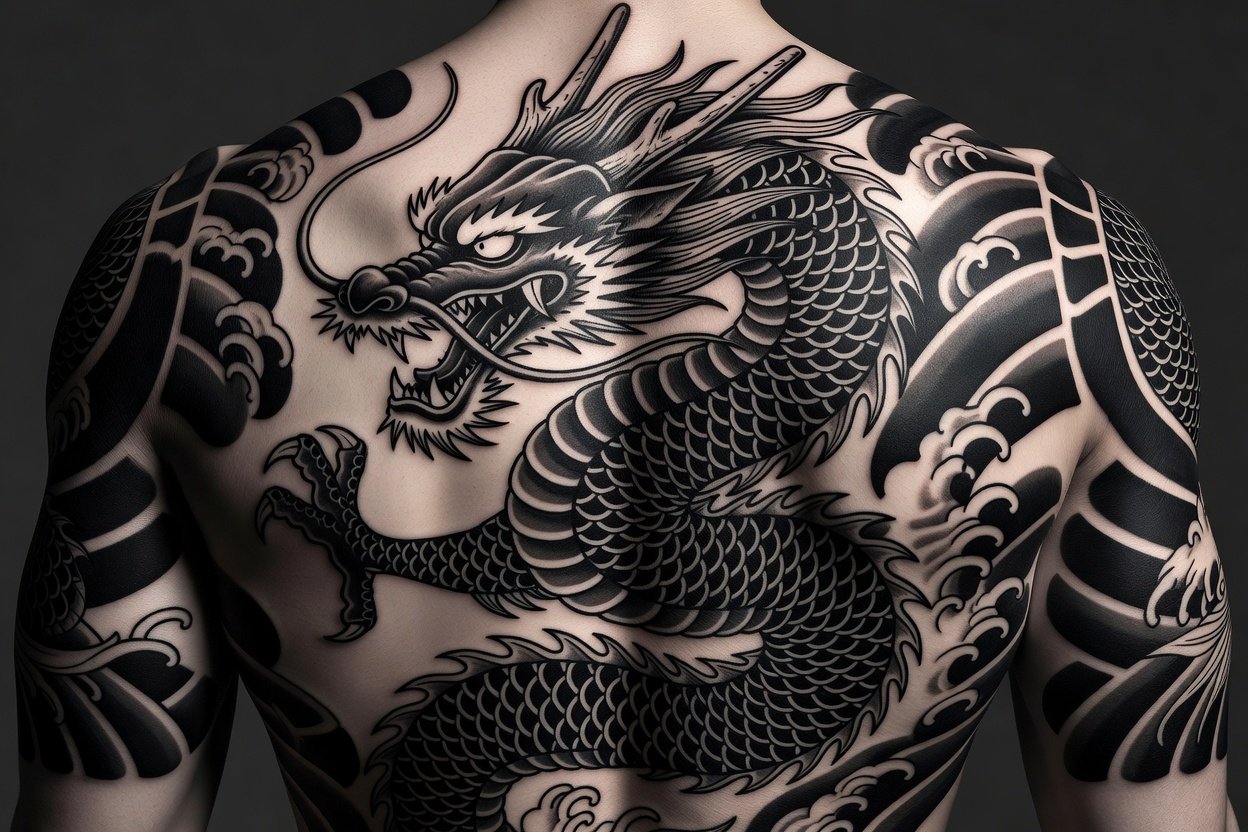
Negative space plays a crucial role in creating visually striking tattoos across multiple styles. By strategically leaving areas of skin untouched, artists define shapes, build contrast, and add layers of depth that make designs stand out. This approach proves especially powerful when blending blackwork density with realistic shading and the bold motifs of irezumi. Understanding how empty areas interact with ink helps artists avoid flat compositions and deliver tattoos that age gracefully.
Effective use of negative space requires deliberate planning from the initial sketch through to the final session. It transforms potential overcrowding into intentional breathing room that highlights key elements. Clients seeking bold yet balanced body art benefit from designs that leverage this principle for lasting visual appeal.
Negative Space Fundamentals Across Tattoo Styles
Negative space refers to the unmarked skin that surrounds or interrupts inked regions. In tattooing, it functions like the pauses in music, giving the eye places to rest while emphasizing positive elements. This technique enhances balance by preventing designs from feeling heavy or cluttered. Artists often map these areas early to ensure the overall flow complements body contours.
When applied thoughtfully, negative space creates illusions of depth and movement. For instance, it can suggest highlights in realistic portraits or separate overlapping motifs in traditional patterns. The result is a composition that feels dynamic rather than static.
Techniques in Dense Blackwork Tattoos
Blackwork relies on solid black fills, geometric patterns, and bold lines. Negative space here defines sharp edges and prevents the design from becoming a solid blob. Artists use thin uninked lines to separate sections or create optical effects within heavy shading. On larger pieces like sleeves, leaving strategic gaps allows patterns to breathe and maintains readability from a distance.
One practical method involves outlining major shapes first, then filling interiors while preserving key voids. This builds visual hierarchy where the eye naturally follows the empty pathways. Common applications include mandala-inspired blackwork where radial negative space adds symmetry and lightness.
Softening Realistic Portraits with Negative Space
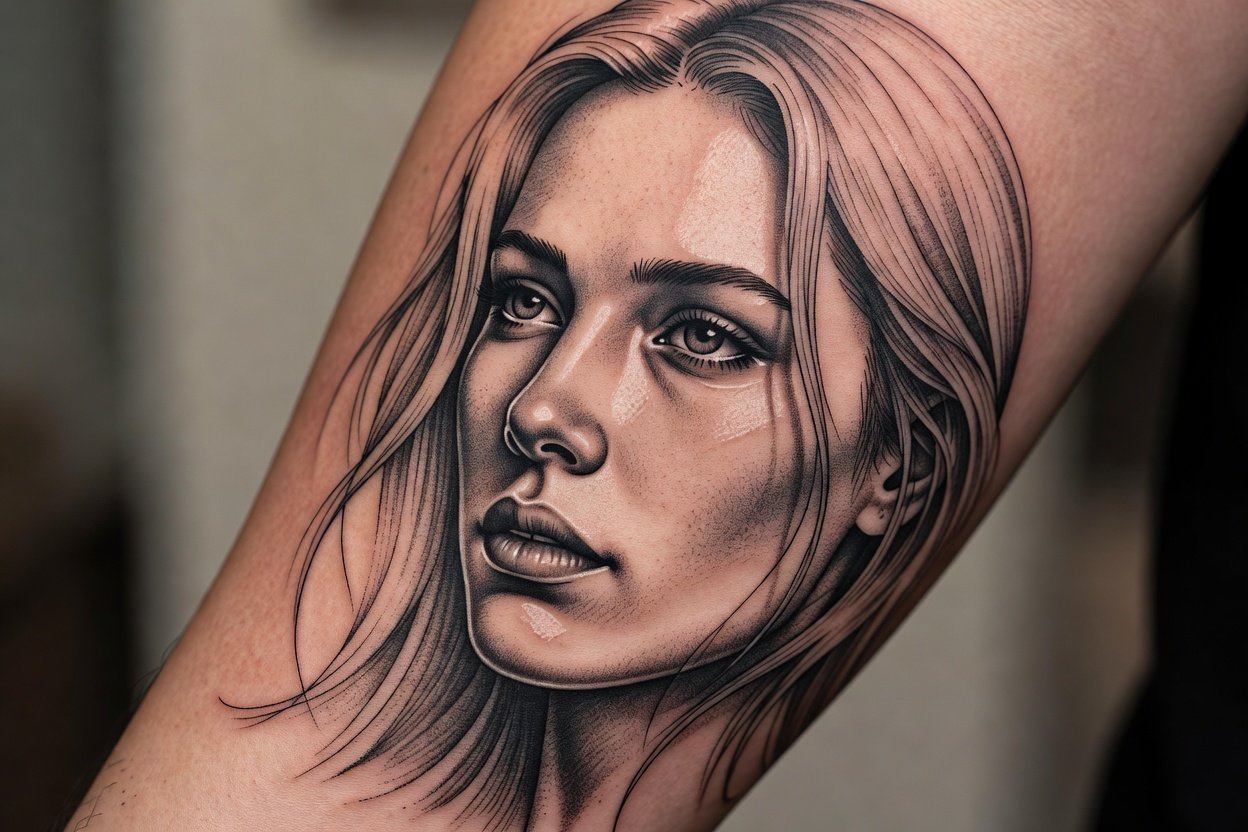
Realism demands subtle gradients and lifelike details, yet excessive shading can flatten features. Negative space softens portraits by acting as natural highlights on skin tones, cheekbones, or hair strands. Artists strategically leave small patches bare to imply light sources and create dimension without overworking the ink.
For example, in a face tattoo, uninked areas around the eyes or lips can emphasize expression while reducing the risk of muddiness over time. This technique pairs well with fine-line realism, where minimal negative space maintains clarity on curved body surfaces.
Highlighting Traditional Irezumi Motifs
Irezumi draws from Japanese heritage with dragons, koi, and cherry blossoms rendered in bold outlines and vibrant fills. Negative space accentuates these motifs by framing them against skin, mimicking the negative areas found in ukiyo-e prints. It prevents dense elements like scales or waves from merging and allows the design to flow with the body’s natural movement.
Planning involves studying reference images from sources such as Irezumi history to identify where empty space traditionally separates subjects. This approach highlights focal points like a dragon’s eye or a flower’s petals for greater impact.
Planning Steps for Mapping Negative Space
- Start with body mapping: trace the client’s contours on paper or digitally to identify natural curves and flat zones.
- Sketch rough outlines, marking voids first before adding detail.
- Test contrast by viewing the design in grayscale to ensure empty areas create clear separation.
- Adjust for scale, ensuring negative space remains proportional as the tattoo heals and settles.
- Review with the client under different lighting to confirm the intended balance.
These steps reduce revisions and produce stronger initial compositions.
Comparisons of Outcomes on Different Body Areas
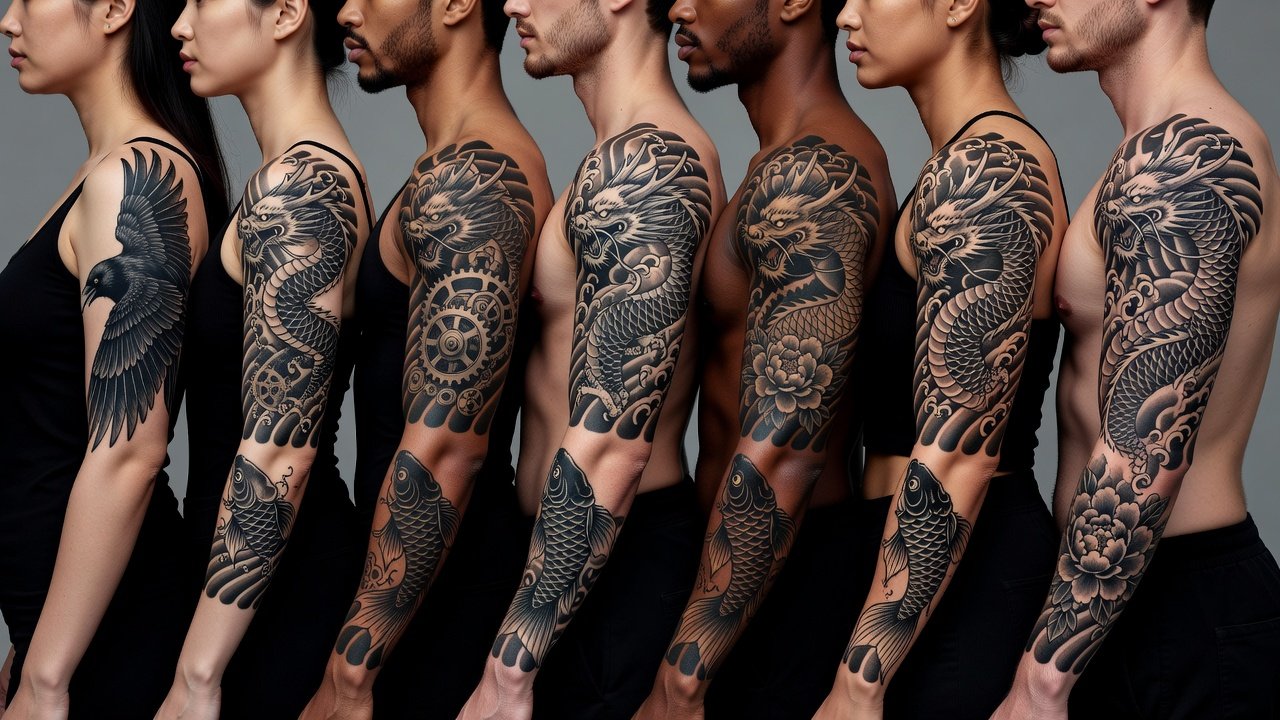
- Arms and shoulders: Curved surfaces benefit from flowing negative space that follows muscle lines, enhancing movement in irezumi sleeves.
- Chest and back: Larger flat areas allow expansive voids that frame central blackwork motifs without crowding.
- Legs and calves: Elongated shapes suit vertical negative pathways that elongate realistic elements like portraits or animals.
- Hands and feet: Limited space demands minimal voids to maintain detail while avoiding overcrowding that accelerates fading.
Body placement directly influences how negative space performs over years of skin changes.
Tips for Avoiding Common Overcrowding Mistakes
Overcrowding occurs when artists fill every inch, leading to blurred details as ink spreads. To prevent this, maintain at least 10-15% negative space in dense sections. Avoid clustering too many elements near joints where skin stretches. Always consider healing timelines, as fresh ink looks tighter than settled work. Consulting established references like Britannica tattoo overview provides historical context for spacing traditions. Regular breaks during sessions also help artists reassess composition objectively.
Expert Insights on Combining Negative Space with Style Keywords
Seasoned tattoo artists emphasize that negative space strengthens hybrid styles like blackwork realism irezumi by creating focal anchors. It allows dense black areas to coexist with soft realistic gradients and traditional bold lines. Experiment with varying void widths to achieve different emotional tones—wider gaps evoke calm, while narrow slits heighten tension. This method results in tattoos that photograph dramatically and retain clarity for decades.
Short FAQ on Visibility and Longevity
How visible is negative space after healing?
Well-planned negative space remains distinct as skin regenerates, though minor settling may occur. Proper aftercare preserves contrast for years.
Does negative space affect tattoo longevity?
Yes, strategic voids reduce ink density in high-friction areas, often improving longevity by minimizing blurring compared to fully packed designs.
Can negative space be added later?
Touch-ups can enhance existing voids, but major adjustments require new sessions to avoid disrupting healed work.

No comments yet. Be the first!