 Inked Mythos
Introduction to Visual Tattoo Education in 2026
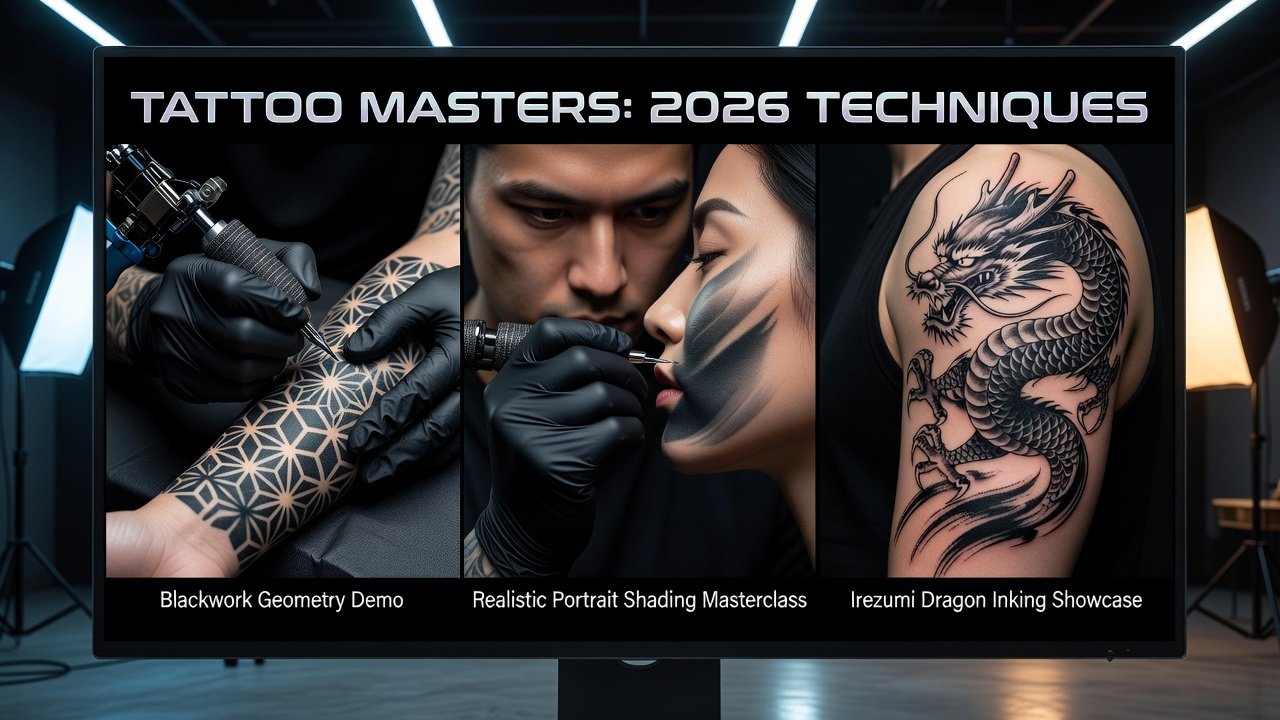
The tattoo industry continues to evolve rapidly, with YouTube serving as a primary resource for visual learners interested in blackwork, realism, and irezumi styles. In 2026, dedicated creators break down complex techniques step-by-step, offering accessible entry points for enthusiasts worldwide. These channels emphasize practical skill-building while addressing cultural nuances, helping viewers move from inspiration to informed practice. Aspiring artists often turn to these platforms because they provide high-definition close-ups of needle movements, real-time decision-making during sessions, and honest discussions about challenges that arise with different skin types. This visual format allows repeated viewing of critical moments, such as achieving consistent saturation in blackwork or capturing subtle light reflections in realism portraits.
Blackwork focuses on bold, solid black ink patterns often inspired by geometric or tribal motifs. Realism captures lifelike portraits and scenes with shading mastery. Irezumi draws from traditional Japanese aesthetics, featuring dragons, koi, and cherry blossoms with flowing lines and vibrant contrasts, though modern adaptations frequently incorporate blackwork elements. Understanding these distinctions helps beginners select appropriate learning paths and avoid mismatched expectations when translating screen techniques to actual skin.
Top Recommended YouTube Channels
Several channels stand out for high engagement and educational value. Creators like Blackwork Lab deliver weekly breakdowns of line work and negative space techniques, amassing millions of views through clear camera angles and real-time commentary. Their content often includes side-by-side comparisons of machine versus hand-poke methods, helping viewers decide which approach suits their comfort level. Realism Realm specializes in portraiture, showing layering methods for skin textures and hair details while addressing common issues like overworking delicate areas. Irezumi Insights explores traditional motifs alongside contemporary fusions, discussing historical roots and client consultations that incorporate personal stories into large-scale body suits.
Additional channels worth following include Ink Flow Academy, which focuses on workflow efficiency for busy studio environments, and Cultural Ink Chronicles, dedicated to respectful representation of global tattoo traditions. These creators prioritize viewer interaction, often responding to comments with follow-up videos. Engagement metrics reveal strong communities where subscribers share progress photos and ask about specific needle configurations or aftercare adjustments based on climate differences.
Technique Demos, Tools, and Cultural Context
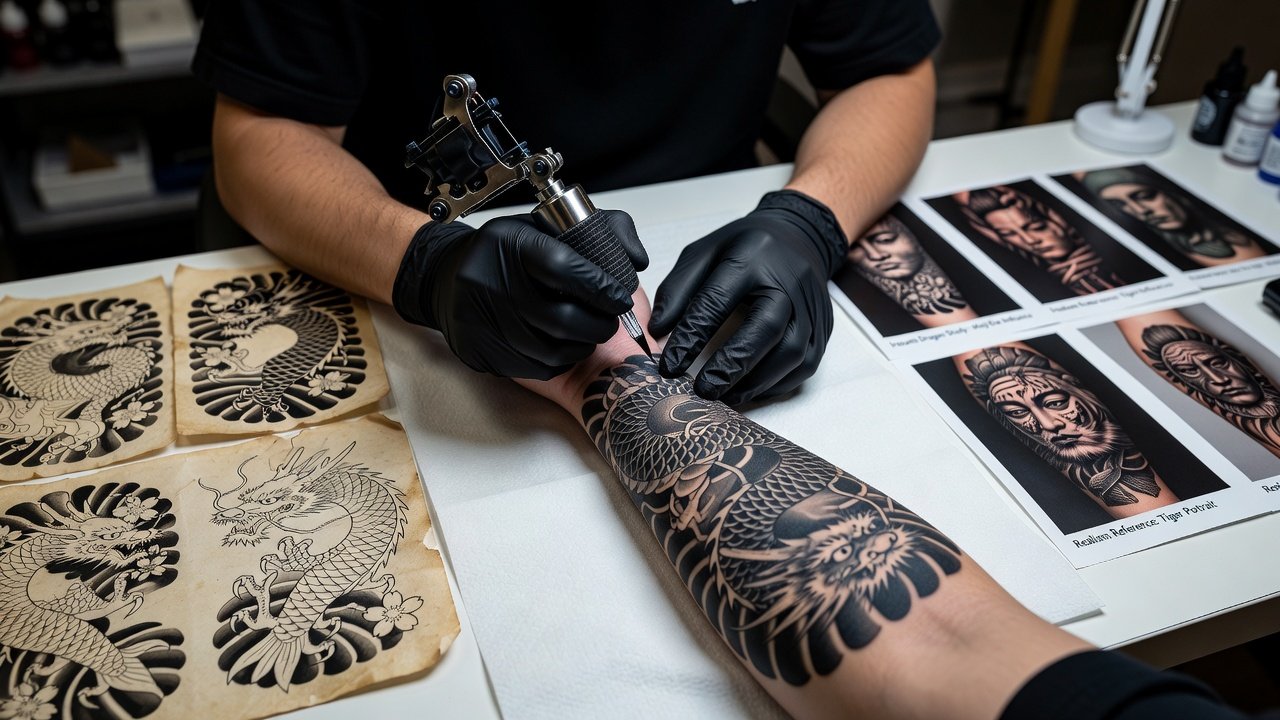
Step-by-step videos typically cover machine setup, ink selection, and skin preparation in granular detail. For irezumi, creators highlight the importance of understanding Japanese symbolism, such as the protective qualities of tiger motifs or the seasonal meanings behind flower placements. Blackwork tutorials stress consistent pressure for solid fills, often demonstrating how varying hand speed affects edge crispness. Realism sessions demonstrate gradual blending to avoid harsh edges, including exercises on building depth through multiple thin passes rather than heavy single applications.
Discussions on cultural context appear frequently, encouraging respect for origins and warning against appropriation. Viewers learn how irezumi evolved from Edo-period practices to global expressions today. Authoritative resources like the Metropolitan Museum of Art provide supplementary historical background that complements video lessons. Tool recommendations evolve with 2026 innovations, such as lighter wireless machines that reduce hand fatigue during long sessions. Many creators test products on camera, showing before-and-after results on synthetic practice skins to illustrate durability and ink flow consistency.
Comparing Free Tutorials and Paid Masterclasses
Free YouTube content offers broad overviews and quick tips, ideal for beginners testing interest without financial commitment. These videos often include timestamps for easy navigation to specific techniques like whip shading or color packing in hybrid irezumi designs. Paid masterclasses, often linked in descriptions, provide deeper dives with downloadable resources, live Q&A sessions, and personalized feedback on submitted practice work. The choice depends on learning style: visual repetition suits free formats, while structured progression benefits from paid programs that track skill milestones. Many creators blend both approaches, using YouTube to funnel dedicated students toward premium offerings that include community forums for ongoing support.
Real Viewer Transformation Examples
Comment sections and community posts showcase measurable progress over time. One subscriber replicated a full blackwork sleeve after following a six-part series, noting improved line consistency after implementing the recommended three-finger grip adjustment shown in week three. Another applied realism shading techniques to personal sketches before attempting studio practice on friends under supervision, achieving smoother gradients within four months. A third viewer documented their journey from basic dotwork to complex irezumi back pieces, crediting cultural context videos for better client communication during consultations. These stories illustrate how consistent viewing translates to skill gains when paired with safe experimentation on synthetic skins and gradual integration of studio mentorship.
Building an Effective Learning Playlist
Start with foundational videos on hygiene protocols and basic line work stability. Progress to style-specific series, mixing blackwork geometry exercises, realism gradient drills, and irezumi flow patterns. Include cultural overview clips early to establish respectful framing before diving into technical execution. Organize by skill level: beginner playlists cover essential tools and safety, intermediate ones focus on composition and color theory integration, and advanced sections tackle client-specific adaptations such as adjusting designs for body contours. Refresh playlists quarterly to incorporate 2026 updates on new equipment trends and evolving industry standards. Many successful learners also intersperse playlist sessions with offline sketching practice to reinforce muscle memory.
Avoiding Common Beginner Mistakes
- Skipping thorough skin preparation, leading to uneven ink retention and increased healing complications.
- Overloading needles without proper depth control, causing blowouts that require corrective work later.
- Ignoring cultural research, resulting in designs that unintentionally offend or misrepresent traditions.
- Rushing to human skin before mastering practice materials, which can damage confidence and client trust.
- Neglecting detailed aftercare explanations shown in videos, leading to faded results or infections.
- Failing to account for skin movement during sessions, especially on curved areas like elbows or knees.
Reviewers often highlight these pitfalls in follow-up content, advising slow, deliberate practice and regular self-assessment through recorded practice sessions.
FAQs on Translating Online Lessons to Studio Sessions
How do I choose the right machine after watching demos? Match video recommendations to your budget and style preference, testing on practice skins first while noting factors like weight and vibration levels that affect long sessions.
Can online tutorials replace formal apprenticeships? They supplement learning effectively but cannot substitute hands-on mentorship under licensed professionals who provide real-time corrections and safety oversight.
What safety standards should I follow? Consult guidelines from CDC tattoo safety resources alongside video hygiene segments, always prioritizing sterilization and single-use equipment.
How long until I see results? Consistent practice over several months yields visible improvement, varying by individual dedication, prior artistic experience, and access to quality materials.
Should I share my practice work online for feedback? Yes, many channels host critique threads, but always blur identifying details and seek constructive input rather than validation alone.
Conclusion
YouTube channels dedicated to blackwork, realism, and irezumi continue shaping accessible tattoo education in 2026. By combining visual demos with cultural awareness and practical tool guidance, these resources empower enthusiasts to build skills thoughtfully and responsibly. Curate your playlist carefully, heed common warnings from experienced creators, and always prioritize professional studio environments for real-world application. This balanced approach ensures sustainable growth while honoring the rich traditions behind each style.
No comments yet. Be the first!