 Inked Mythos
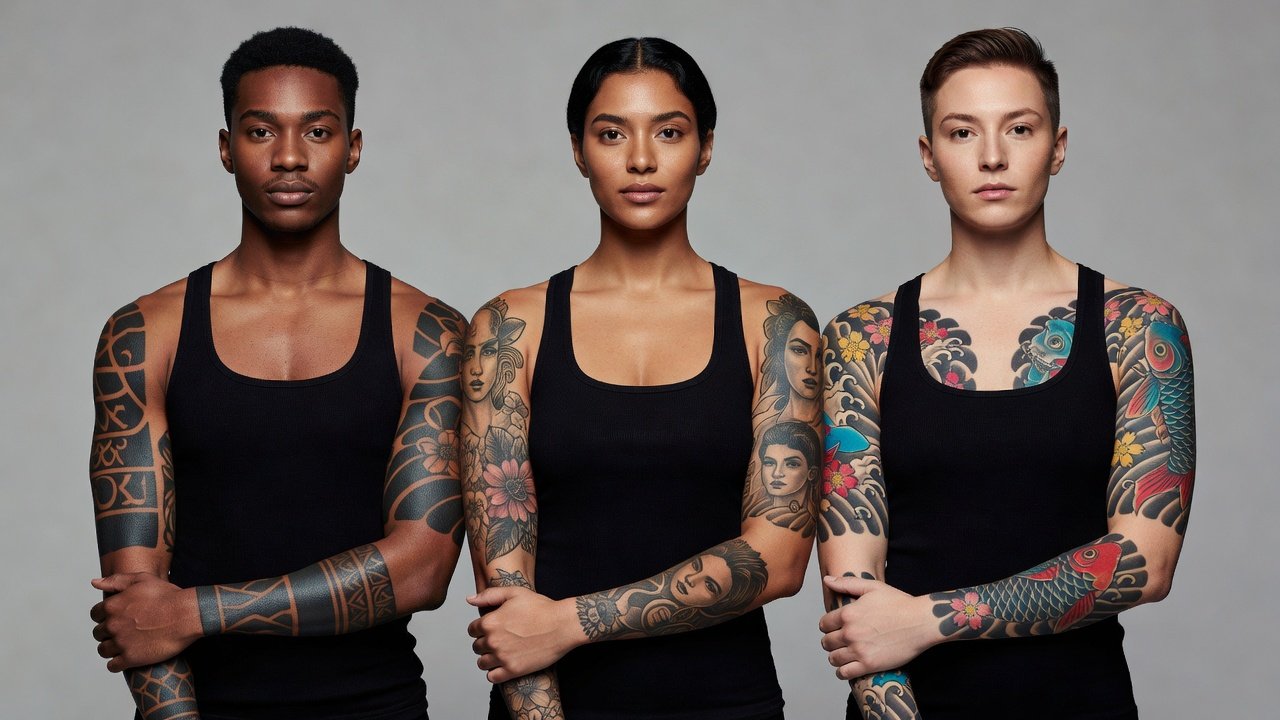
Understanding Skin Tones and Tattoo Styles
Tattoo artists and clients increasingly recognize that skin tone plays a critical role in how designs like blackwork, realism, and irezumi appear over time. Whether you have fair, medium, or deep skin, factors such as melanin levels, undertones, and healing responses influence contrast, saturation, and longevity. This comprehensive guide explores these interactions in depth to help you make informed decisions about personalization and suitability in tattoo styles and body art. By examining ink behavior, real-world examples, and practical consultation steps, readers can achieve tattoos that maintain visual impact for years.
How Ink Behaves on Light to Dark Skin
Black ink generally offers strong contrast on lighter skin tones because it stands out against lower melanin levels. On medium to dark skin, however, the same black ink may require heavier saturation or specific shading techniques to maintain visibility. Realism tattoos, which rely on gradients and photorealistic details, can lose subtlety on darker complexions unless the artist adjusts line weights and uses specialized black inks. Irezumi, rooted in traditional Japanese aesthetics with bold outlines and vibrant (though often black-and-gray) fills, benefits from high-contrast placement regardless of tone. Undertones also matter significantly. Cool undertones may make blackwork appear cooler and more dramatic, while warm undertones can soften the edges slightly during healing. Pigment density and needle depth further affect outcomes, as deeper skin layers on darker tones sometimes absorb ink differently, leading to subtle shifts in perceived darkness over months.
Blackwork Tattoos Across Skin Tones
Blackwork emphasizes solid fills, geometric patterns, and negative space. On light skin, intricate dotwork and fine lines heal with crisp definition, allowing for delicate mandala patterns or ornamental details that remain sharp. Medium skin tones support bold geometric blackwork well, but artists often recommend slightly thicker lines to combat any subtle fading from daily sun exposure. Deep skin tones pair beautifully with large-scale blackwork when the artist uses a mix of solid black and strategic negative space to create depth and visual interest. A client with deep skin received a full sleeve blackwork piece featuring sacred geometry. The artist used a technique called black packing over multiple sessions, resulting in rich saturation that remained vibrant two years later. Another example involves a forearm band on medium skin that incorporated negative space leaves; the design healed cleanly and retained high contrast without additional touch-ups.
Realism Tattoos and Skin Tone Considerations
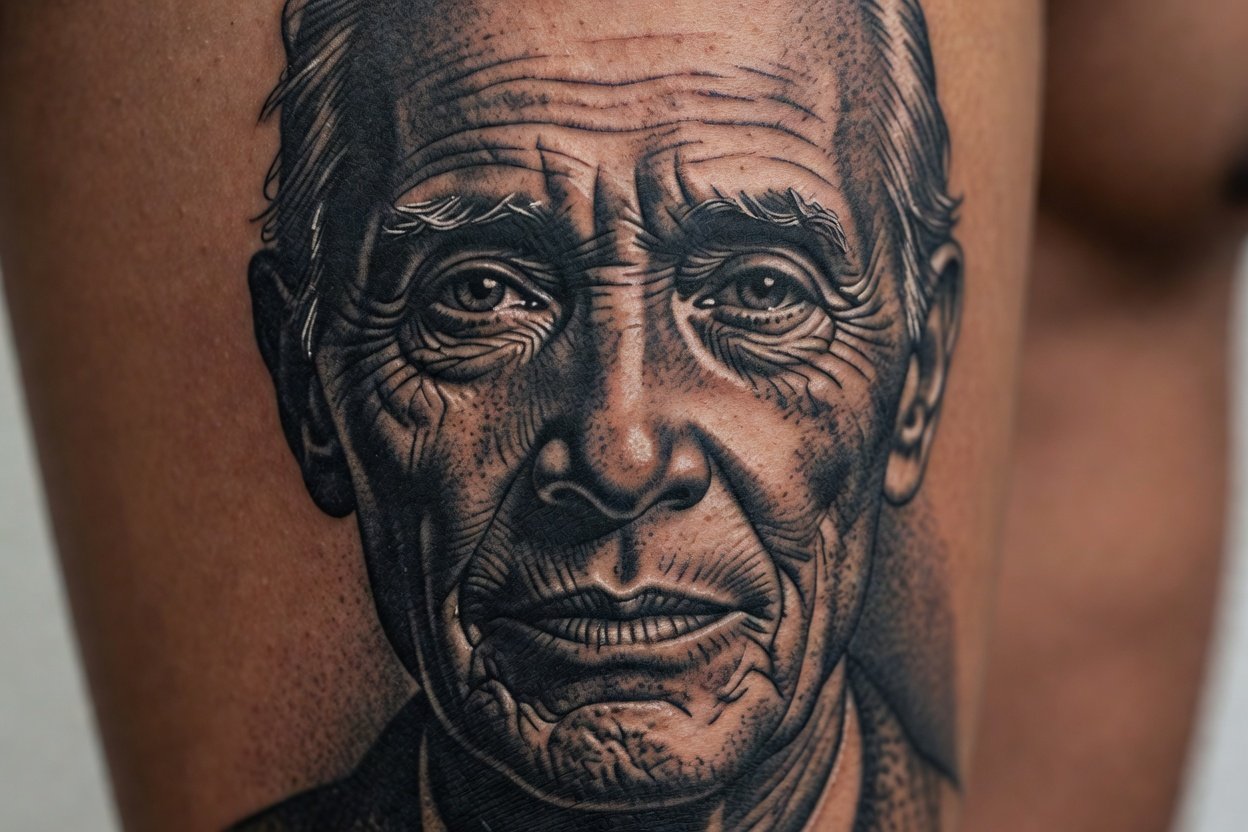
Realism demands precision with light and shadow. Lighter skin allows for delicate skin-tone blending in portraits, while darker skin requires the artist to emphasize deeper shadows and highlights using white or light gray accents sparingly. Many realism artists now specialize in melanin-rich skin by studying how light reflects differently across tones. Practical adjustments include layering multiple passes of diluted black to build smooth gradients without harsh lines. In one successful case, a portrait of a family member on medium-brown skin used enhanced mid-tone shading to preserve facial details even after six months of healing. Artists also advise clients to avoid over-saturation in highlight areas, which can appear chalky on deeper complexions.
Irezumi Style Adaptations
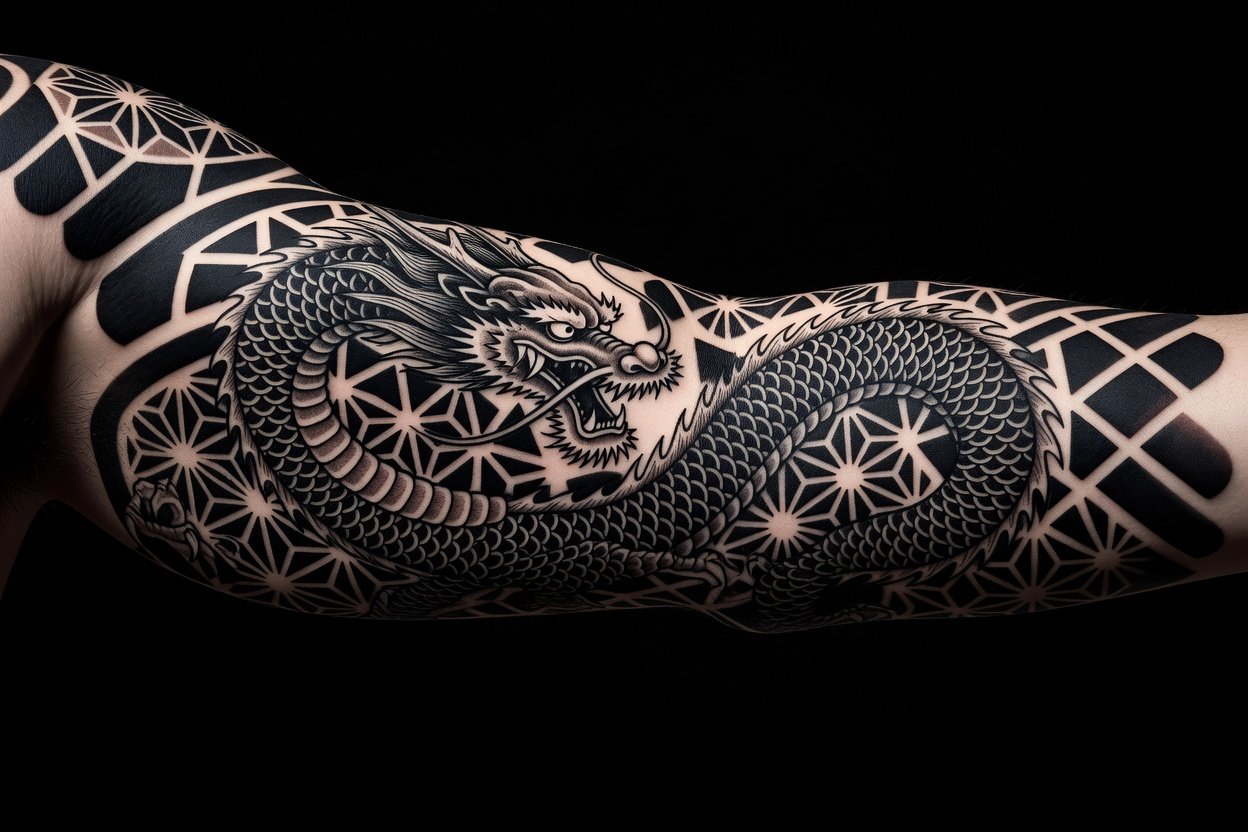
Traditional irezumi features flowing motifs like dragons and waves within bold borders. These hold up across all skin tones when the artist maintains strong black outlines. On fair skin, subtle gray washes add dimension and softness to backgrounds. On darker skin, the outlines become even more essential for definition, preventing motifs from blending into the natural complexion. Successful placements often include full back pieces or thigh sleeves where the body’s natural curves enhance the flowing composition. Clients report that irezumi on light skin benefits from occasional touch-ups every few years to refresh gray areas, while deeper skin tones tend to hold solid black fills longer with proper care.
Healing Outcomes and Aftercare Comparisons
Healing varies notably by skin tone and requires tailored aftercare routines. Light skin typically shows faster visible healing but carries a higher risk of redness showing through fresh ink during the initial weeks. Medium skin offers balanced healing with good color retention when proper moisturizing and gentle cleaning are followed consistently. Dark skin may experience more noticeable peeling phases and requires extra vigilance to prevent keloid formation in sensitive individuals. Recommended steps include using fragrance-free ointments for the first two weeks, avoiding direct sunlight, and keeping the area clean with mild soap. Comparing outcomes across clients reveals that those who follow a strict four-week aftercare protocol see significantly better contrast retention regardless of tone.
- Apply ointment twice daily for optimal moisture balance.
- Wear loose clothing to reduce friction on new tattoos.
- Monitor for unusual swelling and consult a professional promptly if issues arise.
Consult resources from the American Academy of Dermatology for general skin healing guidelines.
Steps for Artist Consultation
Selecting the right artist is essential for success across skin tones. Begin by sharing clear photos of your skin in natural daylight from multiple angles. Next, discuss your undertones and any personal history of scarring or keloids openly. Request digital mockups that have been adjusted specifically for your complexion to visualize final contrast. Ask targeted questions about the ink brands the artist prefers for diverse skin types and their experience with similar projects. Schedule a follow-up meeting to review healed examples from their portfolio. This thorough process reduces the chance of mismatched expectations and leads to more satisfying results.
Mistakes to Avoid When Choosing Styles
Common pitfalls include selecting overly fine details for darker skin without confirming the artist’s expertise, or ignoring undertone differences that affect long-term appearance. Another frequent error is rushing the consultation without providing reference photos in varied lighting. Clients should also avoid assuming all black inks perform identically; some formulations sit better on certain tones. Researching an artist’s specialization in skin-tone adaptation prevents disappointment and costly cover-ups later.
Long-term Maintenance and Fading Prevention
Regular sunscreen application with broad-spectrum SPF remains the most effective way to slow fading across all styles and tones. Annual touch-up sessions can restore contrast in high-wear areas such as hands or feet. Monitoring changes during seasonal shifts helps catch early signs of ink migration. For irezumi and blackwork, maintaining skin hydration through consistent lotion use preserves the crispness of lines over decades.
Common Concerns: Fading, Contrast, and Maintenance
FAQ
Will blackwork fade faster on dark skin? Proper application, quality ink, and consistent sun protection minimize fading across all tones, though deeper skin may show less initial contrast until fully settled.
Can realism portraits work on deep skin? Yes, when the artist uses high-contrast techniques, multiple sessions, and careful shading adjustments tailored to melanin levels.
How long until I see final results? Full healing typically takes four to six weeks, with color settling continuing up to three months depending on individual skin response.
Are there specific inks recommended for varied tones? Artists often select high-density black pigments tested for longevity on diverse skin types; always discuss options during consultation.
For evidence-based tattoo safety information, refer to guidance from the Mayo Clinic and the U.S. Food and Drug Administration.
Choosing the right style begins with honest dialogue between client and artist. By understanding these nuances, practical examples, and maintenance strategies, you can achieve a tattoo that looks striking from day one through years of wear while honoring your unique skin tone.

No comments yet. Be the first!