 Inked Mythos

Introduction to Building Effective Tattoo Portfolios in 2026
Aspiring tattoo artists and enthusiasts searching for top talent need portfolios that highlight the intricate details of blackwork, realism, and irezumi. These styles demand careful curation to demonstrate technical skill, cultural sensitivity, and artistic vision. This guide provides in-depth strategies for creating compelling presentations that attract clients and advance careers. In 2026, the tattoo industry continues to evolve with digital advancements making it easier than ever to reach a global audience, but the core challenge remains showcasing the depth of blackwork patterns, photorealistic shading, and traditional Japanese motifs authentically.
Understanding Blackwork, Realism, and Irezumi Styles
Blackwork focuses on bold lines and geometric patterns often using solid black ink, creating high-contrast designs that emphasize negative space and symmetry. Realism captures lifelike images through advanced shading, color gradients, and precise anatomical details, requiring artists to master light and shadow on skin. Irezumi draws from traditional Japanese aesthetics with flowing motifs like dragons, koi fish, and waves, often incorporating symbolic elements that carry deep cultural meaning. Artists must understand these distinctions to select pieces that showcase versatility without diluting focus. For example, combining blackwork's bold outlines with realism's texture can create hybrid pieces that stand out in a portfolio.
Selecting Standout Pieces for Your Portfolio
Choose 8-12 high-quality images that represent each style equally. Prioritize healed tattoos photographed in natural light to show longevity and how ink settles over time. Include close-ups of fine lines in blackwork to prove precision and dynamic shading in realism to demonstrate depth perception. For irezumi, feature full sleeve or back pieces that highlight flow and composition across body contours. Avoid overcrowding with similar designs; aim for diversity in subject matter and placement on the body. Consider including progression shots from stencil to completion for educational value. Real-world criteria include client satisfaction ratings, uniqueness of concept, and technical execution under varying skin tones.
Digital Tools for Modern Portfolio Presentation
Platforms like Adobe Portfolio and Squarespace offer customizable templates ideal for 2026. Use high-resolution uploads and responsive design so mobile users can zoom into details. Incorporate galleries with filters for style categories. 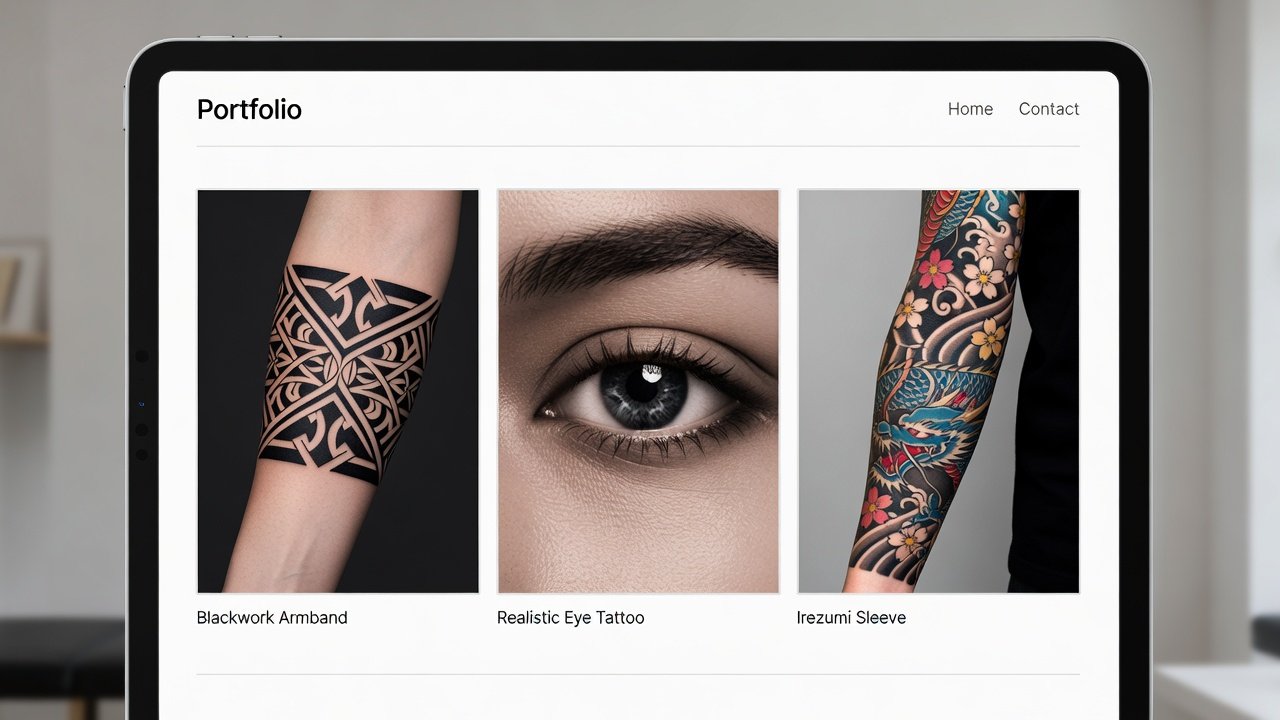
Traditional vs Modern Portfolio Formats: A Comparison
- Traditional formats like printed books provide tactile experience but limit reach and updates, making them suitable only for in-studio consultations.
- Modern digital sites enable global access, SEO optimization, and easy integration of client feedback, allowing real-time updates and analytics on viewer engagement.
- Hybrid approaches combine physical samples for studio visits with online versions for broader exposure, offering the best of both worlds for established artists.
- Digital platforms also support multimedia elements like animation of design evolution, which traditional formats cannot replicate.
Digital options have become dominant as of late 2026 due to their scalability and analytics features, helping artists track which styles attract the most interest.
Incorporating Client Testimonials Effectively
Gather written or video testimonials that specifically mention style execution, such as precision in irezumi line work or comfort during long realism sessions. Display them alongside relevant images with consent. This social proof helps convert visitors into bookings by addressing common concerns about pain, healing, and results. To collect them, send follow-up emails post-session with simple prompts like "What stood out about the blackwork design?" Aim for 4-6 testimonials per style category. Examples from 2026 show artists increasing inquiry rates by 40% after adding authentic client stories.
Practical Steps for Creating a Portfolio
- Audit existing work and photograph new pieces professionally using consistent lighting and angles.
- Organize content by style with clear navigation menus and searchable tags.
- Optimize for search with keywords like blackwork realism irezumi integrated naturally in descriptions.
- Test usability across devices and gather feedback from peers or mentors before launch.
- Update quarterly with fresh examples to reflect evolving skills and new client projects.
- Back up all files and consider domain security features to protect your brand.
Real-World Examples from 2026
Artists like those featured on major platforms have succeeded by blending cultural research with modern techniques. One example involves an irezumi specialist who paired traditional motifs with subtle realism shading, leading to increased international inquiries. Another artist used a blackwork-focused portfolio on a custom site to secure collaborations with fashion brands. Study these cases to adapt proven layouts and storytelling methods that highlight personal artistic journeys.
Mistakes to Avoid When Building Your Portfolio
Common pitfalls include using low-resolution images that fail to capture fine details, neglecting mobile optimization, or including unfinished work that confuses viewers. Overloading with too many pieces can dilute impact, while ignoring cultural context in irezumi may alienate knowledgeable clients. Always proofread descriptions for accuracy and ensure testimonials are genuine to maintain credibility.
Optimizing for SEO and Discoverability
Incorporate long-tail keywords throughout your site content and meta descriptions. Share portfolio links on social media with behind-the-scenes stories. Collaborate with tattoo communities and submit to directories for additional exposure. This approach helps aspiring artists rank higher in searches for blackwork realism irezumi portfolios in 2026.
FAQs on Highlighting Body Art Styles
How many pieces should a portfolio include?
Start with 10-15 strong examples covering all targeted styles to avoid overwhelming viewers while demonstrating range and depth across blackwork, realism, and irezumi.
What if my work spans multiple techniques?
Group similar pieces and use section headers to guide visitors through your evolution as an artist, creating a narrative that connects different styles logically.
Are there legal considerations for sharing client work?
Always secure model releases and respect cultural elements, especially with irezumi, to maintain ethical standards and avoid potential disputes.
How often should I update my portfolio?
Quarterly updates are recommended to keep content fresh and reflect recent projects that showcase your latest techniques.
Conclusion
Building a portfolio for blackwork, realism, and irezumi requires strategic selection, modern tools, and authentic storytelling. Follow these steps to create a resource that not only displays talent but also connects with the right audience in 2026 and beyond. For further reading on tattoo history, visit Britannica's tattoo overview and The Metropolitan Museum of Art. Additional insights can be found at Smithsonian Magazine.
No comments yet. Be the first!