 Inked Mythos
Introduction to Ethical Tattoo Inspiration
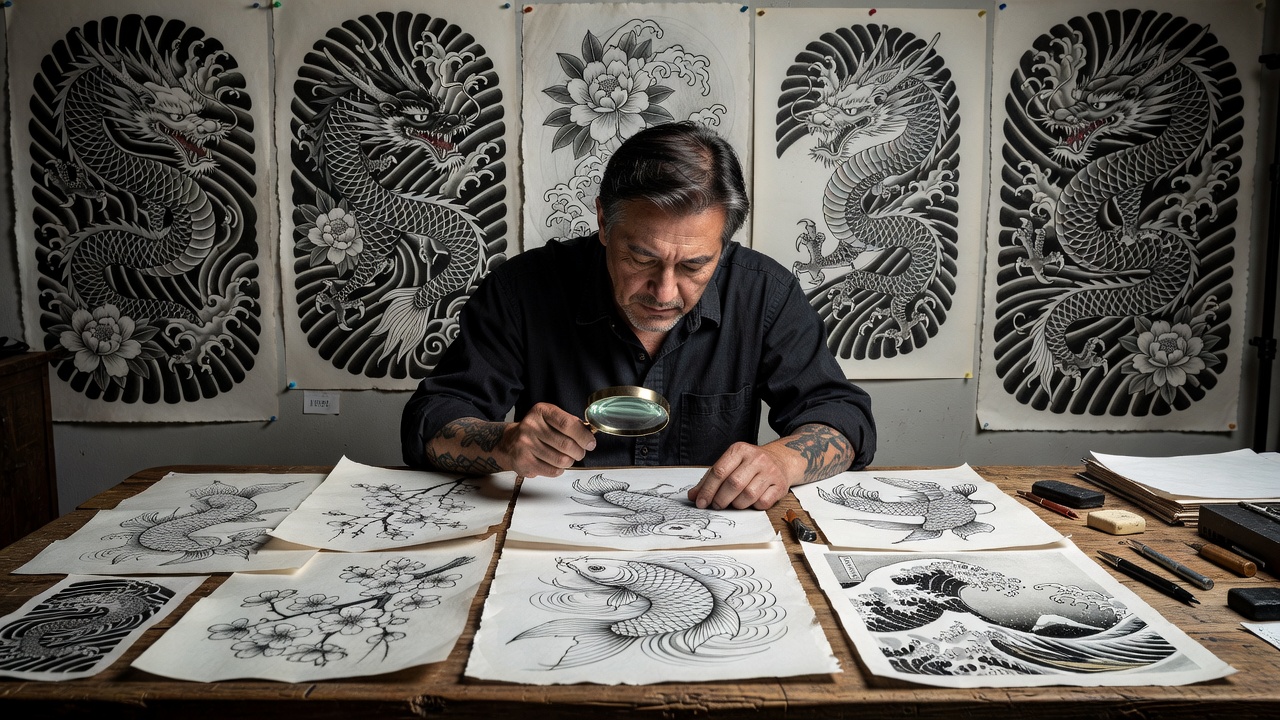
Blackwork, realism, and irezumi represent powerful modern tattoo styles that blend precision linework with intricate shading and cultural motifs. Finding authentic inspiration requires care to honor origins without appropriation. This guide provides practical methods for sourcing ideas ethically, transforming references into personal designs, and steering clear of oversaturated trends. Artists and enthusiasts seeking blackwork realism irezumi tattoos often search for ways to create meaningful work that respects historical roots while expressing individual identity. The process begins with understanding that true originality comes from layered research rather than direct replication of popular images found online.
Reliable Sources for Tattoo References
Museum archives offer high-resolution access to historical artifacts and artworks that inform irezumi motifs without direct copying. The Metropolitan Museum of Art provides extensive collections of Japanese prints and textiles suitable for study. Similarly, the British Museum houses detailed ukiyo-e prints and textile patterns that reveal traditional line techniques and symbolic elements. Nature photography and botanical illustrations serve as neutral references for realism elements like flora or fauna integrated into blackwork compositions. Public institutions such as the Smithsonian also maintain open-access digital collections that allow safe exploration of global art forms.
Artist portfolios on established platforms allow observation of contemporary interpretations. Focus on creators who openly credit influences and demonstrate originality in their blackwork realism fusions. Public domain resources from institutions ensure legal and respectful use. When browsing these archives, note the context of each piece, including its original cultural purpose, to avoid misappropriation in your own designs.
Transforming References into Unique Designs
Begin by collecting multiple references rather than single images. Sketch initial concepts by hand to reinterpret elements—combine a wave pattern from historical prints with personal geometric accents. Iterate through thumbnail studies before digital refinement. This process ensures the final tattoo reflects individual narrative while drawing from diverse influences. Practical steps include documenting source details for accountability, modifying scale, orientation, and negative space, testing color values in grayscale for blackwork compatibility, and layering personal symbols such as birthdates or meaningful landscapes.
Real-world examples from diverse tattooists show successful integration of natural forms into irezumi sleeves without replicating traditional full-body layouts verbatim. One approach involves taking a single motif like a koi from archival sources and reimagining it through realistic shading techniques drawn from portrait photography. Another involves blending botanical linework with bold blackwork gradients to create forearm pieces that feel both contemporary and rooted. Always review your evolving design against the original references to confirm substantial transformation has occurred.
Digital vs Traditional Mood Boards
Digital mood boards using tools like Pinterest or Milanote enable rapid layering of references with annotations for cultural notes. They excel for collaboration but risk algorithm-driven repetition of popular designs. 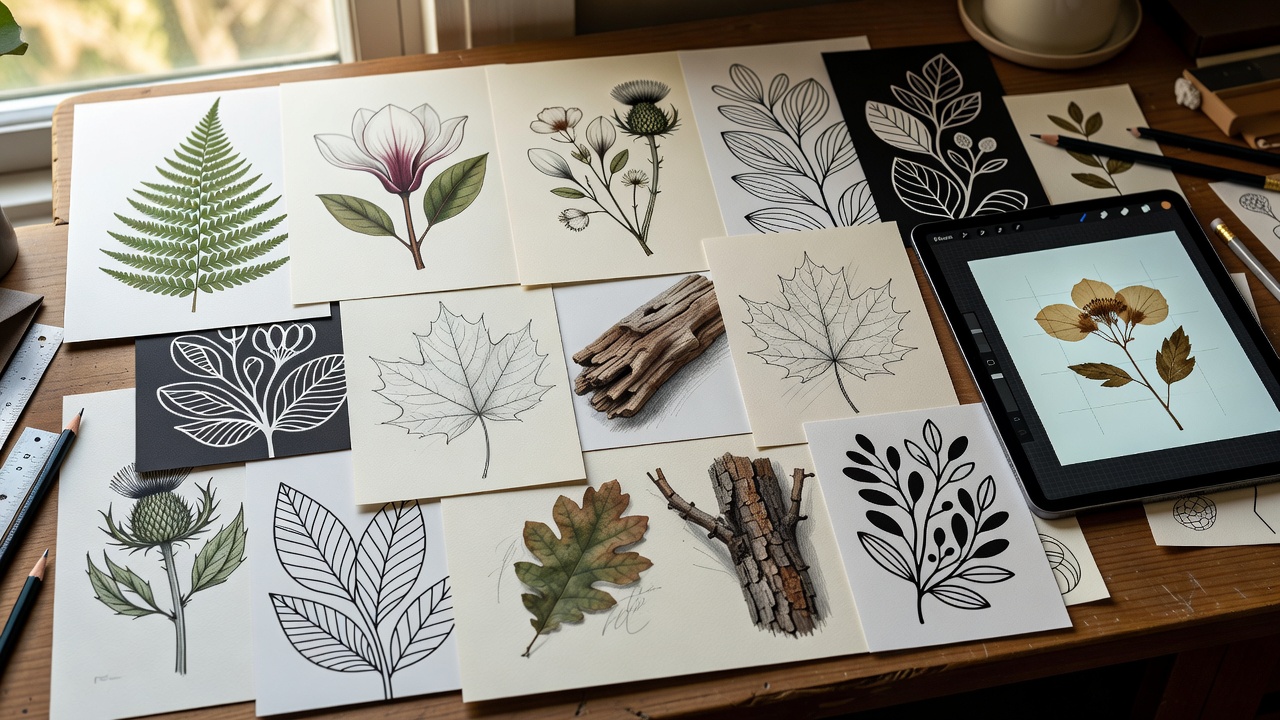
Traditional physical boards with printed images, fabric swatches, and hand-drawn elements encourage deeper tactile engagement and slower curation, reducing trend saturation. Compare by testing both: digital for volume, physical for intentionality. Many artists report hybrid approaches yield the most original results. For instance, start digitally to gather dozens of images, then print key selections and rearrange them physically over several days to discover unexpected connections. This method helps identify which elements truly resonate personally rather than those trending at the moment.
Avoiding Saturated Online Trends
Popular motifs such as specific dragon placements or mandala fusions appear frequently across social platforms. Counter this by prioritizing lesser-known museum pieces or personal environmental observations. Cross-reference ideas against current tattoo showcases to identify gaps, then develop variations that incorporate unique biographical elements. Search for emerging sub-styles within blackwork, such as combining micro-realism with traditional irezumi borders, and experiment with negative space in ways not commonly seen in viral posts. Keeping a private sketchbook separate from online feeds further protects your creative voice from external noise.
Real-World Examples from Diverse Creators
Artists blending realism portraiture with blackwork borders often reference archival photography ethically. Others incorporate irezumi wave structures inspired by public park observations rather than direct cultural replicas. These cases highlight maintaining personal style integrity through consistent self-reflection during the design phase. Consider how a Canadian tattooist might merge Pacific Northwest raven imagery with blackwork shading techniques studied from museum textiles, resulting in a back piece that feels fresh and autobiographical. Similarly, European artists have fused botanical realism with geometric irezumi patterns after extensive nature walks, producing sleeve designs praised for their originality.
Common Pitfalls and How to Avoid Them
One frequent mistake is relying solely on social media for references, which leads to repetitive designs. Another is copying motifs without modification. To avoid these, establish a rule of using at least three distinct sources for every major element in your tattoo. Additionally, consult with the tattoo artist early to discuss how references will be adapted. This collaborative step often reveals new creative directions while reinforcing ethical boundaries.
FAQ on Cultural Sensitivity and Personal Style
How do I verify cultural sensitivity of a reference?
Consult primary sources and community guidelines from recognized cultural organizations. When in doubt, adapt abstract elements rather than literal symbols. Reading academic papers or exhibition notes from the source museum can provide deeper context about the motif’s original meaning and appropriate modern usage.
What steps maintain personal style integrity?
Regularly audit your mood boards for over-reliance on trending aesthetics. Incorporate autobiographical sketches early in the process. Set aside time each week to draw from life rather than screens, ensuring your work evolves from lived experience instead of digital trends.
Can nature references replace cultural ones?
Yes, botanical and geological forms provide timeless, appropriation-free foundations adaptable to any style. Many successful blackwork realism irezumi pieces derive entirely from observed rock formations, leaf structures, and water patterns without referencing specific cultural iconography.
How many references should I collect before starting a design?
Most professional artists recommend gathering between fifteen and thirty references for a full sleeve project. This volume allows enough material to synthesize something truly unique while giving options for refinement during the sketching phase.
Conclusion
Ethical sourcing strengthens both the artistic outcome and respect for tattoo traditions. By leveraging archives, portfolios, and natural references while prioritizing originality, practitioners create meaningful blackwork realism irezumi work that endures beyond fleeting trends. The time invested in thoughtful research ultimately produces tattoos that clients cherish for decades because they carry authentic personal stories alongside respectful nods to historical art forms.

No comments yet. Be the first!