 Inked Mythos
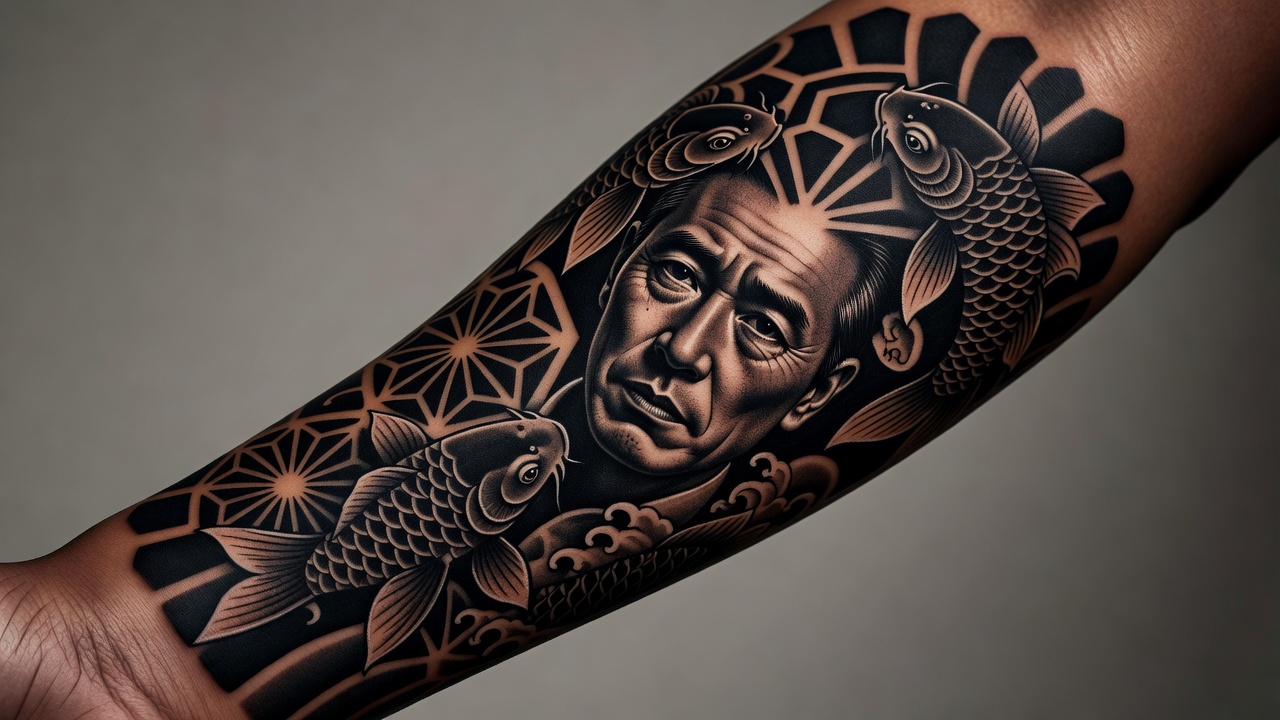
Introduction to 2027 Tattoo Style Forecasts
The tattoo industry continues to evolve rapidly, with blackwork, realism, and irezumi leading the charge into 2027. Collectors and artists alike are exploring innovative fusions that blend the stark contrasts of blackwork, the photorealistic detail of realism, and the symbolic depth of traditional irezumi. This forward-looking piece examines these directions, drawing on emerging techniques, cultural sensitivities, and practical guidance for those planning their next piece. As body art becomes increasingly personalized, understanding these evolutions helps enthusiasts make informed decisions that stand the test of time.
Blackwork's Expanding Horizons
Blackwork tattoos have long emphasized bold lines and geometric patterns, but 2027 predictions point toward greater integration with organic forms. Artists are experimenting with negative space to create illusions of depth, moving beyond flat designs. This evolution allows for more personal storytelling while maintaining the style's powerful visual impact. For instance, a sleeve might combine rigid mandala elements with flowing vine patterns that mimic natural growth, creating contrast that draws the eye across the body. Collectors often report higher satisfaction when blackwork incorporates subtle gradients achieved through varying needle depths rather than solely solid fills.
Realism Meets Futuristic Detail
Realism tattoos in 2027 are shifting toward hyper-detailed compositions that incorporate subtle lighting effects and layered textures. Collectors seek portraits or nature scenes with added abstract elements, creating pieces that feel both lifelike and otherworldly. Comparisons between traditional realism and these new approaches highlight how shading techniques now prioritize longevity under skin movement. A realistic eagle might now include faint geometric overlays representing flight paths, blending precision with symbolism. This hybrid style requires artists skilled in both micro-detail and broader composition to avoid muddiness as the tattoo ages.
Irezumi's Cultural Adaptations
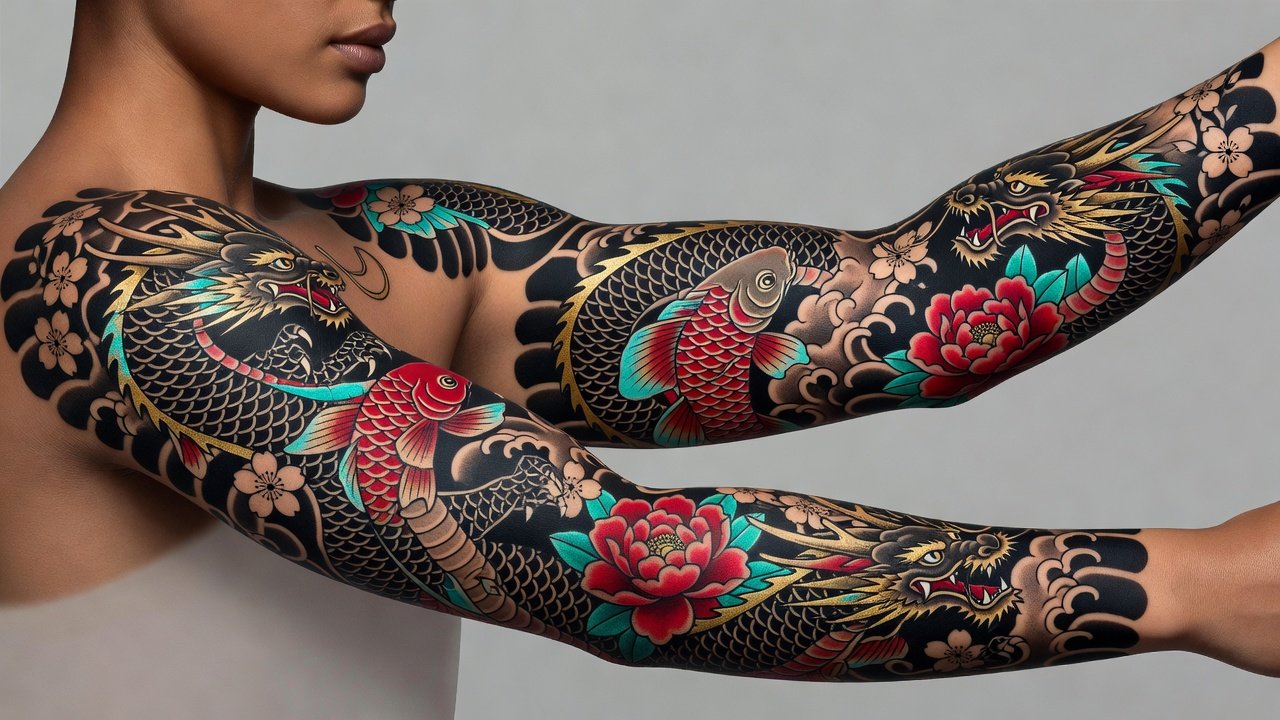
Irezumi, rooted in Japanese heritage, is seeing thoughtful evolutions that respect its origins while embracing global influences. Artists incorporate modern motifs like urban landscapes alongside classic dragons and koi, always with attention to flow and body placement. Sustainable adaptations include using inks that align with ethical sourcing practices. Respect for cultural boundaries remains paramount; many studios now require consultations that discuss the historical significance of irezumi motifs before proceeding with custom work.
Visual examples of experimental designs often feature hybrid sleeves where blackwork borders frame realistic irezumi elements. 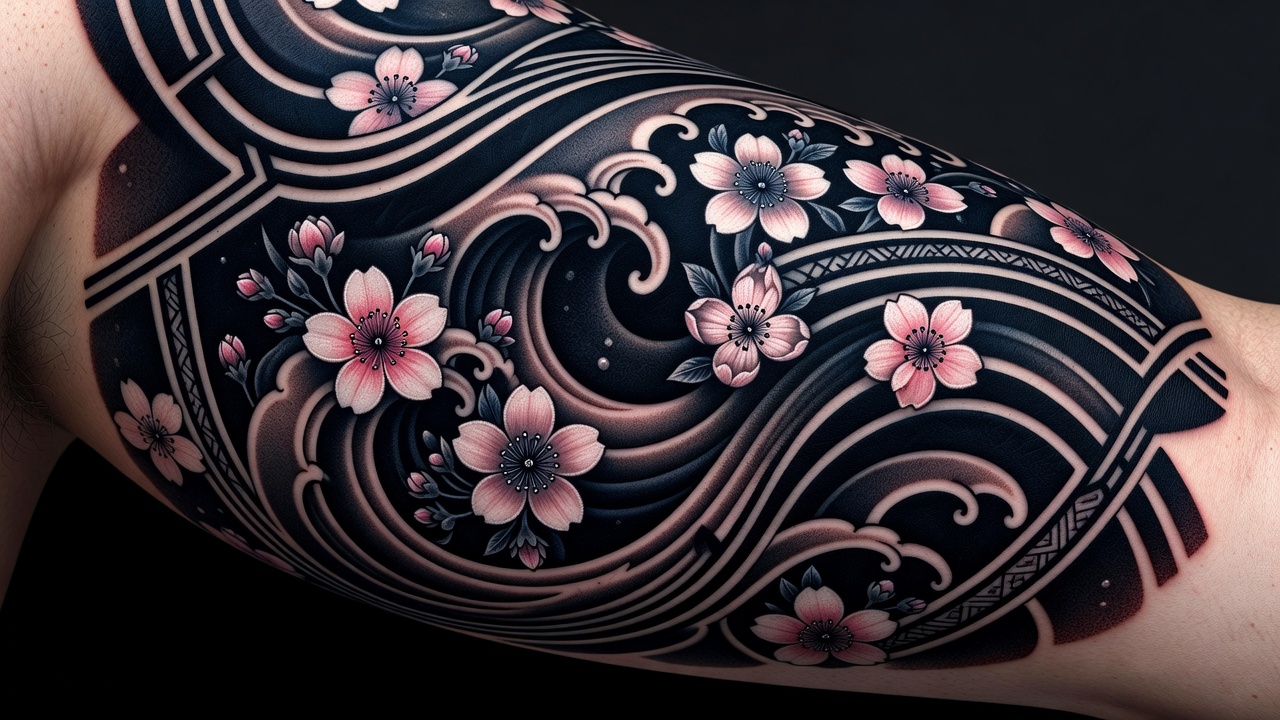
Technique Fusions and Color Integration Shifts
Predicted fusions include combining blackwork's precision with realism's gradients and irezumi's bold outlines. Color integration is moving toward selective palettes—primarily monochrome with strategic accents—rather than full saturation. This creates versatile tattoos suitable for various skin tones and aging considerations. One emerging example is a full back piece starting with dense blackwork shoulders transitioning into realistic waves and then irezumi phoenixes at the lower back, using only black and a single muted teal accent for emphasis. Such designs demand careful planning of placement to account for how skin stretches and heals over multiple sessions.
Artist Perspectives on Upcoming Trends
Interviews with leading tattooists reveal excitement around these styles. One specialist noted the rise of collaborative sessions where multiple artists contribute to a single large-scale piece. Another emphasized testing new needle configurations for smoother transitions between styles. These insights underscore the importance of choosing experienced professionals familiar with hybrid approaches. Many artists recommend starting with smaller test pieces to gauge how individual skin reacts to layered techniques before committing to larger projects.
Traditional vs. Futuristic Approaches: A Comparison
- Traditional blackwork focuses on symmetry; futuristic versions add asymmetry for dynamism and movement.
- Classic realism prioritizes photoreal accuracy, while 2027 versions blend in symbolic overlays for deeper personal meaning.
- Standard irezumi follows strict rules of composition; evolved forms allow personalization without losing cultural essence or balance.
- Traditional methods often use fewer sessions; futuristic hybrids may require additional healing time between layers for optimal results.
Practical Advice for Consulting Artists
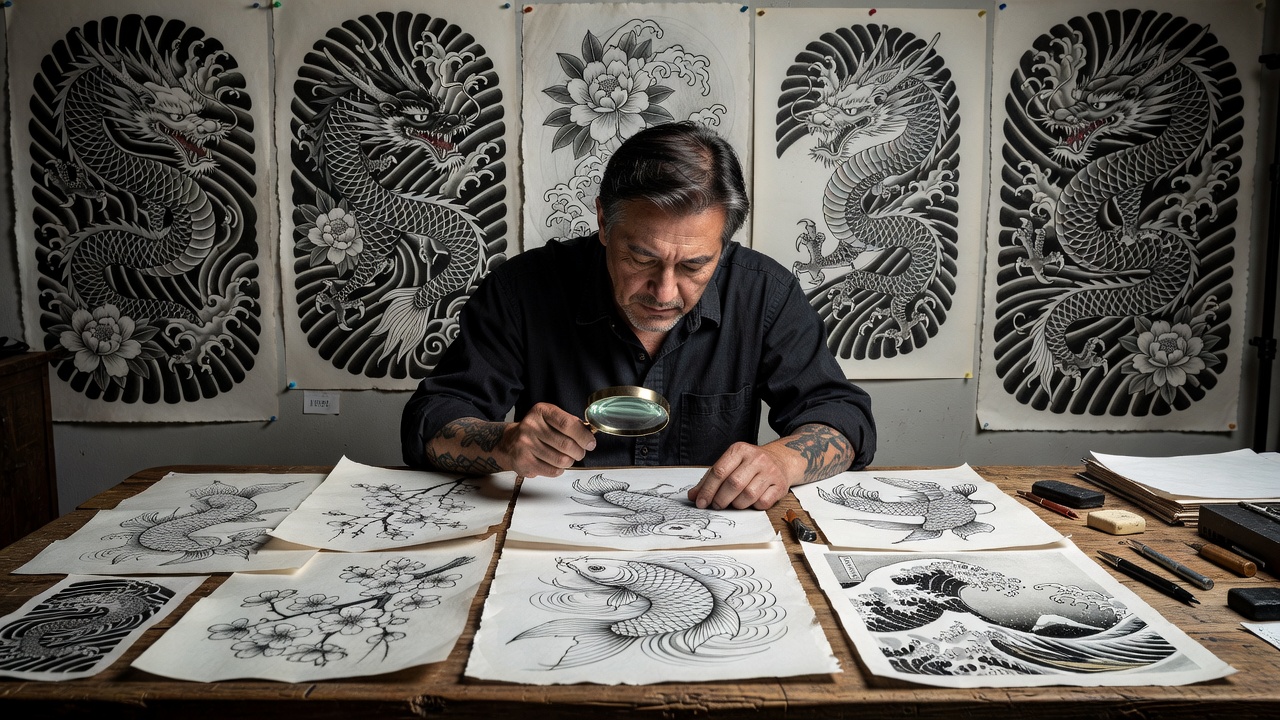
When seeking custom 2027 concepts, start by researching artists whose portfolios show proficiency in at least two of the three styles. Prepare mood boards with references from diverse sources including historical irezumi prints and modern digital art. Discuss longevity factors like ink quality and aftercare routines during consultations. Sustainable ink innovations, such as vegan-based formulas with improved retention, are worth exploring for reduced environmental impact. Always ask about the artist's experience with skin type variations and request references from previous clients with similar hybrid work. Scheduling multiple consultations allows comparison of approaches and ensures alignment with your vision.
Sustainable Ink Innovations and Safety Considerations
Recent advancements feature inks derived from natural pigments that maintain vibrancy longer. These options reduce potential skin reactions and support ethical production. Always verify artist certifications when inquiring about these materials. For health guidance on tattoo inks, refer to resources from World Health Organization and Centers for Disease Control and Prevention. Proper sterilization and aftercare protocols remain essential regardless of ink type, helping prevent complications during the healing phase that can last several weeks.
FAQ: Collector Concerns on Longevity and Personalization
How long do these hybrid tattoos typically last?
With proper care, blackwork-realism-irezumi fusions maintain clarity for decades, especially when using high-quality inks and avoiding sun exposure. Touch-ups may be needed after 10-15 years depending on lifestyle factors.
Can I personalize traditional irezumi elements?
Yes, modern artists adapt motifs respectfully by integrating personal symbols while preserving flow and balance. Open discussions about heritage and meaning ensure respectful outcomes.
What mistakes should be avoided in 2027 designs?
Overcrowding details or ignoring body anatomy can lead to distortion over time. Always prioritize scalable designs and work with artists who provide scaled mockups.
How do skin tones affect these styles?
Darker skin tones benefit from higher contrast blackwork elements, while lighter tones allow finer realism details. Artists adjust ink density accordingly during planning.
Conclusion
As 2027 approaches, the fusion of blackwork, realism, and irezumi offers exciting possibilities for meaningful body art. By focusing on technique mastery, cultural respect, and sustainable choices, collectors can create timeless pieces. Consult trusted artists early to bring these visions to life and enjoy a tattoo that evolves beautifully with you.
No comments yet. Be the first!