 Inked Mythos
Introduction to Color Integration in Traditional Tattoo Styles
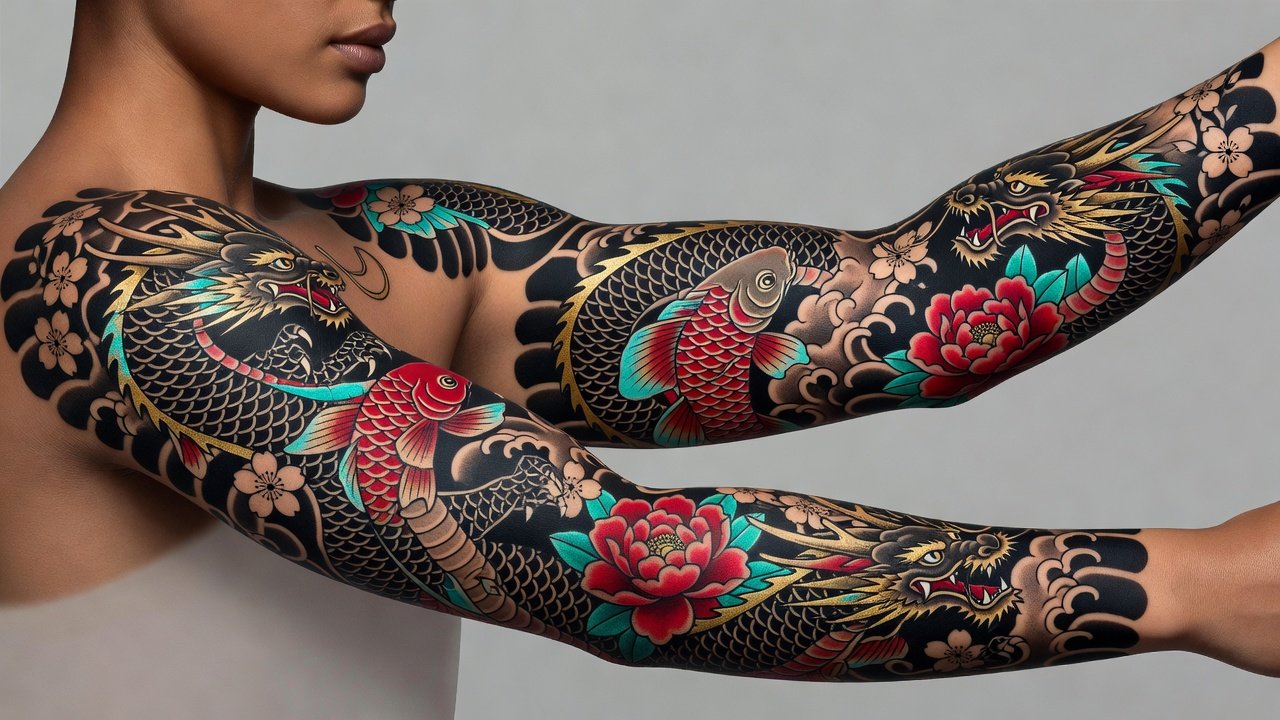
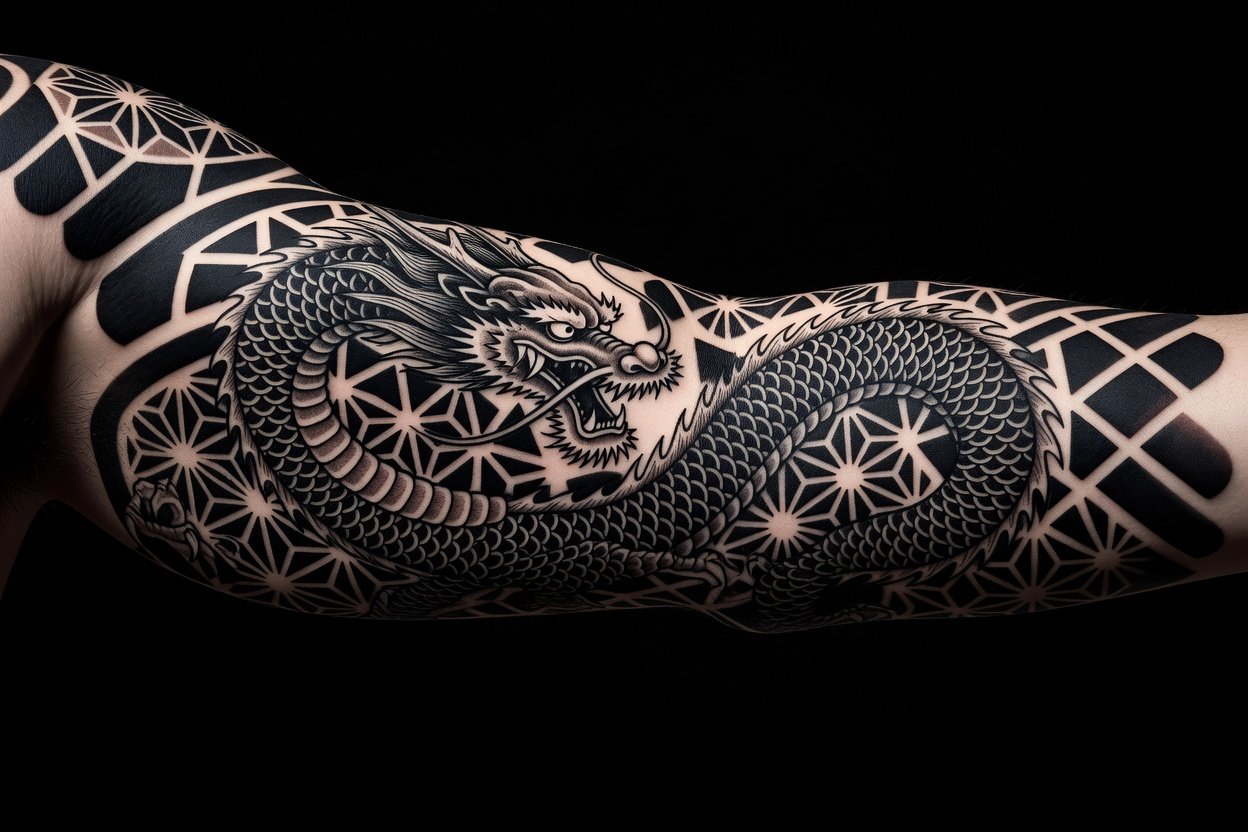
As tattoo artistry evolves into 2026, artists are moving beyond monochrome traditions to integrate vibrant hues into blackwork, realism, and irezumi designs. This fusion creates dynamic, multidimensional body art that honors cultural roots while embracing modern creativity. The search for evolving tattoo styles reflects a desire for personalized, expressive ink that stands out on diverse skin tones. Blackwork delivers bold structural lines and heavy shading that ground the piece, realism captures intricate details like skin texture or fabric folds, and irezumi incorporates flowing Japanese motifs such as koi fish, cherry blossoms, and mythical creatures. Adding color enhances visual depth and emotional impact without erasing the foundational black elements that define these styles. Clients increasingly request these hybrids because they allow for greater customization and longevity in personal expression. This comprehensive approach balances respect for heritage techniques with forward-thinking innovation, resulting in tattoos that photograph dramatically and age gracefully when cared for properly.
Understanding the historical context helps appreciate the modern shift. Traditional blackwork and irezumi often emphasized stark contrasts, while realism focused on photorealistic rendering in grayscale. The 2026 trend of color integration responds to client demand for pieces that feel alive and contemporary. Artists now experiment with selective color placement to highlight focal points, such as glowing eyes on a dragon or subtle skin tones on a portrait, all while preserving the integrity of black outlines.
Pigment Selection for Modern Tattoo Fusions
Choosing the right pigments is crucial for successful color integration. Artists prioritize high-quality, vegan-friendly inks that resist fading under UV exposure and maintain saturation across skin types. In 2026, popular choices include organic pigments for vibrant reds, teals, and golds that complement blackwork shadows without clashing. Selection depends heavily on individual skin undertones, with warmer complexions suiting earthy oranges and browns, while cooler undertones pair best with blues, purples, and silvers. Synthetic pigments offer greater stability for fine line work within realism sections, whereas natural-derived options provide softer transitions ideal for irezumi wave patterns.
Professionals always conduct patch tests to identify potential allergic reactions before full application. Layering begins exclusively with black ink foundations to establish structure, followed by gradual color introduction. This sequenced method ensures the design retains its bold architecture over decades. Factors like ink viscosity, needle configuration, and machine speed also influence how pigments settle into the dermis, affecting both immediate vibrancy and long-term retention.
Layering Techniques for Depth and Dimension
Effective layering transforms flat designs into vivid masterpieces that interact dynamically with body movement. The process starts with precise blackwork outlines created using fine single-needle configurations for clean edges. Next comes realism shading built through gradual grayscale stippling and cross-hatching to establish volume and light direction. Only after these foundations set do artists apply translucent color washes, building gradients that suggest light refraction or atmospheric depth. For irezumi elements, bold yet controlled color blocks sit within black borders to evoke traditional woodblock print aesthetics while introducing contemporary luminosity.
Essential tools include advanced rotary machines for consistent ink flow during color passes and specialized magnum needles for smooth blending across larger areas. Multiple sessions spaced weeks apart allow each layer to fully integrate with the skin, preventing muddiness or color bleed. 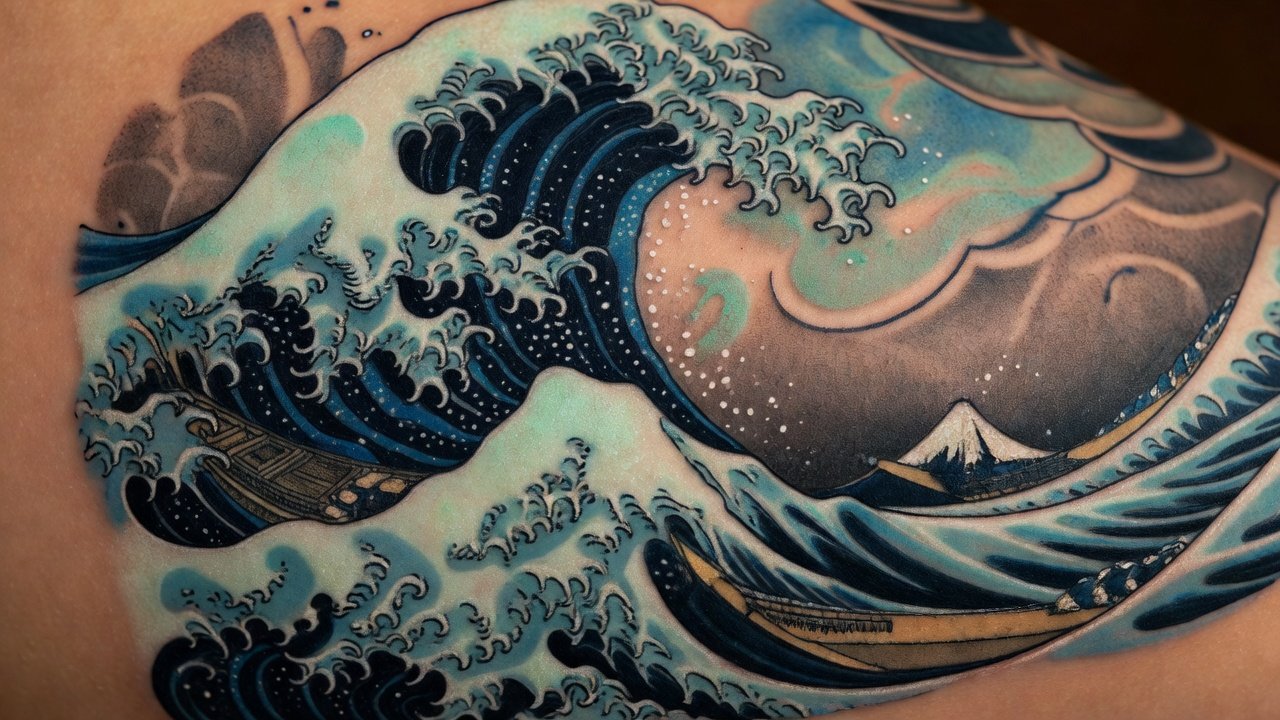
Cultural Adaptations and Respectful Practices
Integrating color into irezumi demands deep sensitivity to Japanese artistic heritage and symbolism. Motifs carry specific meanings, and color choices can alter interpretations, so artists routinely consult clients and cultural experts during planning. Similar considerations apply when adapting blackwork traditions from Polynesian or tribal sources. Authoritative safety resources such as CDC tattoo safety guidelines and WHO health recommendations stress sterile procedures and proper aftercare during extended multi-session projects.
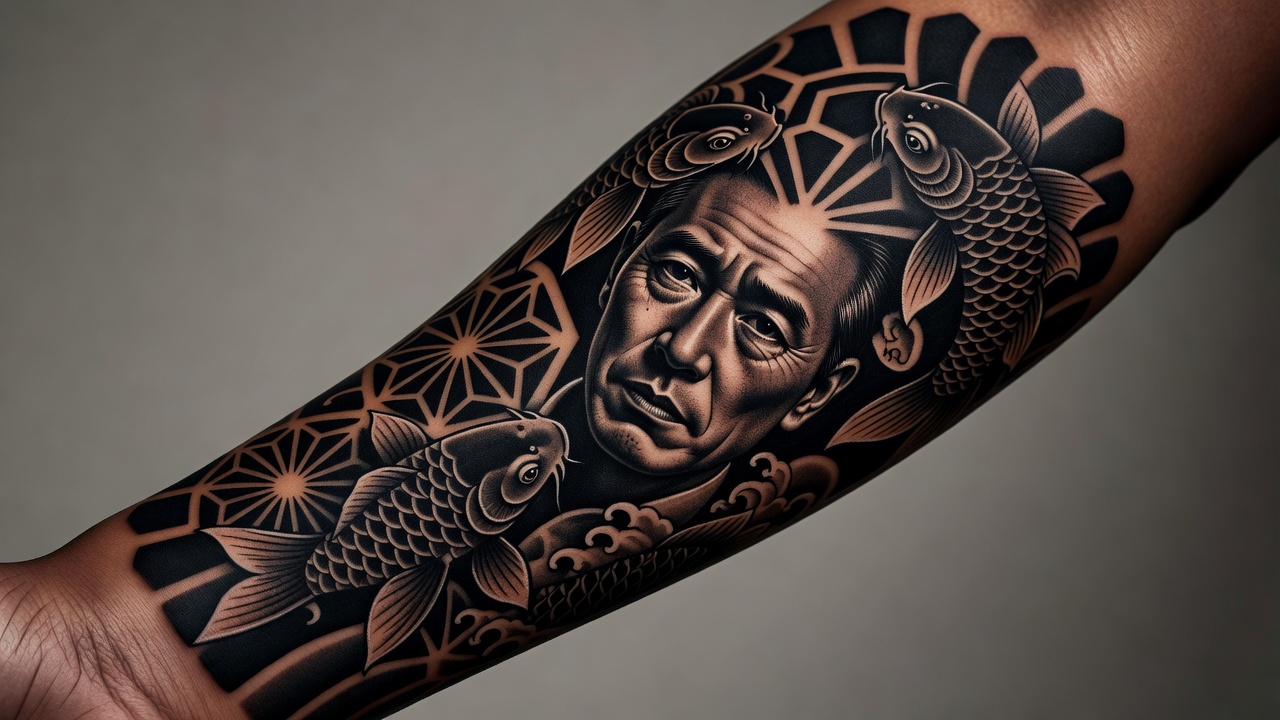
Global influences manifest in hybrid compositions, including irezumi koi rendered in metallic teal alongside realistic portraits featuring subtle blush tones. This thoughtful evolution preserves core cultural essence while broadening appeal across diverse demographics and body placements.
Step-by-Step Examples on Different Skin Tones
Successful color fusion requires meticulous adaptation to each client’s unique skin characteristics. Lighter skin accepts high-saturation pigments readily, whereas medium and darker tones demand higher pigment density and strategic highlight placement to maintain visibility. The following detailed process applies universally with adjustments:
- Initial consultation covers design intent, lifestyle factors, pain tolerance, and color harmony testing against the client’s natural undertones.
- Stencil transfer and blackwork outline execution establish the architectural framework using 0.25mm to 0.35mm needles.
- Realism shading phase develops form through layered black and gray washes, allowing 10-14 days between passes for skin recovery.
- Color introduction begins with diluted base hues applied in thin glazing layers, building intensity gradually across two or three additional appointments.
- Final detailing refines edges and adds micro-contrast before a comprehensive healing review at six weeks.
Before-and-after comparisons consistently show how strategic color placement transforms static monochrome bases into vibrant, narrative-driven artworks. On darker skin tones, artists frequently incorporate warm undertone pigments to counteract cool light absorption and achieve balanced pop.
Before-and-After Comparisons and Real-World Case Studies
Documented transformations illustrate the power of color integration. One case involved a traditional black irezumi sleeve upgraded with selective emerald and crimson accents, resulting in increased visual movement and client satisfaction scores. Another example featured a realistic portrait of a family member where blackwork hair and clothing received soft lavender and gold highlights, softening the overall mood while preserving photorealistic accuracy. These comparisons emphasize the importance of pre-planning color placement maps during the design phase.
Artist Interviews and Real-World Insights
Prominent tattoo professionals active in 2026 consistently report surging client interest in hybrid color styles. Many describe how selective pigmentation extends perceived design lifespan when paired with diligent aftercare routines. Interviews reveal recurring themes around client education, particularly regarding sun protection and moisturizing protocols that protect delicate color layers from premature breakdown. One specialist detailed a full back piece combining irezumi clouds in gradient indigo with realistic crane figures, noting the piece required five sessions totaling 28 hours.
Longevity, Maintenance, and 2026 Trends
Colored hybrid designs demand proactive maintenance to retain their intended appearance. Recommended practices include daily broad-spectrum sunscreen application, use of fragrance-free barrier creams, and avoidance of abrasive exfoliants over tattooed areas. Annual or biennial touch-up appointments allow artists to refresh faded sections using current pigment formulations. Emerging 2026 trends focus on improved ink stability and client-specific color mapping that anticipates individual skin chemistry changes over time.
Common Mistakes to Avoid
Many clients encounter issues when rushing the process or neglecting aftercare. Over-saturation during early color layers often leads to healing complications, while ignoring skin tone testing results in disappointing contrast. Poor communication with the artist regarding lifestyle factors such as frequent swimming or outdoor work can accelerate fading. Avoiding these pitfalls requires patience and adherence to professional guidance throughout all stages.
FAQ
How long do colored blackwork irezumi tattoos last?
With consistent aftercare including sun protection, these designs typically retain strong vibrancy for over a decade, though individual results vary based on pigment quality, placement, and lifestyle.
Are color integrations suitable for all skin tones?
Yes, experienced artists can achieve excellent results across the full spectrum of skin tones by adjusting saturation levels, hue selection, and layering density accordingly.
What maintenance is needed in 2026 trends?
Daily sunscreen use, regular moisturizing, and periodic professional touch-ups every two to three years represent the standard protocol aligned with current best practices.
Can existing blackwork tattoos be enhanced with color later?
Absolutely, provided the original ink has fully settled and the skin remains healthy; many artists specialize in such transformative upgrades.
Conclusion
Color integration within blackwork realism irezumi tattoos stands as a defining achievement in 2026 body art. Through mastery of pigment science, precise layering methods, and culturally informed design choices, artists deliver pieces that resonate personally and visually endure. Informed clients who engage thoughtfully with these processes gain access to truly distinctive and lasting forms of self-expression that evolve alongside the wearer.
No comments yet. Be the first!