 Inked Mythos
Travel Tattoo Ideas: Map and Compass Designs for 2026
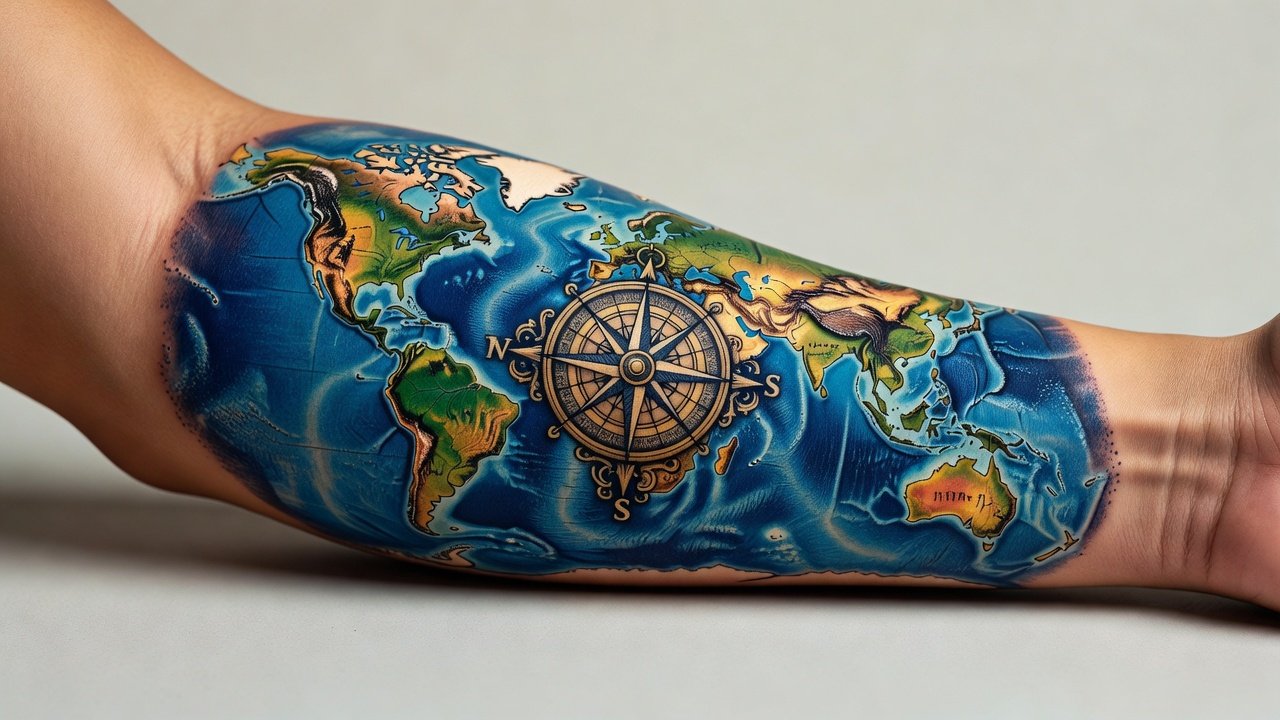
Wanderlust often finds its way under the skin through tattoos that celebrate personal journeys. Map and compass designs stand out as timeless symbols of adventure, direction, and exploration. These travel-inspired tattoos allow individuals to mark milestones, favorite destinations, or the spirit of discovery in a deeply personal way. Whether commemorating a solo backpacking trip across Southeast Asia or a family road trip through the American Southwest, these motifs turn skin into a living atlas of memories and aspirations. In 2026, the demand for such designs continues to rise as more people seek tattoos that reflect not just aesthetics but profound life narratives.
The Symbolic Power of Maps and Compasses in Tattoos
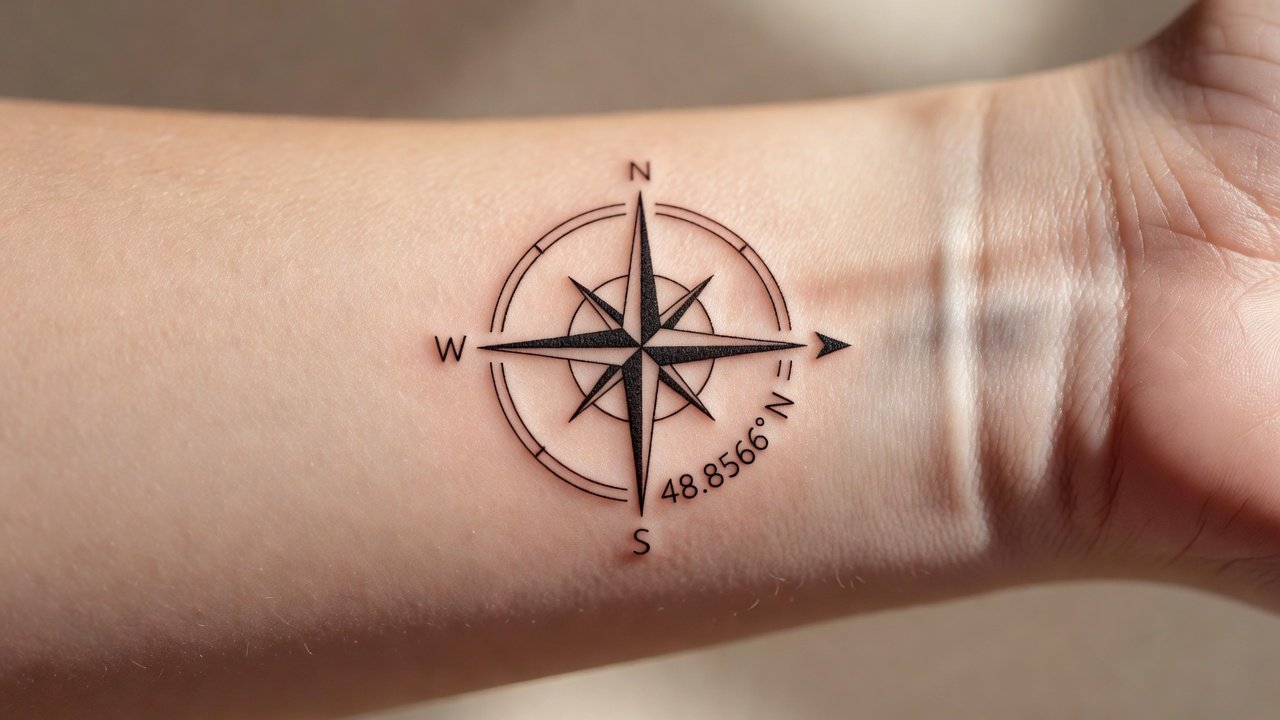
Maps represent life's journeys, memories of places visited, and the vastness of the world waiting to be explored. A compass adds layers of meaning, symbolizing guidance, finding one's true north, and staying oriented amid uncertainty. Together, they create designs that resonate with travelers who view life as an ongoing expedition. For instance, a map of Europe might highlight the route of a transformative study-abroad experience, while a compass needle pointing toward a specific star could signify resilience during challenging times. Many people incorporate specific elements like latitude and longitude coordinates of meaningful locations or dates of life-changing trips. This personalization transforms the tattoo into a private map of one's story, blending visual artistry with emotional depth. Cultural references from ancient cartography to modern GPS icons further enrich these symbols, making each piece unique to the wearer.
Popular Placements for Travel Tattoos
Placement plays a crucial role in both visibility and personal significance. Wrists offer a subtle yet constant reminder, ideal for minimalist designs that peek out from sleeves during daily activities. Ribs provide a larger canvas for detailed world maps, though the area tends to be more sensitive during the process and requires careful consideration of clothing and movement. Other favored spots include the forearm for balanced visibility that allows easy display or concealment, the back for expansive compass roses that can incorporate surrounding elements like mountains or oceans, and the ankle for delicate line work that nods to constant movement and exploration. The collarbone area works well for smaller, intimate designs that feel like a personal secret. Consider lifestyle factors such as professional dress codes, sun exposure, and how the tattoo might stretch with age or weight changes when choosing locations. Each placement influences not only the design scale but also the healing process and long-term appearance.
Minimalist Line Art vs. Detailed Realism
Minimalist line art has surged in popularity for its clean aesthetic and versatility. Simple outline maps or single-needle compasses deliver elegance without overwhelming detail. These suit smaller placements and age gracefully with less ink saturation, making them low-maintenance options for first-time tattoo clients. In contrast, detailed realism brings continents to life with shading, topography, and even watercolor effects. This style excels on larger body areas and captures intricate landmarks like the Eiffel Tower or Machu Picchu alongside maps, creating immersive scenes that reward close inspection. The choice depends on personal taste, pain tolerance for longer sessions, and how the design will evolve over time. Hybrid approaches, such as line work with selective color accents, offer the best of both worlds for those seeking balance.
2026 Trends in Map and Compass Tattoos
Emerging trends blend traditional elements with modern twists. Expect more geometric integrations where maps morph into mandalas or combine with celestial motifs for a cosmic wanderlust feel. Dotwork techniques create textured depth in compasses, while negative space highlights coastlines and creates visual interest without heavy shading. Personalization through AR-ready designs or those incorporating travel quotes in fine script continues to grow, allowing tattoos to interact with technology in new ways. Artists are also experimenting with eco-friendly inks and sustainable practices, aligning with conscious travel values and environmental awareness among globetrotters. Other popular evolutions include 3D effects that make compasses appear to lift off the skin and collaborations with indigenous map styles for culturally respectful representations.
Practical Steps for Collaborating with Tattoo Artists
- Research artists specializing in travel or illustrative styles via portfolios on reputable platforms, paying close attention to healed examples of map work to gauge longevity.
- Prepare reference images of maps, compasses, and landmarks that inspire you, along with mood boards showing desired mood and color palettes.
- Schedule a consultation to discuss scale, placement, and symbolic additions like coordinates, ensuring the artist understands your personal story behind the design.
- Review multiple sketches and request adjustments for perfect alignment with your vision, focusing on flow, proportion, and how elements interact with body contours.
- Book the session and follow aftercare instructions diligently for optimal healing, including moisturizing routines and avoiding sun exposure during the initial weeks.
Tips for Incorporating Coordinates or Dates
Choose coordinates that mark birthplaces, proposal spots, or summit achievements to embed layers of meaning. Dates can be rendered in Roman numerals or subtle script beneath a compass needle. Ensure the font complements the overall design rather than competing with it. Test layouts on paper first to visualize flow and consider micro-details like tiny airplane icons or trail markers that enhance the travel theme without cluttering the composition.
Common Mistakes to Avoid
- Selecting overly complex designs for small placements, which can blur over time and lose detail.
- Ignoring skin type and movement when finalizing placement, leading to distorted images years later.
- Skipping thorough artist consultations, resulting in mismatched expectations about style or symbolism.
- Overloading the design with too many elements like excessive text or unrelated icons that dilute the core map and compass focus.
Aftercare and Longevity Considerations
Proper aftercare ensures the tattoo remains vibrant. Clean the area gently with unscented soap, apply recommended balms, and protect from direct sunlight. Regular touch-ups every five to seven years help maintain fine lines in detailed maps. Factors like hydration, nutrition, and avoiding harsh chemicals contribute to ink retention across decades of adventures.
FAQ: Addressing Common Concerns
How painful are map and compass tattoos?
Pain varies by placement. Bony areas like wrists or ribs rank higher on discomfort scales, while fleshy spots like the upper arm feel more tolerable. Sessions typically last 1-3 hours depending on complexity, with breaks available for larger pieces.
How long do these tattoos last?
With proper aftercare and sun protection, high-quality ink holds vibrancy for decades. Touch-ups every 5-10 years maintain crisp lines in detailed pieces, ensuring the design ages gracefully alongside the wearer.
Can these tattoos incorporate multiple destinations?
Yes, many clients combine several maps or overlay routes from different trips into one cohesive piece, creating a comprehensive travel diary on the skin.
Conclusion
Map and compass tattoos offer profound ways to honor your adventures. By blending symbolism, strategic placement, and current trends, these designs become lasting testaments to a life well-traveled. Consult skilled artists to bring your unique vision to life and carry your journeys wherever you go. For broader travel inspiration, explore resources from National Geographic, Britannica, and The Metropolitan Museum of Art.
No comments yet. Be the first!