 Inked Mythos
Unlocking Dream-Inspired Tattoo Ideas for 2026
Many people seek tattoo ideas that go beyond trends, drawing from the subconscious world of dreams. Dream-inspired ink ideas offer deeply personal designs that capture emotions, symbols, and narratives from sleep. This approach turns abstract visions into wearable art that resonates long-term. Whether your dreams feature floating landscapes or recurring animals, these tattoo ideas help translate them authentically. In 2026, more individuals are turning to their inner dream worlds for inspiration, creating pieces that feel timeless and uniquely theirs. The growing interest in personalized ink stems from a desire for tattoos that tell stories rather than simply decorate the skin.
Analyzing Recurring Dream Symbols, Colors, and Emotions
Start by journaling dreams immediately upon waking. Note symbols like staircases, water, or animals alongside dominant colors and feelings such as joy or unease. These elements form the foundation of your tattoo ideas. For instance, a dream of endless oceans in calming blues might represent freedom, while fiery reds could signify passion or conflict. Cross-reference symbols with psychological insights from sources like the American Psychological Association to add layers of meaning. Pay attention to how colors shift across multiple dreams and the emotional tone that lingers after waking. Recurring themes often point to unresolved thoughts or aspirations, making them ideal candidates for meaningful ink ideas.
Practical Steps for Symbol Interpretation
- Record three dreams over a week and highlight overlaps in symbols or emotions.
- Assign personal significance rather than relying solely on generic dream dictionaries.
- Consider cultural contexts if symbols tie to heritage or family stories.
- Map emotional intensity on a scale to prioritize which elements deserve focus in the final design.
- Identify any narrative arcs, such as transformation or escape, that can guide the tattoo's composition.
This detailed analysis ensures your tattoo ideas remain faithful to the original vision while gaining depth and clarity.
Sketching Techniques to Visualize Ink Ideas
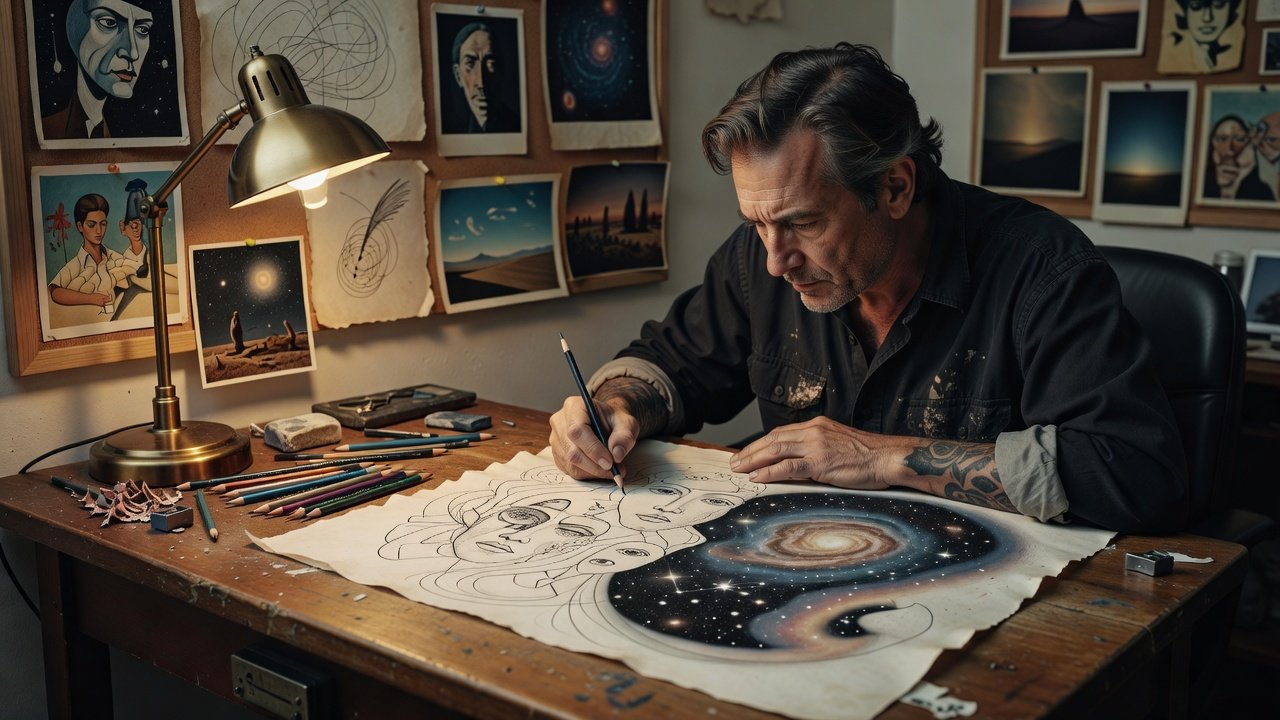
Once symbols are identified, sketch rough concepts. Use pencil for fluidity, layering elements like merging a clock with clouds to represent time's fluidity. Experiment with composition by rotating elements or adjusting scale. Digital tools can refine lines, but hand sketches preserve the organic feel of dreams. This stage refines tattoo ideas before professional input. Try thumbnail sketches first to explore multiple angles, then develop one or two favorites into larger studies. Incorporate negative space deliberately to mirror the airy quality often found in dream sequences. Adding subtle shading experiments helps test how light and shadow might interact on skin.
Collaborating with Tattoo Artists
Share your sketches and dream notes with artists experienced in custom work. Discuss how to blend surreal elements, such as distorted perspectives, with realistic details like lifelike textures. Artists can suggest placements that enhance flow and movement with the body. Effective collaboration ensures the final design captures the dream's essence while remaining technically sound for skin application. Prepare by bringing mood boards, color references, and written descriptions of the emotions involved. Many artists recommend multiple consultations to iterate on concepts. Look for artists via portfolios on reputable platforms and prepare references from your journal. This partnership elevates basic tattoo ideas into exceptional ink ideas that stand the test of time.
Step-by-Step Examples of Converting Abstract Visions
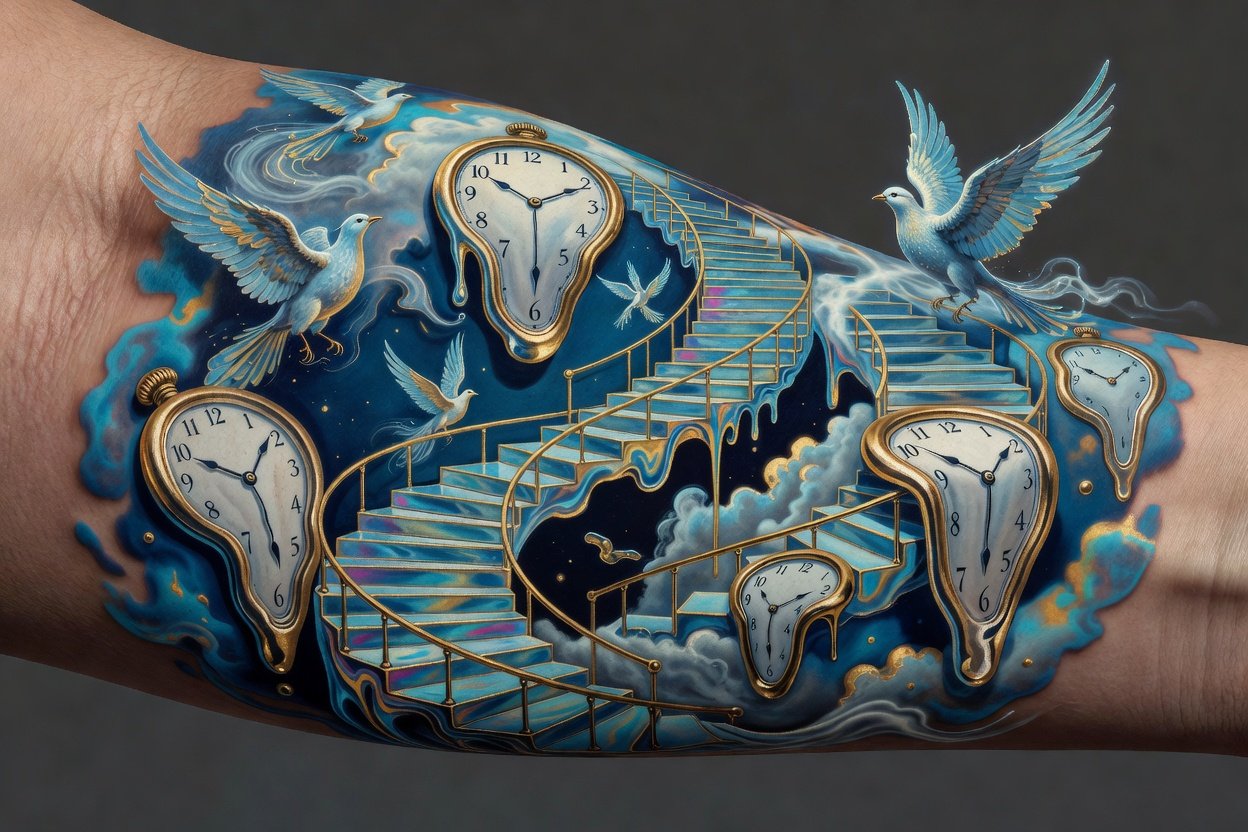
Consider a dream of ascending floating stairs amid stars. Step 1: Isolate symbols—stairs for progress, stars for aspiration. Step 2: Sketch stairs spiraling upward with ethereal glows and soft edges. Step 3: Add realistic shading to steps while keeping starry backgrounds surreal and slightly blurred. Step 4: Collaborate to integrate subtle personal elements like initials hidden in constellation patterns. The result is a tattoo idea that feels both otherworldly and grounded. Another example involves emotional dream faces morphing into landscapes. Begin with emotion mapping, then layer realistic facial details over abstract terrain using fine line work for transitions. A third case might feature a recurring bird transforming into smoke; start by drawing the bird in motion, then gradually dissolve its form into swirling patterns that evoke freedom and impermanence. Each example demonstrates how breaking the vision into manageable stages produces cohesive, wearable art.
Minimalist Versus Detailed Approaches
Minimalist tattoo ideas use clean lines and negative space for subtle symbols, ideal for small placements and quicker healing. They suit simple recurring motifs like a single feather or lone doorway. Detailed approaches incorporate shading, color gradients, and intricate backgrounds, better for complex dream scenes but requiring more sessions and aftercare. Compare both approaches carefully: minimalist offers timeless elegance and lower maintenance, while detailed versions deliver immersive storytelling with greater visual impact. Consider factors such as lifestyle, pain tolerance, and how the tattoo will age. Many clients start minimalist and later add detail in follow-up sessions for a layered effect.
Common Mistakes to Avoid When Creating Dream Tattoos
Rushing the design process without sufficient journaling leads to generic results. Overloading a single piece with too many symbols can dilute impact. Ignoring skin texture and body movement often results in distorted final appearances. Always test color palettes on paper first and discuss longevity with your artist. Avoiding these pitfalls ensures stronger tattoo ideas that retain their dreamlike quality for years.
Aftercare Practices for Lasting Ink Ideas
Proper aftercare protects the integrity of surreal details and colors. Follow artist instructions on cleaning and moisturizing. Protect new ink from direct sunlight and use recommended products. Regular touch-ups may be needed for vibrant dream scenes, especially those using lighter hues. Resources such as guidance from the U.S. Food and Drug Administration help inform safe practices around tattoo inks and healing.
FAQ on Placement and Longevity
Where should dream-inspired tattoos be placed?
Placement affects visibility and movement. Ribs or forearms suit flowing designs, while ankles work for compact symbols. Consider how the body changes over time to preserve the tattoo's integrity and consult your artist for personalized recommendations.
How long do these tattoos last?
With proper care, dream-inspired ink ideas remain vibrant for decades. Sun protection and consistent moisturizing are essential. Fading occurs faster in high-friction areas, so discuss touch-up options during initial consultation.
Do colors affect longevity?
Bold blacks and deep blues tend to age better than light pastels. Artists can advise on ink choices that maintain dream-like vibrancy across different skin tones.
What if my dream evolves over time?
Designs can be adapted in future sessions. Many people add elements or adjust existing work to reflect new dream insights, keeping the piece dynamic and relevant.
Conclusion: Making Your Dream Visions Last
Dream-inspired tattoo ideas bridge the subconscious with tangible art. By analyzing symbols, sketching thoughtfully, and collaborating closely, you create ink ideas that evolve with you. Whether minimalist or detailed, these designs offer profound personal connection. Explore your dreams today and turn them into meaningful 2026 ink that tells your unique story for years to come.

No comments yet. Be the first!