 Inked Mythos
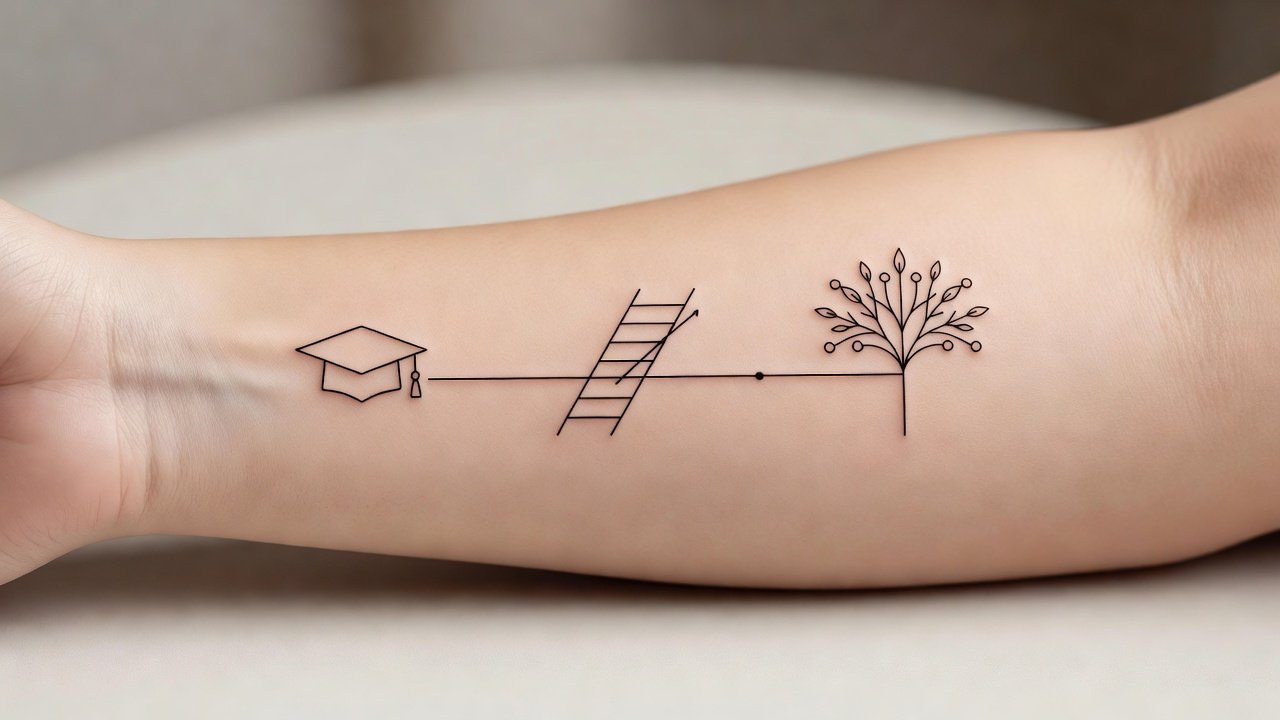
Introduction to Storytelling Tattoos in 2026
Storytelling tattoos have evolved into powerful visual narratives that map out life milestones, transforming skin into a personal timeline. In 2026, this trend emphasizes timeline-based designs that capture career shifts, family events, and personal growth through thoughtful symbols and abstract elements. These tattoos go beyond decoration, offering a way to honor key chapters while blending personal meaning with modern ink aesthetics. Readers seeking inspiration often want designs that feel authentic yet visually compelling, allowing for flexibility as life continues to unfold. This approach creates tattoos that grow with the wearer, turning the body into an evolving canvas of experiences.
Many individuals turn to these designs after major transitions, such as changing careers or expanding their families. The result is a tattoo that tells a cohesive story rather than isolated images, fostering a deeper sense of identity and reflection each time it is viewed.
Understanding Timeline-Based Designs
Timeline tattoos chronicle personal stories by sequencing events in a deliberate order. Whether marking a career pivot from corporate life to entrepreneurship or celebrating the birth of a child, these designs use elements like dates, icons, or abstract shapes to represent chapters. The focus remains on emotional resonance, ensuring each symbol evokes specific memories without overwhelming the viewer. Practical steps begin with reflecting on your milestones by listing five to seven key events and identifying recurring themes such as resilience, connection, or adventure. This foundation helps narrow symbols that feel cohesive rather than scattered across the skin.
Further consideration involves the passage of time itself. Designs can incorporate subtle progressions, such as fading elements for past events and bolder lines for recent ones, creating visual depth that mirrors emotional weight. Understanding these foundations prevents designs from becoming cluttered and ensures the tattoo remains readable years later.
Selecting Symbols and Abstract Elements
Choosing the right symbols requires balancing literal and abstract representations. For a career shift, consider a mountain peak for achievement paired with an abstract arrow indicating forward momentum. Family events might use interconnected circles or tree roots to symbolize bonds that strengthen over generations. Start by researching cultural or personal meanings behind potential icons through trusted references. Avoid overcrowding; minimalist line work often conveys more depth than dense details. Test ideas by sketching rough concepts or using temporary tattoos to visualize flow before committing to ink.
Additional tips include layering meanings within single elements. A single wave could represent both a move across the country and emotional waves navigated during that period. Consulting personal journals or photos from those milestones can spark authentic ideas that feel uniquely yours rather than generic.
Linear Versus Circular Layouts for Visual Flow
Layout choice dramatically impacts readability and storytelling impact. Linear designs run along limbs or the spine, creating a clear chronological path from start to present. They suit straightforward narratives and allow easy extension as new milestones occur. Circular layouts, by contrast, emphasize cycles and continuity, ideal for themes of renewal like recovery or recurring family traditions. These wrap around arms or torsos, fostering a sense of wholeness. Compare both by considering body movement—linear flows better on straight surfaces, while circular adapts to curves. Many opt for hybrid approaches, starting linear and curving into a circle at the end to represent ongoing life journeys.
- Linear pros: Easy to read left to right, simple to extend, works on forearms or calves.
- Linear cons: Can feel rigid if too many events are added without spacing.
- Circular pros: Represents life cycles, creates balanced composition, suits shoulders or ribs.
- Circular cons: Harder to expand without breaking the loop symmetry.
Testing mockups on your actual body helps decide which layout aligns best with your story and lifestyle.
Real-World Examples of Minimalist Versus Detailed Narrative Tattoos
Minimalist examples often feature thin lines and negative space. One person chronicled five milestones with simple geometric shapes: a dot for birth, a line for education, an open square for a new home, a rising graph for career growth, and a heart for partnership. The result feels elegant and timeless, allowing the viewer to interpret details personally. Another minimalist design used only dates in Roman numerals along the inner wrist, connected by faint dotted lines that suggest progression without clutter.
Detailed narrative tattoos incorporate shading, color gradients, and micro-details. A traveler might include a world map outline with tiny flags marking moves, plus subtle portraits of loved ones integrated into landscapes. These demand skilled artists and more sessions but deliver rich storytelling that rewards close inspection. Placement recommendations prioritize areas with stable skin and good visibility. Forearms and calves work well for linear timelines due to length and low distortion over time. Ribs or upper backs suit circular designs for privacy and natural flow with body contours. Always consider future weight changes or sun exposure when finalizing location.

Artist Collaboration Tips
Successful storytelling tattoos hinge on strong artist partnerships. Prepare a mood board with photos, sketches, and references from your life events. Discuss scaling potential upfront so the design accommodates future additions without crowding. Communicate emotional intent clearly by sharing stories behind each milestone during consultations. Reputable artists will suggest refinements for technical feasibility, such as line thickness for longevity. Review portfolios for similar narrative work and request multiple consultations to align visions before any needle touches skin. Bringing reference images from established art movements or nature can also inspire unique interpretations that enhance your personal timeline.
Common Mistakes to Avoid
One frequent error is rushing symbol selection without considering how elements interact visually over time. Another involves choosing trendy motifs that lose personal meaning quickly. Overloading a small area leads to muddled details as the tattoo ages. Always plan for negative space and consult professionals early to prevent these issues.
FAQs on Scaling Designs and Emotional Resonance
- How can I scale my tattoo over time? Begin with core milestones and leave negative space or connectors for expansions. Revisit the same artist for consistency in style and technique.
- What ensures emotional resonance? Choose symbols tied to personal memories rather than trends. Incorporate private elements like coordinates or initials visible only to you and close family.
- Are there risks with timeline tattoos? Skin changes can alter appearance, so select flexible designs. Follow aftercare from sources like the CDC.
- How do I maintain meaning as life evolves? Review the tattoo periodically and add layers that reflect new chapters without altering originals, preserving the integrity of earlier sections.
- Should I include specific dates or keep it symbolic? Dates add precision but may date the design stylistically; many prefer abstract markers for timeless appeal.
- What if my story includes difficult periods? Abstract representations such as storms turning to clear skies allow honest storytelling while maintaining positive overall flow.
Conclusion
Storytelling tattoos offer a profound way to map life milestones into lasting 2026 ink. By thoughtfully selecting symbols, comparing layouts, and collaborating closely with artists, you create designs that remain meaningful for decades. Explore placements and examples to find what resonates, then embark on this personal journey with intention. For further guidance on safe practices, consult resources like the Mayo Clinic and WHO.

No comments yet. Be the first!