 Inked Mythos
Introduction to Linework Tattoos in 2026
Linework tattoos represent a refined minimalist approach that continues to gain traction for those seeking subtle, timeless body art. These designs rely on precise, continuous lines without heavy shading or color fills, creating elegant silhouettes that age gracefully. In 2026, the focus remains on clean execution that complements personal style rather than overwhelming it. Readers searching for linework tattoo ideas often prioritize versatility across placements and motifs. This style suits first-time clients and seasoned collectors alike due to its adaptability and lower visual intensity compared to bolder traditions. The appeal lies in its ability to convey deep meaning through simplicity, making it ideal for anyone wanting ink that feels personal yet understated. As tattoo culture evolves, linework stands out for its compatibility with various skin tones and body movements, ensuring the design remains crisp for years.
Understanding Clean Single-Line Styles
Single-line linework uses one unbroken stroke to form complete images. Artists achieve this through steady hand control and fine needles, producing fluid curves that evoke movement. The technique demands high precision to avoid wobbles that become noticeable over time. Variations include geometric linework with intersecting angles and organic flowing lines that mimic natural forms. Both deliver sophisticated results when placed thoughtfully on the body. Many enthusiasts appreciate how single-line styles reduce session time while still allowing intricate storytelling through shape and proportion. Advanced artists often combine micro-details within the line itself, such as slight variations in thickness, to add depth without breaking the minimalist rule.
Popular Placements for Minimal Linework
Collarbones offer a delicate canvas where lines follow natural bone structure for subtle emphasis. Forearms provide more surface area for elongated motifs while remaining easy to conceal. Ribs and ankles also work well for smaller pieces that stay private or peek out seasonally. Placement choice affects both visibility and healing, as areas with less movement and fat tend to hold fine lines better. Other favored spots include the nape of the neck for discreet designs, the inner wrist for daily reminders, and behind the ear for intimate symbols. Each location interacts differently with clothing and lifestyle, so considering daily activities helps narrow options effectively.
Motif Variations: Botanical to Abstract
Botanical linework features single-line leaves, stems, and flowers that capture essence without detail overload. Abstract options translate personal symbols into geometric or fluid shapes. Animal outlines, celestial elements, and architectural forms round out popular choices for 2026. These motifs allow customization while maintaining the minimalist aesthetic that defines the style. Botanical themes often resonate with those seeking connections to growth and nature, while abstract patterns appeal to individuals drawn to modern interpretations of emotions or experiences. Experimenting with scale allows the same motif to shift from bold statement to whisper-quiet accent depending on placement.
Six Real-World Design Examples and Their meanings
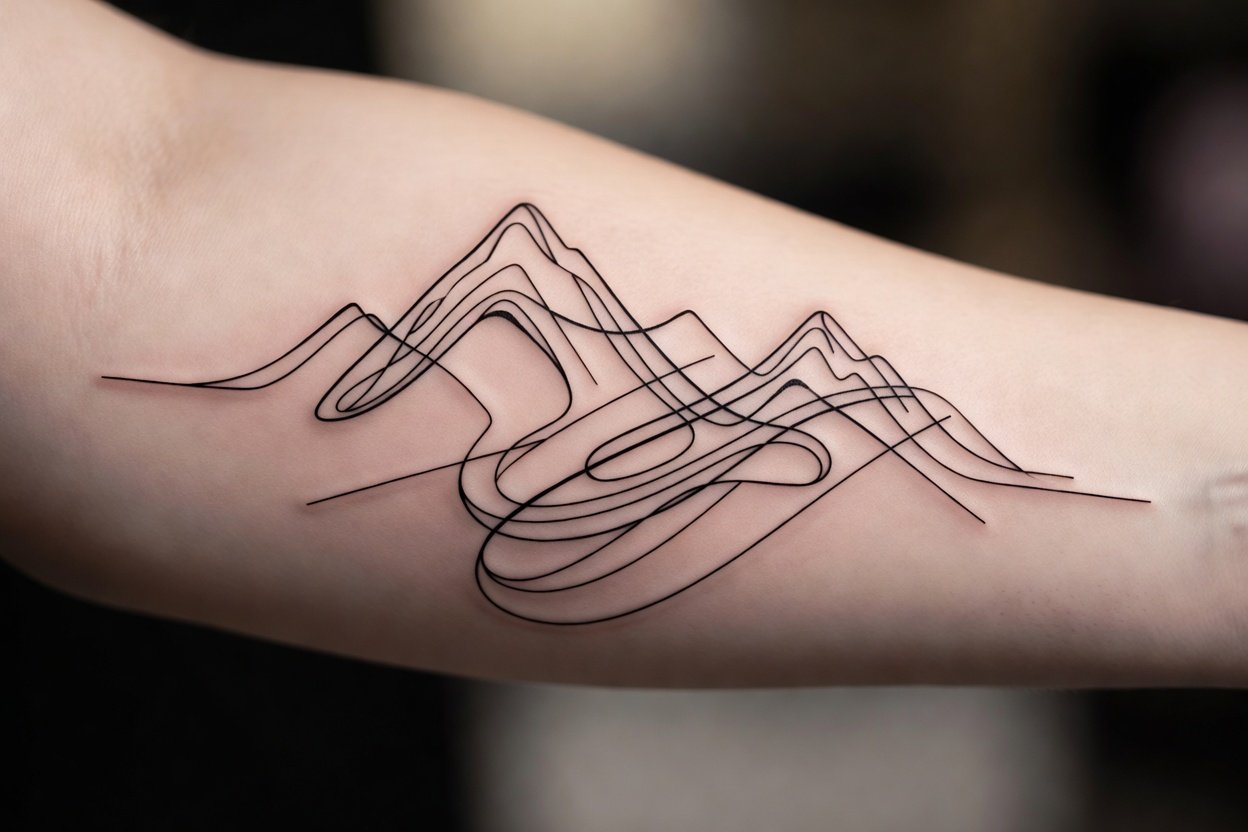
- Single-line mountain range on the forearm: Represents resilience and life journeys, with peaks symbolizing challenges overcome and valleys indicating periods of reflection.
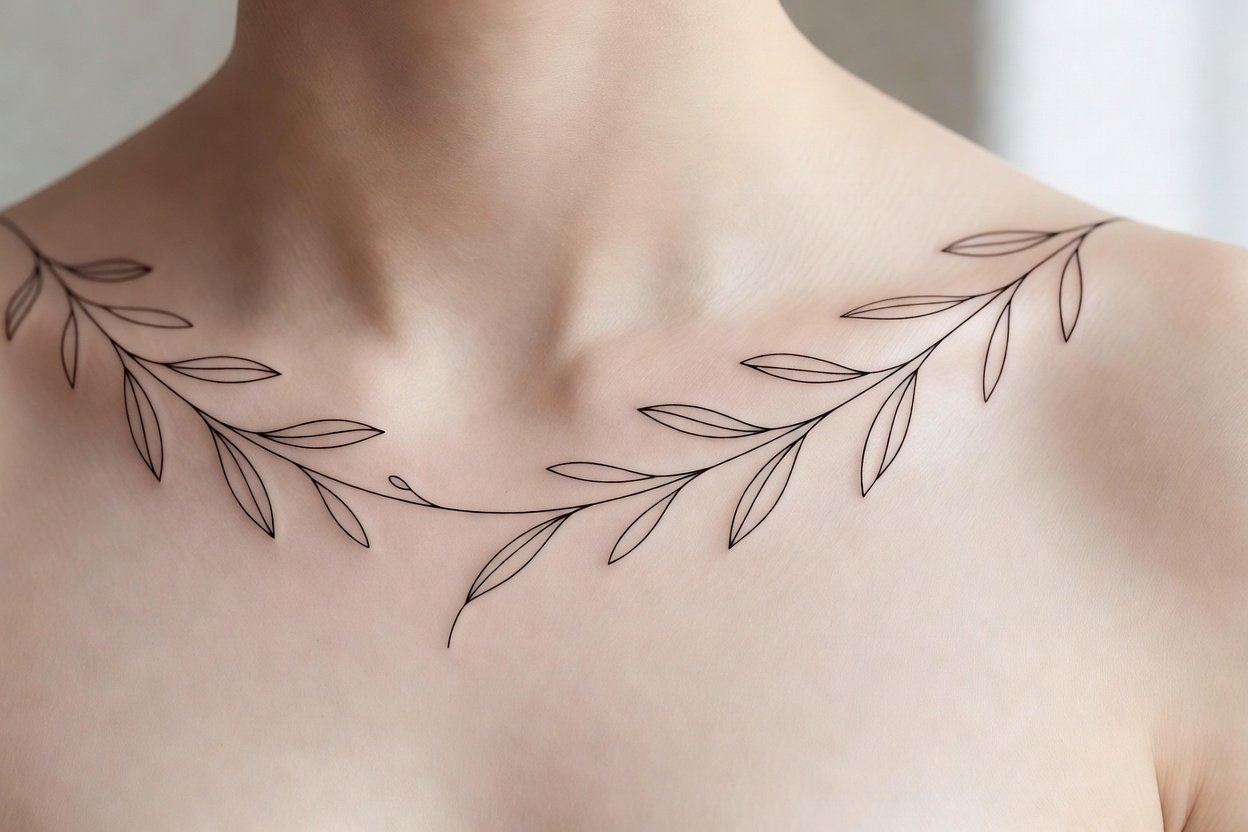
- Continuous botanical vine wrapping the collarbone: Symbolizes growth and connection to nature, often chosen by those marking personal milestones or family bonds.
- Abstract wave pattern on the ankle: Evokes calm and adaptability, serving as a reminder during turbulent times in life.
- Minimalist bird silhouette on the ribcage: Stands for freedom and new beginnings, popular among people starting fresh chapters.
- Geometric constellation on the inner forearm: Reflects personal stars or loved ones, creating a celestial map unique to the wearer.
- Flowing single-line leaf cluster behind the ear: Denotes renewal and quiet strength, ideal for subtle daily inspiration.
Each example uses negative space effectively to enhance impact without added ink, allowing the design to breathe and integrate naturally with the body.
Linework Compared to Dotwork and Watercolor
Dotwork builds images through stippled dots, creating texture and shading that linework deliberately avoids. Watercolor relies on soft color blends for painterly effects, often requiring more sessions and touch-ups. Linework stands out for its speed of application and crisp longevity when executed by skilled hands. Those preferring sharp definition over diffused looks gravitate toward linework. Dotwork can offer more shading versatility but demands greater patience during application, while watercolor introduces color complexity that may fade differently over time. Understanding these differences helps clients align their vision with the right technique for lasting satisfaction.
Selecting the Right Artist and Preparing Your Skin
Research portfolios for consistent fine-line work and healed examples. Consultations should cover needle choices and aftercare protocols. Prepare skin by moisturizing daily for weeks prior and avoiding sun exposure. Hydrated skin accepts ink more evenly and reduces irritation risks. Look for artists who specialize in linework by reviewing their Instagram or studio websites for recent healed photos. Ask specific questions about their experience with your chosen motif and placement, sterilization practices, and expected healing timelines. Red flags include inconsistent line quality in portfolios or reluctance to discuss aftercare. Preparing skin involves a multi-week routine of gentle exfoliation and heavy moisturization, plus staying well-hydrated internally. Avoid alcohol and certain medications that thin blood in the days before your appointment to minimize bleeding and improve line clarity.
Customizing Linework Ideas at Home
Start with simple sketches using reference photos of motifs you admire. Trace continuous lines on paper to practice flow. Share these with your artist for refinement, ensuring proportions suit your chosen placement. Digital apps can help visualize scale before committing. Take time to journal about the meaning behind each element so the final design feels authentic. Experiment with different line weights on tracing paper to see how thickness affects the overall mood. This preparatory work strengthens communication with your artist and leads to a more personalized outcome.
Ensuring Longevity of Your Linework Tattoo
Fine lines benefit from consistent sunscreen use and quality moisturizers post-healing. Avoid weight fluctuations that stretch skin. Regular touch-ups every few years maintain crispness, though well-placed linework often holds detail longer than expected. Lifestyle factors such as frequent swimming or intense workouts may accelerate fading in certain areas, so protective measures like clothing barriers become important. Annual check-ins with your artist can catch early signs of blurring before they become noticeable.
Frequently Asked Questions
How painful are linework tattoos?
Pain levels vary by placement and individual tolerance, with bony areas like collarbones feeling sharper. Sessions are often shorter than detailed styles, reducing overall discomfort. Many clients describe the sensation as a steady scratching rather than intense burning, and topical numbing options can be discussed beforehand.
What does the healing process involve?
Initial healing takes 2-4 weeks with proper washing and moisturizing. Lines may appear slightly raised initially before settling flat. During this period, avoid picking at scabs and monitor for signs of infection, following guidance from sources like the Centers for Disease Control and Prevention.
What aftercare steps promote best results?
Follow your artist's instructions, typically involving gentle cleansing and unscented lotion. Resources from American Academy of Dermatology provide general skin healing guidance. Stay hydrated and protect from sun during recovery. Additional support can come from consulting Mayo Clinic materials on tattoo aftercare for comprehensive skin health tips.
Can linework tattoos be covered or removed later?
Coverage depends on size and placement; laser removal works on fine lines but requires multiple sessions. Discuss long-term plans during consultation to ensure the design aligns with future goals.
Mistakes to Avoid with Linework Tattoos
Common errors include choosing overly intricate motifs that lose clarity at small scales and neglecting to view healed examples from the artist. Another pitfall is selecting placements prone to stretching without considering future body changes. Always verify studio hygiene standards and avoid rushing the design process, as thoughtful customization yields the most satisfying results.
Conclusion
Linework tattoo ideas deliver elegant minimalism perfect for 2026, blending personal meaning with clean aesthetics. Thoughtful placement, motif selection, and artist collaboration ensure satisfying results that endure. Explore these concepts to find designs that resonate quietly yet powerfully, creating body art that feels both contemporary and timeless.

No comments yet. Be the first!