 Inked Mythos
Introduction to Storytelling Tattoos
Storytelling tattoos represent a profound evolution in body art, allowing individuals to embed personal experiences, milestones, and emotional journeys directly into their skin. These designs transcend mere aesthetics by transforming the body into a living narrative canvas. In contrast to traditional symbolic tattoos that often rely on widely recognized icons like hearts or anchors, storytelling ink prioritizes unique life stories through custom symbols, timelines, and abstract representations. As of 2026, this trend continues to rise among those seeking tattoos that grow more meaningful over time, serving as personal archives rather than static decorations.
People choose storytelling tattoos to commemorate everything from career shifts and family bonds to overcoming adversity or exploring cultural heritage. This how-to guide delves deeply into the process, offering concrete strategies for brainstorming, artist collaboration, thoughtful placement, and refinement. By the end, you will have actionable steps to create ink that authentically captures your story while avoiding common design errors.
Brainstorming Techniques for Narrative Designs
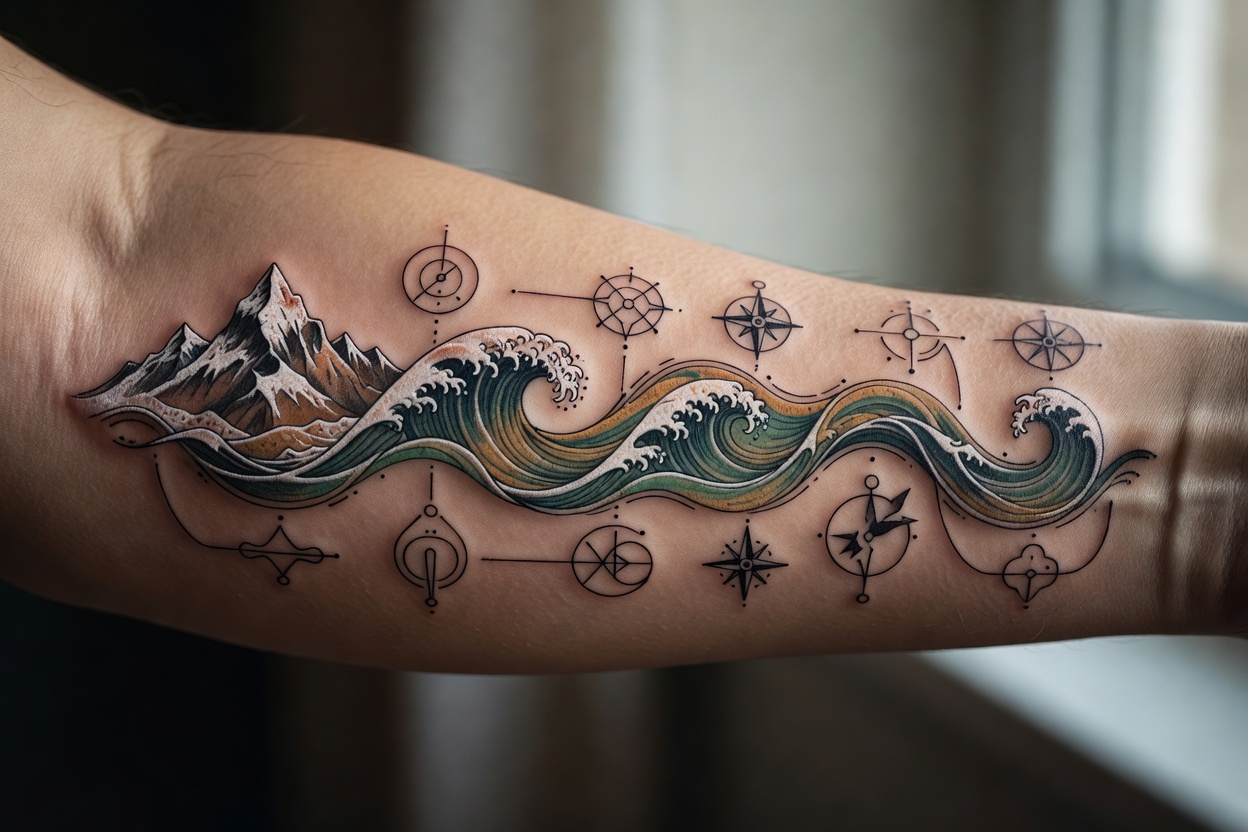
Effective storytelling begins with introspection. Begin by listing significant life events in chronological order or by emotional themes such as resilience, love, or exploration. Pair each event with visual metaphors—for example, a winding river for personal growth or layered mountains for successive achievements. Incorporate timelines as literal paths across the skin, or use abstract elements like shifting geometric forms that evolve from one section to the next to depict transformation.
Advanced techniques include creating mood boards with personal photographs, song lyrics, or written memories. Experiment with hybrid approaches that blend realism and abstraction, such as photorealistic portraits fading into symbolic patterns. Consider cultural motifs only when they hold genuine personal relevance to prevent misappropriation. This stage benefits from multiple iterations; revisit your notes after a few days to refine connections between elements and ensure the overall narrative flows coherently.
Practical Steps to Refine Concepts at Home
- Write a detailed story summary in a dedicated journal, noting colors, emotions, and key symbols for each chapter.
- Sketch initial layouts on paper or digital apps, focusing on how elements connect visually across the body part chosen.
- Research skin-friendly ink behaviors by consulting reputable health resources to understand how different pigments age.
- Print scaled mockups and apply them temporarily to test visibility, flow, and comfort during daily movement.
- Seek feedback from trusted friends while protecting the core personal meaning until you consult a professional artist.
Collaborating with Tattoo Artists
Once your concepts are developed, the next critical phase involves working closely with a tattoo artist experienced in narrative work. Prepare a comprehensive brief including your written story, reference images, and preferred styles such as illustrative line work or subtle watercolor blends. A skilled artist will translate abstract ideas into technically sound designs, suggesting adjustments for better composition or longevity. Discuss how fine details might evolve over decades and prioritize bold outlines where necessary.
Schedule multiple consultations to review progress sketches. Artists can propose creative solutions like incorporating negative space to represent pauses in your story or using color gradients to indicate emotional intensity. Always review portfolios for examples of complex storytelling pieces to ensure stylistic alignment.
Placement Considerations for Narrative Flow
Placement dramatically influences how your story is experienced and preserved. Linear narratives work well along the spine, arms, or legs, allowing sequential reading as the viewer moves around the body. Circular or layered stories suit the chest, back, or ribs, where the design can unfold gradually with movement or clothing shifts. Avoid high-movement areas like elbows or knees for intricate timelines, as distortion can disrupt narrative clarity over time.
Factor in visibility preferences—some prefer private placements for deeply personal tales, while others choose visible locations to invite dialogue. Skin texture and healing properties also vary by area; thicker skin on the back often supports more detailed work. 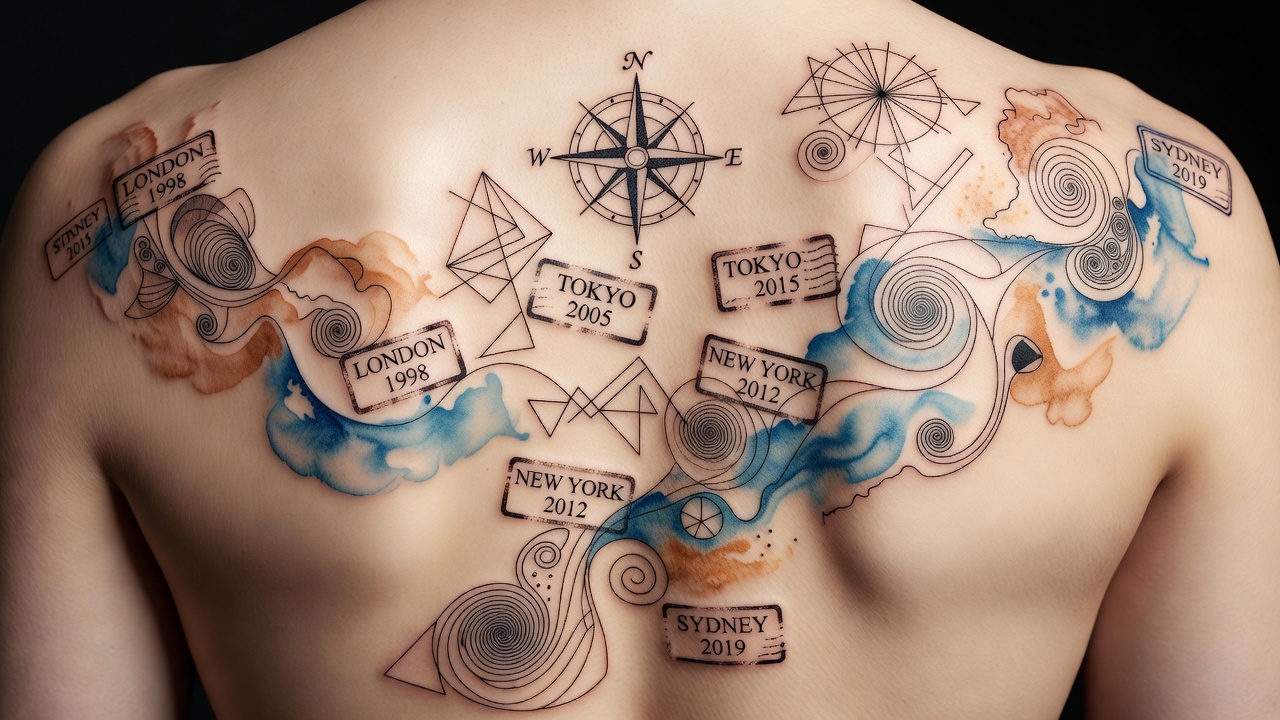
Examples of Story-Driven Ink
Popular examples include journey maps that integrate geographic outlines with personal icons such as airplanes, foreign alphabets, or milestone dates. A traveler might feature a winding path connecting countries, each marked by a unique symbol like a temple for spiritual growth or waves for ocean crossings. Milestone motifs often appear as a series of interconnected trees or lanterns, with each element representing a life stage through added rings, leaves, or light intensity.
Relationship stories can use intertwined vines or abstract human silhouettes that merge and separate to show evolving bonds. Abstract approaches rely on color transitions and fragmented shapes to convey complex emotions without literal representation, offering subtlety and artistic elegance.
Comparing Storytelling Approaches to Traditional Symbolic Tattoos
Traditional symbolic tattoos deliver immediate meaning through established imagery, yet they rarely capture individual nuance. Storytelling designs personalize these foundations by layering timelines, custom motifs, and abstract transitions, resulting in exclusive pieces that evolve in interpretation. This creates tattoos that spark ongoing reflection and conversation, distinguishing them from static symbols that convey a single idea.
2026 Trends and Avoiding Design Pitfalls
Contemporary trends emphasize minimalist line work combined with selective color accents for emotional emphasis. Fine-line illustrative styles remain popular for their versatility in narrative flow. To sidestep pitfalls, avoid overly intricate details that fade quickly, ensure color palettes suit your skin tone for sustained vibrancy, and steer clear of fleeting trends that may lose relevance. Always verify artist experience with storytelling work and plan for potential touch-ups after several years of sun exposure.
Frequently Asked Questions
How long do storytelling tattoos typically last?
With diligent aftercare including moisturizing and sun protection, these tattoos retain clarity for 15 to 20 years or more. Placement and ink quality influence longevity, with touch-ups recommended as needed to maintain sharp narrative details.
What color choices work best for narrative longevity?
Black and gray remain the most durable options for core elements, while muted earth tones or selective primary accents can highlight pivotal story moments without compromising overall fade resistance.
How can common design pitfalls be avoided?
Iterate designs thoroughly before inking, prioritize negative space for breathing room, and consult professionals early. For skin health guidance during the process, refer to trusted sources such as the Mayo Clinic. Tattoo safety protocols are outlined by the Centers for Disease Control and Prevention. Respectful cultural inspiration can be explored through collections at The Metropolitan Museum of Art.
Conclusion
Storytelling tattoos provide a deeply personal way to honor your life journey through thoughtful design. By investing time in brainstorming, artist collaboration, strategic placement, and trend-aware refinement, you create meaningful ink that continues to tell your story for years ahead.

No comments yet. Be the first!