 Inked Mythos

Introduction
In 2026, the demand for personalized tattoos continues to rise as people seek designs that reflect their unique life stories rather than copying popular trends. Ethically sourcing tattoo ideas means drawing inspiration from personal experiences, collaborating with professionals, and using tools responsibly to ensure originality. This approach not only protects intellectual property but also results in meaningful, one-of-a-kind artwork that stands the test of time. Many individuals struggle with finding fresh concepts that feel truly their own, especially when social media floods feeds with repetitive imagery. By focusing on ethical methods, you build a design process that respects artists and creators while delivering tattoos that carry deep personal significance.
Whether you're a first-timer or adding to an existing collection, understanding ethical methods helps you avoid common pitfalls like design theft. This guide dives deep into proven strategies, offering practical steps, detailed examples, and decision-making frameworks to guide your journey toward an original tattoo.
Building Mood Boards from Personal Experiences
Start by creating a mood board rooted in your own memories, travels, or emotions. Collect photos from your phone, sketches of meaningful objects, or notes about pivotal life events. This personal foundation ensures the final tattoo feels authentic and avoids generic imagery found in stock libraries. Consider categorizing your elements into themes such as nature encounters, family milestones, or career achievements to identify recurring motifs that truly represent you.
Use digital tools to organize these elements into a cohesive vision. Focus on color palettes, shapes, and symbols that resonate with you, then refine them through iteration. For instance, if a childhood camping trip stands out, include images of specific flora from that location combined with abstract representations of firelight or star patterns. This method transforms vague feelings into tangible visual references that artists can interpret uniquely.
Consulting Tattoo Artists for Custom Twists
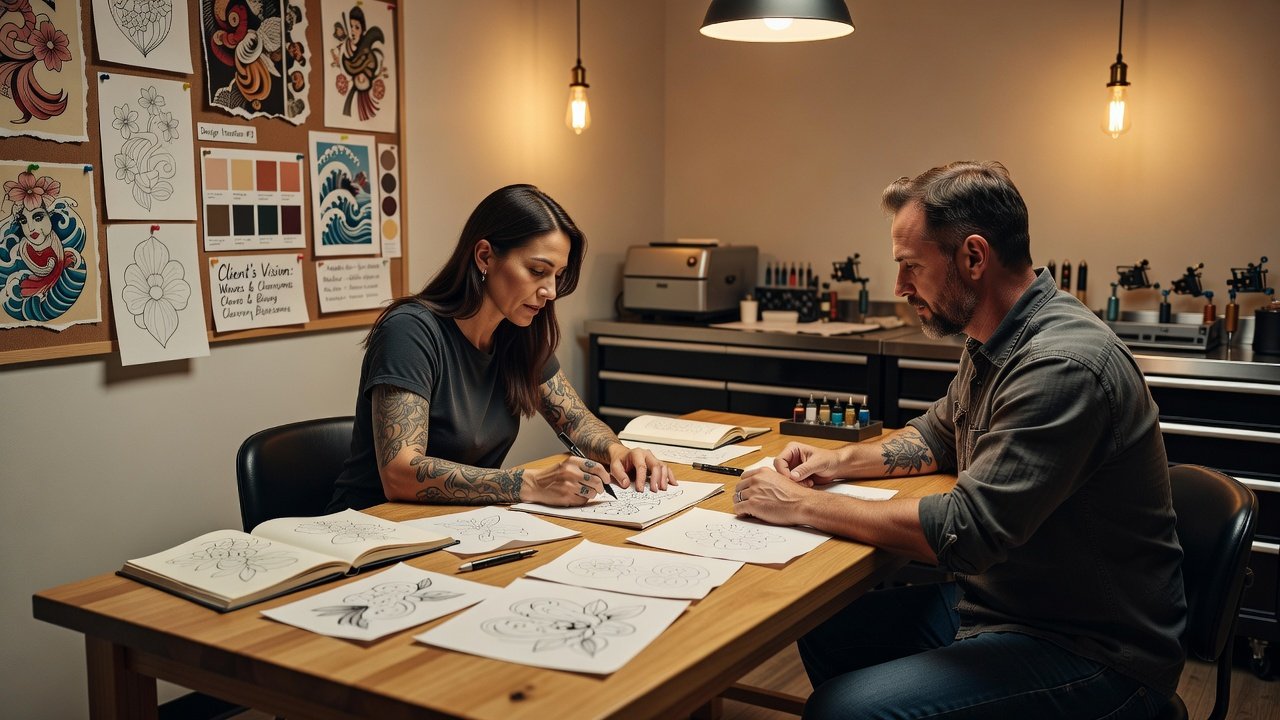
Professional tattoo artists bring expertise in transforming vague concepts into original designs. Schedule consultations early and share your mood board openly. Artists can suggest custom elements like unique line work or cultural motifs adapted respectfully, drawing from their years of experience with diverse client stories. Prepare questions in advance, such as how they handle personalization or their approach to incorporating client-provided references without direct copying.
Many studios now offer virtual sessions via video calls, allowing global access to top talent. This collaboration fosters creativity while ensuring the design remains yours. Discuss placement, sizing, and how the tattoo might evolve with your body over time, creating a partnership that elevates the final result beyond initial ideas.
Digital vs Traditional Inspiration Sources
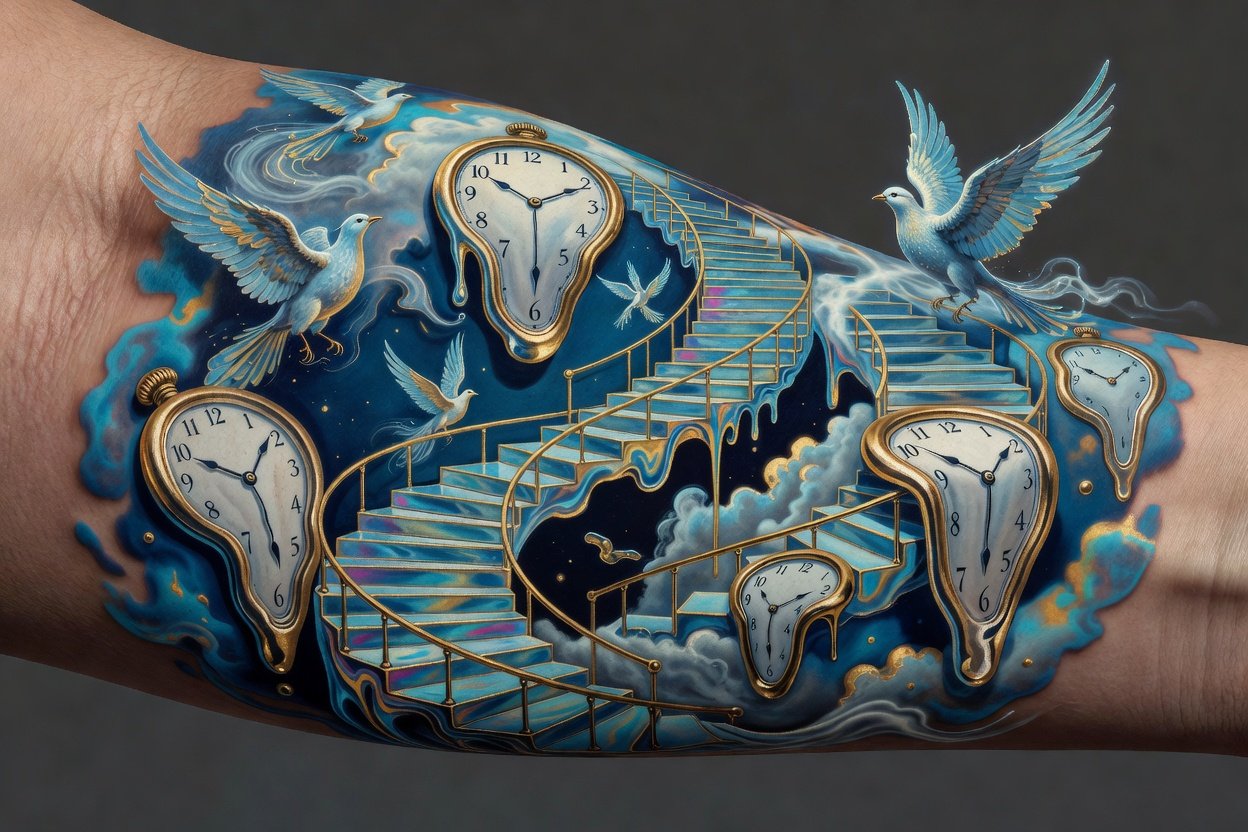
Digital sources include AI generators and online galleries, offering speed and variety for quick brainstorming sessions. Traditional sources involve books, museums, and nature walks, providing tactile depth and unexpected details that digital screens cannot replicate. Combining both yields richer results: use AI to brainstorm then ground ideas in real-world observation to add layers of authenticity.
Traditional methods encourage slower, more reflective thinking, while digital tools accelerate experimentation. For example, visiting a local botanical garden might reveal leaf vein patterns that an AI prompt could never perfectly capture. Balance the two approaches to maximize originality and personal connection.
U.S. Copyright Office offers guidance on protecting original artwork, which applies whether your inspiration comes from digital or physical origins. Similarly, resources from major cultural institutions can help contextualize any borrowed visual elements ethically.
Practical Steps for Developing Ideas
Developing tattoo ideas ethically requires a structured yet flexible process. Follow these expanded steps to move from concept to custom design:
- Reflect on 3-5 personal stories or symbols that hold significance, journaling details like emotions, colors, and textures associated with each memory to build depth.
- Research respectful adaptations of any cultural elements you encounter by consulting primary sources or community guidelines before incorporating them.
- Experiment with AI generators for initial sketches, then modify heavily by adding personal details or combining multiple outputs into something new.
- Share concepts with 2-3 artists for feedback and iterations, allowing time for multiple rounds of revisions to refine uniqueness.
- Test designs on paper or digitally over several weeks, viewing them in different lighting and imagining them on your body from various angles.
- Verify originality by reverse-image searching variations and adjusting any elements that appear too similar to existing works.
- Finalize with your chosen artist, documenting the process through notes and approvals to maintain a clear record of creative ownership.
Each step builds upon the last, creating a thorough pathway that minimizes risks of unintentional copying while maximizing creative output.
5-7 Real-World Examples of Transformed Concepts
Here are detailed examples of how individuals ethically transformed personal concepts into unique tattoos:
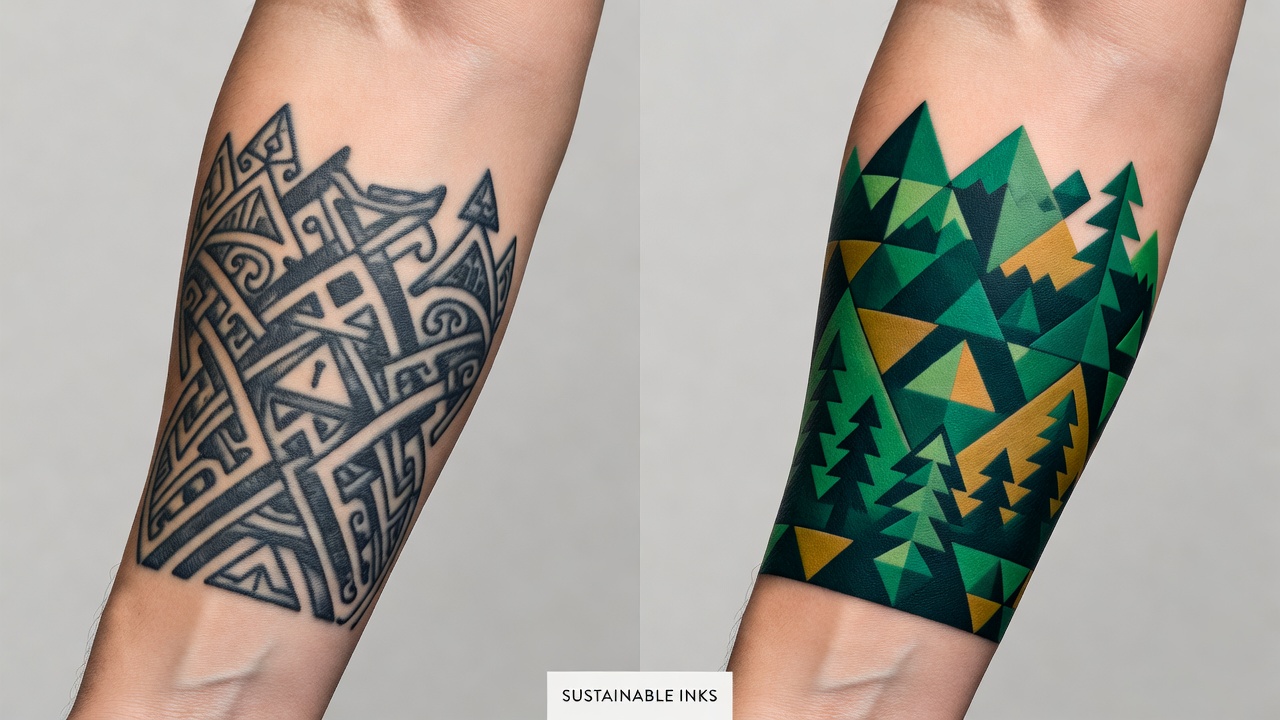
1. A hiker turned a trail map into an abstract mountain range with hidden coordinates of their first summit, incorporating subtle trail markers that only they recognize, resulting in a design that evolves in meaning with each viewing.
2. A musician transformed sheet music into flowing vines wrapping a favorite lyric in custom script, where the notes were altered to form organic shapes representing growth through challenges in their career.
3. A parent converted children's drawings into a stylized family tree with personalized leaf shapes, each leaf featuring faint engravings of birthdates blended into the bark texture for a layered, intimate effect.
4. A traveler reimagined passport stamps as geometric patterns incorporating local flora from visited countries, creating a sleeve that tells a chronological story of adventures without replicating any official designs.
5. A survivor turned medical symbols into a phoenix with subtle scar-covering elements, using negative space and shading techniques that highlight resilience rather than direct medical imagery.
6. An avid reader adapted book spines into a sleeve featuring favorite quotes in illustrated form, where the spines were stylized as interconnected roots symbolizing how stories have shaped their worldview.
7. A gardener created a mandala from pressed flower silhouettes collected over years, arranging them in a radial pattern with added personal symbols like tools or seasonal changes to represent life's cycles.
Mistakes to Avoid When Sourcing Ideas
Common errors include relying too heavily on social media trends without personalization, which leads to similar designs across many people. Another pitfall is skipping the artist consultation phase, resulting in rushed concepts that lack technical feasibility. Always document your inspiration sources to demonstrate originality if questions arise later.
Free vs Paid Resources Comparison
Free options like public domain image libraries and basic AI trials provide starting points but often lack customization depth or high-resolution outputs needed for tattoo stencils. Paid resources, including premium AI subscriptions and artist design fees, deliver higher originality and professional polish through dedicated support and exclusive tools. Weigh your budget against the desire for exclusivity when choosing, focusing on long-term satisfaction rather than initial cost savings.
Frequently Asked Questions
How do I avoid copyright issues with tattoo ideas?
Always create original variations and consult U.S. Copyright Office resources. Never copy existing designs directly, and consider additional guidance from established arts organizations for best practices in creative fields.
Is it ethical to use AI for tattoo inspiration?
Yes, when heavily modified and combined with personal input. Disclose AI use to your artist for further customization, ensuring the final piece reflects human creativity and your unique perspective.
What if my idea resembles someone else's tattoo?
Iterate further with your artist to add unique twists, ensuring the final piece differs significantly through changes in composition, shading, or added personal symbols.
Should I pay for custom designs upfront?
Many artists charge consultation fees; confirm terms before proceeding to protect both parties and establish clear expectations for revisions and ownership.
Ethical sourcing leads to tattoos you'll cherish forever. Start today by documenting your personal inspirations and reaching out to artists who prioritize originality, creating body art that tells your story authentically.
No comments yet. Be the first!