 Inked Mythos
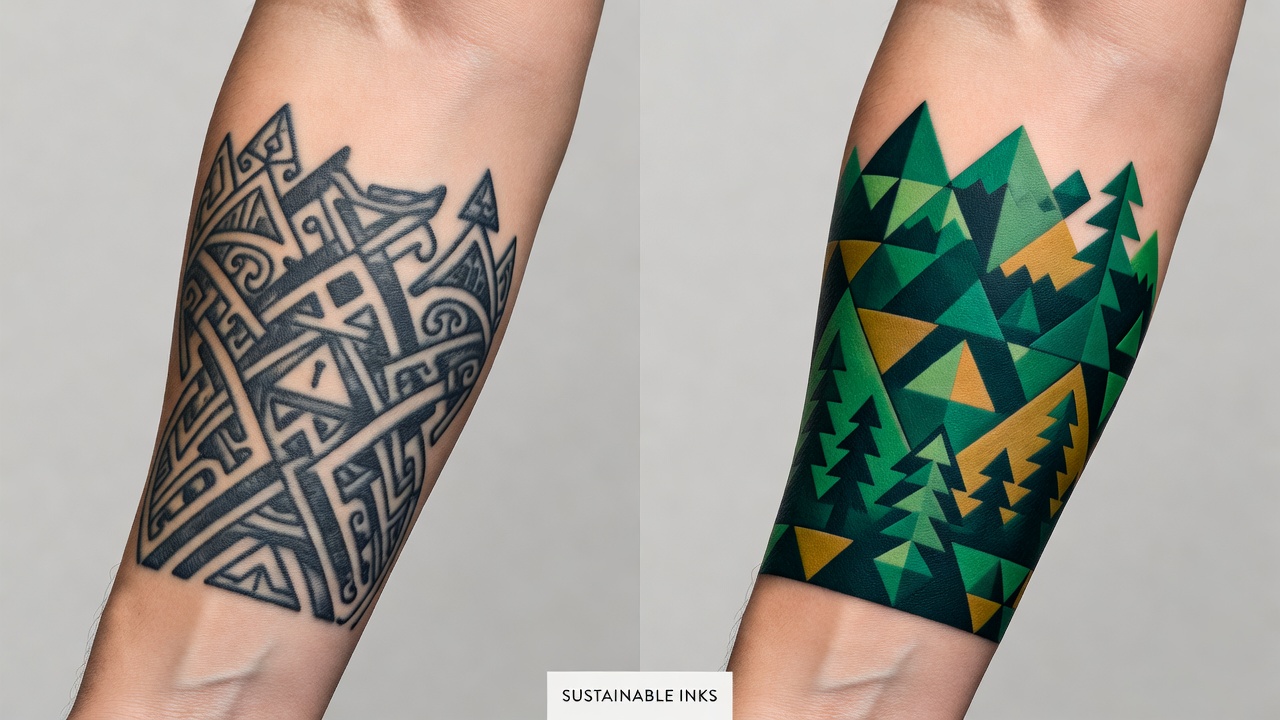
Introduction to Tattoo Cover-Ups in 2026
Outdated or regretted tattoos no longer need to remain permanent reminders on your skin. In 2026, advanced techniques, evolving artistic styles, and a focus on personalization allow people to refresh their ink through creative cover-ups that integrate seamlessly with existing designs. This comprehensive guide explores everything from initial assessment to final healing, helping you achieve a successful transformation that feels intentional rather than corrective. Whether your tattoo has faded over time, lost personal meaning, or simply clashes with your current aesthetic, cover-up solutions provide artistic flexibility and renewed confidence. Success hinges on thorough preparation, collaboration with skilled professionals, and attention to skin health throughout the process. Many individuals discover that a well-executed cover-up not only conceals the past but also celebrates new chapters in life.
Assessing Your Tattoo for Cover-Up Suitability
Evaluating an existing tattoo is the critical first step before any cover-up work begins. Consider ink density, color saturation, overall size, body location, and current skin condition. Dark, heavily shaded pieces with bold outlines tend to conceal more easily than delicate or pastel designs. Location matters greatly because areas with thinner skin or high movement, such as wrists or ribs, may require gentler approaches. Age of the tattoo influences outcomes as well, since older ink often fades naturally and accepts new layers better. Always consult a dermatologist or experienced tattoo professional to examine for existing scarring, keloid tendencies, or sensitivities that could complicate healing. Document the tattoo with clear photos from multiple angles to share during consultations. This assessment phase prevents disappointment and ensures realistic expectations for the final result.
- Measure ink depth and saturation levels
- Evaluate skin elasticity and any scar tissue
- Consider lifestyle factors like sun exposure history
- Review medical history for healing complications
- Assess how the design aligns with body contours
Selecting Complementary New Designs
Choosing a new design requires balancing the old tattoo's shape with fresh artistic elements that enhance rather than fight the existing ink. Effective strategies often involve expanding the original motif into a larger composition or incorporating its lines as negative space within the new artwork. For instance, an outdated tribal band might evolve into an intricate sleeve featuring overlapping mandalas that honor the geometry while adding depth. Personalization remains key in 2026, with many clients requesting hidden symbols, dates, or motifs that reflect recent life milestones. Artists frequently suggest designs that follow natural body lines for a fluid appearance. Take time to review multiple concepts and request mockups that overlay the proposed design on photos of your actual tattoo. This collaborative selection process increases satisfaction and reduces the likelihood of future regret.
Blending Styles: Geometric Overlays and Nature Motifs
Current trends favor hybrid styles that combine structure with organic elements. Geometric overlays use precise lines, triangles, and sacred patterns to mask older ink while introducing modern sophistication and symmetry. Nature motifs such as dense forests, flowing rivers, or detailed floral arrangements provide soft, organic coverage that gently disguises harsh edges from previous work. Combining both approaches often yields striking results, such as a geometric framework filled with botanical details that tell a personal story. 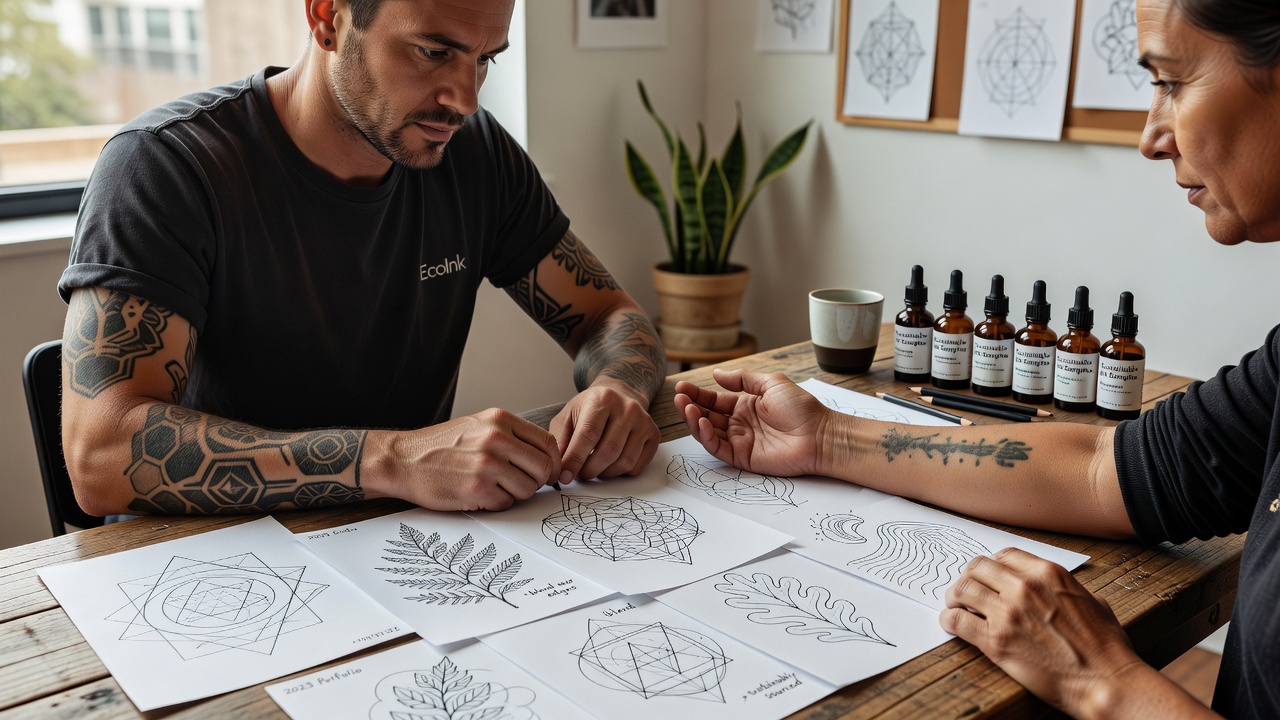
Practical Steps for Consulting Tattoo Artists
Begin by researching artists who specialize in cover-up work through portfolios and client testimonials. Schedule multiple consultations to discuss feasibility, view similar transformations, and compare approaches. Prepare by bringing reference images, measurements of the area, and notes about your skin history. During meetings, ask targeted questions about technique, number of sessions expected, pigment choices, and detailed aftercare protocols. A strong artist will explain limitations honestly and suggest adjustments to improve outcomes. Consider factors like studio hygiene standards, artist availability, and communication style before committing. This thorough vetting process helps secure the best possible partnership for your transformation.
- Compile a list of 3-5 specialized cover-up artists
- Review their portfolios for comparable projects
- Prepare visual references and questions in advance
- Discuss timeline, cost range, and healing expectations
- Request a small test area if skin sensitivity is a concern
Before-and-After Examples and Comparisons
Real transformations illustrate the potential of thoughtful cover-ups. A simple script on the forearm might become part of an expansive abstract wave pattern that incorporates the original lettering as texture. Larger pieces on the back often convert into detailed landscapes or celestial maps that completely reframe the space. When comparing cover-ups to laser removal, cover-ups deliver immediate visual improvement without repeated painful sessions, while laser treatments focus on gradual ink elimination over 6-10 visits. Many people prefer cover-ups for their artistic freedom and shorter overall timeline. For reliable information on skin health and procedures, consult resources from the American Academy of Dermatology and the Mayo Clinic.
Tips for Minimizing Scarring
Minimizing scarring requires disciplined aftercare and artist expertise. Follow all cleaning instructions precisely, apply recommended moisturizers consistently, and protect the area from direct sunlight during healing. Avoid picking at scabs or tight clothing that could irritate the site. Schedule follow-up visits to monitor progress and address any early signs of complications. Experienced artists use techniques that reduce skin trauma, such as appropriate needle depths and session spacing. Long-term care includes ongoing moisturization and gradual return to normal activities.
2026 Trends: Sustainable Inks and Personalization
Sustainable, vegan inks made from natural pigments continue gaining popularity for their reduced environmental impact and lower allergy risk. Personalization techniques now include embedding meaningful elements like coordinates, subtle portraits, or evolving patterns that change meaning over time. These approaches align with broader industry awareness of safe practices, as outlined by the U.S. Food and Drug Administration guidelines on tattoo materials. Staying informed about these trends helps clients make choices that feel both contemporary and responsible.
Common Mistakes to Avoid
Many cover-up attempts fall short due to rushing the design phase or selecting an artist without cover-up experience. Overlooking skin preparation or ignoring aftercare instructions can lead to poor healing and visible remnants of the old tattoo. Always verify color compatibility and request multiple revisions of the proposed artwork. Avoiding these pitfalls through patience and research dramatically improves final results.
Conclusion
Tattoo cover-ups in 2026 offer powerful opportunities to transform regretted ink into meaningful new expressions. Through careful assessment, expert collaboration, and attention to modern trends, individuals can achieve results that feel fresh, personal, and professionally executed.
FAQ
What is the typical pain level during a cover-up session?
Pain levels vary by body location and personal tolerance but often mirror the original tattooing experience, with possible heightened sensitivity where old ink already exists. Topical numbing agents and strategic session planning help manage discomfort effectively for most clients.
How long does healing take after a cover-up?
Initial surface healing generally requires 2-4 weeks, while full color settling and skin normalization can extend to 6 months. Consistent aftercare during this period supports the best possible integration of new and old ink.
What cost considerations apply to cover-up tattoos?
Expenses vary widely based on size, complexity, and artist expertise, typically exceeding standard tattoo pricing due to extensive planning. Detailed estimates should be discussed during consultations to align expectations with the scope of work.
Can any tattoo be covered successfully?
Not every tattoo qualifies for a perfect cover-up. Extremely large, colorful, or poorly placed pieces may require combined approaches such as partial laser fading beforehand. Honest artist assessments help determine realistic possibilities.

No comments yet. Be the first!