 Inked Mythos
Introduction to Chest Tattoo Ideas for 2026
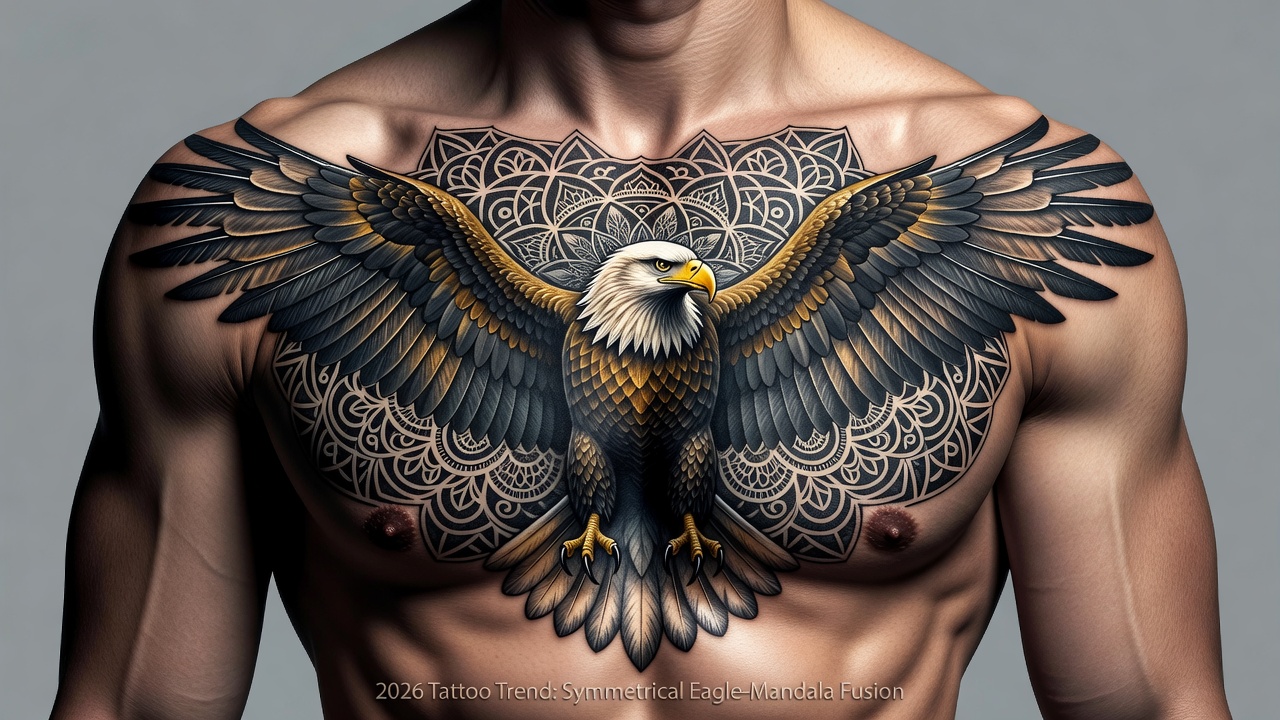
The chest remains one of the most powerful canvases for body art, offering a large, relatively flat area that can accommodate intricate and expansive designs. In 2026, chest tattoo ideas emphasize a blend of bold aesthetics and deep personal significance, taking full advantage of the body's natural contours. Whether you seek visibility or prefer something more discreet under clothing, modern designs adapt to individual lifestyles while considering long-term wear. The pectoral region provides excellent space for symmetrical compositions that enhance the body's natural architecture, making it a favorite among those who want their ink to feel integrated rather than simply applied.
Choosing a chest tattoo involves more than picking an image. It requires understanding how the skin moves, how designs age over decades, and how to collaborate with skilled artists. This guide covers motif recommendations, practical sizing and symmetry strategies, style comparisons, real-world applications, and essential aftercare insights. By exploring these elements in depth, you can make informed decisions that result in a tattoo you will appreciate for years to come.
Popular Motifs for Chest Tattoos in 2026
Wildlife continues to dominate chest tattoo trends, with majestic creatures like eagles, wolves, and lions rendered to flow with pectoral muscles. These designs often incorporate subtle background elements such as mountains or celestial motifs for added depth. Mandalas offer another strong option, providing symmetrical patterns that radiate from the sternum and create a sense of balance. Abstract geometric patterns are rising in popularity, using negative space and bold lines to create optical illusions across the chest.
Many individuals combine motifs—for example, a phoenix rising through sacred geometry—to tell a personal story of transformation. These hybrid designs allow for customization while maintaining visual impact. When selecting a motif, consider how it will interact with body hair and skin texture over time. Additional ideas include botanical elements like oak trees or roses that symbolize strength and growth, or nautical themes featuring anchors and compasses that speak to resilience and direction in life. Each motif can be scaled or stylized to match the wearer's personality and body shape.
Size and Symmetry Tips for Chest Placements
The chest's natural symmetry makes it ideal for centered designs, but asymmetry can also work when one side is prioritized for larger elements. For smaller tattoos, focus on the upper chest near the collarbone for subtle visibility. Larger pieces spanning both pectorals require careful planning to avoid distortion as the body changes with age or fitness levels. Artists often recommend starting with a minimum size of six inches wide for detailed work to ensure fine lines remain legible as skin ages.
Practical steps include measuring the chest area while standing and flexing, then creating multiple stencil versions. Symmetry checks during multiple sessions ensure the final result remains balanced. Avoid placing key focal points directly over the sternum if pain sensitivity is a concern, as this area tends to be more tender. Consider how clothing necklines will interact with the edges of the tattoo for everyday wear.
Style Comparisons: Realism Versus Linework
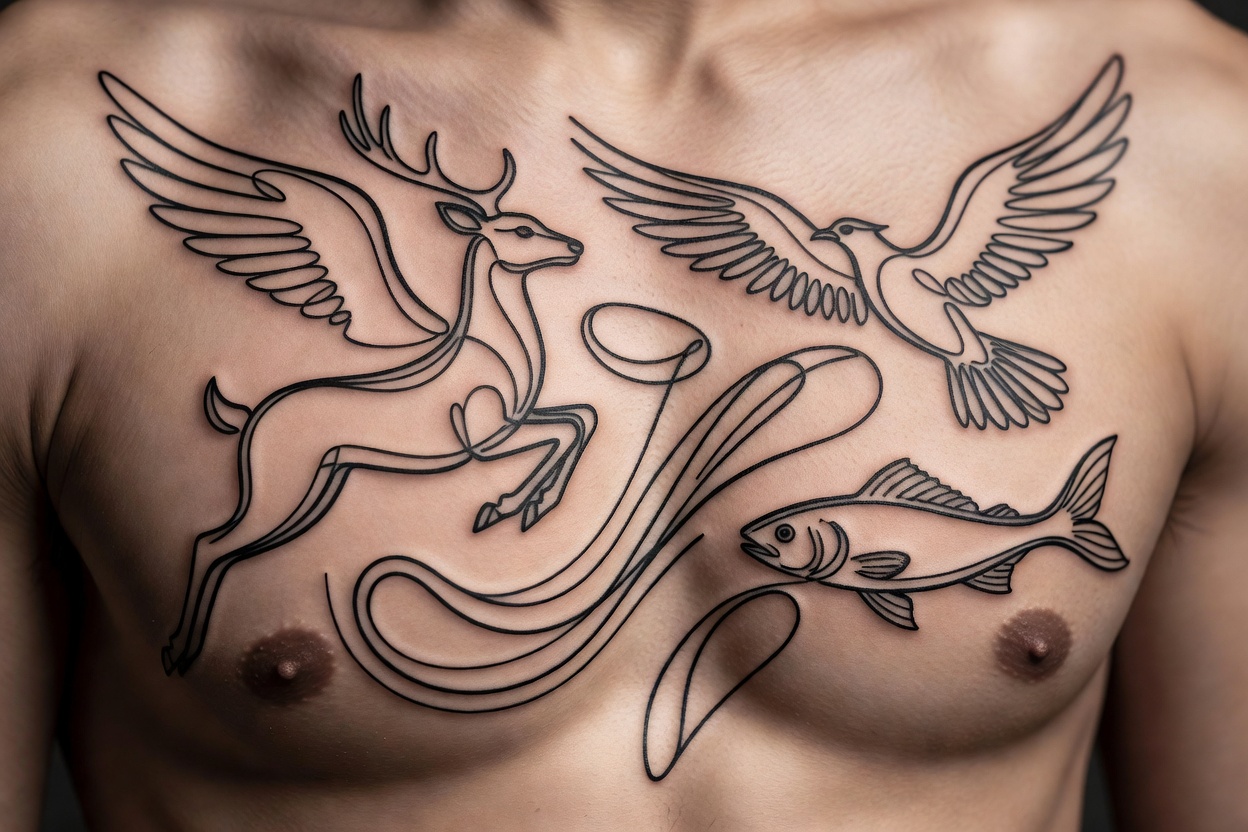
Realism excels at capturing lifelike details in wildlife or portrait-style chest tattoos, using shading and color gradients for depth. However, it demands high skill from the artist and may require more frequent touch-ups as ink ages. Linework, by contrast, delivers clean, minimalist results that age gracefully with bold black outlines and minimal shading. Dotwork and stippling techniques add texture without heavy color saturation, making them suitable for those with sensitive skin.
Many 2026 designs blend the two: realistic central elements surrounded by precise geometric linework. This hybrid approach provides both emotional resonance and visual clarity. Discuss your lifestyle with the artist—active individuals may prefer linework for its durability during physical activity. Comparing portfolios from multiple artists helps identify who excels in your preferred style, ensuring the execution matches the vision.
Real-World Examples and Healing Considerations
Examples from recent clients include a full-chest mandala with embedded wildlife elements that healed evenly within six weeks when proper aftercare was followed. Another featured abstract patterns that incorporated personal coordinates, creating a meaningful yet abstract result. A third example involved a realistic wolf design spanning the upper chest, with the artist using strategic shading to follow muscle contours for a three-dimensional effect.
Healing a chest tattoo typically takes four to six weeks for the surface layer, with full settling occurring over several months. Keep the area clean, moisturized, and protected from sun exposure. Follow guidance from authoritative sources such as Mayo Clinic on general skin recovery practices. Additional information on preventing complications can be found at CDC. Avoid tight clothing during the initial healing phase and monitor for signs of infection.
Consulting Artists and Visualizing Long-Term Results
Begin by researching artists specializing in large-scale work who understand chest anatomy. Bring reference images but remain open to custom adaptations. Digital mockups and multiple consultations help visualize how the tattoo will look years later. Prepare a list of questions covering design adjustments, color longevity, and session scheduling to ensure alignment with your goals.
Factor in future body changes and career considerations regarding visibility. A well-planned chest tattoo becomes a lifelong companion when created with intention and expert execution. Many clients return for consultations after initial concepts to refine details based on how the design interacts with their specific physique.
Mistakes to Avoid
Common pitfalls include rushing the design phase without considering body movement or failing to verify artist experience with chest placements. Another frequent error is neglecting aftercare, which can lead to fading or scarring. Always schedule a follow-up appointment and document the healing process with photos for future reference.
FAQ
How painful are chest tattoos?
Pain varies by individual tolerance and exact placement. The sternum and areas near bone tend to be more sensitive, while muscle-covered regions are often more manageable. Many describe it as intense but tolerable with proper breathing techniques.
Can chest tattoos be customized extensively?
Yes. Artists frequently modify motifs, incorporate personal symbols, and adjust sizing to fit unique body shapes. Early collaboration ensures the final design aligns with your vision and lifestyle.
What aftercare steps are most important?
Follow your artist's specific instructions, keep the tattoo clean, avoid submerging in water initially, and protect it from direct sunlight. Consistent moisturizing supports optimal healing and color retention.
How do I choose the right artist?
Review portfolios for similar chest work, read client testimonials, and schedule consultations to assess communication and technical expertise. Prioritize artists who specialize in your chosen style.
No comments yet. Be the first!