 Inked Mythos
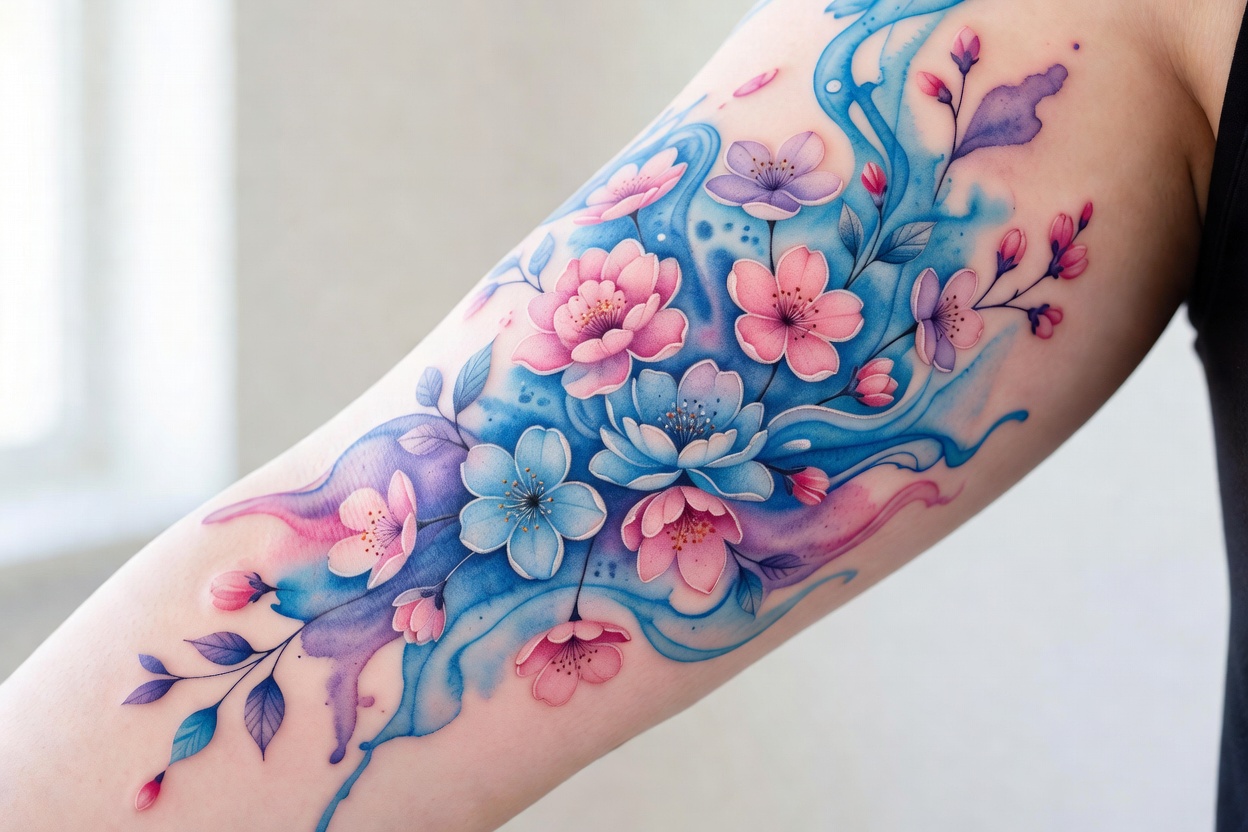
Introduction to Watercolor Tattoo Ideas
Watercolor tattoos have emerged as a standout choice for those seeking expressive, artistic body art that breaks away from traditional bold outlines. In 2026, these designs continue to evolve with advanced blending methods and sophisticated color palettes that mimic the fluid beauty of paint on canvas. Unlike realism tattoos that focus on photorealistic detail or geometric styles emphasizing symmetry, watercolor ink prioritizes soft edges, color washes, and organic flow for a truly unique look. This style appeals to individuals wanting vibrant yet delicate pieces that reflect personal creativity. Whether you're drawn to florals or abstracts, understanding the nuances helps achieve results that last and inspire. Many enthusiasts turn to watercolor tattoos to capture emotions, memories, or artistic visions that feel more like wearable paintings than static symbols.
The Evolution of Watercolor Techniques in 2026
Watercolor tattooing has progressed significantly, incorporating modern tools and pigments designed for better saturation and longevity. Artists now use specialized needles and diluted inks to create seamless gradients that transition smoothly across the skin. Color palettes often feature soft pastels blended with bold accents like deep teals and magentas, allowing for dynamic pieces that shift in appearance under different lighting conditions. These techniques differ markedly from realism, which relies on precise shading for depth, or geometric work with sharp lines and mathematical precision. Watercolor emphasizes negative space and bleeding effects that evoke movement, making it ideal for custom expressions in the current year. Recent advancements include hybrid approaches where artists combine watercolor washes with subtle line work for added definition without losing the ethereal quality. Clients in 2026 often request pieces inspired by contemporary art movements, resulting in tattoos that feel fresh and gallery-worthy.
Popular Motifs: Florals, Abstracts, and Beyond
Floral designs remain a top choice, with roses, peonies, and cherry blossoms rendered in translucent layers that appear to bloom on the skin. Abstract motifs, such as swirling galaxies, emotional color explosions, or fluid landscapes, offer freedom for personalization that traditional styles cannot match. Many clients opt for hybrid ideas combining elements like birds within watercolor washes or incorporating meaningful quotes into painted backgrounds. Real client examples show how a simple lotus can transform into a statement piece through careful color layering and placement that follows the body's natural curves. These motifs stand out because they avoid rigid structures, creating tattoos that feel alive and artistic. Other trending ideas include underwater scenes with jellyfish in soft blues and purples, or celestial themes featuring nebulae that blend seamlessly into the surrounding skin. The versatility allows for both small delicate pieces and large-scale compositions that tell a story across multiple sessions.
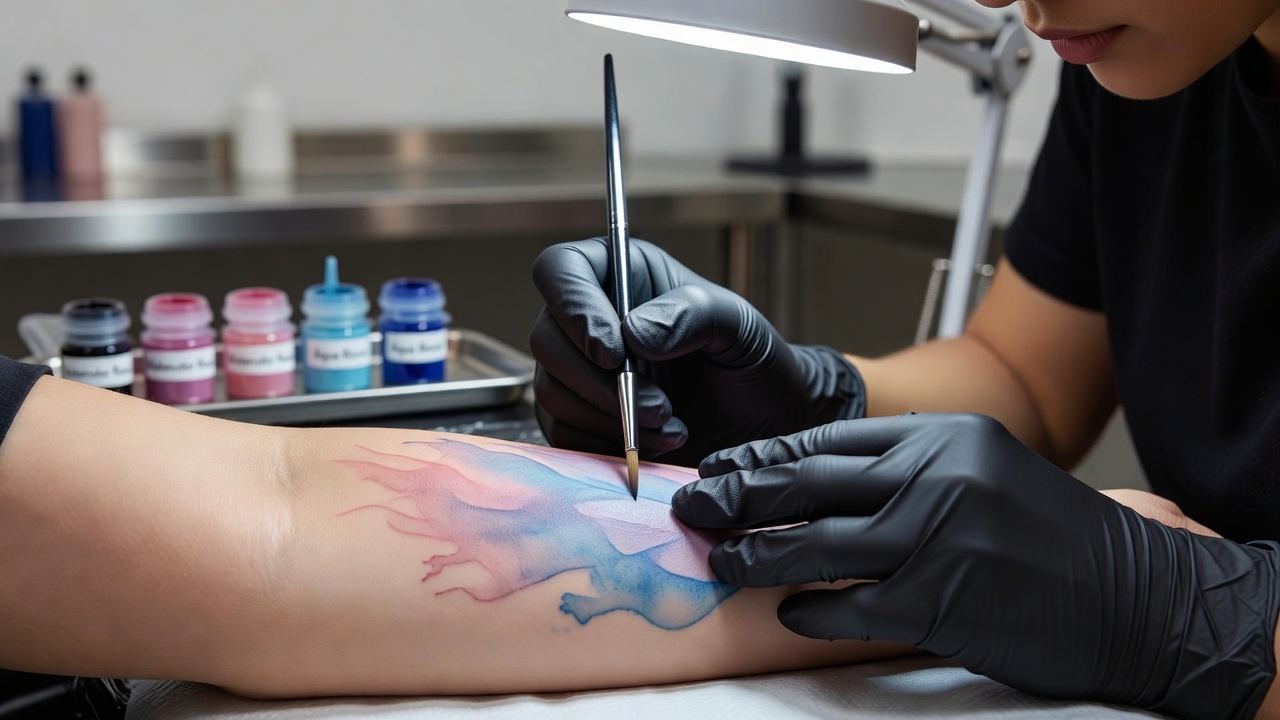
Placement Recommendations for Longevity
Placement plays a key role in how well watercolor tattoos age over time. Areas with less sun exposure and minimal friction, such as the inner forearm, ribs, upper thigh, or shoulder blades, help preserve the delicate colors longer by reducing daily wear and tear. Avoid high-movement spots like hands, feet, or joints where fading accelerates due to constant stretching and environmental factors. Larger pieces on the back or chest allow for expansive compositions that showcase the style's full potential while providing more surface area for intricate blending. When selecting placement, consider lifestyle factors such as clothing coverage and activity levels. For example, professionals may prefer discreet locations like the upper back that remain hidden during work hours yet reveal their beauty in casual settings. Discussing skin elasticity and sun exposure habits with your artist ensures the design holds its vibrancy for years.
Comparing Watercolor Fading Rates to Other Styles
Watercolor tattoos tend to fade faster than traditional blackwork due to lighter pigments and lack of heavy outlines that anchor the design. Over five years, expect some softening of edges and colors, but proper aftercare mitigates this significantly. In contrast, geometric tattoos maintain sharpness longer thanks to bold lines, while realism can lose fine details if not touched up periodically. Factors influencing fading include ink quality, skin type, and aftercare consistency. Many artists recommend touch-up sessions every two to three years to refresh colors without altering the original vision. Resources from skin health authorities emphasize that consistent moisturizing and sun protection extend the life of any tattoo, including watercolor designs. American Academy of Dermatology provides guidelines on protecting tattooed skin from UV damage that apply directly to maintaining watercolor vibrancy.
Selecting the Right Artist with Real Examples
Choosing an experienced watercolor specialist is crucial for achieving the desired outcome. Look for portfolios showcasing smooth blends, varied color use, and client testimonials that highlight communication and results. Artists who specialize in this style often have backgrounds in fine arts, enabling them to translate paintings or digital concepts into ink effectively. One client shared how their abstract shoulder piece evolved from initial sketches to a vibrant reality after multiple consultations focused on color harmony and flow. Another example involved a floral sleeve where the artist incorporated personal elements like birth flowers blended with abstract waves. Research studios with strong reputations through reviews and social media, and schedule consultations to discuss vision, customization options, and realistic expectations based on your skin tone and body placement.
Step-by-Step Aftercare Guide
Proper aftercare ensures your watercolor tattoo heals beautifully and maintains its artistic integrity. Follow these detailed steps for optimal results:
- Clean the area gently with unscented soap twice daily using lukewarm water to remove excess plasma without irritating the skin.
- Apply a thin layer of recommended fragrance-free moisturizer to keep skin hydrated and prevent cracking during the healing phase.
- Avoid sun exposure and use broad-spectrum SPF 50+ once the tattoo has fully healed to protect delicate pigments from fading.
- Steer clear of swimming, saunas, or heavy sweating activities for at least two weeks to reduce infection risks.
- Monitor for signs of irritation such as excessive redness or swelling and contact your artist or a healthcare professional if issues persist.
- Wear loose clothing over the area during initial healing to minimize friction and allow airflow.
Following these steps supports the ink's integrity and reduces risks of complications. Additional guidance on tattoo safety can be found through Centers for Disease Control and Prevention resources on body art hygiene.
Common Mistakes to Avoid
To maximize success with watercolor tattoos, steer clear of these frequent pitfalls. First, selecting an inexperienced artist can lead to uneven blending or poor color retention. Always review healed work examples rather than just fresh tattoos. Second, neglecting aftercare often results in premature fading or infection. Third, choosing overly complex designs for small placements may cause details to blur over time. Finally, ignoring skin type differences, such as how oily skin affects pigment absorption, can alter the final appearance. Planning ahead with test patches or smaller trial pieces helps avoid these issues.
Frequently Asked Questions
How painful are watercolor tattoos?
Pain levels vary by placement and individual tolerance, similar to other styles. Sensitive areas like ribs or spine may cause more discomfort due to proximity to bone, but sessions are typically manageable with scheduled breaks and numbing options where appropriate.
Can designs be customized?
Absolutely. Artists excel at tailoring motifs, sizes, colors, and even incorporating personal symbols or stories into the composition for one-of-a-kind results that reflect individual journeys.
What color palettes work best?
Popular 2026 palettes include soft pastels with jewel-tone accents, monochromatic schemes in varying shades of one hue, and nature-inspired blends like sunset oranges fading into deep indigos for depth and emotion.
Conclusion
Watercolor tattoo ideas offer a vibrant path to artistic self-expression in 2026. By focusing on technique evolution, motif selection, strategic placement, and diligent care, you can enjoy designs that remain striking and personal over time. Explore with a skilled professional to bring your vision to life and create ink that truly stands out as wearable art.
No comments yet. Be the first!