 Inked Mythos
Introduction
In 2026, the tattoo industry continued its rapid evolution, bringing both opportunities and hidden challenges for body art creators. Tattoo legends have openly shared their career missteps, offering invaluable insights for aspiring and established ink artists alike. This article delves deep into common errors in client communication, business scaling, and creative burnout, backed by direct quotes, case studies, and practical advice. Understanding these lessons helps artists build sustainable careers while preserving artistic integrity. From overbooking disasters to tech adaptation struggles, the stories below highlight paths to recovery and long-term success. The year saw increased demand for custom work alongside rising competition from digital platforms, forcing many professionals to reassess their approaches. Legends emphasize that early recognition of red flags can prevent years of setbacks. Whether you are just starting or managing a busy studio, these real-world examples provide actionable frameworks for growth.
Common Mistakes in Client Communication
Effective communication forms the backbone of any tattoo studio. Legends like those at renowned establishments often cite misaligned expectations as a top regret. One prominent artist recalled turning away repeat clients after failing to clarify design revisions early on. Key errors include rushing consultations and neglecting follow-up details. To avoid this, implement structured intake forms that cover style preferences, pain tolerance, and aftercare commitments. Regular check-ins via secure messaging apps can prevent scope creep during multi-session pieces. Another frequent issue arises when artists assume clients understand technical limitations, leading to disappointment on completion day. Successful artists now record consultations and send summary emails outlining timelines and potential adjustments. This practice has reduced revision requests by significant margins in studios that adopted it consistently throughout 2026.
Business Scaling Pitfalls and How to Avoid Them
Scaling a tattoo practice requires careful planning. Many artists expanded too quickly in 2026, hiring staff without proper training protocols, leading to inconsistent quality. A case study from a mid-sized studio showed revenue dips after overextending into merchandise lines without market testing. Successful pivots involve gradual growth. Start by auditing current capacity and focusing on core services before adding locations or product lines. Small Business Administration resources provide free templates for financial forecasting tailored to service-based businesses. Overbooking remains one of the most damaging errors, where artists accept more appointments than they can handle artistically or physically. This leads to rushed work, artist fatigue, and damaged reputations. Practical solutions include using booking software with built-in buffers and setting strict daily limits based on piece complexity rather than flat appointment counts.
Creative Burnout: Recognition and Recovery
Burnout remains a silent career killer. Tattoo legends describe losing passion after years of high-volume work, resulting in diminished creativity and client dissatisfaction. Symptoms include dreading appointments and struggling with new designs. Prevention strategies include scheduled downtime and diversifying creative outlets beyond tattoos. One legend implemented mandatory two-week breaks quarterly, reporting renewed inspiration upon return. Another effective tactic involves rotating between different tattoo styles to keep the work stimulating. Artists who ignored early signs often faced longer recovery periods, sometimes requiring months away from the chair. Building a support network of fellow professionals allows for shared experiences and accountability when motivation dips.
Adapting to New Tech Without Losing Authenticity
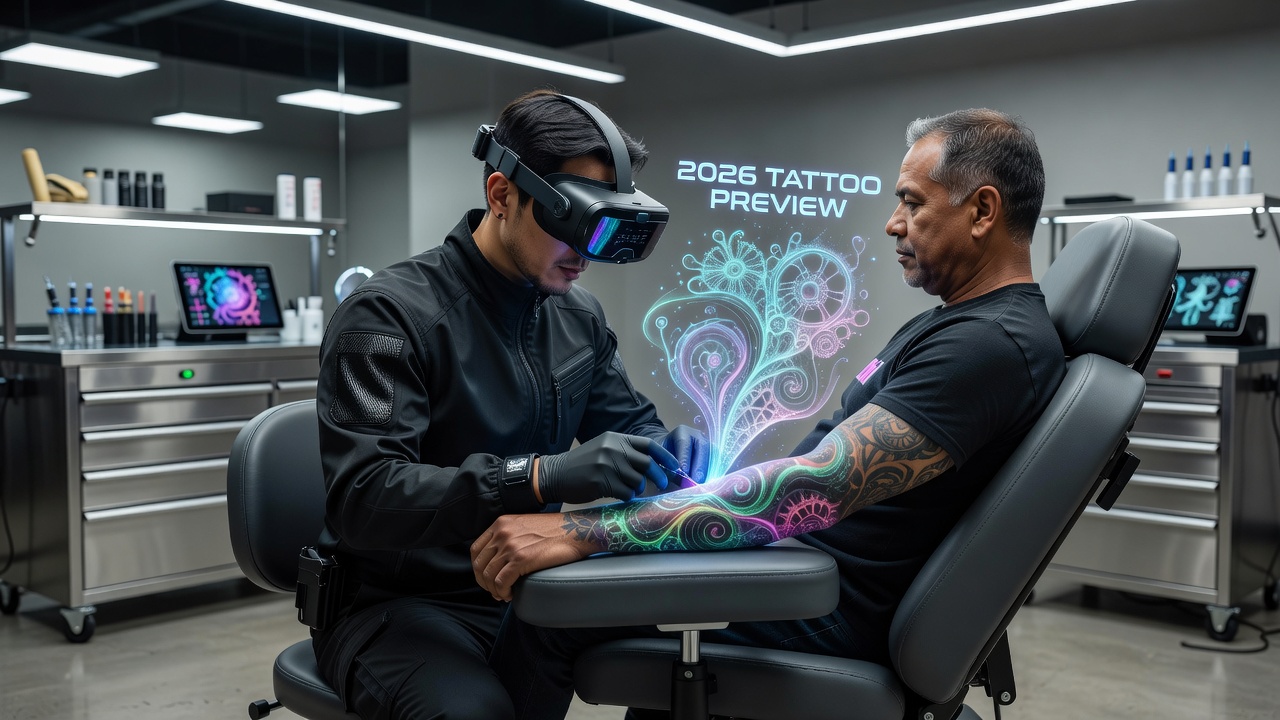
Digital tools like AI-assisted design software gained traction in 2026, yet many artists feared diluting their unique voice. Over-reliance on apps for stencils led to generic results in some studios. Balanced adoption means using technology as a supplement. Test tools on personal projects first, then integrate selectively. 
Balancing Personal Style with Market Trends
Market trends shift quickly, pressuring artists to chase popularity over passion. Comparison charts of successful pivots reveal that those who evolved styles gradually retained loyal followings. Reflection exercises help: List your top five signature elements and assess how new trends align before incorporating them. Artists who abruptly switched to trending motifs often lost their core audience, while those who added subtle influences kept both artistic identity and commercial appeal. Monitoring social media analytics can reveal which elements resonate without forcing wholesale changes.
| Artist Approach | Outcome | Lesson |
|---|---|---|
| Full trend adoption | Short-term gains, long-term client loss | Stay true to core style |
| Gradual integration | Sustained growth | Blend trends thoughtfully |
| Complete resistance | Stagnation and missed opportunities | Selective evolution is key |
Step-by-Step Reflection Exercises for Career Growth
- Review past client feedback for patterns in complaints or praise and categorize them by theme.
- Map your booking calendar for overcommitment signs, noting which weeks led to fatigue.
- Experiment with one new technique monthly while tracking satisfaction levels from both artist and client perspectives.
- Consult mentors quarterly on business metrics such as repeat bookings and referral rates.
- Conduct an annual portfolio audit to identify style drift or underused skills.
- Simulate worst-case scenarios like sudden equipment failure or client cancellations to build contingency plans.
Case Studies from Established Studios
Real-world examples underscore these points. A West Coast studio recovered from overbooking by capping daily appointments at six, boosting artist retention and overall quality scores. Another adapted to laser tech by partnering with specialists rather than investing alone, saving substantial capital while maintaining focus on core tattooing. A third studio in the Midwest implemented weekly team debriefs after noticing communication breakdowns, which improved client satisfaction and reduced no-show rates dramatically. These cases demonstrate that targeted adjustments, rather than complete overhauls, often yield the best results.
FAQ: Recovery from Setbacks and Long-Term Planning
How do I recover from a major client miscommunication?
Apologize transparently, offer remedies like discounted future work, and document processes to prevent recurrence. Follow up personally after resolution to rebuild trust.
What long-term planning tools work best in 2026?
Digital planners combined with annual vision boards help align goals with market realities. Entrepreneur offers updated guides on service industry strategy that remain relevant for creative fields.
Can tech ever replace traditional tattoo methods?
No, but hybrid approaches enhance precision when authenticity stays central. Hand skills remain the foundation that technology supports rather than supplants.
How should artists plan for economic fluctuations?
Maintain an emergency fund covering at least three months of expenses and diversify income through workshops or digital product sales without compromising studio focus.
Conclusion
Learning from tattoo legends' 2026 experiences equips artists to navigate pitfalls proactively. By prioritizing clear communication, measured scaling, and authentic adaptation, creators can achieve enduring success in the evolving ink world. Regular self-assessment and willingness to adjust ensure careers remain fulfilling and profitable for decades ahead.
No comments yet. Be the first!