 Inked Mythos
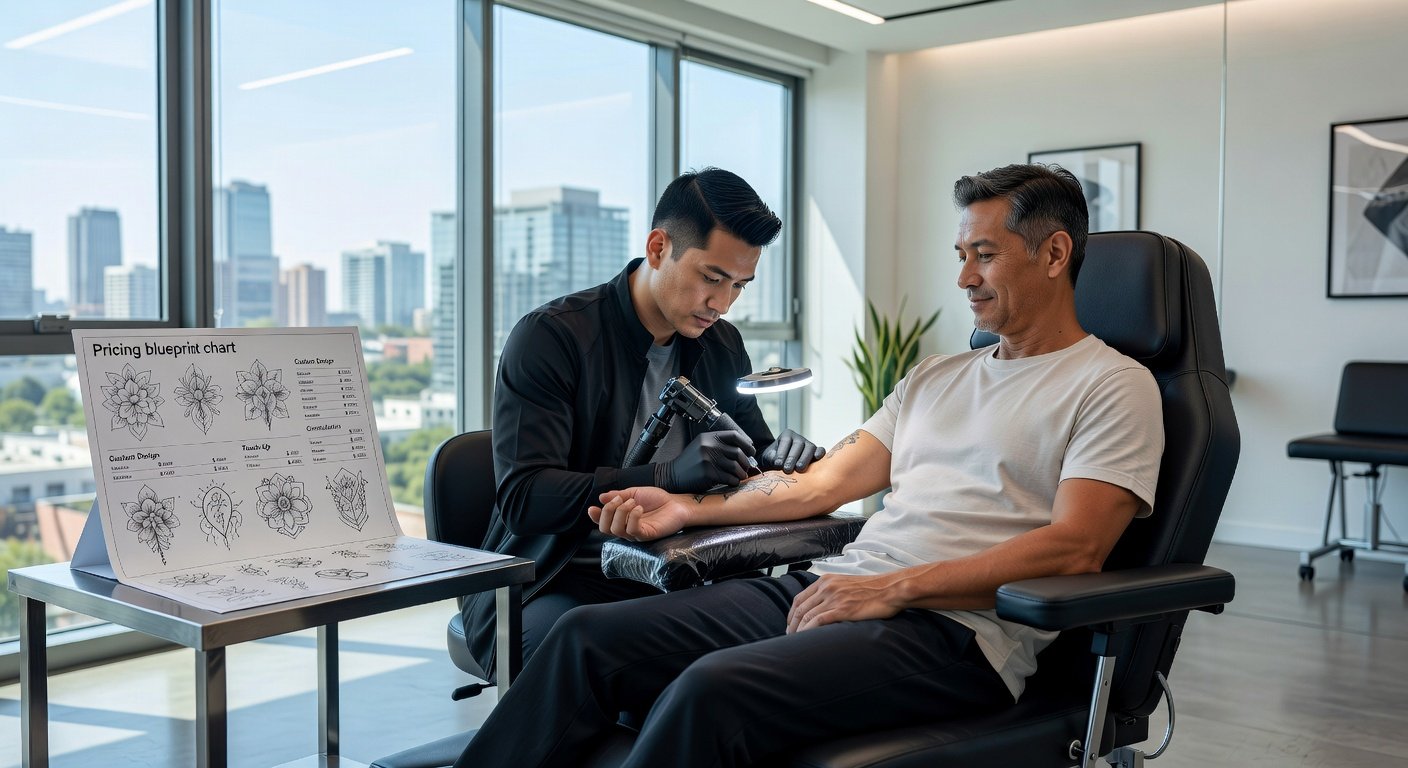
Setting the right prices is one of the most critical skills for tattoo artists aiming to thrive in the competitive 2026 market. This comprehensive blueprint helps professional ink artists and studio owners develop fair, sustainable rates that reflect expertise while attracting loyal clients. Whether you are an emerging artist or a seasoned professional, understanding how to balance location, design complexity, and operational costs will determine your long-term success. In today’s dynamic environment, artists who treat pricing as a strategic business tool rather than an afterthought consistently outperform those who rely on instinct alone. This guide breaks down every essential element so you can build a pricing system that supports both creative fulfillment and financial stability.
Key Factors That Shape Tattoo Pricing in 2026
Multiple variables influence what clients are willing to pay and what artists need to charge. Location remains a primary driver because studio overhead, local demand, and cost of living vary dramatically across regions. In high-traffic metropolitan areas, artists often contend with elevated rents and marketing expenses that directly affect minimum rates. Expertise level also plays a major role: artists with established portfolios and specialized styles can command premium positioning because clients seek proven results and unique artistic vision. Design intricacy directly affects time investment, as highly detailed pieces require multiple sessions, advanced techniques, and extended preparation. Supply costs for high-quality inks, needles, and sterilization equipment continue to fluctuate with global market conditions, requiring artists to monitor vendor pricing and adjust accordingly.
Additional considerations include studio reputation, artist availability, and current economic climate. Artists who track these elements consistently position themselves ahead of competitors who rely on guesswork. Reputation building through client testimonials and social proof allows artists to maintain stronger pricing power even during slower periods. Availability management, such as limiting daily bookings to preserve quality, further supports premium positioning. Economic factors like inflation and consumer spending trends require ongoing attention so pricing remains both competitive and profitable.
Step-by-Step Pricing Formulas: Hourly vs Flat Fee
Choosing between hourly and flat-fee structures requires careful calculation. Many successful artists start by determining their minimum viable hourly rate based on fixed expenses such as rent, insurance, and supplies. From there they add a profit margin that supports growth and personal income goals. The process begins with a thorough audit of all business costs, including both direct supplies and indirect expenses like utilities and professional development. Next, estimate average session duration for different project types and calculate the number of billable hours available each month after accounting for administrative tasks and downtime.
Hourly pricing works well for large-scale projects where time estimates can shift due to client preferences or unforeseen design adjustments. Flat fees provide clarity for clients on smaller or medium pieces and help studios maintain predictable cash flow. The most effective approach often combines both: use flat fees for defined designs and switch to hourly for custom work that evolves during the session. Practical steps include auditing your monthly expenses, estimating average session length, and testing rates with existing clients before rolling out changes publicly. Create templates for quotes that clearly itemize what is included, such as design consultation, multiple revisions, and aftercare guidance. Regular review every quarter ensures your pricing remains aligned with market realities and prevents underpricing that can erode profitability over time.
Urban vs Rural Pricing Strategies
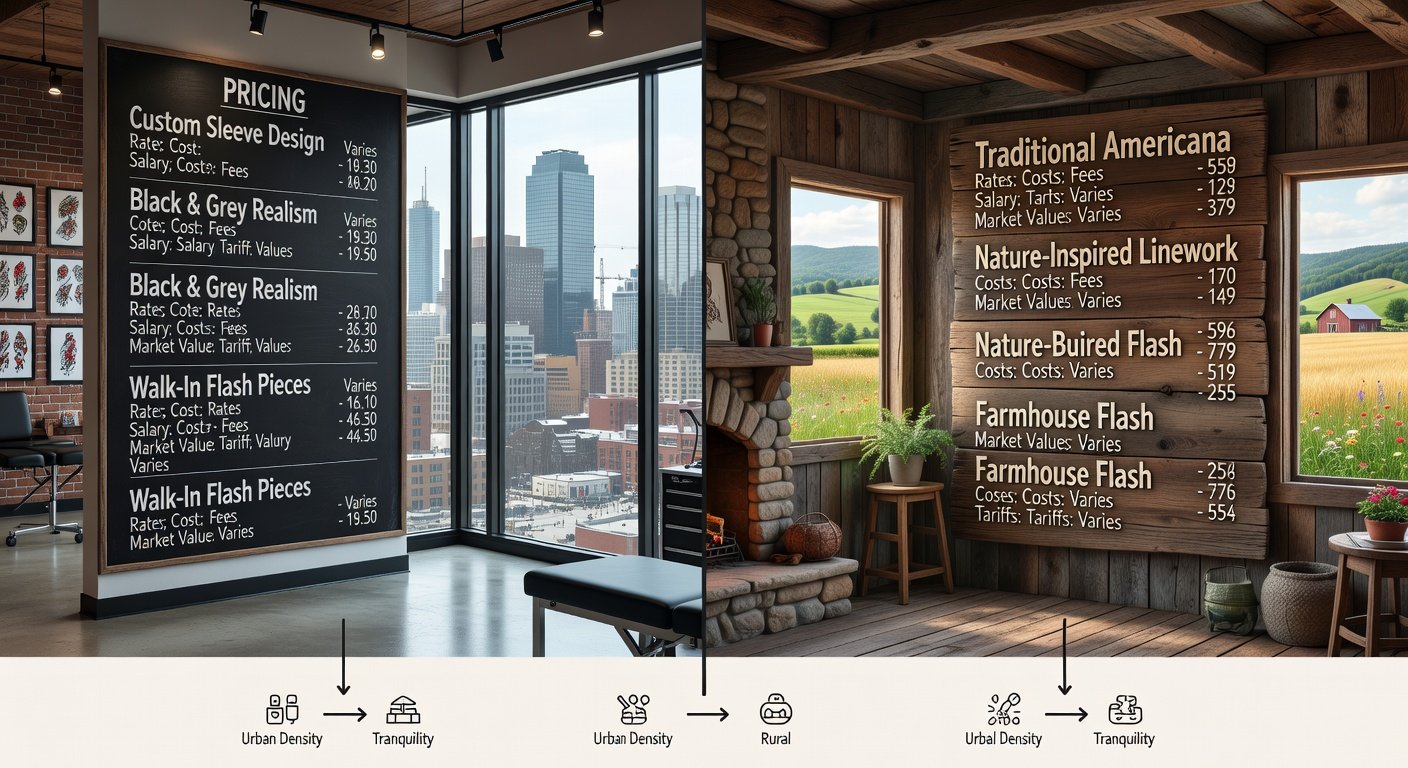
Artists in major cities typically face higher studio rents and greater client expectations for premium experiences, leading to different pricing philosophies than those in smaller towns. Urban creators often emphasize brand-building and limited availability to justify elevated rates, while rural artists focus on volume and community relationships to maintain steady bookings. In urban settings, artists may develop signature styles or collaborate with influencers to create demand that supports higher positioning. Rural studios frequently leverage word-of-mouth referrals and host community events to build loyalty without heavy advertising spend.
Real-world examples from established tattoo legends show that successful urban studios frequently offer tiered packages that reward repeat clients with loyalty discounts or priority scheduling. Rural artists, by contrast, may bundle aftercare products or host flash events to differentiate themselves from competitors. The key is adapting the same core formula to local conditions rather than copying another artist’s sheet verbatim. Urban artists should also consider transportation costs and parking challenges that affect client experience, while rural artists might explore mobile services or pop-up events to expand reach. Both environments benefit from clear communication about what drives pricing differences so clients understand the value delivered regardless of geographic setting.
Client Negotiation and Custom Request Tips
Handling price discussions professionally protects both artist and client relationships. Begin every consultation with clear communication about your process and value. Provide written estimates that outline scope, timeline, and any potential add-on fees for design revisions. When clients push back on rates, respond with data rather than emotion. Reference your experience, the quality of materials used, and the time required for proper healing guidance. Offering payment plans or smaller deposit structures can also ease concerns without devaluing your work.
Develop a standard negotiation script that acknowledges the client’s budget while gently reinforcing your expertise. For custom requests, break the project into phases with milestone payments to reduce risk for both parties. Always document agreements in writing, including cancellation policies and revision limits. This approach prevents misunderstandings and builds trust that leads to referrals and repeat business. Successful artists treat negotiations as collaborative conversations rather than confrontations, focusing on finding solutions that honor the client’s vision while protecting the artist’s time and resources.
Handling Economic Shifts and Market Changes
Economic fluctuations affect disposable income and client booking patterns. Artists who build flexible pricing frameworks can adjust session minimums or introduce seasonal promotions without eroding perceived value. Tracking industry reports from sources like the Bureau of Labor Statistics helps anticipate broader trends in consumer spending and employment that influence demand for discretionary services such as tattoos. Staying informed about supply chain developments through official channels such as the Small Business Administration also supports smarter cost management. The most resilient studios maintain detailed financial records and review them monthly. Consider consulting resources from the Internal Revenue Service when planning tax strategies around variable income streams. Proactive planning allows artists to weather downturns by temporarily emphasizing flash sales or smaller projects while preserving core pricing integrity for larger commissions.
Frequently Asked Questions
- How should I price custom requests? Start with a detailed consultation to assess size, detail level, and placement, then present a clear written quote that includes all phases of work from initial sketch to final touch-ups.
- What if economic conditions change mid-year? Build quarterly pricing reviews into your business calendar so adjustments feel strategic rather than reactive, allowing you to respond to inflation or shifts in material costs without surprising clients.
- Should beginners charge less? New artists benefit from competitive introductory rates that still cover costs while they build portfolios and reviews, gradually increasing fees as demand and experience grow.
- How do I handle price objections? Focus on education about quality, safety standards, and long-term results rather than immediate discounts, and offer value-added services such as extended aftercare support instead of lowering rates.
- What is the best way to communicate pricing changes to existing clients? Notify loyal clients personally through email or in-person conversations well in advance, explaining the reasons behind adjustments and highlighting any new benefits or improved services.
- How can I prevent underpricing on complex projects? Always include buffer time in estimates for unexpected challenges and require deposits that reflect a meaningful portion of the total commitment to ensure client seriousness.
By following this 2026 pricing blueprint, tattoo artists can create sustainable businesses that reward creativity and professionalism. Consistent evaluation and transparent communication remain the foundation of profitable, client-centered practices that stand the test of time and support long-term career growth in the evolving tattoo industry.


No comments yet. Be the first!