 Inked Mythos
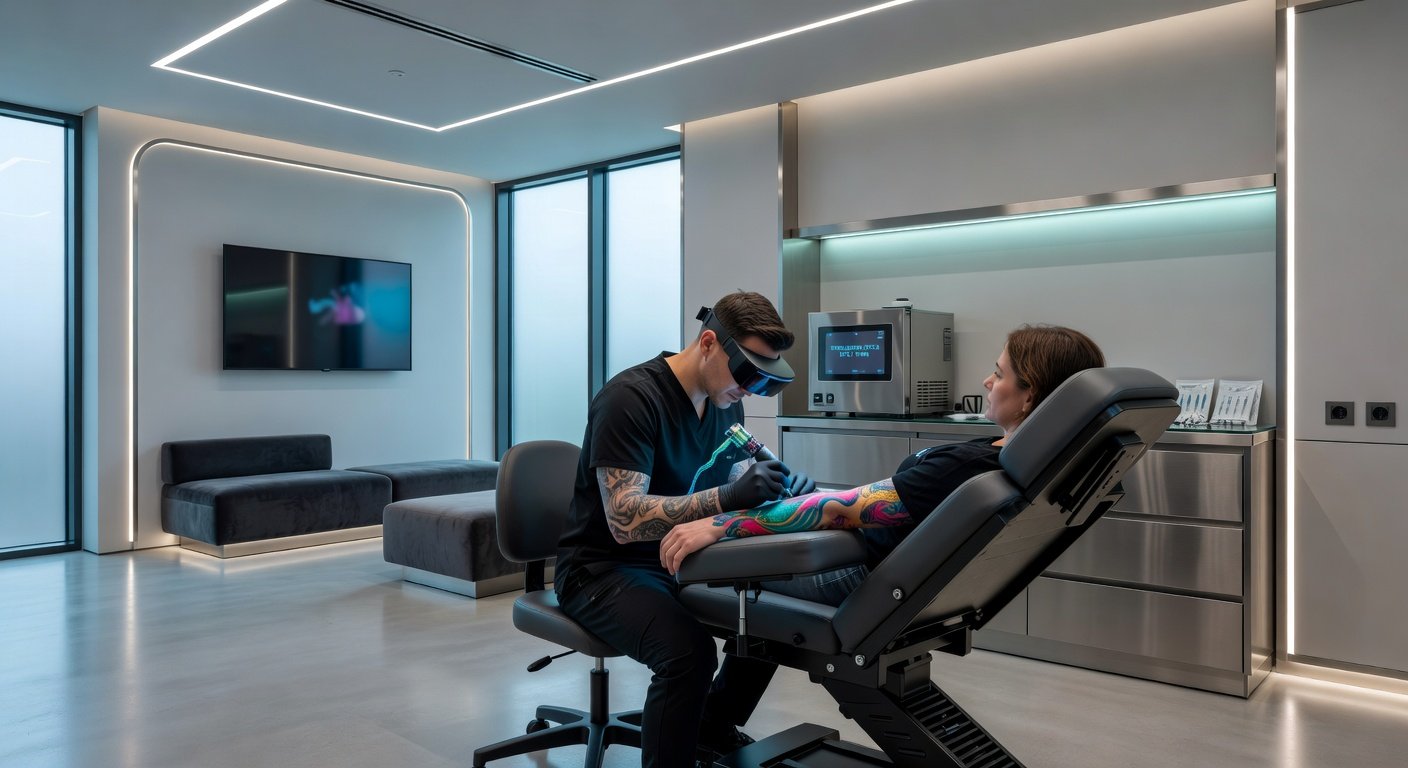
Introduction to Modern Tattoo Studio Design in 2026
Creating a professional tattoo studio in 2026 requires careful planning to blend functionality, safety, and comfort. Tattoo artists must prioritize ergonomic setups, cutting-edge sterilization, and inviting layouts that enhance both workflow and client experience. This guide covers essential steps, budget options, and innovations like smart lighting while incorporating insights from leading ink artists.
Planning Client-Friendly Studio Layouts
A successful studio begins with thoughtful spatial design. Divide the area into distinct zones for consultation, tattooing, sterilization, and relaxation. Ensure clear pathways for easy movement and privacy screens to maintain client comfort. Position the main workstation near natural light sources when possible, supplemented by artificial systems for consistency throughout the day.
Top artists recommend allocating at least 20% of the floor space to a welcoming reception area with comfortable seating and artwork displays. This fosters a relaxed atmosphere that encourages repeat visits and positive word-of-mouth.
Ergonomic Furniture for Long Sessions
Ergonomics play a vital role in preventing artist fatigue during extended tattoo sessions. Invest in adjustable tattoo chairs with lumbar support, height-variable tables, and supportive stools. These features allow artists to maintain proper posture, reducing strain on the back, neck, and wrists.
Look for modular furniture that can be reconfigured for different tattoo styles or client needs. Many studios now incorporate memory foam padding and easy-clean materials to balance comfort with hygiene requirements.
Advanced Sterilization Technology
Sterilization remains non-negotiable in any professional studio. In 2026, advanced systems include autoclaves with digital tracking, UV-C disinfection cabinets, and HEPA air filtration units. These technologies help maintain compliance with health standards and minimize cross-contamination risks.
Integrate touchless sinks, automatic hand sanitizer dispensers, and single-use barrier films wherever possible. According to CDC guidelines, consistent sterilization protocols are essential for client safety. Artists should also follow OSHA recommendations for handling biohazardous materials.
Innovations in Smart Lighting for Ink Visibility
Optimal lighting dramatically improves tattoo precision and color accuracy. Smart LED systems with adjustable color temperatures and intensity levels allow artists to simulate daylight or warm tones as needed. Some setups include app-controlled zones that adapt automatically based on the time of day or specific ink shades being used.
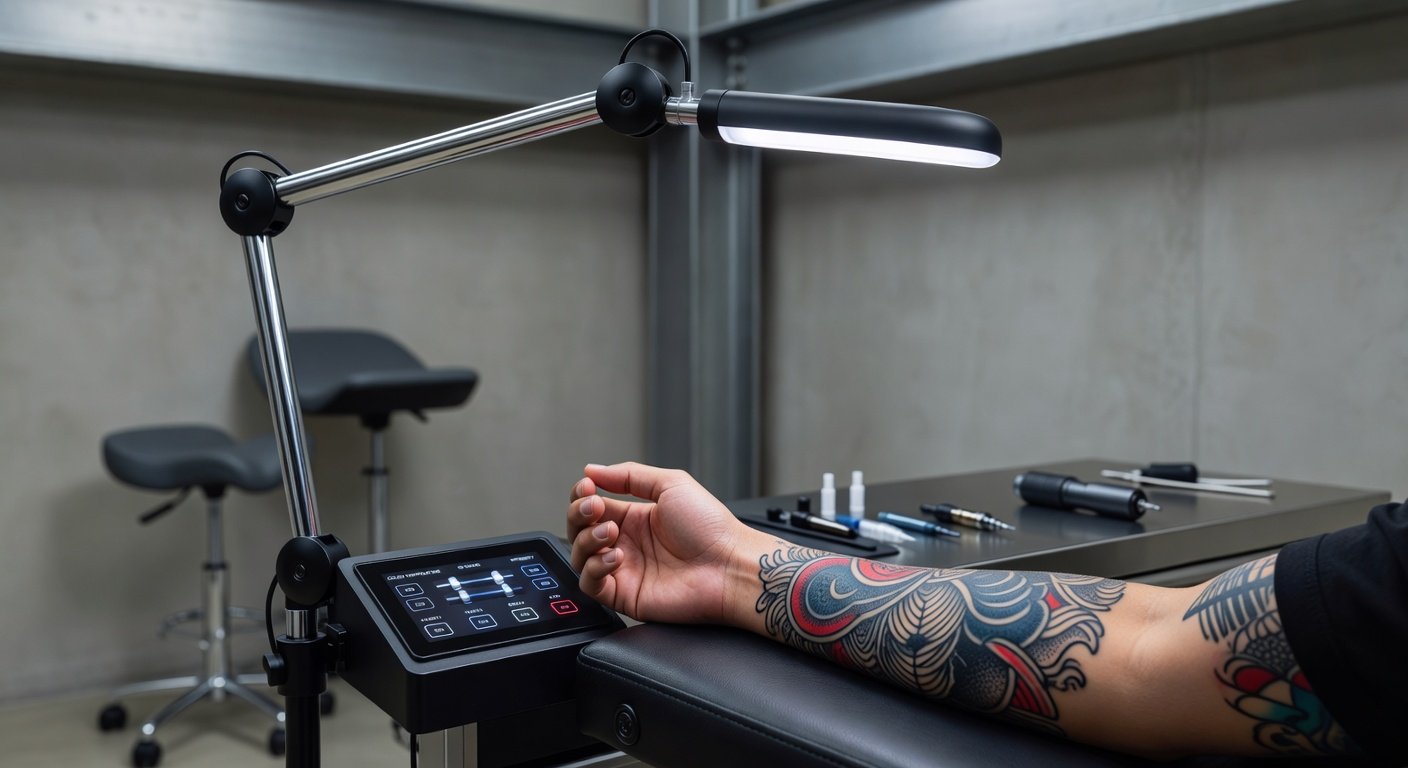
These innovations reduce eye strain and help achieve consistent results across different skin tones. Budget-conscious artists can start with programmable LED panels that offer similar benefits without high upfront costs.
Budget-Friendly Options and Cost-Saving Strategies
Equipping a studio does not require breaking the bank. Prioritize multi-functional pieces and shop for certified refurbished equipment. Consider leasing arrangements for high-tech sterilization units to spread out expenses. Many artists source ergonomic chairs from suppliers offering modular designs that grow with the business.
Focus first on core safety items before adding premium lighting or decorative elements. This phased approach keeps the studio operational while allowing gradual upgrades.
Insights from Top Ink Artists on Productivity and Retention
Renowned tattoo legends emphasize that a well-designed studio directly impacts daily output and client loyalty. One prominent artist notes that ergonomic setups have increased session efficiency by allowing longer focused work periods without discomfort. Another highlights how smart lighting and clean layouts create memorable experiences that turn first-time clients into regulars.
- Schedule regular equipment checks to avoid downtime.
- Incorporate client feedback surveys to refine the space.
- Use digital booking tools integrated with studio lighting controls for seamless operations.
- Display artist portfolios prominently to build trust and encourage referrals.
These strategies help boost both productivity and long-term retention rates.
Conclusion
Designing a 2026 tattoo studio involves balancing innovation with practicality. By focusing on ergonomic furniture, advanced sterilization, smart lighting, and welcoming layouts, artists can create environments that support peak performance and exceptional client care. Implementing these elements thoughtfully positions any studio for lasting success in the evolving tattoo industry.
No comments yet. Be the first!