 Inked Mythos
Introduction to Neo-Traditional Tattoos in 2026
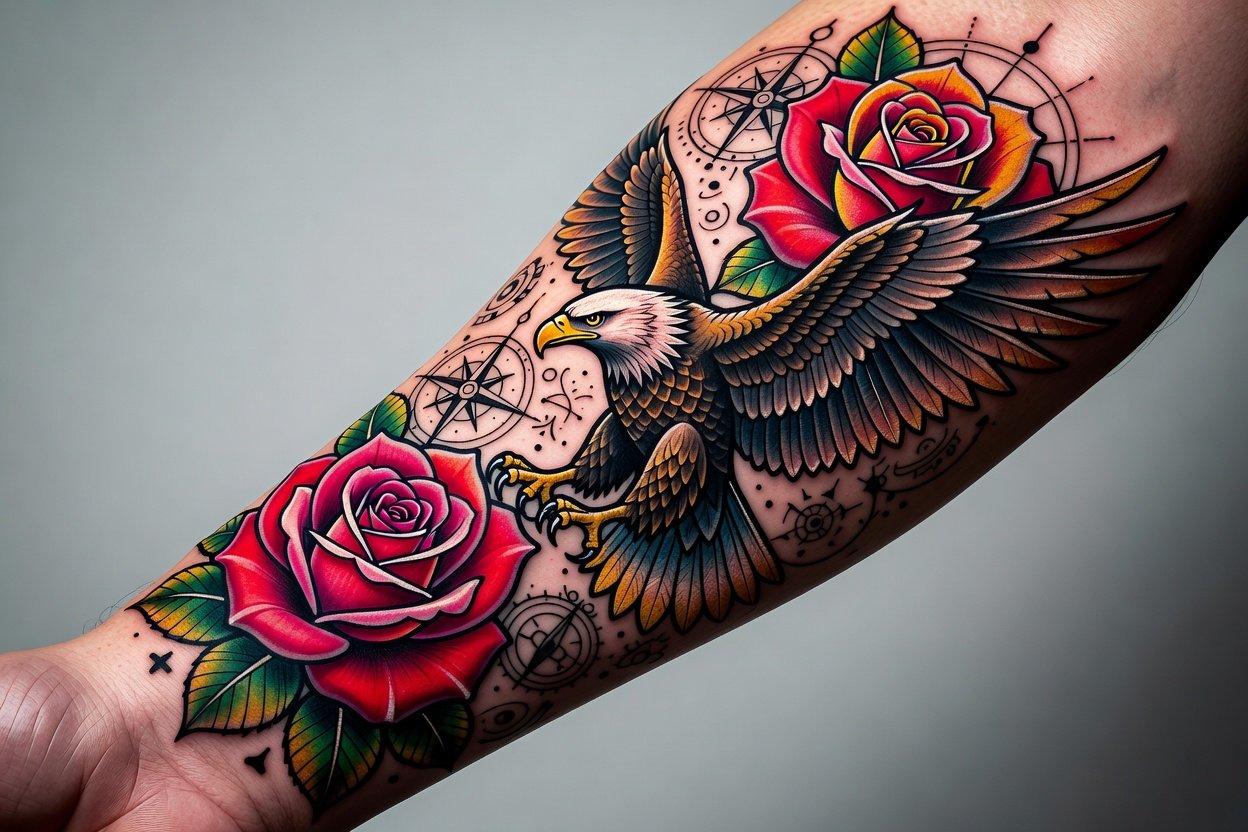
Neo-traditional tattoos have evolved significantly by 2026, blending the bold outlines and vibrant colors of classic American traditional with modern refinements like subtle gradients and symbolic motifs. This guide targets professional ink artists seeking to refine their craft and stand out in competitive markets. Whether you're updating your portfolio or mastering new client requests, these techniques emphasize precision and creativity. Artists today draw from historical roots while incorporating contemporary elements that appeal to diverse clients. The style maintains thick black lines for definition but adds depth through layered shading and color transitions that create lifelike effects. In recent years the demand for this hybrid approach has grown as clients seek tattoos that feel both timeless and fresh, allowing artists to experiment with composition while respecting the foundational rules of strong line work and saturated color.
Understanding the evolution helps practitioners appreciate why neo-traditional remains popular. It bridges generations of tattooing, offering a versatile canvas for storytelling through ink. This article provides in-depth coverage of techniques, comparisons, and real-world applications to help you build advanced skills.
Neo-Traditional vs. Classic Traditional Tattoos
Classic traditional tattoos, rooted in early 20th-century sailor art, feature solid fills, limited color palettes, and simple compositions. In contrast, neo-traditional work expands this foundation with richer hues, finer details, and narrative symbolism. Key differences include the use of negative space for breathing room and the integration of cultural icons like mandalas or flora with personal meaning. Many artists compare the two by noting how neo-traditional allows for larger, more intricate pieces that still hold up over decades of skin aging. This evolution makes the style ideal for those wanting timeless yet updated body art.
Classic pieces often stick to primary colors and flat shading, while neo-traditional introduces secondary tones and highlights for dimension. For example, a classic anchor might be a simple black and red design, whereas a neo-traditional version could include oceanic gradients and hidden symbols representing personal journeys. These distinctions help artists decide when to push boundaries versus staying faithful to tradition. Over time, mastering both styles gives creators more flexibility in consultations.
Blending Bold Lines with Vibrant Palettes
Start with high-quality black ink for outlines that remain crisp. Layer vibrant colors such as deep reds, electric blues, and golden yellows to achieve saturation without muddiness. Modern palettes often include desaturated tones for gradients that add dimension. Practical tip: Test color combinations on synthetic skin first. Blend primary colors with white highlights to simulate light sources, creating a three-dimensional appearance that elevates the design beyond flat traditional fills. Consider how skin tone interacts with pigment choice; warmer undertones may require adjustments in yellow or red saturation to maintain vibrancy after healing.
Artists frequently reference color wheels during planning to ensure harmony. Bold lines act as barriers that prevent colors from bleeding together, so consistent line weight is essential. Experiment with mixing inks from different brands to achieve unique shades that stand out in portfolios and competitions.
Incorporating Contemporary Elements Like Gradients and Motifs
Subtle gradients bring movement to subjects like animals or flowers. Use a soft shader needle to transition from saturated color to lighter shades seamlessly. Symbolic motifs, such as geometric overlays or hidden elements representing personal stories, add layers of meaning that resonate with clients. Examples include a rose with embedded clock faces for themes of time, or an eagle incorporating celestial patterns. These additions keep the bold aesthetic while appealing to modern sensibilities. Placement matters greatly; gradients work best on curved body areas where light naturally falls, enhancing the illusion of depth.
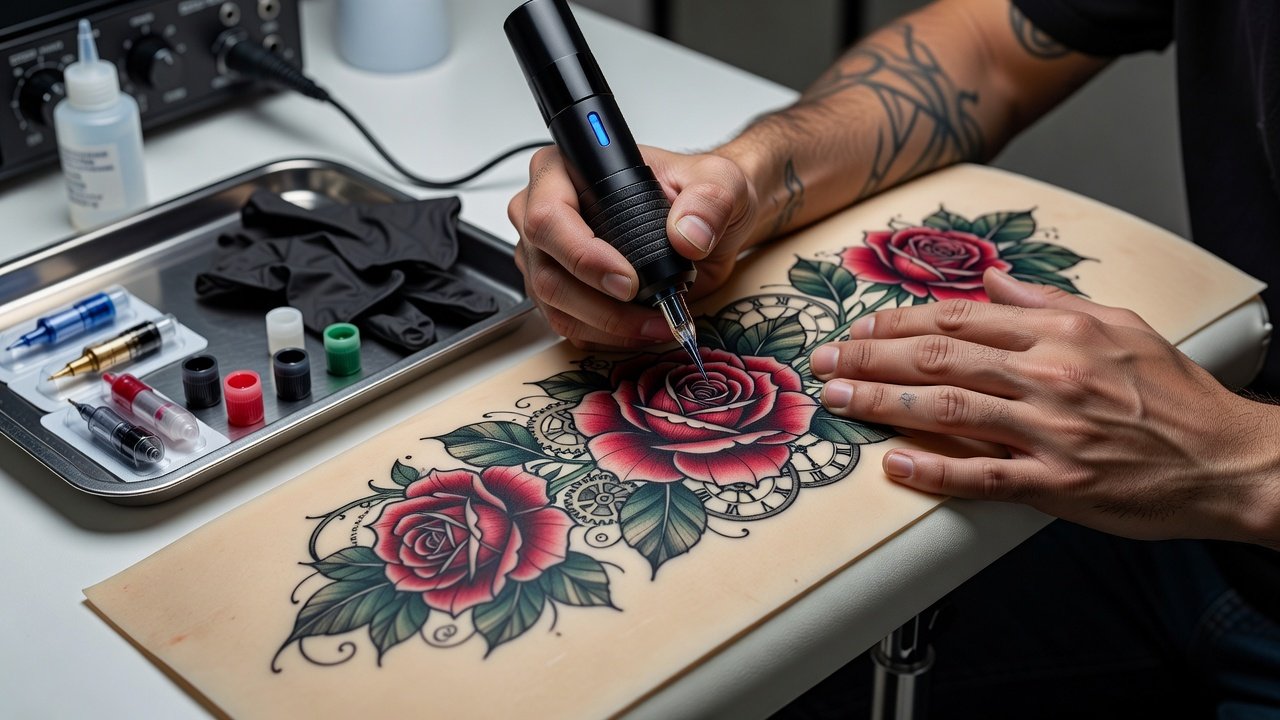
Further examples involve combining motifs like skulls with botanical elements or merging cultural symbols into animal portraits. Always sketch multiple iterations to refine how these contemporary touches integrate without overwhelming the core design.
Step-by-Step Shading Methods for Precision
Follow this process for effective shading: Outline the design with a 3RL needle for clean edges. Apply base colors in thin layers, allowing each to heal before adding depth. Use a magnum shader for broad gradients, starting from the darkest areas and working outward. Blend with a round shader for soft transitions, focusing on light direction for realism. Finish with highlights using white or light tints to pop details. Practice on pig skin or practice pads to perfect pressure control and avoid overworking the skin. Advanced artists often incorporate whip shading techniques to create soft edges that mimic fur or feathers in neo-traditional animal designs.
Another method involves building multiple passes of diluted ink for smoother transitions. Monitor skin response closely during sessions to adjust technique on the fly. Document each step in your process journal to replicate successful results on future clients.
Tool Recommendations for 2026 Artists
Invest in rotary machines for smoother lines and less trauma. Popular choices include wireless pens with adjustable stroke lengths for versatility. Needles range from 7RL for fine details to 15M for packing color. Always use high-quality, sterile supplies from reputable suppliers. Additional tools like LED lamps and magnification glasses improve precision during long sessions. Artists report better outcomes with consistent equipment maintenance. Consider investing in digital stencil printers to speed up transfer accuracy for complex motifs.
Hygiene standards remain paramount; autoclave all reusable equipment and follow local health regulations. Experiment with different machine weights to find what suits your hand best for extended shading sessions.
Client Consultations and Practical Examples
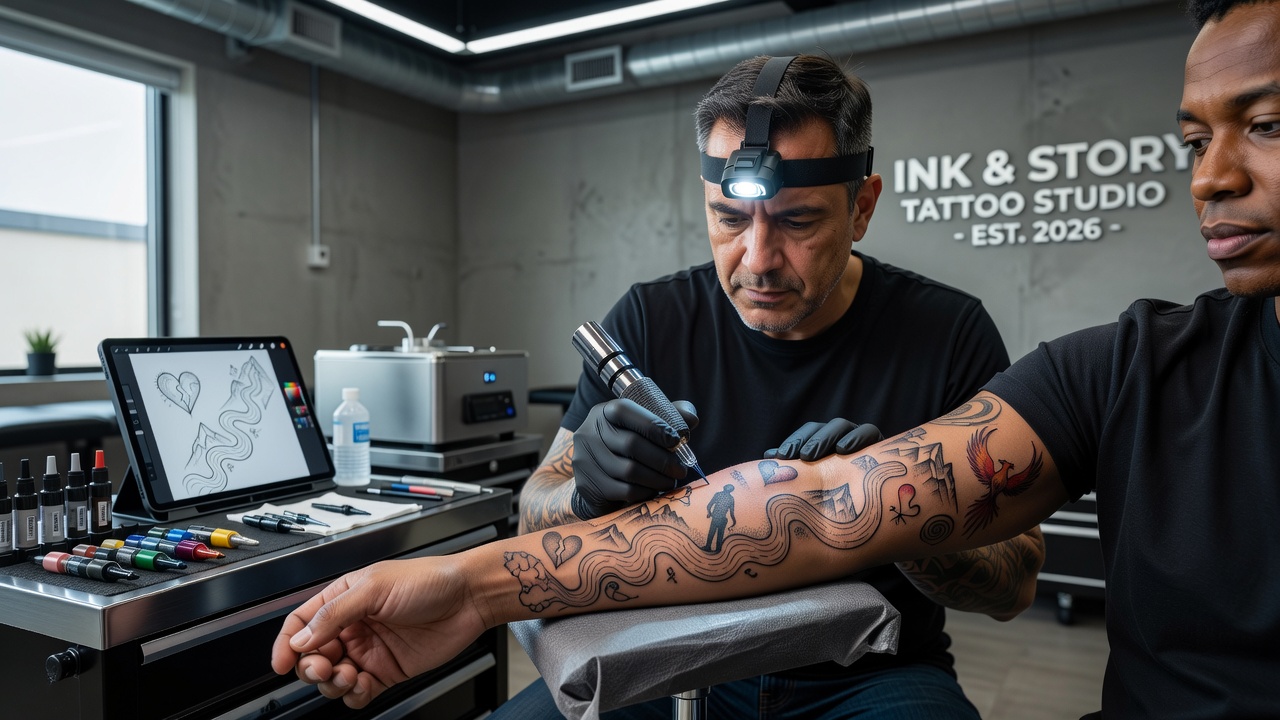
Begin consultations by discussing the client's vision, lifestyle, and placement. Show reference images and sketch iterations on a tablet. Address size, pain tolerance, and aftercare upfront to set realistic expectations. Case study example: A client requested a neo-traditional phoenix with symbolic rebirth motifs. The artist used gradient shading on the wings and incorporated subtle geometric patterns, resulting in a piece that photographed well for portfolio use. Another example involved a full sleeve blending traditional roses with modern astrological symbols, completed over four sessions with careful color layering to ensure even healing.
Documenting client feedback helps refine your approach. Provide visual mood boards that include both classic and neo-traditional references to align expectations. Follow-up appointments allow for touch-ups that maintain the vibrancy clients desire.
FAQs on Avoiding Common Pitfalls
- How do I prevent color fading? Use quality inks and proper aftercare; advise clients on sun protection.
- What causes blowouts in bold lines? Excessive pressure or improper needle depth—practice steady hand control.
- Can I mix neo-traditional with other styles? Yes, but maintain strong outlines to unify the piece.
- How long does a large piece take? Sessions often span multiple appointments; plan for healing time between.
- What aftercare products work best? Recommend fragrance-free moisturizers and avoid submerging fresh ink in water.
Common mistakes include overcrowding designs or neglecting skin texture—always adapt to the client's body. Regular portfolio reviews with peers can highlight areas for improvement in your technique.
Conclusion
Mastering neo-traditional techniques in 2026 positions artists for success by merging tradition with innovation. Apply these methods to create meaningful, durable tattoos that clients cherish. Continuous practice and adaptation will keep your work at the forefront of the industry. For further inspiration on art history influences, explore The Metropolitan Museum of Art, Britannica's art resources, and The Museum of Modern Art.
No comments yet. Be the first!