 Inked Mythos
Introduction to Advanced Cover-Up Techniques in 2026
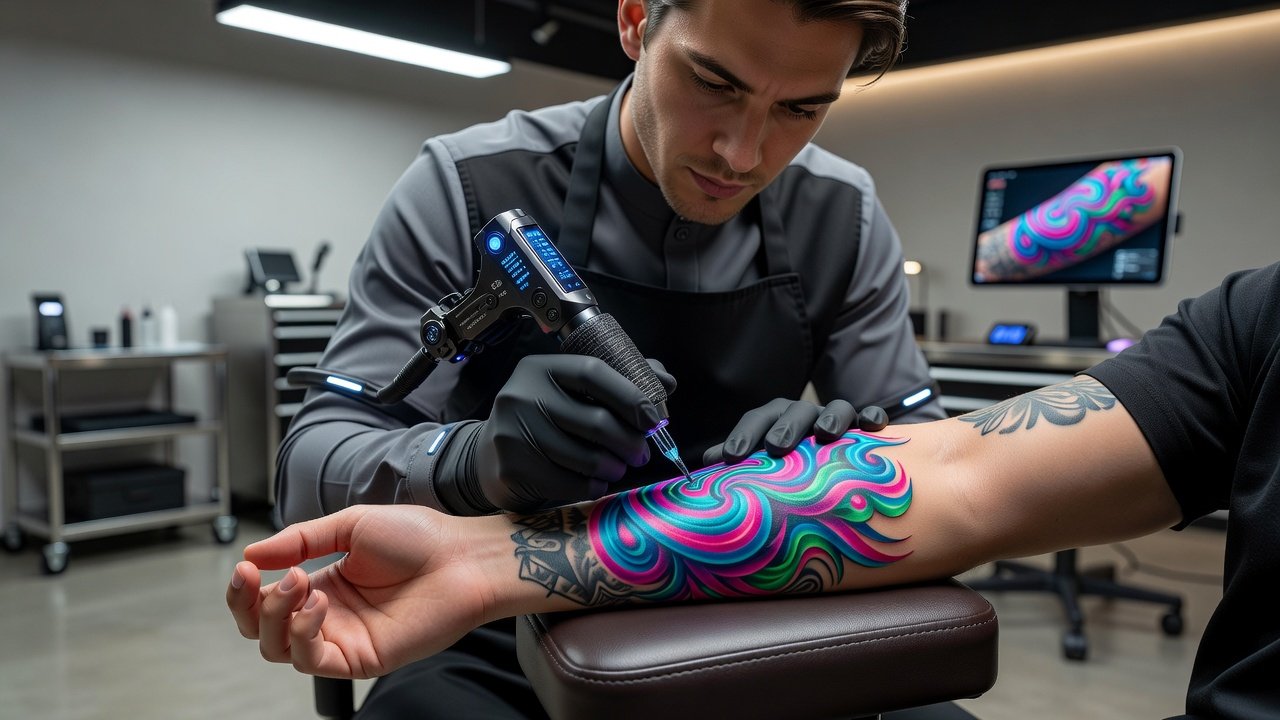
As tattoo culture evolves, cover-up work has become one of the most sophisticated skills in the industry. In 2026, artists are leveraging new ink formulations, digital design tools, and refined layering methods to completely transform unwanted tattoos. This guide provides practical, in-depth advice for professionals seeking to master these techniques, focusing on evaluation, execution, and client care. Cover-up tattoos require not only artistic vision but also technical precision to ensure the new design fully conceals or integrates with the old one while maintaining skin health. Many clients seek these services after life changes, such as career shifts or personal growth, making the emotional aspect of consultations equally important as the technical execution.
Step-by-Step Evaluation of Existing Ink
Before any cover-up begins, thorough assessment is essential. Start by examining ink depth, saturation, and color under multiple lighting conditions. Use a magnifying loupe to identify scar tissue or blowouts from previous work. Document the tattoo with high-resolution photos from various angles and measure dimensions accurately. Assess the age of the tattoo, as older ink tends to migrate deeper into the dermis, complicating coverage. This process helps determine if laser lightening is needed first or if direct layering is viable. Many artists recommend waiting at least six months after the original tattoo before attempting a cover-up to allow full healing. Additional steps include checking for any allergic reactions in the client's history and testing skin response in a small area. Professionals often use UV lights to reveal hidden details in faded tattoos that may affect the new design placement.
Color Matching and Pigment Selection
Modern inks in 2026 offer superior opacity and vibrancy. Artists should test swatches on similar skin tones to predict how new pigments will interact with old ones. Prioritize high-quality, vegan inks from reputable suppliers that minimize allergic reactions. Layering lighter colors over dark backgrounds requires multiple passes with careful opacity building, often using warm undertones to neutralize cool remnants. Real-world examples include transforming black tribal bands into colorful geometric sleeves by strategically placing warm tones. Comparisons show that traditional cover-ups often relied on heavy blackwork to obscure old designs, while contemporary methods emphasize artistic integration. Today’s approaches create seamless transitions that look intentional rather than corrective. Experiment with mixing custom shades to match surrounding skin or create gradients that blend flawlessly.
Design Layering Strategies
Effective layering begins with tracing the old tattoo onto transfer paper to map problem areas. New designs should incorporate existing lines where possible, turning flaws into features. For instance, a faded rose can become the center of a larger mandala or a geometric pattern can incorporate old script into abstract shapes. Use negative space and shading gradients to guide the eye away from remnants. Consider the client's body movement and how the design will flow across joints or curves. Advanced artists employ digital overlays to simulate final results before starting. 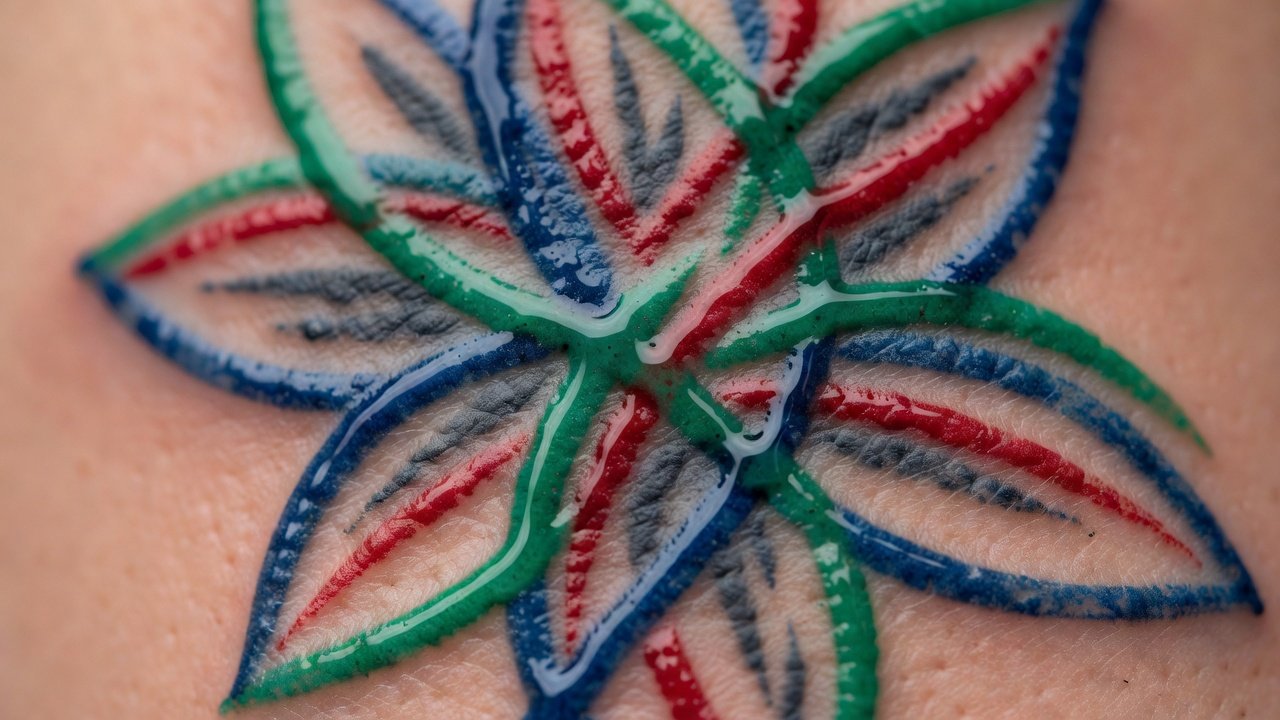
Skin Assessment and Client Consultations
Assess skin elasticity, thickness, and any medical history during consultations. Different skin types react uniquely—oily skin may cause ink to spread, while dry skin requires extra hydration prep. Discuss pain tolerance and healing expectations openly. Provide visual mockups using digital software so clients understand the final vision. This builds trust and reduces revisions. Artists report higher satisfaction rates when consultations include discussions of lifestyle factors like sun exposure that affect long-term results. Ask targeted questions about the client's daily routine, exercise habits, and previous tattoo experiences to tailor the approach. Include a review of potential risks such as hypertrophic scarring and obtain informed consent with clear documentation.
Modern Inks vs Traditional Methods
Traditional inks often faded unevenly, complicating cover-ups. Contemporary formulas include better stabilizers for consistent healing. Artists can now achieve full coverage in fewer sessions. A useful list of best practices includes:
- Always perform patch tests 48 hours prior.
- Work in thin layers to avoid raised scarring.
- Schedule follow-ups at 4-6 weeks for touch-ups.
- Recommend clients avoid swimming during the initial healing phase.
- Monitor for signs of infection and advise immediate medical attention if needed.
Real-World Examples from Ink Artists
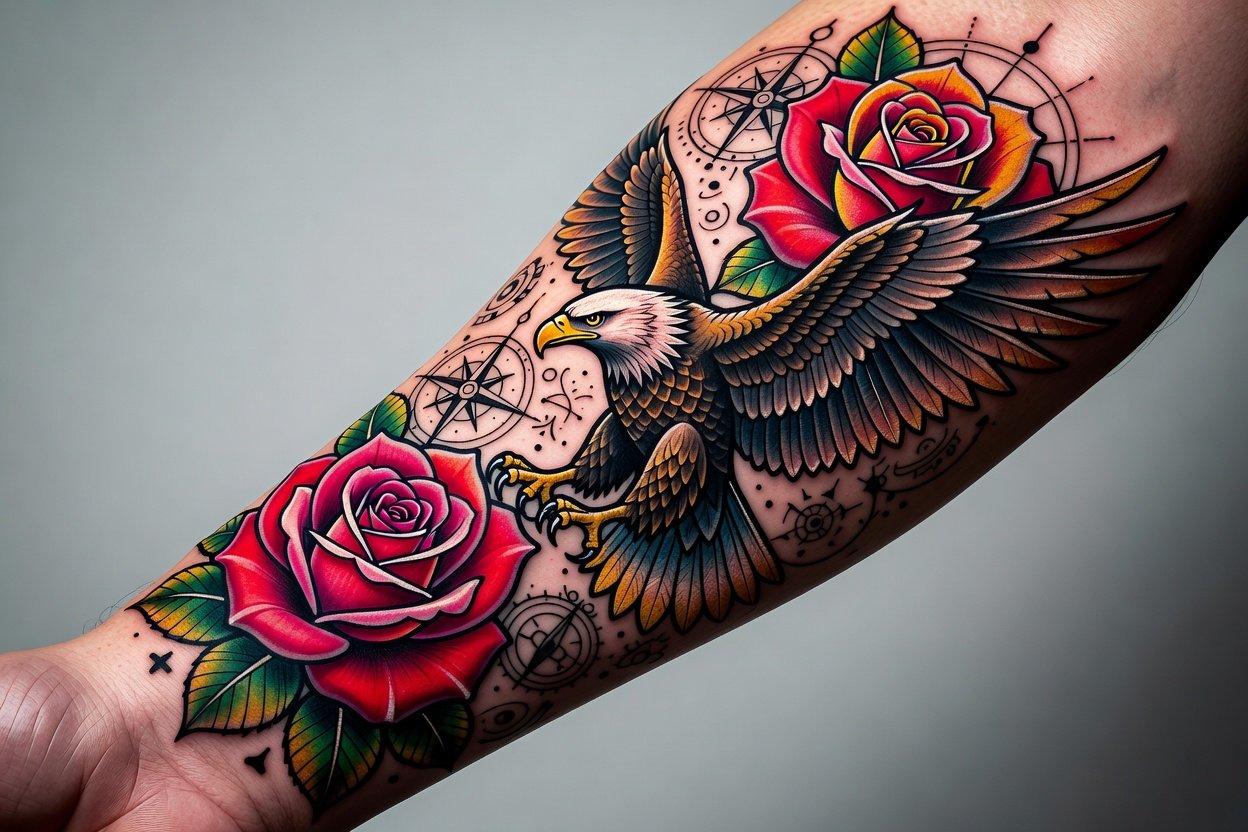
Seasoned professionals like those featured in major conventions share stories of covering prison tattoos with meaningful family portraits or converting regretful names into abstract art. One artist described transforming a large black eagle into a phoenix by adding vibrant feathers and flames that incorporated the original outline. Another example involved layering a botanical garden scene over faded text, using leaf veins to disguise old lettering. These transformations highlight the emotional impact of skilled cover-ups and demonstrate how creativity turns regrets into celebrations of personal evolution. Case studies from 2026 conventions show success rates improving with combined laser and tattoo sessions.
Mistakes to Avoid in Cover-Up Work
Common pitfalls include rushing the design phase without proper mapping or ignoring skin tone variations that cause color mismatches. Avoid over-saturating areas, which leads to blowouts, and always plan for multiple sessions if the old tattoo is dense. Never skip aftercare education, as poor healing can ruin even the best technical work.
FAQ Section
What are typical pain levels during cover-up sessions?
Pain varies by location and individual tolerance but is often comparable to the original tattoo. Topical anesthetics can help manage discomfort, though results differ by product and application method.
How long does healing take for cover-up tattoos?
Initial healing occurs in 2-4 weeks, with full settling of colors taking 6-8 weeks. Follow aftercare strictly to prevent complications like fading or infection.
What aftercare best practices should clients follow?
Keep the area clean, moisturized with recommended products, and protected from sun. Avoid picking at scabs. For authoritative guidance on skin health, refer to resources from the FDA, the World Health Organization, and the CDC.
Conclusion
Mastering 2026 cover-up techniques positions tattoo artists as true problem solvers. By combining technical skill with empathetic consultations, professionals deliver results that exceed client expectations and advance the art form. Continuous education on new products and methods ensures long-term success in this evolving specialty.
No comments yet. Be the first!