 Inked Mythos
Introduction to Narrative Sleeve Tattoos in 2026
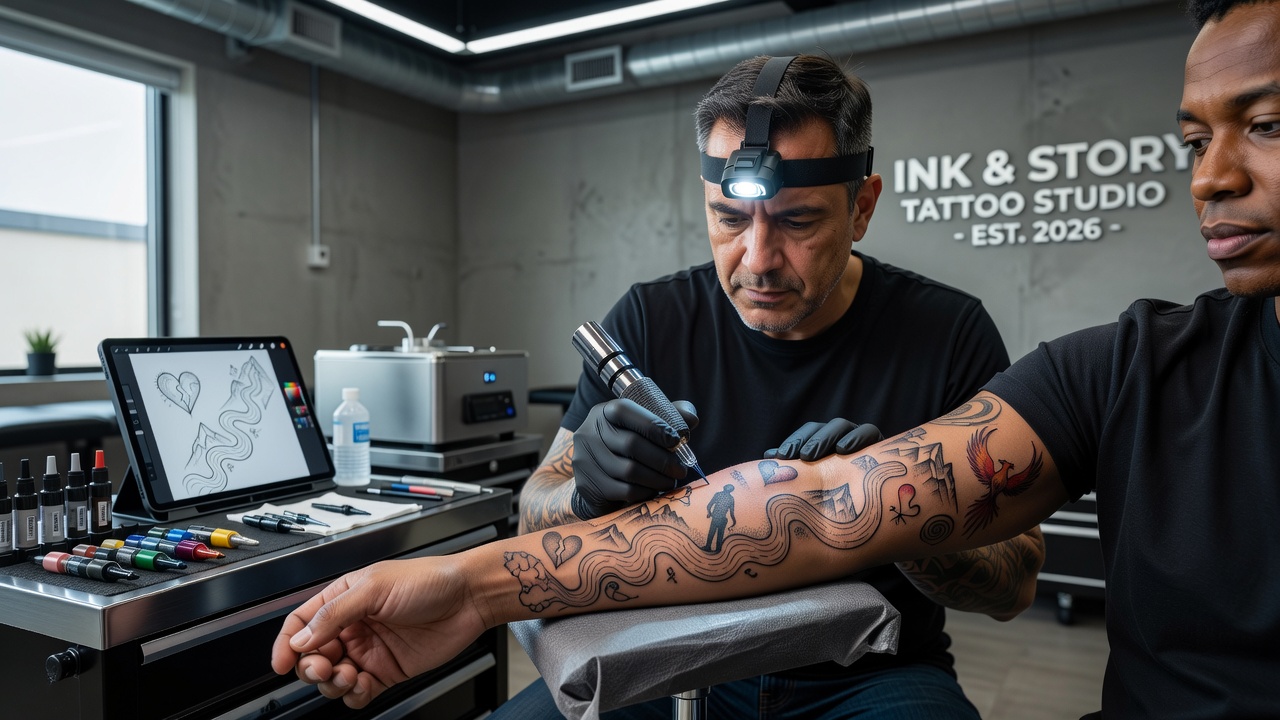
In 2026, sleeve tattoos have evolved beyond decorative patterns into powerful vehicles for personal storytelling. Ink artists now act as skilled narrators, weaving clients' life experiences into cohesive visual epics that span from shoulder to wrist. This approach demands mastery of composition, symbolism, and emotional depth, helping aspiring creators differentiate in a competitive market. Whether drawing from cultural heritage or intimate milestones, these designs foster deep client connections and lasting impact. The shift toward narrative-driven work reflects broader cultural trends where individuals seek tattoos that serve as living autobiographies rather than static images. Artists must therefore develop advanced skills in listening, visual translation, and iterative design to meet client expectations for authenticity and emotional resonance. This comprehensive guide examines the core techniques that define successful sleeve storytelling today, providing practical frameworks that both established professionals and emerging ink artists can apply immediately.
Selecting Thematic Elements for Cohesive Storytelling
Effective sleeve tattoos begin with thoughtful theme selection. Artists collaborate closely with clients to identify core motifs that represent their journeys, such as resilience through nature imagery or transformation via mythical creatures. Key considerations include cultural sensitivity, color palettes that evoke specific moods, and scalability across the arm's contours. For instance, a client recounting a career shift might incorporate phoenix motifs transitioning into geometric forms, ensuring the narrative flows logically from bicep to forearm. Additional factors involve researching historical precedents for chosen symbols to avoid unintended meanings, testing color harmony under different lighting conditions, and mapping how themes interact when the arm is in motion. Artists often create mood boards during initial consultations to align visual language with the client's verbal descriptions of pivotal life events. This preparatory phase prevents later revisions and builds trust by demonstrating meticulous attention to narrative integrity.
Integrating Client Life Stories Seamlessly
The heart of modern sleeve design lies in authentically incorporating personal narratives. Artists conduct in-depth interviews to uncover pivotal moments, relationships, and values, then translate these into visual sequences. Techniques involve layering subtle symbols—like birthdates hidden in constellations or family crests within landscapes—while maintaining artistic flow. This personalization elevates tattoos from art to memoir, creating pieces that clients cherish for decades. Advanced methods include chronological mapping where key events are positioned along the natural progression of the arm, and metaphorical layering that allows multiple interpretations of the same imagery over time. The Metropolitan Museum of Art highlights how historical body art traditions similarly encoded life stories across cultures, offering inspiration for contemporary applications. Successful integration also requires sensitivity to emotional pacing, ensuring intense personal moments are balanced with reflective or uplifting elements to create an overall arc that feels complete yet open to future chapters.
Balancing Negative Space for Visual Impact
Negative space serves as a critical tool in 2026 sleeve compositions, preventing overcrowding and allowing designs to breathe. Artists strategically leave areas of skin untouched to highlight focal points or create breathing room between narrative segments. This technique enhances readability from a distance and adds a modern, minimalist contrast to dense storytelling elements. Effective use of negative space also supports practical considerations such as skin healing, movement flexibility, and future additions. By treating blank areas as active components of the composition, artists achieve a dynamic rhythm that guides the viewer's eye through the story without visual fatigue. 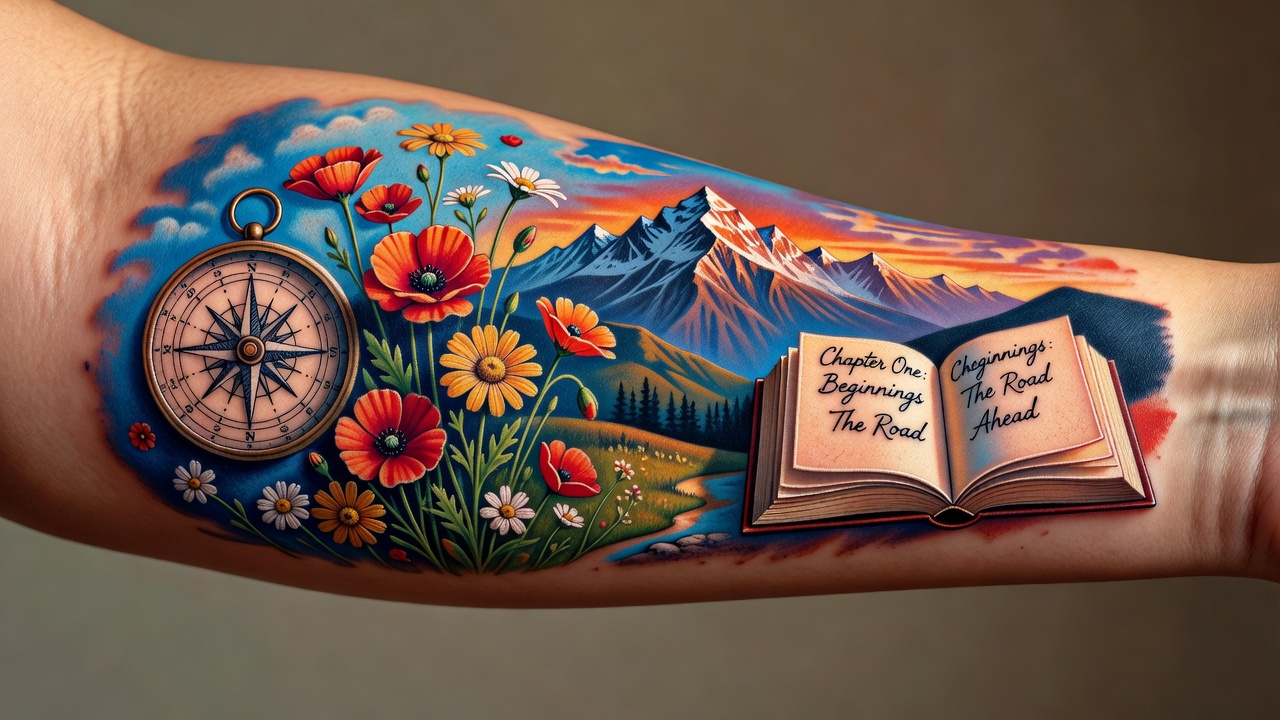
Evolving Designs Over Multiple Sessions: A Step-by-Step Process
Complex narrative sleeves rarely complete in one sitting. A proven planning process includes: 1) Initial consultation and story mapping, where artists document client anecdotes and identify recurring motifs; 2) Sketching and digital mockups for client approval, often using 3D arm models to preview flow; 3) Session one focusing on foundational outlines and major themes to establish structure; 4) Mid-sessions layering details, colors, and transitional elements while allowing healing intervals; 5) Final session refining shading, integrating negative space, and adding micro-details that tie the entire narrative together. This phased approach allows designs to adapt as client insights deepen, ensuring the final piece remains dynamic and true to evolving personal stories. Artists document each stage with photography and notes to maintain consistency across months or even years of work. Regular check-ins help adjust for life changes that may influence the story's direction.
Traditional vs Modern Narrative Styles: A Comparison
Traditional styles, such as Japanese irezumi, emphasize bold lines and symbolic hierarchies drawn from folklore, offering timeless structure but less flexibility for contemporary life events. Modern approaches blend realism, geometric abstraction, and mixed media influences, allowing hyper-personal elements like photographic portraits or abstract representations of memories. The choice depends on client preference—traditional for cultural reverence and bold visibility, modern for innovative expression and subtle layering. Both can achieve emotional resonance when executed with narrative intent. Comparative analysis reveals that traditional methods excel in longevity and cultural storytelling depth, while modern techniques provide greater adaptability for diverse client backgrounds and evolving identities. Artists often hybridize these approaches to create unique hybrids tailored to individual needs.
Real-World Examples from Tattoo Legends
Legendary artists like those featured in global conventions demonstrate these techniques through sleeves that chronicle entire life arcs. One notable case involves a multi-year project depicting a survivor's journey with interwoven medical symbols and uplifting natural elements, resulting in a piece that serves both as personal catharsis and public inspiration. Another example features an immigrant's sleeve combining ancestral patterns with urban landscapes to represent cultural transition and resilience. Such examples underscore the importance of patience and collaboration, inspiring new artists to prioritize storytelling depth over speed. These real-world applications highlight how narrative sleeves can function as community conversation starters and personal talismans.
Common Mistakes to Avoid in Sleeve Storytelling
- Overloading with too many disconnected symbols, leading to visual chaos and diluted emotional impact—always prioritize thematic unity.
- Ignoring arm anatomy, which distorts the narrative flow when the arm moves or flexes during daily activities.
- Neglecting future evolution, such as leaving space for additional chapters in the client's life story to accommodate growth.
- Choosing trends over timeless elements that may date quickly and lose personal relevance within a few years.
- Failing to account for skin tone variations in color selection, which can alter the intended mood and readability of the narrative.
FAQ: Addressing Client Concerns
How long does a narrative sleeve typically take?
Most full sleeves require 8–15 sessions spread over 6–18 months, depending on detail complexity and healing times between appointments.
Can I update the design later?
Yes, skilled artists design with modularity in mind, allowing seamless additions that extend the original story without disrupting existing work.
What if my story changes over time?
Artists often incorporate flexible motifs that accommodate life shifts, turning potential challenges into opportunities for layered meaning and continued relevance.
How do artists ensure cultural accuracy in storytelling elements?
Thorough research and client collaboration are essential, often involving consultation with cultural experts to honor traditions respectfully.
Is aftercare different for narrative sleeves?
Standard aftercare applies, but artists provide customized guidance to protect fine details and color vibrancy across large surface areas.
Conclusion
Mastering sleeve tattoo storytelling positions 2026 ink artists as essential collaborators in clients' self-expression journeys. By focusing on thematic depth, personal integration, and technical balance, creators produce work that transcends trends. Aspiring artists who embrace these methods will stand out, crafting tattoos that truly resonate emotionally and endure as living narratives. Continued education through workshops and peer critique remains vital for refining these sophisticated skills. Smithsonian Magazine offers further insights into the cultural evolution of body art practices worldwide, while resources from established art institutions provide additional context for symbolic storytelling traditions.

No comments yet. Be the first!