 Inked Mythos
Introduction to Minimalist Tattoos in 2026
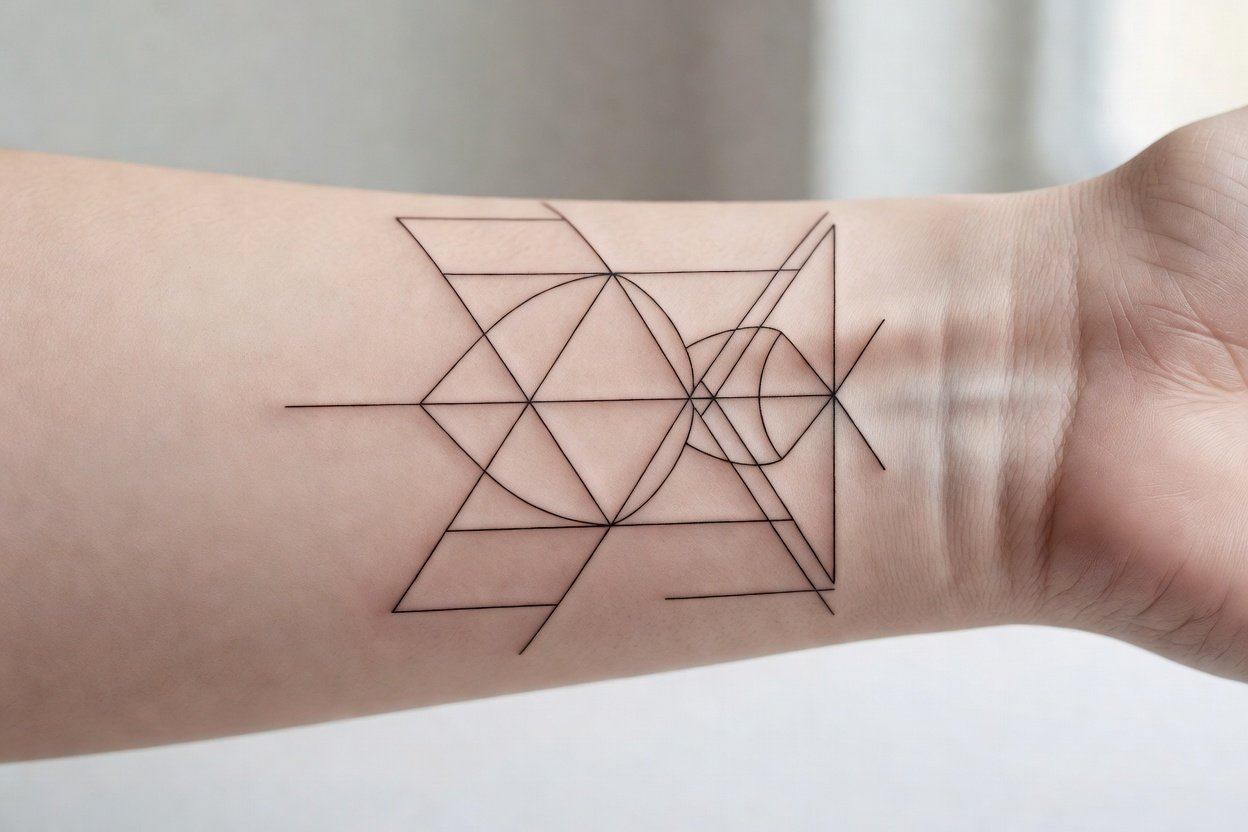
The demand for minimalist body art continues to grow in 2026 as clients seek subtle yet meaningful designs that integrate seamlessly into everyday life. Tattoo artists are adapting their skills to meet this preference for simplicity without sacrificing depth or personal significance. This shift emphasizes precision, restraint, and thoughtful execution over bold statements. In an era where personal expression often favors understated elegance, minimalist tattoos provide a powerful way to convey stories, values, or memories through carefully chosen elements. Established ink artists report that minimalist styles allow for greater versatility across body placements while maintaining artistic integrity. Clients often request designs that evolve gracefully with age, making longevity a key consideration from the initial consultation. This article explores the core techniques, practical applications, and strategic decisions that help tattoo professionals build a successful minimalist portfolio.
The Rising Demand for Subtle Body Art
Minimalist tattoos appeal to a broad audience, including professionals who prefer discreet ink and individuals exploring their first tattoo experience. The style draws from clean aesthetics, focusing on essential elements rather than elaborate details. Artists note increased requests for single-line drawings, geometric forms, and symbolic icons reduced to their core shapes. Market observations from 2026 indicate that clients in urban areas particularly value tattoos that complement professional attire while still holding personal resonance. This trend reflects broader cultural movements toward mindfulness and intentional living, where less visual noise translates to more emotional impact.
Core Techniques: Fine Line Work
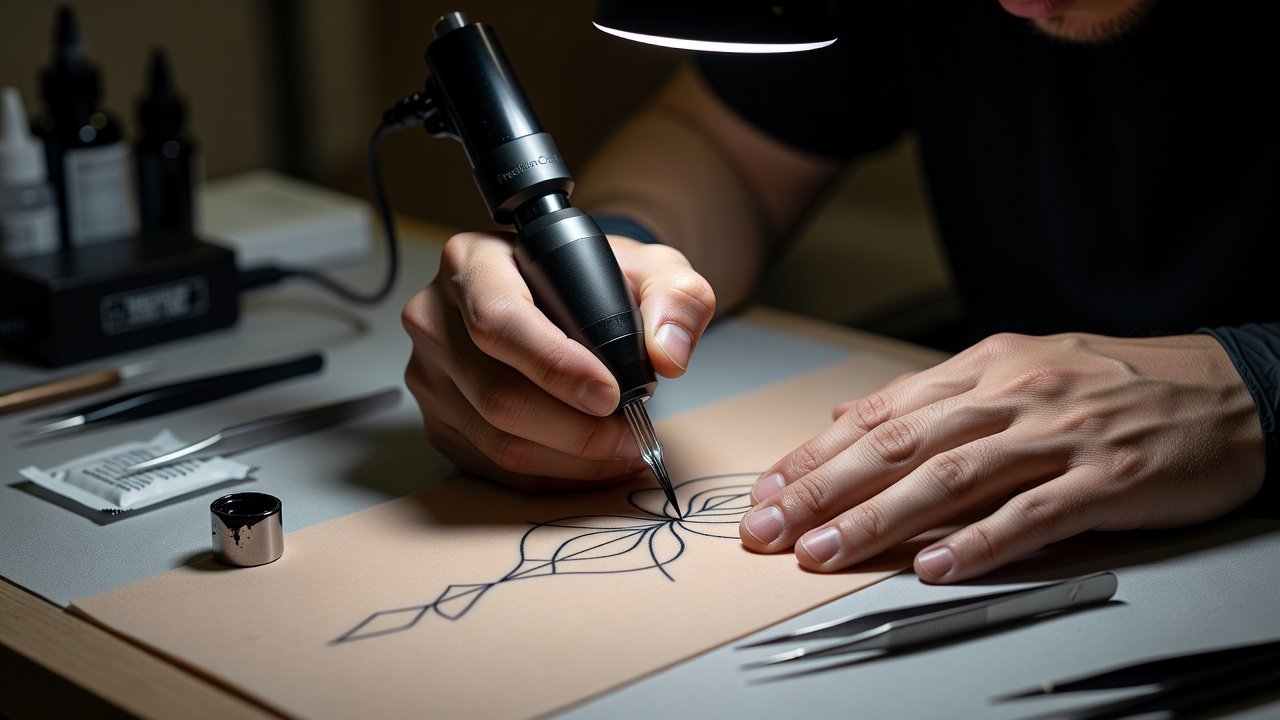
Fine line work forms the foundation of minimalist tattoos. Artists use single-needle techniques to create delicate lines that require steady hands and controlled pressure. This method demands high-quality machines capable of consistent output at lower voltages to avoid skin trauma. Practitioners recommend practicing on synthetic skins before live sessions to master the balance between depth and visibility. Over time, fine lines can blur, so artists select ink formulations designed for crisp retention over years. A practical example involves starting with a 0.25mm needle for outlines on the inner forearm, gradually building layers to achieve even saturation without excess trauma. Artists also study hand positioning to minimize hand fatigue during longer sessions on intricate patterns.
Negative Space Usage
Negative space plays a critical role in minimalist designs by allowing skin to become part of the composition. Strategic blank areas create contrast and breathing room, preventing overcrowding. For example, a simple outline of a mountain range gains impact when surrounding skin remains untouched. Artists study light and shadow principles to enhance this effect, ensuring the final piece reads clearly from multiple angles. In practice, this might mean leaving intentional gaps in a geometric fox silhouette so the viewer’s eye completes the form naturally. Effective use of negative space also reduces overall ink volume, which supports faster healing and lower risk of complications.
Precise Placement Strategies
Placement determines how a minimalist tattoo interacts with body movement and clothing. Popular sites include wrists, ankles, and behind the ear for subtle visibility. Artists map client anatomy carefully, considering muscle flow and skin texture to optimize longevity. Step-by-step placement process includes initial consultation sketches, temporary transfers for approval, and adjustments based on natural body contours. Additional considerations involve how joints flex and how clothing might rub against the area, which can accelerate fading if not accounted for during design. For instance, a collarbone placement requires extra care to align with bone structure for stability.
Adapting Traditional Motifs into Simplified Forms
Traditional symbols like anchors or flowers are distilled into geometric or linear versions. An artist might reduce a rose to three curved lines with a central dot, preserving recognition while eliminating excess detail. This approach maintains cultural resonance without visual clutter. Examples from veteran tattooists show how Celtic knots transform into intersecting arcs, retaining symbolic weight in a contemporary context. Another common adaptation involves converting animal portraits into minimal side profiles using only five to seven lines total, allowing clients to honor heritage or pets in a refined manner suitable for repeated viewing.
Color Restraint for Longevity
Many minimalist pieces rely on black ink alone or muted palettes to ensure fading resistance. Restraint in color choice reduces the risk of ink migration and supports cleaner healing. Artists advise clients on how skin tone influences pigment visibility over time. Testing small color swatches during consultation helps predict long-term appearance. CDC guidelines on tattoo safety highlight the importance of sterile practices during application to support optimal color retention.
Tools That Enhance Precision
Modern equipment such as rotary machines with adjustable needle depths and digital stencil printers improve accuracy. Magnification lamps and ergonomic grips help artists maintain control during extended sessions on intricate areas. Recommended tools include:
- Single-needle configurations for ultra-fine details
- Low-viscosity inks formulated for minimal bleeding
- Wireless machines offering consistent power delivery
- Stencil transfer papers designed for fine-line transfer
- Adjustable LED task lighting to reduce eye strain
These tools allow artists to expand their minimalist portfolio efficiently while preserving handcrafted quality.
Client Consultation Best Practices
Successful minimalist sessions begin with thorough consultations. Artists should prepare mood boards, discuss lifestyle factors such as sun exposure, and set realistic expectations about healing timelines. Documenting client preferences in writing helps avoid miscommunication and ensures the final design aligns with both artistic standards and personal goals.
Step-by-Step Examples from Established Ink Artists
One renowned practitioner begins with client mood boards, followed by iterative digital mockups. The session starts with a light outline pass, then refines with multiple light layers rather than heavy single passes. Healing instructions emphasize moisturizing routines to protect delicate lines. Another artist demonstrates adapting a client’s handwriting into a minimalist script tattoo by spacing letters for visual flow and testing on practice skin first. A third example involves converting a client’s favorite quote into a single-line continuous drawing that wraps elegantly around the ankle, requiring precise measurement to maintain proportion during the session.
Comparisons to Bolder Tattoo Styles
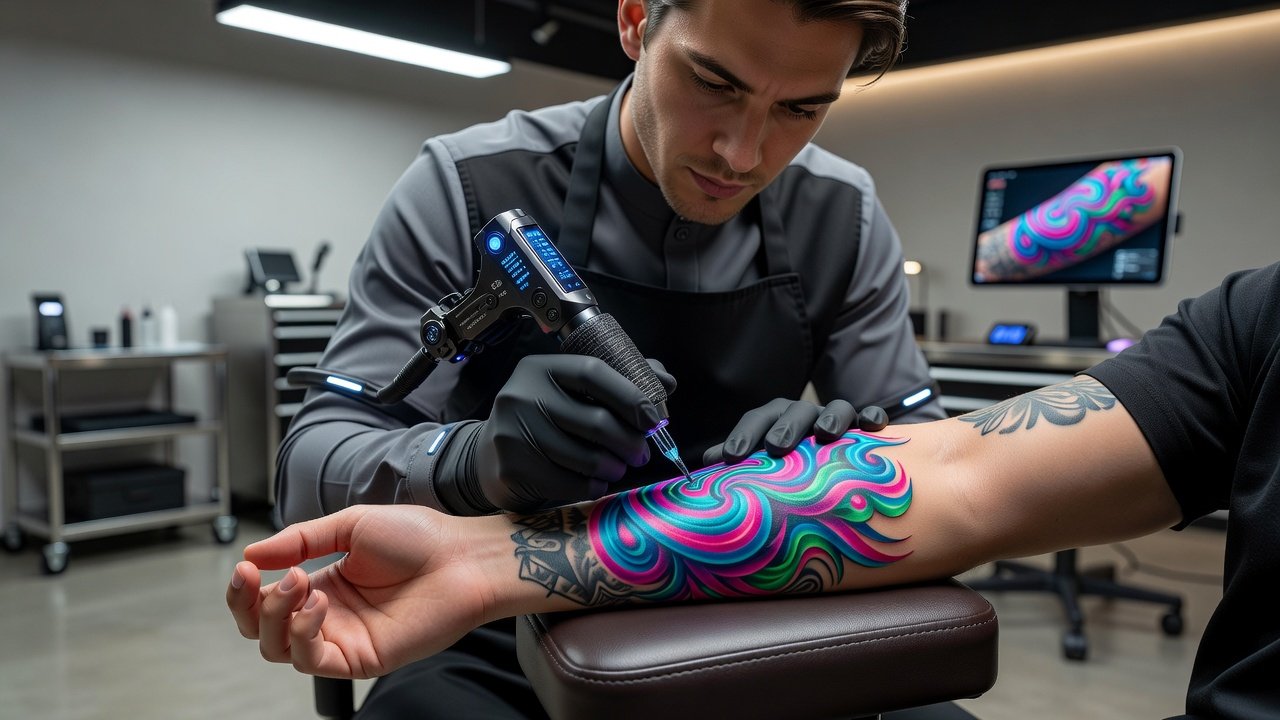
Unlike traditional or neo-traditional styles that rely on heavy saturation and vibrant colors, minimalist work prioritizes negative space and subtlety. Bolder designs may require more sessions for color packing, whereas minimalist pieces often complete in one sitting. Healing times differ, with fine-line tattoos generally recovering faster due to reduced skin disruption. Artists transitioning between styles note that minimalist work sharpens overall technical skills applicable across portfolios. In terms of client satisfaction, minimalist tattoos often receive fewer revision requests because their simplicity ages more gracefully than densely packed alternatives.
Maintaining Artistic Integrity
While meeting client requests for minimalism, artists must guard against designs that lose meaning through excessive simplification. Regular portfolio reviews and peer feedback sessions help maintain balance between commercial demand and creative expression. This ensures long-term professional fulfillment alongside business growth.
FAQ Section
How long do minimalist tattoos last?
With proper aftercare, they maintain clarity for decades, though fine lines may soften slightly after 10–15 years.
Is minimalist tattooing suitable for first-time clients?
Yes, the smaller scale and quicker sessions reduce intimidation while delivering meaningful results.
What aftercare supports longevity?
Follow Mayo Clinic recommendations for gentle cleaning and sun protection to preserve ink integrity. Additional resources from health authorities such as FDA tattoo safety information provide further guidance on product selection.
Conclusion
Mastering minimalist techniques equips tattoo artists to meet evolving client expectations in 2026. By focusing on precision, restraint, and thoughtful adaptation, creators deliver timeless pieces that honor both artistic vision and personal stories. Continuous practice with modern tools ensures portfolios remain relevant and sought-after.
No comments yet. Be the first!