 Inked Mythos
Introduction to Negative Space Tattoos in 2026
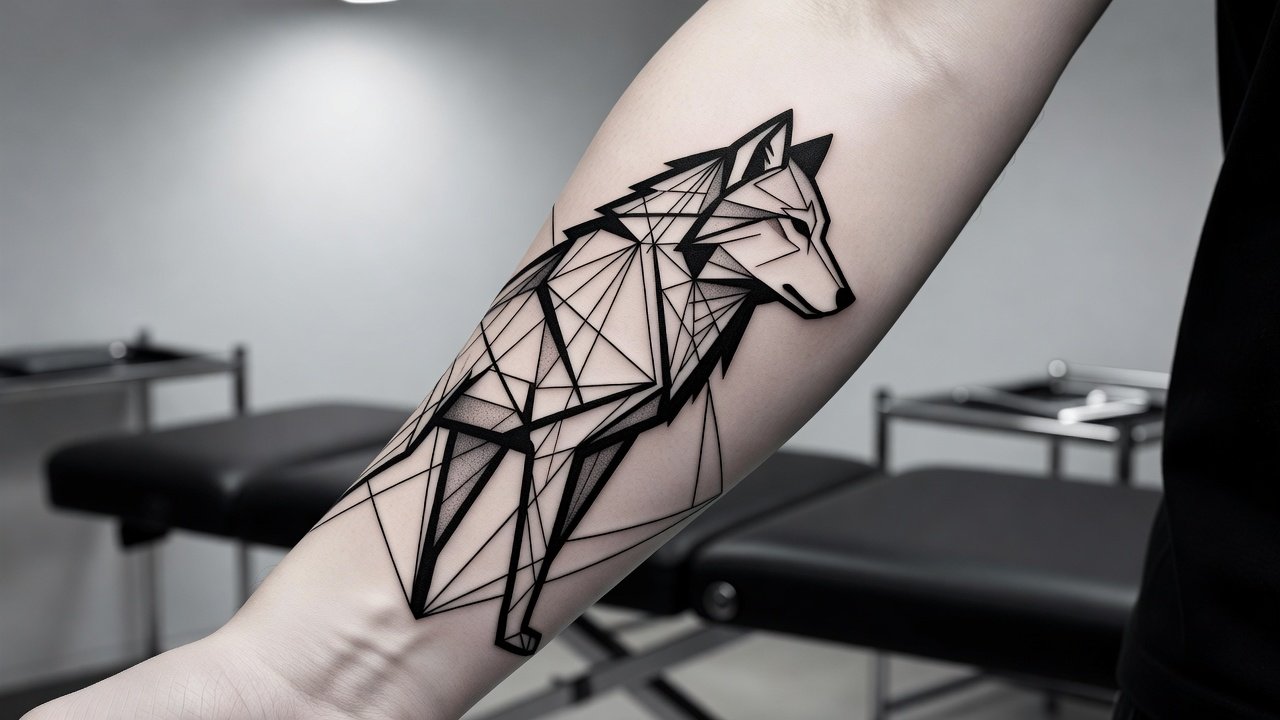
Negative space tattoos have evolved into a sophisticated art form by 2026, where the absence of ink creates powerful visual impact. Leading ink artists leverage empty areas to form shapes, patterns, and illusions that rival heavily filled designs. This mastery guide explores core principles, practical techniques, and strategies to elevate your craft. The style emphasizes minimalism while delivering maximum emotional resonance, making it a favorite among clients seeking elegant, timeless body art that stands out without overwhelming the skin.
Core Design Principles: Contrast and Balance
Successful negative space work hinges on masterful use of contrast and balance. High contrast between inked and bare skin amplifies the design, while balance ensures the composition feels harmonious on the body’s natural curves. Artists study anatomy to position negative areas that enhance movement and depth. In 2026, many professionals incorporate subtle gradients within positive elements to make the untouched skin pop even more dramatically. Consider how light interacts with skin tones—darker skin requires bolder outlines to maintain definition. Balance prevents overcrowding, allowing negative space to breathe and draw the eye. Proportion is equally critical; a well-balanced piece maintains visual weight across the entire tattoo regardless of viewing angle.
Client Consultation Strategies for Custom Body Art
Effective consultations begin with understanding the client’s lifestyle and vision. Discuss placement carefully, as negative space tattoos can appear subtle from afar but intricate up close. Use reference images and digital mockups to align expectations. Address skin type, healing concerns, and long-term maintenance to avoid disappointment. Seasoned artists spend extra time exploring the client’s daily activities, sun exposure habits, and even wardrobe preferences that might affect visibility. Encourage clients to consider how the design will age, emphasizing that negative space relies on clean skin contrast that may soften over decades. Provide visual aids showing healed examples on similar skin tones to set realistic expectations and build trust.
Step-by-Step Application Methods
1. Sketch the design with emphasis on negative areas first, iterating until the empty spaces form clear secondary images.
2. Transfer stencil ensuring precise negative zones are marked and double-checked against the body’s contours.
3. Outline key positive elements lightly to preserve skin integrity while establishing boundaries.
4. Build shading gradually using light passes, leaving intentional voids that become integral to the composition.
5. Refine edges for crisp transitions between inked and empty space, often using magnification tools for accuracy.
6. Apply aftercare instructions focused on preserving contrast, including specific moisturizers and sun avoidance protocols.
These steps help maintain the minimalist integrity central to the style. Advanced practitioners in 2026 often photograph each stage to analyze and improve future sessions.
Tool Recommendations for Precision Work
Artists favor fine liners (0.25mm–0.35mm) for delicate outlines and magnum shaders for smooth gradients without overworking skin. Rotary machines with adjustable stroke lengths offer control for negative space precision. Quality inks with high pigment density ensure longevity of contrast. Always sterilize tools meticulously per health guidelines. Many 2026 studios now integrate wireless machines with digital feedback for consistent needle depth, reducing trauma in delicate negative areas. Pair these with high-quality transfer papers designed for fine detail retention.
CDC tattoo safety resources provide essential standards for infection prevention.
Real Examples from Tattoo Legends
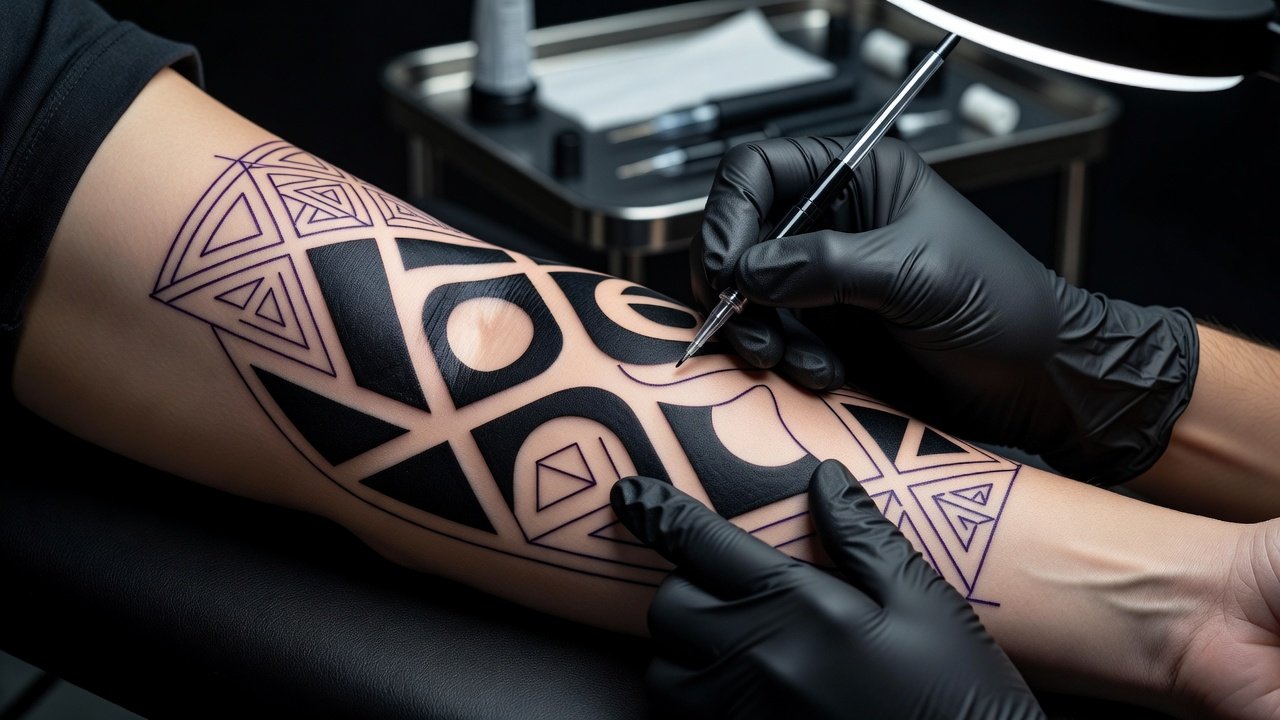
Legends like those featured in modern tattoo expos demonstrate negative space through geometric portraits and nature motifs where shadows form animals or faces. One notable 2025 piece used negative space to create a wolf silhouette from bare skin within a forest of lines, showcasing balance on the forearm. Another master artist created a cityscape on the ribcage where negative space formed the glowing windows of skyscrapers. These examples highlight how legends push boundaries by combining negative space with micro-detailing for layered storytelling on the body.
Comparing Negative Space Approaches with Traditional Filled Styles
Traditional filled tattoos rely on dense color and shading for impact, often requiring more sessions and higher ink volume. Negative space designs finish faster with less trauma to skin, offering a minimalist aesthetic that ages gracefully. However, they demand greater precision in planning. Filled styles provide bolder visibility from distance, while negative space excels in subtlety and elegance. Many artists blend both approaches for hybrid results that combine depth with negative highlights. Clients often choose negative space for its lower maintenance and sophisticated appearance in professional settings.
Common Pitfalls to Avoid
- Overcomplicating negative areas, leading to muddled designs that lose impact upon healing.
- Ignoring skin movement, which distorts empty spaces post-healing and requires follow-up touch-ups.
- Insufficient contrast on varied skin tones, resulting in designs that disappear under certain lighting.
- Poor aftercare that causes ink spread into negative zones, ruining the intended negative effect.
- Neglecting to account for body hair growth patterns that can interfere with clean negative spaces over time.
Advanced Techniques Emerging in 2026
Contemporary artists are experimenting with multi-layered negative space that incorporates faint dotwork or single-needle accents within voids. Some incorporate UV-reactive elements that only appear under blacklight, adding an interactive dimension. These techniques require extensive testing on practice skins before client application.
Healing and Aftercare Specifics
Proper healing is vital for preserving negative space integrity. Clients should avoid sun exposure for at least four weeks and use fragrance-free moisturizers. Regular gentle cleansing prevents scabbing that could fill in empty areas. Follow-up appointments at the six-week mark allow artists to assess contrast and make minor adjustments if needed.
FAQ for Aspiring Ink Artists and Body Art Creators
How do I practice negative space without clients?
Start with synthetic skin or paper exercises focusing on shape creation through omission, then progress to personal practice pieces.
What if negative space tattoos fade faster?
They don’t inherently fade faster, but require strong initial contrast and sun protection to maintain definition over years.
Can negative space work on all body parts?
Yes, but areas with high friction like hands and feet need extra planning for longevity and may require bolder outlines.
How important is client skin tone in planning?
Extremely important—artists must adjust line weight and shading density to ensure visibility across all tones.
Explore further safety protocols at Mayo Clinic and WHO health guidelines for informed client discussions.
Conclusion
Mastering negative space tattoos in 2026 demands dedication to precision, client communication, and ongoing education. By focusing on contrast, balance, and thoughtful application, artists can create enduring works that captivate through what is left unsaid on the skin.
No comments yet. Be the first!