 Inked Mythos

Introduction: Why Legal Protection Matters for Tattoo Artists in 2026
In an era of widespread social media sharing, tattoo artists face unprecedented risks of design theft and unauthorized reproduction. This guide delivers practical legal strategies tailored for ink creators seeking to safeguard original body art amid evolving digital landscapes. From registration processes to international disputes, these essentials help build robust protections that support creative careers long-term. Tattoo artists must understand how digital platforms amplify exposure while simultaneously increasing vulnerability to copying, especially as high-resolution photos of finished pieces circulate globally within hours of completion.
Understanding Copyright Basics for Tattoo Designs
Original tattoo artwork receives automatic copyright protection upon creation in most jurisdictions, covering the unique expression of ideas rather than the underlying concepts. Artists own the copyright in their drawings and the tattoo as applied, but client commissions introduce complexities around usage rights. Real-world examples include cases where flash art was replicated across studios without permission, leading to lost revenue and reputational harm. For instance, an artist who posted portfolio images online discovered identical designs appearing on multiple clients at competing shops, highlighting the need for proactive measures beyond mere creation.
Step-by-Step Guide to Registering Your Designs
Registration strengthens enforcement options and creates a public record that deters potential infringers. Follow these detailed steps for US creators:
- Prepare high-quality digital copies of your designs in accepted formats such as JPEG or PDF, ensuring each file clearly shows the artwork without watermarks that obscure details.
- Visit the official copyright office portal to complete an application, selecting the appropriate category for visual arts and providing a detailed description of the work.
- Pay the required fee and submit supporting materials, including any prior publication dates if the design has appeared in portfolios or social media.
- Receive your certificate, enabling statutory damages claims in infringement suits and providing prima facie evidence of ownership in court proceedings.
EU artists benefit from similar systems through national offices harmonized under broader directives. Consistent registration across portfolios builds a defensible archive that proves valuable when licensing designs or pursuing settlements.
Handling Infringement Cases Effectively
When unauthorized copies appear online or in other studios, document evidence immediately with timestamps and screenshots. Send cease-and-desist letters before escalating to litigation. Successful resolutions often involve settlements that include attribution and compensation, preserving professional relationships where possible. Artists should maintain detailed records of creation dates, client communications, and distribution history to strengthen their position during negotiations or trials.
Drafting Strong Model Releases and Client Contracts
Model releases clarify rights for photography of finished tattoos, while client contracts specify usage limits on custom designs. Include clauses on social media posting, derivative works, and resale prohibitions. Templates should address moral rights where applicable, ensuring artists retain attribution control. Practical examples include requiring clients to credit the artist in any public posts and prohibiting commercial use of the tattoo image without additional licensing fees. Reviewing sample contracts from established legal resources helps artists customize agreements that cover edge cases such as touch-up work or design modifications requested later.
US vs EU Law Comparisons for Tattoo Protection
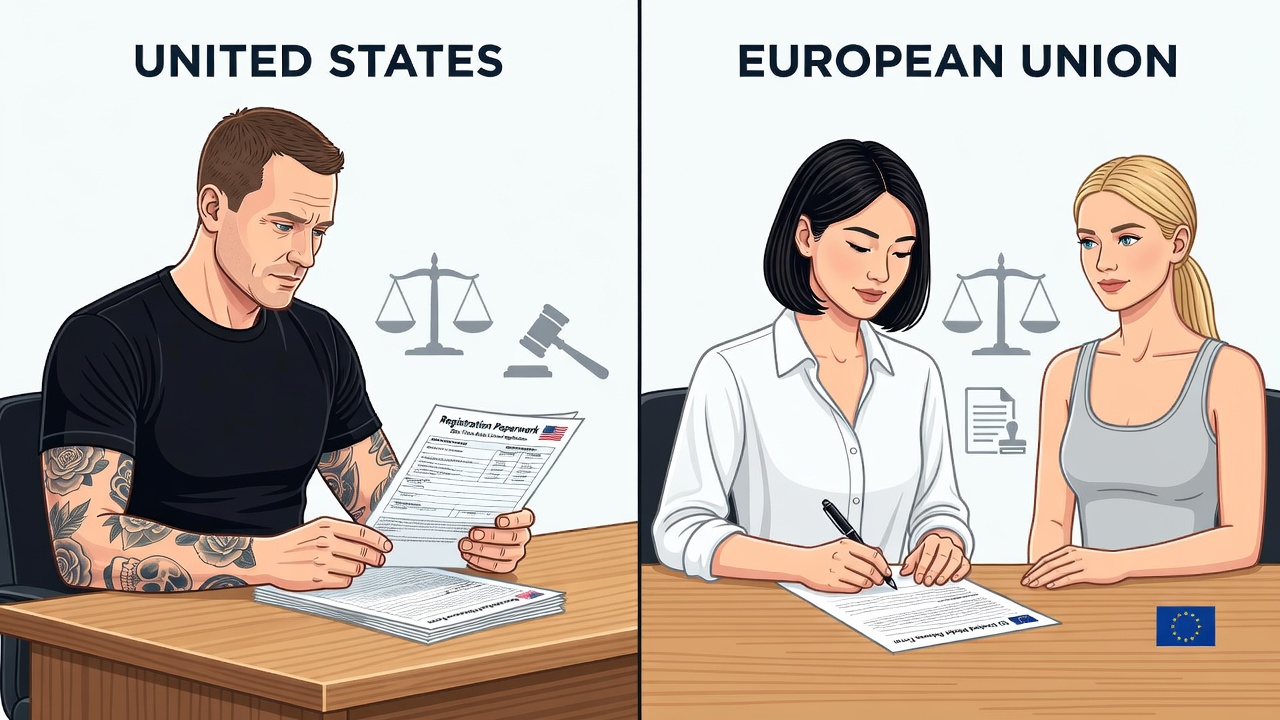
US law emphasizes economic rights with registration unlocking enhanced remedies, whereas EU frameworks often prioritize moral rights including integrity and attribution that persist beyond economic transfers. Artists working internationally must navigate these differences; for instance, a US-registered design offers stronger damages potential, while EU clients may demand stricter personal rights waivers. The US Copyright Office provides detailed guidance on domestic registration, while the European Union Intellectual Property Office outlines harmonized protections across member states. Understanding these distinctions prevents costly oversights when serving clients from multiple regions.
Navigating International Client Disputes
Cross-border work requires choice-of-law clauses in contracts. Reference resources from WIPO for global treaties and copyright office guidelines. Mediation through international bodies resolves many conflicts without court involvement. Artists should also consider jurisdiction-specific statutes of limitations and evidence requirements, which can vary significantly between countries and affect the timing of enforcement actions.
Common Mistakes to Avoid
- Assuming verbal agreements suffice for ownership transfers, which often leads to disputes lacking documentary proof.
- Ignoring watermarking on digital portfolios, allowing easy replication without attribution trails.
- Failing to update contracts for new platforms like AI image generators that can mimic original styles.
- Overlooking insurance options for legal defense costs, leaving artists financially exposed during prolonged disputes.
- Neglecting to monitor online marketplaces and social media for unauthorized reproductions on a regular schedule.
Addressing Digital Sharing Risks Specific to 2026
With advanced image recognition tools and AI-enhanced search capabilities becoming mainstream, tattoo artists must adopt proactive monitoring strategies. Setting up alerts for unique design elements and maintaining private archives of creation files can help identify infringements faster. Collaborating with platforms to report violations promptly protects both artistic integrity and potential licensing revenue streams.
FAQ: Ownership and Protection Questions Answered
Who owns a custom tattoo design after completion?
The artist retains copyright unless explicitly transferred in writing; clients typically receive a limited license for personal display only.
Does registering a tattoo design cost anything?
Fees vary by jurisdiction but remain accessible for individual creators through standard applications.
How do I handle disputes with international clients?
Use detailed contracts specifying governing law and consider arbitration clauses for efficient resolution outside traditional courts.
Are there differences in protection for flash versus custom work?
Flash art often receives stronger standalone protection as it is not client-specific, while custom pieces require clear contractual boundaries from the outset.
What role does moral rights play in the EU compared to the US?
EU moral rights allow artists to object to modifications that harm their reputation even after sale, whereas US protections focus more on economic exploitation.
Can I use contracts to prevent clients from posting my work online?
Yes, but such clauses must be reasonable and clearly stated to remain enforceable in most jurisdictions.
Conclusion: Building a Legally Secure Practice
Proactive legal frameworks empower tattoo artists to focus on creativity while mitigating risks from digital sharing. Implementing registration, contracts, and monitoring strategies positions creators for sustained success in 2026 and beyond. Regular review of these protections ensures ongoing relevance as technology and laws continue to evolve.


No comments yet. Be the first!