 Inked Mythos

Introduction to Personal Branding in the Tattoo Industry
In 2026, the tattoo industry continues to evolve rapidly, with artists competing not just on technical skill but on distinctive personal brands. Tattoo legends who stand out do so by moving beyond basic marketing into authentic storytelling and strategic digital presence. This approach helps ink artists attract loyal clients and build lasting careers in a saturated market. Search intent around growth tactics reveals that artists seek depth beyond generic advice, focusing on how to differentiate through narrative and measurable digital strategies. Whether you are an emerging ink artist or an established legend refining your presence, understanding these elements can transform your career trajectory.
Crafting a Unique Artist Narrative
Every successful tattoo legend starts with a compelling story. Focus on your journey, influences, and values to create an emotional connection. Share how your cultural background or personal experiences shape your designs. This narrative should appear consistently across your website, social bios, and client consultations. For example, an artist who draws from their immigrant heritage might weave themes of resilience into their work, sharing short videos about family traditions that inspire specific motifs. Practical step one: Write a 300-word artist bio that highlights pivotal moments in your career, such as your first apprenticeship or a transformative client story. Update it quarterly to reflect new inspirations. Step two: Break the narrative into bite-sized content pieces, like Instagram carousels that detail one chapter per post. Step three: Test your story with a small focus group of past clients for authenticity feedback. Comparisons show that artists who integrate personal vulnerability see higher engagement rates than those sticking to purely technical showcases.
Optimizing Portfolios with Body Art Examples
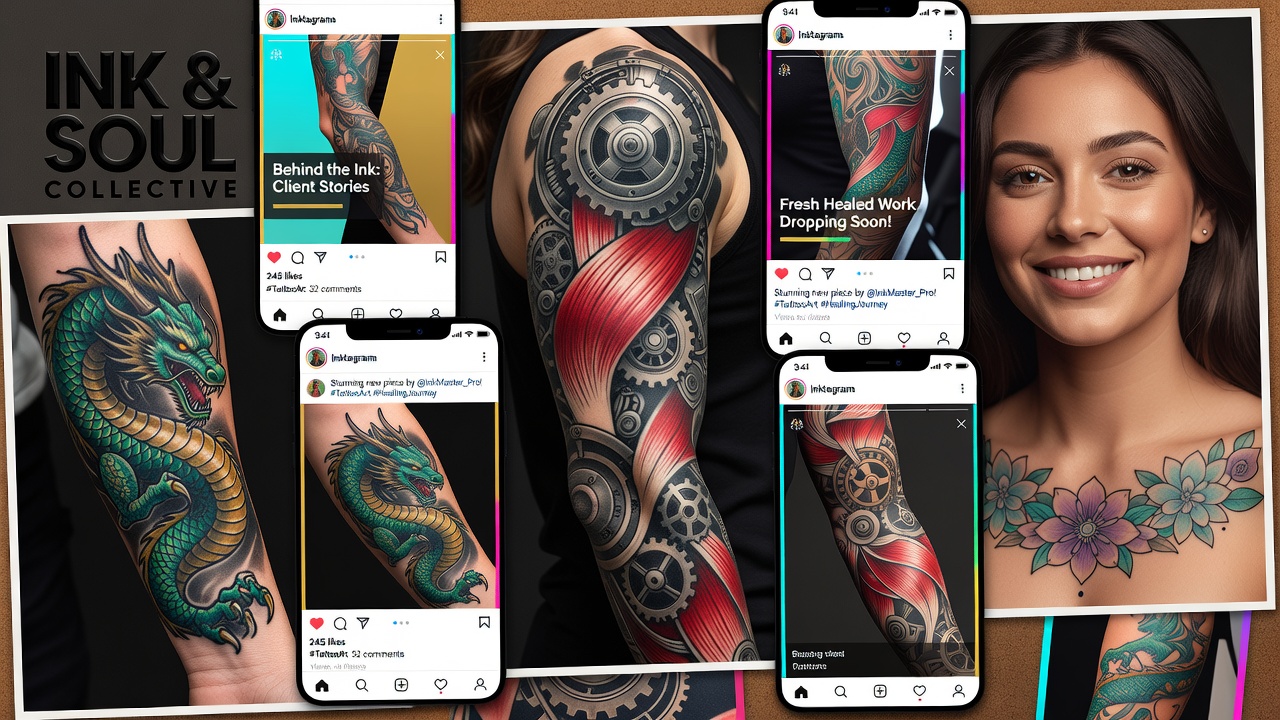
Your portfolio is the cornerstone of your brand. Showcase high-quality photos and videos of healed tattoos on diverse skin tones and body parts. Include before-and-after sequences and client testimonials that emphasize the emotional impact of your work. Expand this by organizing sections by style, such as realism versus abstract, and add contextual stories behind each piece. For instance, a full-back piece inspired by mythology could include a short client interview video explaining the personal meaning. Compare approaches: Static image galleries feel outdated compared to interactive portfolios with zoom features and 360-degree views. The latter increases engagement by up to 40% according to recent digital marketing trends. Ensure mobile optimization, as over 70% of potential clients browse on phones. Add search-friendly alt text like "custom Japanese dragon tattoo on forearm by [Artist Name]" to boost discoverability.
Leveraging Social Platforms for Engagement
Platforms like Instagram, TikTok, and YouTube remain essential. Post daily stories showing your process, behind-the-scenes studio life, and live tattoo sessions. Use hashtags strategically and collaborate with micro-influencers in the ink culture space. Dive deeper by creating platform-specific content: TikTok for quick time-lapses, Instagram Reels for storytelling, and YouTube for long-form tutorials on techniques. Engage actively by responding to every comment within 24 hours and hosting monthly live Q&A sessions. Track which posts drive the most profile visits and replicate those formats. Outbound link example: Learn platform best practices from Instagram's official resources. Another strong option is TikTok's creator hub for short-form video strategies.
Measuring Brand Impact Through Case Studies
Track metrics such as website traffic, follower growth, and booking rates. Case studies of legends like those featured in major tattoo conventions show that consistent branding can double client inquiries within six months. Analyze data monthly to refine your strategy. For example, one artist increased bookings by focusing on story-driven posts, measuring success through Google Analytics referral traffic and direct messages converted to appointments. Implement tools like social listening software to monitor brand mentions. Compare pre- and post-branding periods to quantify impact, adjusting based on what resonates most with your target audience of collectors versus first-time clients.
Practical Steps for Implementation
- Audit your current online presence for consistency across all channels, noting gaps in visual style or messaging.
- Create a content calendar focused on storytelling, planning posts two months in advance with themes tied to seasons or personal milestones.
- Invest in professional photography of your latest pieces, including multiple angles and lighting conditions.
- Engage with your audience through weekly Q&A sessions and collaborative challenges that invite user-generated content.
- Partner with complementary brands for cross-promotion, such as ink suppliers or apparel lines that align with your aesthetic.
- Review analytics every two weeks and pivot content based on performance data.
Comparisons of Branding Approaches
Traditional word-of-mouth branding versus digital-first strategies: The former builds local loyalty slowly, while the latter scales globally but requires ongoing effort. Hybrid models often yield the best results for tattoo artists in 2026, blending in-person studio events with online series. Another comparison involves minimalist branding, which appeals to high-end clients, versus vibrant, meme-infused approaches that attract younger demographics. Evaluate your market position before choosing.
Common Mistakes to Avoid
Many artists fail by overposting without strategy or neglecting to update older content that no longer reflects their current style. Another pitfall is ignoring negative feedback instead of addressing it transparently. Avoid copying competitors directly; instead, adapt ideas to fit your unique narrative. Finally, do not overlook accessibility features like captions on videos, which broaden your reach.
FAQ: Common Pitfalls to Avoid
How often should I post on social media?
Aim for 3-5 times per week to maintain visibility without burnout, focusing on quality over quantity.
What if my story feels too personal?
Start with professional milestones before sharing deeper elements, ensuring authenticity without oversharing sensitive details.
How do I measure success beyond likes?
Focus on conversion rates, such as bookings from social leads, and use analytics tools provided by each platform.
Should I pay for ads to boost my brand?
Organic growth combined with targeted boosts on high-performing posts often works better than broad ad campaigns for niche artists.
How do I handle copycat artists?
Strengthen your brand with original storytelling and watermark your work, while reporting clear infringements to platform moderators.
Conclusion
By implementing these 2026 personal branding strategies, tattoo legends can differentiate themselves through genuine connection and smart digital tactics. Start small, stay consistent, and watch your brand grow alongside your artistry. Additional resources are available at SBA.gov for small business branding tips and YouTube's creator academy.

No comments yet. Be the first!