 Inked Mythos
Introduction: Tattoos That Capture Festival Magic
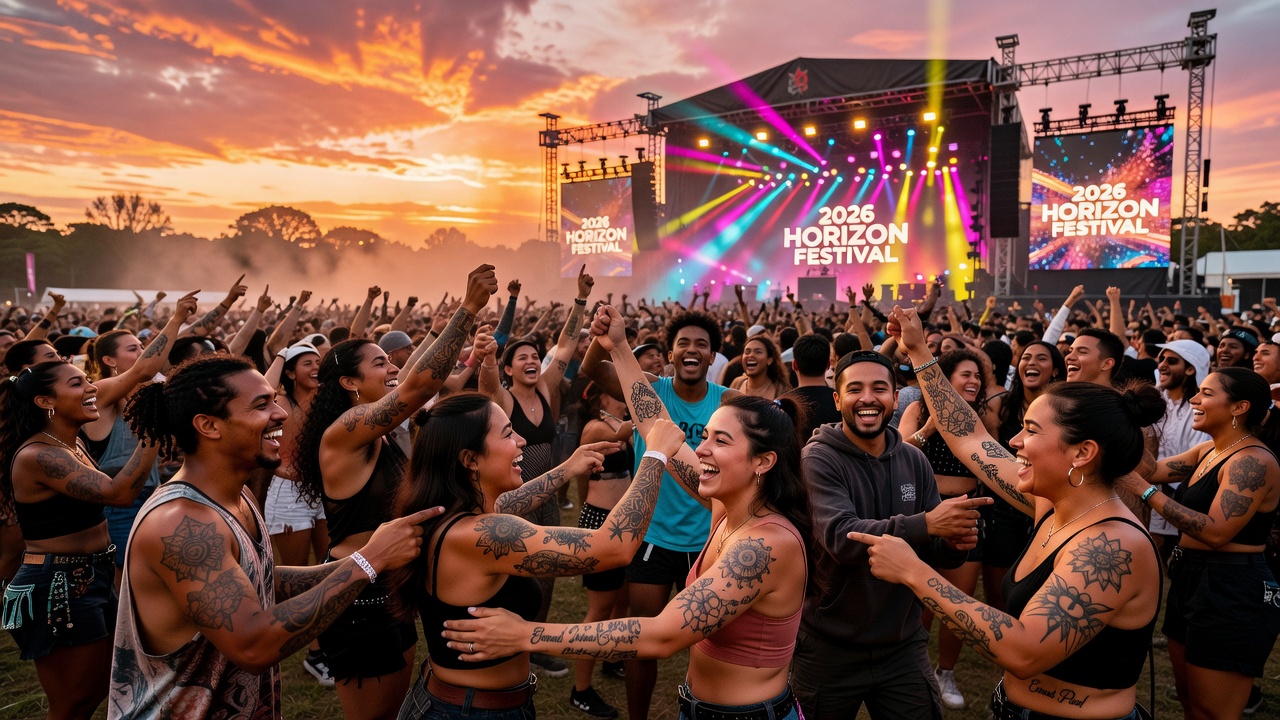
Music festivals create unforgettable memories through shared energy, surprise performances, and personal breakthroughs, and in 2026 many attendees are translating these into permanent body art. Festival tattoos have evolved from simple souvenirs into deeply personal symbols that mark first concerts, crowd connections, and transformative sets. This comprehensive guide explores ten anonymized case studies while examining how wristbands and setlists inspire designs, cultural variations at major events, practical advice for pop-up studios, outdoor aftercare strategies, and answers to frequent traveler questions. Whether you are planning your first festival tattoo or expanding an existing collection, understanding the emotional and practical layers helps ensure meaningful results.
Ten Personal Festival Tattoo Stories from 2026
Each story below illustrates unique emotional connections formed at live events.
- A debut Coachella visitor chose a minimalist desert cactus paired with the year 2026 after forming unexpected friendships during a late-night surprise set that shifted their perspective on community.
- At Glastonbury, one attendee commemorated a rain-drenched headline performance with an umbrella motif intertwined with floating musical notes that symbolize resilience through unpredictable weather.
- A long-time festival regular transformed her collection of wristbands into a detailed arm timeline, adding new segments each year to represent growth and favorite artists encountered since 2018.
- Following an intense Lollapalooza headliner, a participant selected setlist lyrics rendered in flowing script across the ribs, incorporating subtle stage lighting elements that glow under blacklight at future shows.
- At Tomorrowland, neon energy from a main-stage set inspired a glowing silhouette tattoo on the forearm that captures the moment the crowd moved as one during the final drop.
- A group of friends at Bonnaroo each received matching lightning-bolt designs on their ankles to represent the shared surge of adrenaline when thousands sang along to a beloved track.
- Primavera Sound marked an attendee’s first European trip with a hybrid passport stamp and guitar-pick motif that celebrates both travel and musical discovery.
- An Austin City Limits participant created a setlist tattoo featuring a discreet QR code that links to a private playlist of songs experienced that weekend.
- At a Woodstock anniversary revival, a peace-sign design blended with 2026 festival dates honors both historical roots and contemporary communal vibes.
- A Burning Man crossover festival guest opted for a geometric mandala representing the temporary art installations and connections formed under the desert stars.
How Designs Evolve from Wristbands, Setlists, and Live Moments
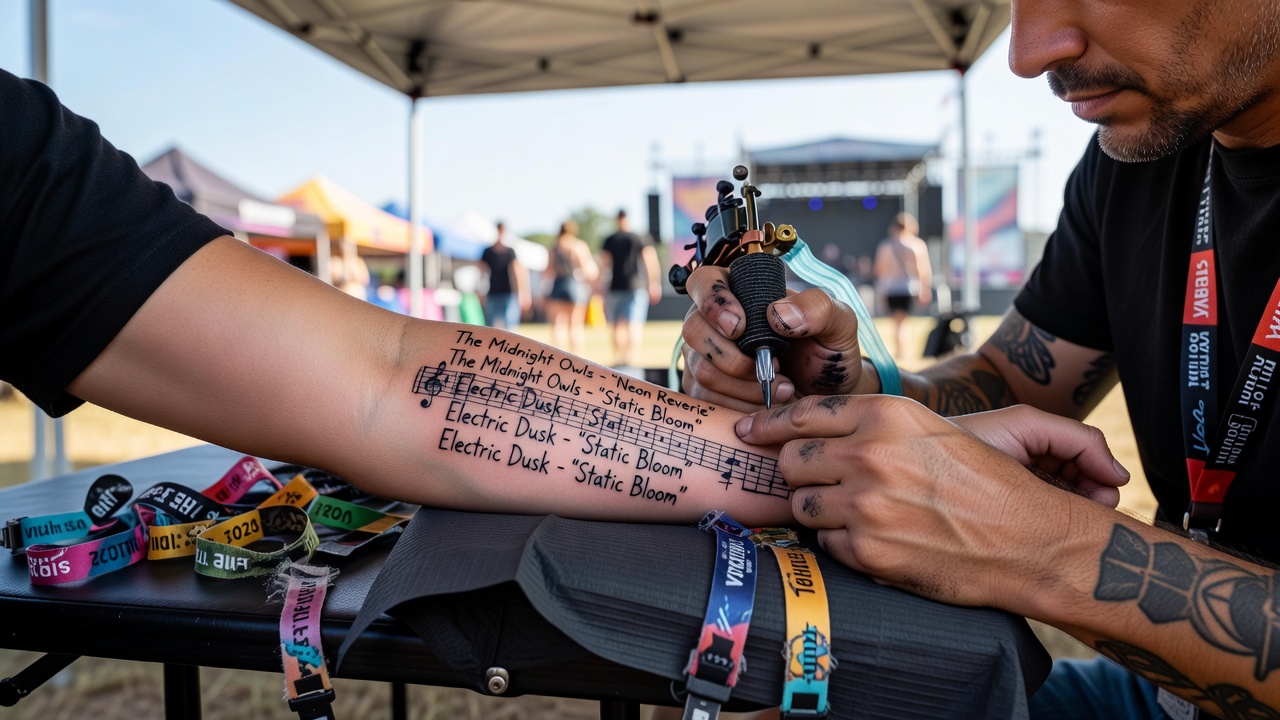
Many festival tattoos originate from physical mementos such as fabric wristbands or printed setlists. Artists scan these items and reinterpret textures, colors, and typography into lasting linework or watercolor compositions. For instance, the frayed edges of a wristband can become soft shading that ages gracefully, while handwritten setlist notes translate into elegant script with hidden symbols representing specific songs or emotions felt during the performance. This evolution process often involves multiple consultations where the wearer shares stories behind each element, resulting in pieces that feel more like personal chapters than simple souvenirs.
Cultural Differences Across Major Festivals
Design preferences vary significantly by event and region. Coachella attendees frequently favor clean, desert-inspired minimalism suited to social-media sharing, whereas Glastonbury pieces lean toward nature-infused symbols reflecting the historic site’s fields and sustainability ethos. European festivals like Primavera Sound often incorporate traditional motifs or travel references, while U.S. events such as Lollapalooza and Bonnaroo embrace bold pop-culture references and group-matching elements. Weather patterns and local customs in 2026 also influence placement choices, with more concealed locations preferred at dusty or rainy festivals.
Practical Tips for Choosing and Visiting Festival Tattoo Pop-Ups
Selecting a reputable pop-up requires reviewing artist portfolios in advance, confirming sterilization protocols, and verifying that single-use needles are standard. Arrive early to avoid long lines, stay hydrated, and discuss exact placement to prevent friction from dancing or backpack straps. Many 2026 pop-ups provide flash sheets themed around current lineups, allowing quick decisions while still offering customization options. Always request a consultation to align expectations on size, color, and aftercare instructions before committing. CDC guidelines on body art safety offer essential background knowledge for any temporary studio visit.
Aftercare Strategies for Outdoor and Travel Settings
Fresh tattoos face extra challenges from sun, dust, limited water access, and constant movement. Begin by gently cleaning the area with bottled water and fragrance-free soap multiple times daily, then apply a thin layer of recommended ointment. Wear loose, breathable clothing to minimize irritation and avoid direct sunlight during peak hours. Refrain from swimming in lakes or rivers until the tattoo has fully healed, typically two to four weeks. Monitor daily for excessive redness or swelling and seek professional medical attention if infection signs appear. FDA resources on safe tattoo practices provide additional reliable information for travelers managing healing on the road.
Common FAQs on Healing While Traveling
- How soon can I swim or shower normally? Most artists recommend waiting at least two weeks for initial healing before prolonged water exposure.
- Is festival sunscreen safe on new ink? Mineral-based formulas are preferable after the scabbing stage ends; always patch-test first.
- What happens if camping dust gets on the tattoo? Clean the area gently several times a day and reapply protective balm to maintain a barrier.
- Are there emerging 2026 trends in spontaneous festival ink? Expect increased use of UV-reactive pigments and interactive elements that respond to stage lighting.
- Can I add to the design later? Yes, many people return to the same artist the following year to expand the piece with new festival memories.
Mistakes to Avoid When Getting Festival Ink
Common pitfalls include choosing placement too close to high-movement areas, skipping consultations, or neglecting aftercare in favor of continued festival activities. Rushing decisions under peer pressure or alcohol influence often leads to regret, while ignoring local regulations at international events can create complications. Planning ahead with reference images and realistic expectations helps prevent these issues and ensures the tattoo remains a positive reminder rather than a source of frustration.
Conclusion: Turning Live Moments into Lasting Personal Stories
Festival tattoos continue to serve as powerful anchors for community, music, and individual growth in 2026. By exploring real stories, understanding design evolution, respecting cultural contexts, and following practical aftercare advice, attendees can create meaningful ink that endures beyond the final encore. Approach each choice with intention to keep your festival memories vibrant for years ahead.
No comments yet. Be the first!