 Inked Mythos
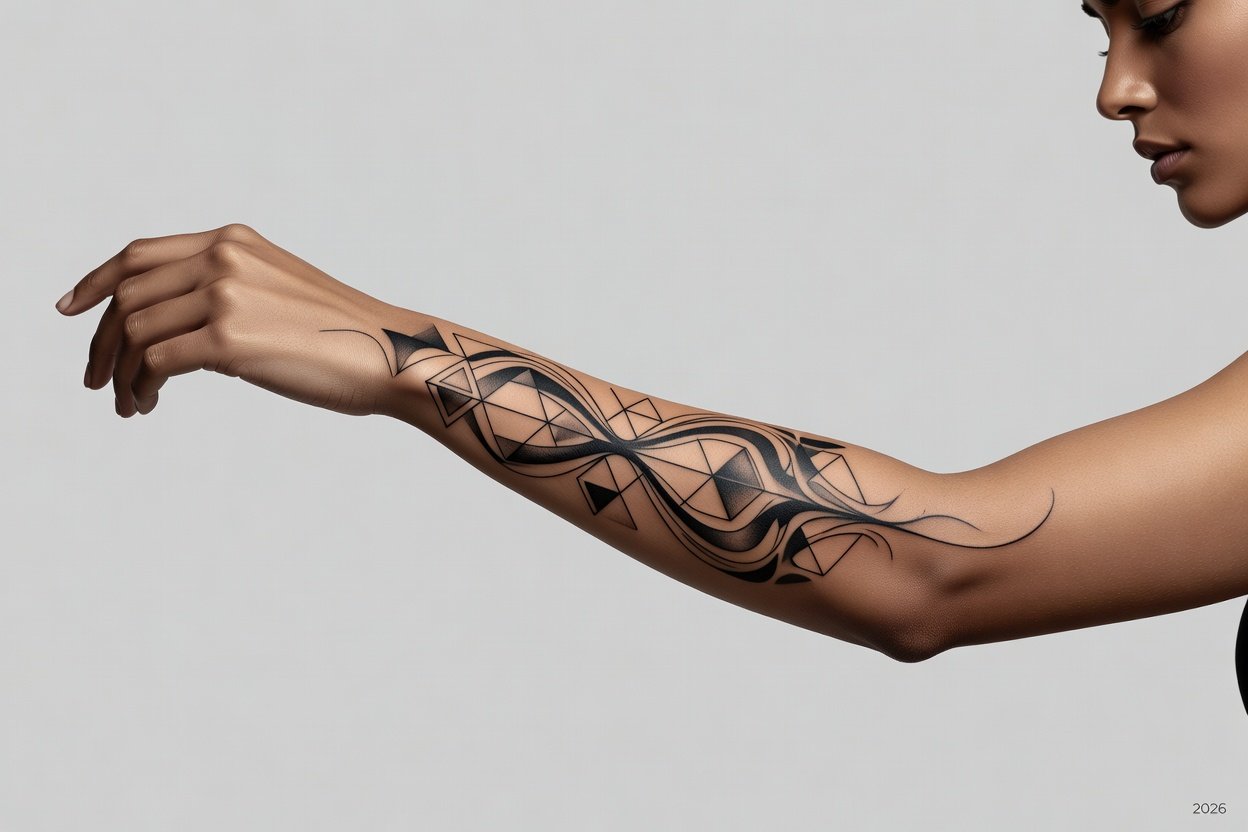
Introduction to Abstract Tattoo Ideas in 2026
Abstract tattoo ideas are evolving rapidly, offering wearers a way to express individuality through non-representational forms. In 2026, these designs emphasize geometric precision mixed with organic fluidity, allowing deep personal symbolism without literal imagery. Whether you're drawn to minimalist lines or bold compositions, abstract tattoos provide versatility across body types and skin tones. This style has gained popularity because it moves beyond traditional motifs, focusing instead on emotion, movement, and interpretation that evolves with the wearer over time.
Understanding Core Elements: Geometry, Fluidity, and Symbolism
Modern abstract tattoos often start with geometric shapes like triangles, circles, and polygons that intersect in unexpected ways. These are paired with fluid lines that mimic water or smoke, creating movement. Personal symbolism can be woven in through subtle elements such as birthdates encoded in line patterns or cultural motifs abstracted into shapes. This blend makes each piece unique while remaining visually striking. Artists frequently incorporate negative space to add depth, ensuring the design breathes on the skin rather than appearing flat. Understanding these foundational elements helps clients communicate their vision effectively during consultations.
Color vs Black-and-Gray Approaches
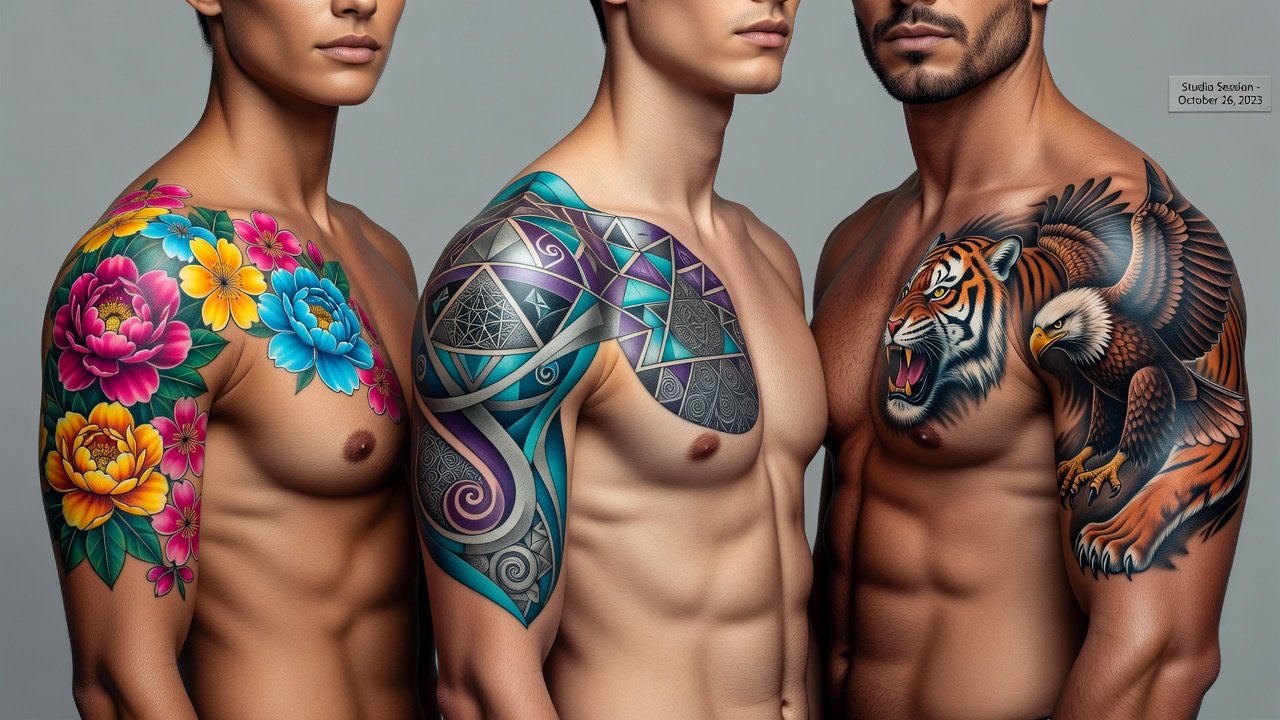
Choosing between vibrant color and monochrome black-and-gray depends on your aesthetic goals. Color palettes in 2026 favor muted earth tones and neons for high contrast on various skin tones, adding emotional depth. Black-and-gray offers timeless elegance and ages gracefully, ideal for intricate line work. Both styles adapt well to different body shapes, with color providing pop on darker skin and black-and-gray offering subtle definition on lighter tones. Color pieces often require more sessions for layering, while black-and-gray can be completed faster with strong contrast achieved through shading techniques alone.
Optimal Placements for Abstract Designs
Placement affects how the tattoo flows with your body. Forearms and ribs suit elongated fluid lines, while shoulders and thighs accommodate larger geometric clusters. Smaller abstract pieces work on wrists or behind the ear for discreet expression. Consider body movement—designs on joints should incorporate flexible negative space to prevent distortion over time. Additional options include the spine for vertical compositions, the collarbone for delicate geometric accents, and the calf for bold statement pieces that can be easily covered or shown. Placement decisions should also factor in lifestyle, such as professional dress codes that might favor less visible areas.
10 Visual Examples of Abstract Tattoo Ideas
- Intersecting hexagons with flowing negative space on the upper arm.
- Watercolor-like gradients forming abstract waves across the back.
- Minimalist line art representing personal growth through ascending shapes on the calf.
- Bold polygonal mandala fused with organic swirls on the chest.
- Dotwork geometry creating an optical illusion sleeve on the forearm.
- Fluid ribbon lines encircling the ankle with hidden symbolic angles.
- Asymmetrical triangle composition in black-and-gray on the ribcage.
- Multi-color abstract landscape evoking emotion on the thigh.
- Layered circles and arcs symbolizing life stages on the shoulder blade.
- Negative space portrait reduced to geometric forms on the inner wrist.
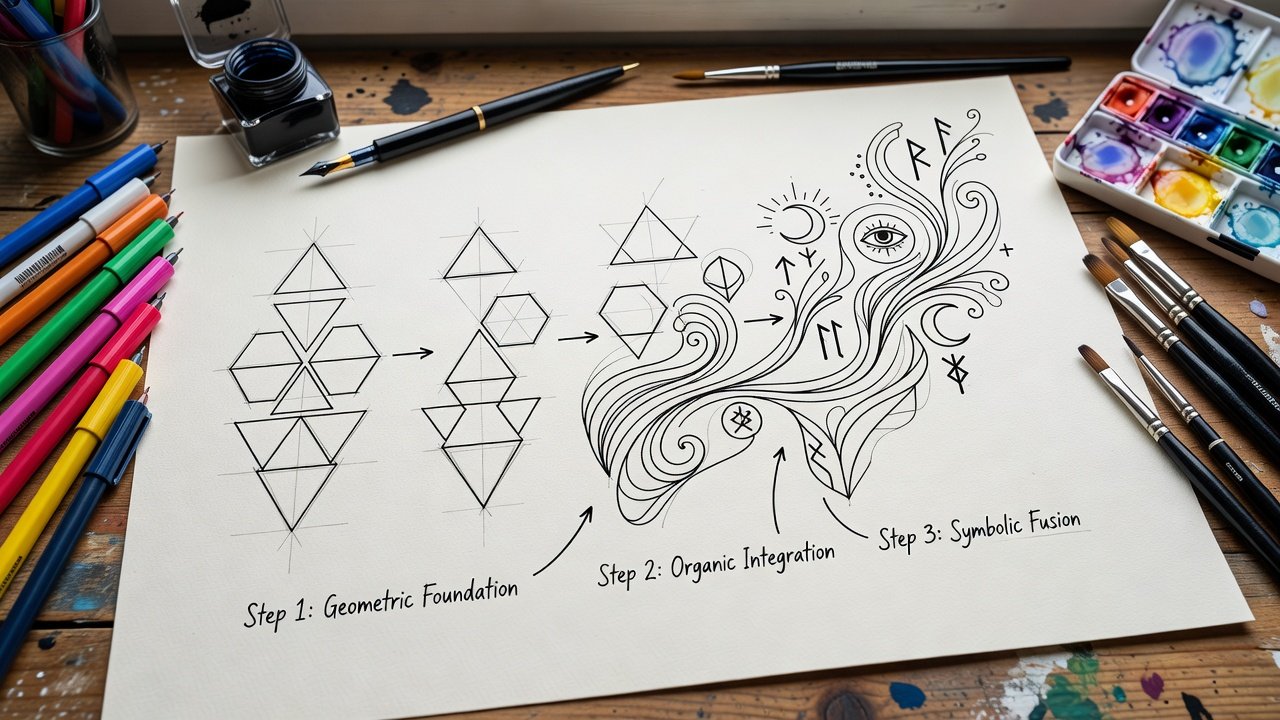
Step-by-Step Sketching Process for Your Design
Begin by journaling personal symbols and preferred shapes. Sketch basic geometries on paper, then layer fluid elements using tracing paper. Digitize in apps like Procreate for adjustments. Collaborate with your artist to refine proportions based on your body measurements. Test placements with temporary stencils before committing. Next, experiment with scale by printing mockups at actual size and taping them to your skin. Iterate through multiple versions, focusing on balance between positive and negative space. Finally, incorporate feedback loops with your chosen artist to ensure the design translates well from paper to skin while respecting anatomical curves.
Comparing Abstract Tattoos to Realistic Styles
Unlike realistic tattoos that aim for photorealism, abstract designs prioritize emotion and interpretation. They require less maintenance as they don't rely on fine details that blur. Realistic pieces demand skilled shading for depth, while abstract work excels in versatility and quicker sessions. If you value symbolism over literal depiction, abstract wins for longevity and adaptability. Realistic tattoos often need touch-ups every few years due to fading in detailed areas, whereas abstract line work maintains clarity longer because of its bolder structure and intentional use of space.
Tips for Collaborating with Tattoo Artists
Research artists specializing in abstract work via portfolios on established platforms. Bring reference images and mood boards. Discuss skin tone compatibility and aftercare tailored to your lifestyle. Clear communication ensures the final piece aligns with your vision while respecting the artist's expertise. Prepare by creating a shared mood board online, scheduling multiple consultations if needed, and asking about their process for custom abstract work. Inquire about their experience with your specific skin type to avoid common issues like ink migration on certain tones.
Versatility Across Skin Tones and Body Shapes
Abstract tattoos shine in inclusivity. Line weight and contrast can be adjusted for melanin-rich skin to maintain visibility. Curvier bodies benefit from designs that follow natural contours, avoiding straight lines that clash with curves. Artists often use skin tests to select inks that heal evenly regardless of undertone. For fair skin, delicate lines prevent overpowering the canvas, while on deeper tones, bolder outlines and strategic color placement ensure the design remains impactful. Body shape considerations include scaling elements proportionally to avoid distortion on areas like the stomach or hips during movement or weight changes.
2026 Trends in Abstract Tattoo Design
This year brings increased focus on sustainable ink choices and tech-assisted precision tools for flawless geometry. Many artists are exploring hybrid styles that merge abstract elements with subtle cultural references, creating deeply personal yet universally appealing pieces. Sustainability trends include water-based inks and eco-friendly studios, aligning with broader cultural shifts toward responsible body art practices.
Maintenance and Long-Term Care
Proper aftercare begins immediately after the session with recommended ointments applied multiple times daily. Avoid sun exposure during healing to prevent color shifts. Long-term, use SPF on exposed tattoos and schedule periodic check-ins with your artist for minor touch-ups if lines soften. Abstract designs typically age better than heavily detailed work because of their emphasis on bold forms rather than fine gradients.
Mistakes to Avoid When Choosing Abstract Tattoos
Common pitfalls include rushing the design phase without considering body movement, selecting an artist without abstract portfolio examples, or ignoring skin tone testing. Always verify stencil placement in natural light and discuss long-term visibility goals to prevent regret.
Frequently Asked Questions
How painful are abstract tattoos?
Pain varies by location and individual tolerance. Bony areas like ribs feel sharper, while fleshy zones like thighs are milder. Sessions typically last 2-4 hours, with breaks available.
What is the healing process like for abstract pieces?
Healing takes 2-4 weeks with proper care. Keep the area clean, moisturized, and protected from sun. Abstract designs with bold lines often heal faster than densely shaded realistic work due to less ink saturation. Follow CDC guidelines for tattoo aftercare safety.
How customizable are these designs?
Highly customizable—discuss scaling, color adjustments, and added personal elements during consultation. Artists can modify for symmetry or asymmetry based on your preferences.
Do abstract tattoos work well on all skin tones?
Yes, with proper adjustments to line thickness and contrast. Professional artists test ink reactions beforehand to ensure optimal results across diverse complexions.
Conclusion
Abstract tattoo ideas for 2026 offer endless creative potential through geometry, fluidity, and symbolism. By considering color choices, placements, and artist collaboration, you can create a meaningful piece that suits your unique form. Start your journey with research and professional guidance for lasting satisfaction.
No comments yet. Be the first!