 Inked Mythos

Introduction to Faith-Based Tattoo Stories in 2026
In 2026, tattoos have become powerful markers of spiritual awakenings, conversions, and deepening faith practices for countless individuals worldwide. These tattoo stories and ink journeys capture moments of profound personal transformation, blending timeless religious symbols with contemporary artistic expressions. People searching for inspiration often seek relatable body art narratives that connect religion or spirituality to meaningful ink choices, helping them envision designs that resonate with their own evolving beliefs. Whether marking a sudden conversion experience or commemorating years of dedicated practice, faith-inspired tattoos serve as permanent reminders of inner growth and resilience.
Across diverse cultures and religions, these pieces go beyond decoration to embody core values such as hope, enlightenment, and divine connection. This comprehensive guide delves into real-world examples, the collaborative design process, strategic placement options, lasting emotional effects, style comparisons, and essential aftercare practices to support anyone considering their own spiritual tattoo journey.
Diverse Examples Across Belief Systems
Spiritual tattoos draw from an extensive array of traditions, each offering unique symbols that reflect personal milestones. In Christianity, popular choices include scripture excerpts like Psalm 23 or the cross intertwined with olive branches to signify peace after a life-changing event. Buddhist adherents frequently select the lotus flower emerging from mud to represent enlightenment and overcoming suffering, while Hindu individuals ink the Om symbol or depictions of deities for ongoing spiritual alignment.
Islamic and Indigenous Representations
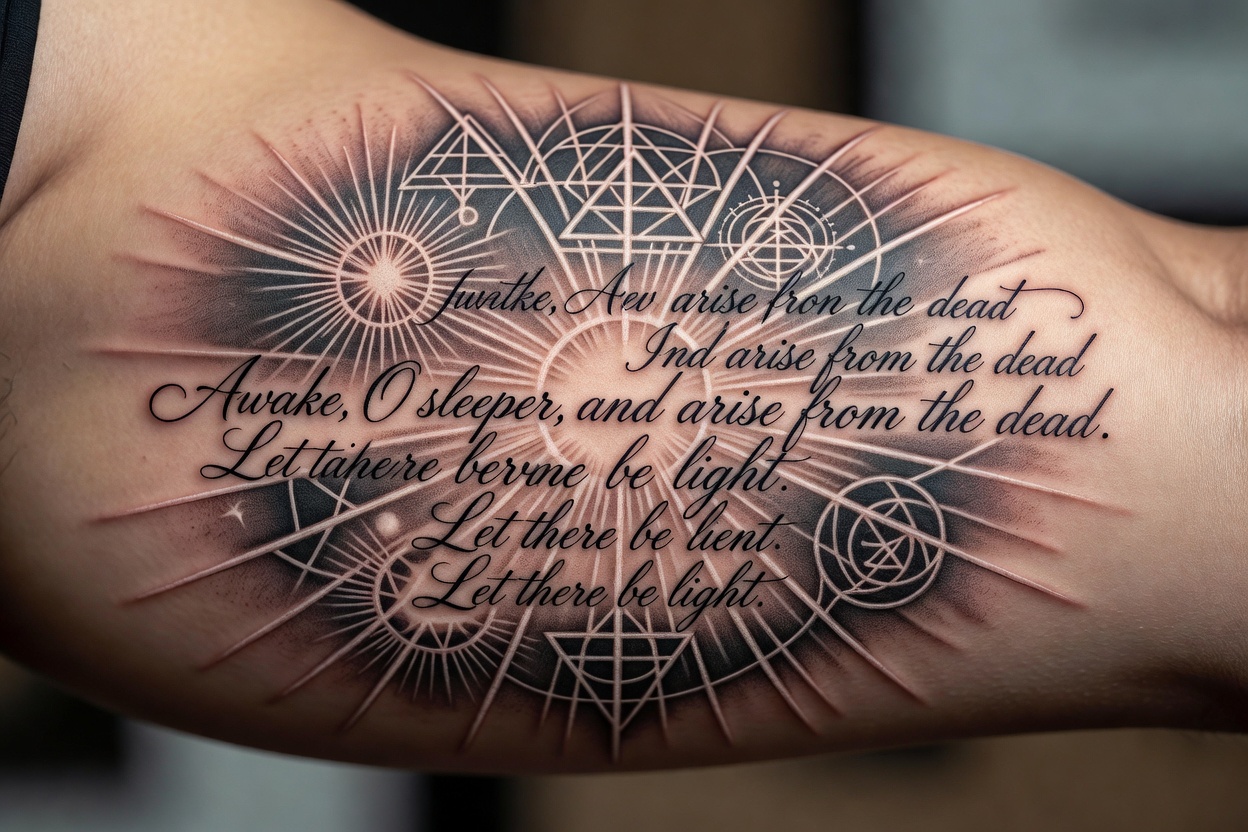
Islamic faith tattoos often feature intricate geometric patterns or verses from the Quran in elegant calligraphy, emphasizing unity and devotion. Indigenous spiritualities incorporate elements like the medicine wheel or animal totems that symbolize ancestral guidance and natural harmony. Abstract designs, such as radiating light beams or interconnected mandalas, appeal to those with non-denominational or interfaith perspectives seeking to visualize awakening without specific religious iconography.
One compelling tattoo story from 2026 involves a former skeptic who chose an abstract tree of life motif after a profound meditation retreat, incorporating roots from multiple traditions to honor his blended heritage. These examples demonstrate how tattoos become living narratives that evolve alongside the wearer's faith.
Collaborating with Artists on Spiritual Designs
Creating a meaningful ink journey starts with selecting the right artist and engaging in deep collaboration. Look for professionals who specialize in symbolic or cultural tattoo work and demonstrate sensitivity to religious contexts. Prepare by gathering personal references such as sacred texts, photographs of meaningful locations, or rough sketches that capture your vision. During consultations, discuss how elements like line thickness, negative space, and color gradients can convey serenity, strength, or transcendence.
Artists experienced in this niche can propose thoughtful integrations, for instance merging a scripture verse with subtle nature motifs that avoid cultural appropriation. Multiple sessions may be needed to refine the design, ensuring it feels authentic and respectful. This partnership transforms an idea into a timeless piece that accurately reflects your spiritual path.
Placement Decisions for Daily Reminders
Strategic placement turns a tattoo into a constant companion on your spiritual journey. Visible areas like the inner wrist or forearm provide ongoing motivation during daily routines and can spark meaningful conversations. More private locations such as the ribcage or upper chest offer intimate reminders visible primarily to the individual, fostering quiet reflection. Larger back or shoulder placements accommodate elaborate compositions without interfering with professional attire.
Factors like skin sensitivity, lifestyle demands, and future visibility should guide decisions. Many report that prominent placements reinforce commitment to prayer or meditation practices through repeated visual encounters, while concealed ones maintain personal sanctity. Testing temporary versions or consulting with your artist about body movement helps optimize the final choice.
Long-Term Emotional Impacts of Faith Tattoos
Over time, faith-inspired tattoos frequently deliver sustained emotional benefits. Wearers often describe heightened resilience during periods of doubt or crisis, as the ink serves as a tangible anchor to core beliefs. These pieces can reduce feelings of isolation by visually affirming identity and inviting connections within spiritual communities.
Shared accounts in 2026 highlight how such tattoos evolve into sources of pride and legacy, encouraging wearers to share their stories and inspire others. The psychological reinforcement of seeing a symbol of enlightenment or scripture daily contributes to improved mindfulness and a stronger sense of purpose. For some, the tattoo becomes a catalyst for continued spiritual exploration rather than a static endpoint.
Minimalist vs Elaborate Faith-Inspired Pieces
Choosing between minimalist and elaborate styles depends on personal expression and practical considerations. Minimalist designs, featuring clean single-line crosses, small lotus outlines, or simple geometric enlightenment symbols, offer subtlety and quicker healing times. They suit first-time spiritual tattoos or those preferring understated daily reminders.
Elaborate pieces incorporate layered symbols, detailed shading, color gradients, and narrative elements that tell a fuller story, appealing to individuals with established faith journeys seeking bold visual statements. Pros of minimalist include lower maintenance and versatility; cons involve less visual impact. Elaborate designs provide depth but may require more aftercare and touch-ups. Both approaches can incorporate personal elements and adapt over decades with proper care.
FAQs on Aftercare for Symbolic Tattoos
Proper aftercare ensures your faith tattoo remains vibrant and meaningful for years. Here are key questions addressed:
- How long does initial healing take? The surface heals in 2 to 4 weeks, though full color settling and skin regeneration can require 1 to 2 months.
- What moisturizers and products are safest? Fragrance-free, tattoo-specific balms applied several times daily prevent dryness without irritation.
- When can I resume exercise? Light movement is acceptable after 48 hours, but intense sweating or submersion should be avoided for at least 10 to 14 days.
- How do I protect against fading? Consistent sunscreen application once healed and avoiding prolonged sun exposure preserves intricate details like scripture text or symbols.
Always adhere to your artist's specific instructions. For additional reliable guidance, refer to resources from Mayo Clinic, CDC, and American Academy of Dermatology.
Conclusion
The faith ink tales emerging in 2026 underscore the enduring role of tattoos as vessels for spiritual growth and self-expression. Through careful collaboration, thoughtful placement, and ongoing care, these personal stories foster deeper connection to one's beliefs. Whether you pursue a minimalist symbol or an elaborate narrative piece, approach the process with intention and respect to create a lasting emblem of your unique journey.


No comments yet. Be the first!