 Inked Mythos

Introduction: Tattoos as Tools for Mental Wellness in 2026
In 2026, tattoos have evolved beyond aesthetic expression into powerful instruments for mental health support. Wellness-focused tattoo trends emphasize designs that foster mindfulness, emotional release, and self-care, helping individuals manage anxiety, depression, and trauma. This shift aligns with growing awareness of holistic healing practices, where body art serves as a daily reminder of personal strength and resilience. Search trends indicate a surge in interest around therapeutic tattooing as people seek tangible symbols to complement their mental health journeys. Unlike fleeting fashion statements, these modern inks prioritize deep meaning and psychological benefits, drawing from ancient traditions while incorporating contemporary minimalism and symbolism that resonate with today's fast-paced world.
The appeal lies in the permanence of the art, which can act as a constant companion during challenging times. Many individuals report feeling more grounded after incorporating meaningful ink into their lives, turning the body into a canvas for ongoing personal development and emotional stability.
Understanding Therapeutic Tattoo Trends
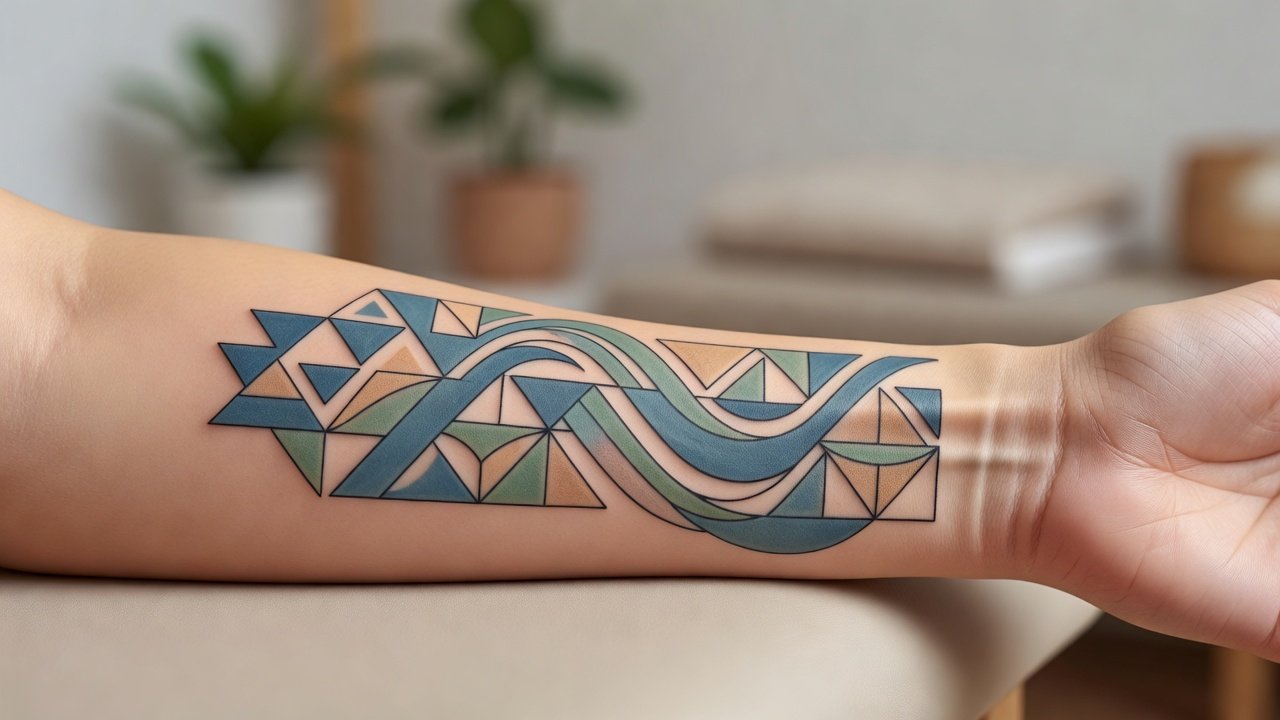
Therapeutic tattoos differ from standard body art by focusing on intentional placement and motifs that promote ongoing emotional benefits. Common elements include mandalas for balance, lotus flowers for rebirth, and geometric patterns representing inner peace. These designs encourage mindfulness by providing visual anchors during stressful moments, allowing wearers to pause and reflect whenever they glance at their skin. Experts note that the act of getting tattooed itself can be cathartic, involving a controlled experience of pain that leads to empowerment and a sense of accomplishment. In 2026, studios increasingly collaborate with mental health professionals to create safe, supportive environments for clients exploring ink as part of recovery, ensuring the process feels nurturing rather than purely decorative.
The Science Behind Tattoos and Mental Health
Emerging research highlights how tattoos can influence mental well-being through physiological and psychological mechanisms. The release of endorphins during the tattooing process may provide natural mood elevation, while the completed design offers a visual cue that reinforces positive self-perception. National Institutes of Health resources discuss the intersection of body modification and emotional health, noting potential reductions in symptoms for those dealing with chronic stress. This scientific angle adds credibility to wellness tattoo practices, distinguishing them from purely artistic choices and positioning them as complementary tools in broader mental health strategies.
Popular Designs Promoting Mindfulness and Emotional Release
Wellness-aligned tattoos often feature subtle, personal symbols rather than bold statements. Mindfulness motifs like breath symbols or wave patterns help ground wearers in the present moment, encouraging breathwork or meditation on the spot. Emotional release designs, such as birds in flight or breaking chains, represent letting go of past burdens and moving forward with intention. Self-care elements include affirmations in elegant scripts or tree roots symbolizing growth and stability. These choices allow individuals to carry reminders of their healing process visibly yet discreetly, integrating seamlessly into daily routines without drawing unwanted attention.
Real Case Studies of Tattoos for Anxiety Recovery
Consider Sarah, a 32-year-old marketing professional who used a small wrist mandala tattoo to manage generalized anxiety disorder. The circular design reminds her to pause and breathe during panic episodes, reducing reliance on medication over time and helping her maintain focus during high-pressure meetings. Another example is Marcus, who chose a phoenix tattoo on his chest after overcoming severe depression; the imagery of rising from ashes reinforces his daily affirmations of progress and serves as a private symbol of resilience during tough days. A third case involves Elena, a teacher who opted for a subtle wave pattern on her ankle to commemorate recovery from trauma. She credits the tattoo with providing a tactile reminder to stay present during anxiety spikes, combining it with journaling for compounded benefits. These stories highlight how tattoos can serve as permanent touchstones, integrating into routines like meditation or therapy sessions for sustained emotional support.
Comparing Tattoo Therapy to Traditional Counseling
While traditional counseling offers structured dialogue and coping strategies, tattoo therapy provides a physical, ongoing symbol of commitment to wellness. MentalHealth.gov resources emphasize combining approaches for best results, as tattoos do not replace therapy but can enhance it by externalizing internal growth in a visible way. Key differences include the one-time ritual of tattooing versus ongoing sessions, and the visible nature of ink versus private conversations. Many find tattoos complement counseling by making abstract progress concrete, turning personal milestones into lasting art that sparks conversations with supportive communities when desired.
Practical Steps for Selecting Wellness-Aligned Placements and Styles
Choosing the right tattoo involves careful reflection on personal goals and lifestyle. Start by identifying symbols that resonate emotionally—journaling about desired feelings and past healing milestones helps narrow options effectively. Consider placement carefully: visible areas like wrists or forearms promote daily mindfulness and easy access for reflection, while hidden spots like ribs or upper back offer private reminders visible only to the wearer or close confidants. Next, research artists who specialize in minimalist or symbolic work to ensure precise, high-quality execution that aligns with therapeutic intent. Consult with a licensed therapist beforehand to align the design with specific recovery goals and avoid unintended emotional triggers. Opt for smaller initial pieces to test emotional impact before committing to larger projects. Ensure the style matches your daily life—delicate lines and neutral tones often suit subtle healing themes better than vibrant colors. Always verify studio hygiene standards, review artist portfolios for experience with wellness clients, and schedule consultations to discuss aftercare and emotional preparation in detail.
Common Mistakes to Avoid When Choosing Therapeutic Tattoos
Many newcomers rush into decisions without sufficient reflection, leading to regret. Avoid selecting designs based solely on trends rather than personal meaning, as this can dilute the emotional impact. Do not ignore placement considerations, which might result in tattoos that are either too exposed or inaccessible for mindful reflection. Skipping consultations with mental health professionals or experienced artists can lead to mismatched expectations. Another pitfall is neglecting long-term aftercare planning, which might compromise the design's integrity and associated positive associations. Finally, choosing overly complex styles without considering pain tolerance or healing time can turn the experience stressful instead of empowering.
Expert Tips on Safe Aftercare for Healing Ink
Proper aftercare protects both the tattoo and the emotional investment behind it. Clean the area gently with fragrance-free soap twice daily, apply recommended moisturizers consistently, and avoid direct sun exposure or tight clothing during the initial healing phase. In 2026, many professionals recommend hypoallergenic products supported by dermatological guidance to minimize irritation. Follow your artist's specific instructions precisely to prevent complications like infection that could affect the design's appearance and meaning. Listen to your body throughout the process: if emotional triggers surface during healing, reach out to support networks or therapists promptly. Incorporating gentle movement like yoga can also aid both physical recovery and mental calm during this period.
Integrating Tattoos with Other Wellness Practices
Therapeutic tattoos reach their full potential when combined with established mental health routines. Pairing a mindfulness tattoo with daily meditation allows the design to serve as a focal point during breathing exercises. Those practicing yoga often place symbols on areas involved in key poses, creating synergy between movement and visual reminders. Journaling about the tattoo's significance can deepen its impact, turning it into a prompt for gratitude or goal-setting sessions. This integrative approach maximizes long-term benefits and turns the ink into an active participant in holistic self-care regimens.
FAQ: Psychological Benefits, Pain Management, and Long-Term Impacts
What psychological benefits do wellness tattoos provide?
They offer constant visual cues for mindfulness, reducing anxiety symptoms and boosting self-esteem through personalized symbolism. Many users report improved mood regulation and a stronger sense of identity after the healing process completes.
How can pain during tattooing be managed for mental health clients?
Techniques include controlled breathing exercises, topical numbing creams, and breaking longer sessions into shorter appointments spread over weeks. Always discuss any anxiety history openly with your artist to allow for tailored pacing and support throughout the appointment.
What are the long-term emotional impacts?
Positive effects often include sustained motivation for self-care routines and a sense of closure on past challenges. Regular reflection on the tattoo can reinforce therapeutic gains over many years, though some individuals may experience evolving interpretations as life circumstances change.
Are there risks of negative emotional effects?
While rare when approached thoughtfully, poorly chosen designs or placements can occasionally trigger unwanted memories. Thorough pre-tattoo reflection and professional guidance help minimize these possibilities significantly.
Conclusion: Embracing Ink for Holistic Healing
Wellness-focused tattoos represent a meaningful evolution in mental health practices for 2026. By thoughtfully selecting designs, placements, and care routines, individuals can harness modern ink as a lifelong ally in emotional wellness. Combine these trends with professional guidance from sources like WHO and American Psychological Association for comprehensive support. Whether starting small with a single symbol or expanding an existing collection, therapeutic tattoos empower personal narratives of resilience and growth, offering a unique blend of art and healing that continues to gain recognition worldwide.
No comments yet. Be the first!