 Inked Mythos
Introduction to 3D Illusion Tattoos in 2026
The tattoo industry continues to evolve rapidly, and 3D illusion tattoos stand out as a premier trend for 2026. These designs leverage optical depth, shadow play, and realistic perspective to make ink appear to lift off the skin or recede into it. Unlike traditional flat tattoos, 3D illusions demand precise technical skill from artists and careful collaboration from clients seeking standout modern ink. Search interest in advanced artistic techniques for realistic skin effects has grown steadily, driven by social media showcases and celebrity endorsements. Enthusiasts are drawn to the way these tattoos transform ordinary body parts into dynamic visual experiences that change with movement and lighting. This article examines the tools, methods, real studio examples, comparisons, practical steps, pitfalls, and maintenance considerations to help readers make informed decisions about pursuing this style.
Understanding Optical Depth and Shadow Play
3D illusion tattoos rely on principles of light, shadow, and perspective borrowed from fine art and digital rendering. Artists create the illusion of volume by layering gradients, strategic highlights, and precise line work that mimics three-dimensional forms. Common motifs include geometric shapes that appear to protrude, animals emerging from the skin, or mechanical elements with convincing depth. The key lies in replicating how light falls on real objects, using darker tones for recessed areas and brighter highlights for raised surfaces. Mastery of these effects requires understanding human anatomy, skin texture variations, and how light interacts with curved body surfaces. In 2026, many leading studios incorporate digital mockups during consultations to preview how shadows will behave on specific body placements, allowing clients to visualize the final result before any ink is applied.
Artist Tools and Techniques for Shading and Perspective
Professional tattoo artists use a combination of traditional and modern tools to achieve convincing 3D results. High-quality rotary machines allow for fine control during shading sessions, while specialized needles create smooth gradients essential for depth. Pigments chosen for their saturation and longevity help maintain contrast over time. Key techniques include multi-layer shading with varying needle groupings to build realistic shadows and highlights, perspective mapping tailored to body contours ensuring the illusion holds from multiple viewing angles, negative space utilization to enhance the sense of recession or protrusion, and integration of micro-details such as skin pores or fabric textures for added realism. Artists often begin with stencil transfers followed by freehand refinements to adapt the design live on skin. Many now reference software like Procreate for initial designs before transferring to skin, allowing rapid iteration on complex illusions. Additional tools such as magnification lamps and adjustable lighting setups help artists maintain accuracy during long sessions that can span several hours.
Real-World Design Examples from Leading Studios
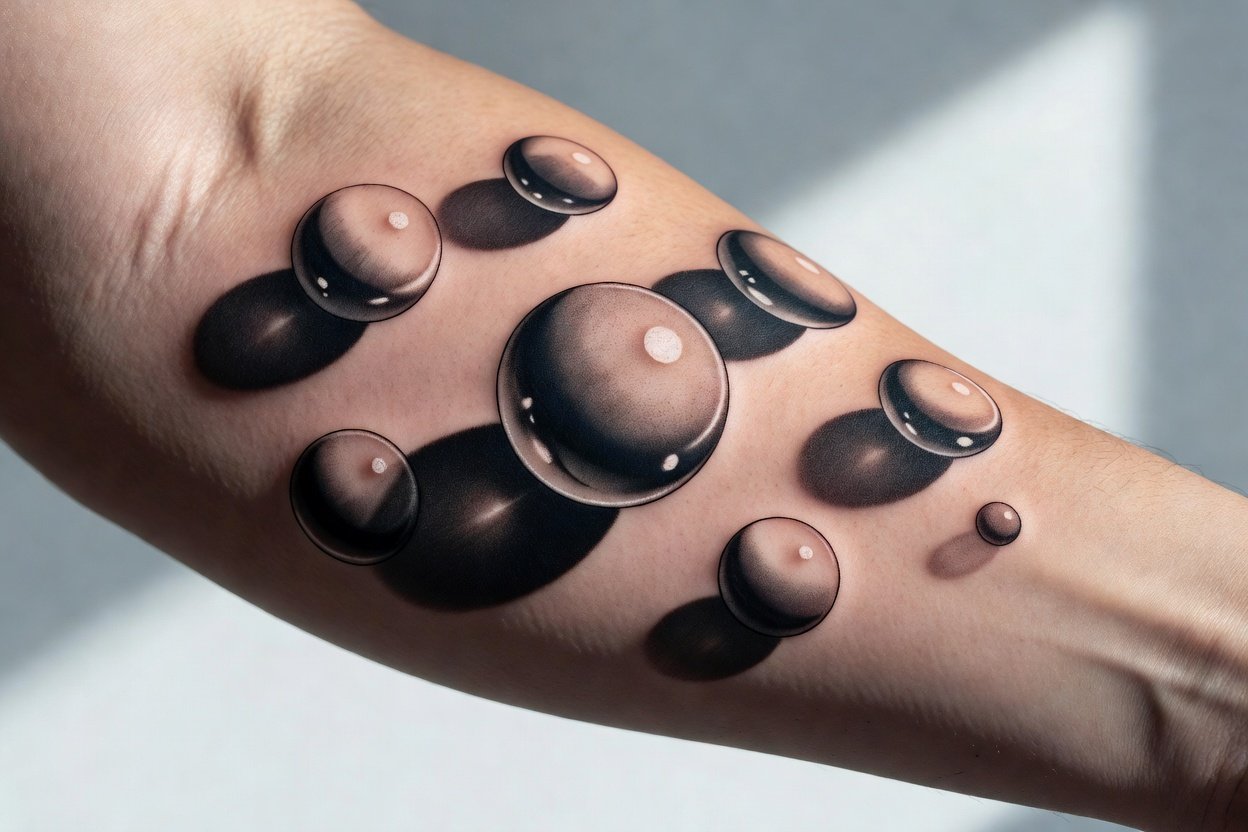
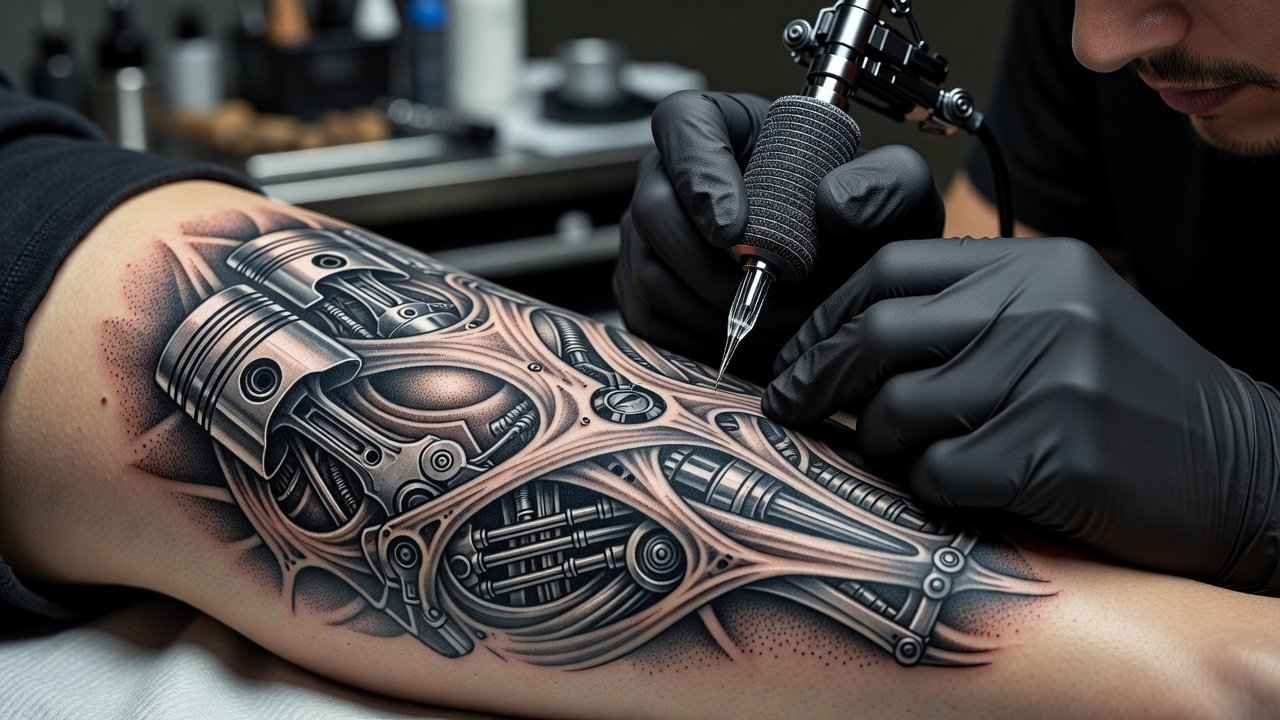
Studios specializing in realism, such as those in major cities like Los Angeles and London, showcase impressive 3D work. One notable example features a biomechanical sleeve where gears and pistons appear to sit beneath the skin surface through masterful shadow placement. Another popular design involves floating geometric spheres on the forearm that shift perspective dramatically with arm movement. A third example from a New York studio depicts a roaring lion whose mane seems to ripple outward from the chest, achieved through intricate layering of fur textures and directional shading. These pieces often take multiple sessions spanning 10–20 hours total, depending on size and complexity. Clients frequently request custom integrations with personal symbols, blending the illusion with meaningful elements like family crests or abstract representations of life experiences.
Body Placement Considerations for Maximum Impact
Choosing the right body placement is crucial for 3D illusion tattoos because the effect depends heavily on how the skin stretches, curves, and moves. Areas like the upper arm, thigh, and back provide larger canvases for expansive designs, while smaller zones such as wrists or ankles work better for compact illusions like floating objects. Artists advise avoiding high-mobility spots like elbows or knees for intricate work, as repeated bending can distort shadows over time. Skin tone also plays a role; darker skin may require adjusted pigment choices to ensure highlights remain visible. Clients should discuss lifestyle factors, such as sun exposure from outdoor activities, which can affect how the depth illusion ages.
Comparisons to Flat Modern Tattoos
Flat modern tattoos emphasize bold lines, minimal shading, and graphic simplicity, offering quicker application and often lower maintenance. In contrast, 3D illusion tattoos provide unmatched visual impact but require more artist expertise and client commitment to aftercare. While flat styles suit those seeking quick, versatile designs that photograph well in any light, 3D illusions excel for statement pieces where depth creates conversation-starting realism. The choice often depends on pain tolerance for extended sessions, budget considerations for multiple visits, and desired longevity of the visual effect. Many collectors start with flat pieces and later add 3D elements to create hybrid designs that combine both aesthetics.
Practical Steps for Clients to Collaborate on Custom Illusions
Successful 3D illusion tattoos begin with thorough preparation. Follow these steps: Research artists with proven portfolios in realism and 3D techniques, reviewing healed work specifically to gauge long-term quality. Schedule consultations to discuss body placement, size, and reference images while bringing multiple angles of inspiration photos. Provide clear inspiration while remaining open to artist suggestions on perspective adjustments that better suit individual anatomy. Plan for multiple sessions and commit to strict aftercare protocols including daily cleaning and moisturizing. Discuss touch-up expectations upfront, as fine shading may require periodic refreshers to preserve the illusion. Clear communication prevents mismatched expectations and ensures the final piece achieves the intended optical impact.
Common Pitfalls to Avoid
Amateur attempts at 3D illusions frequently result in flat or distorted outcomes due to poor shading gradients or incorrect perspective. Choosing inexperienced artists or rushing the design phase leads to regret. Additionally, placing complex illusions on highly mobile body areas can distort the effect over time. Clients sometimes overlook the importance of consistent lighting during the tattooing process, which can cause shadows to appear uneven once healed. Always verify artist credentials, request references from previous clients, and allow adequate healing time between sessions to assess progress accurately.
FAQs on Longevity and Maintenance
How long do 3D illusion tattoos last? With proper care, they can remain vibrant for decades, though fine details may soften after 10–15 years. What maintenance is required? Regular moisturizing, sun protection, and avoiding harsh chemicals preserve contrast. Annual check-ins with the original artist help identify when subtle touch-ups are beneficial. Are these tattoos more prone to fading than flat styles? The layered shading can make minor fading more noticeable, but high-quality pigments and diligent aftercare mitigate this effectively. Can 3D tattoos be covered up later if desired? Yes, but the depth and density often require more sessions for successful cover-ups compared to simpler designs. For broader health information related to tattoo procedures, refer to guidance from Centers for Disease Control and Prevention and World Health Organization. Additional safety insights are available via U.S. Food and Drug Administration.
In conclusion, 3D illusion tattoos represent an exciting evolution in contemporary ink, rewarding those who invest in skilled artistry and ongoing care. By understanding the techniques and following practical collaboration steps, clients can achieve enduring, eye-catching results that stand the test of time.

No comments yet. Be the first!