 Inked Mythos
Introduction to Sensory Tattoos in 2026
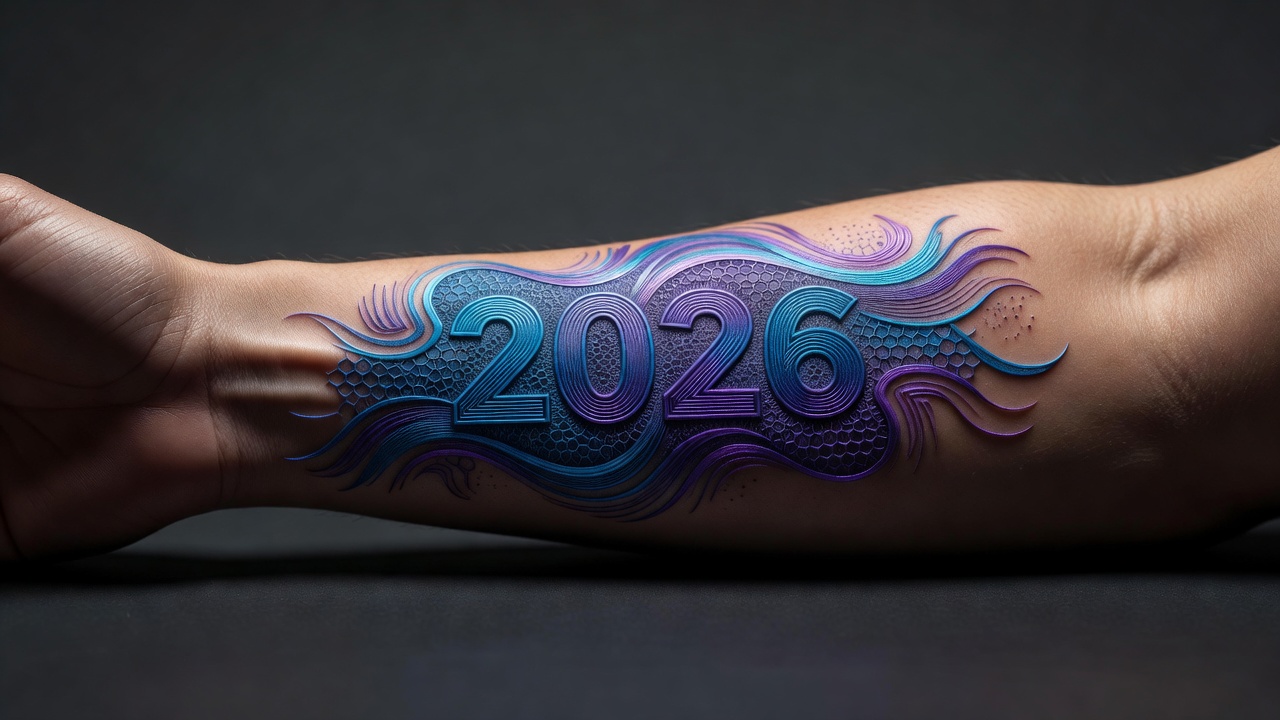
The tattoo industry continues to evolve rapidly, and in 2026 sensory tattoos stand out as an innovative frontier that redefines what body art can achieve. These designs move past purely visual appeal by incorporating textures, temperature sensitivity, and tactile elements that engage touch and other senses in meaningful ways. Clients seeking experiential body art are increasingly drawn to these advanced techniques, which blend artistry with sensory stimulation for a truly immersive experience that evolves with the wearer. Unlike conventional flat tattoos that rely solely on color and line work, sensory tattoos introduce physical dimensions that invite ongoing interaction, reflection, and even emotional connection through multiple sensory channels. This shift reflects broader trends in modern tattoo culture where personalization extends to how the skin feels and responds over time, creating pieces that are not static but dynamic living artworks.
As interest grows among forward-looking enthusiasts, sensory tattoos are emerging from experimental niches into more accessible options offered by specialized studios worldwide. The appeal lies in their ability to transcend traditional visual boundaries, offering wearers a deeper relationship with their ink that changes with environmental factors, touch, and even daily routines.
Understanding Key Sensory Tattoo Techniques
Raised Ink Techniques
Raised ink involves layering specialized pigments and additives that create a three-dimensional effect on the skin. Artists use techniques such as scarification integration or micro-bead additives to produce textures ranging from subtle bumps to pronounced ridges. These elements allow wearers to trace patterns with their fingers, creating an ongoing interactive experience that can evoke memories or provide calming sensory feedback during stressful moments. The process often requires multiple passes to build sufficient height without compromising skin integrity, and artists must balance aesthetic goals with functional longevity so the raised areas do not flatten prematurely.
Temperature-Reactive Materials
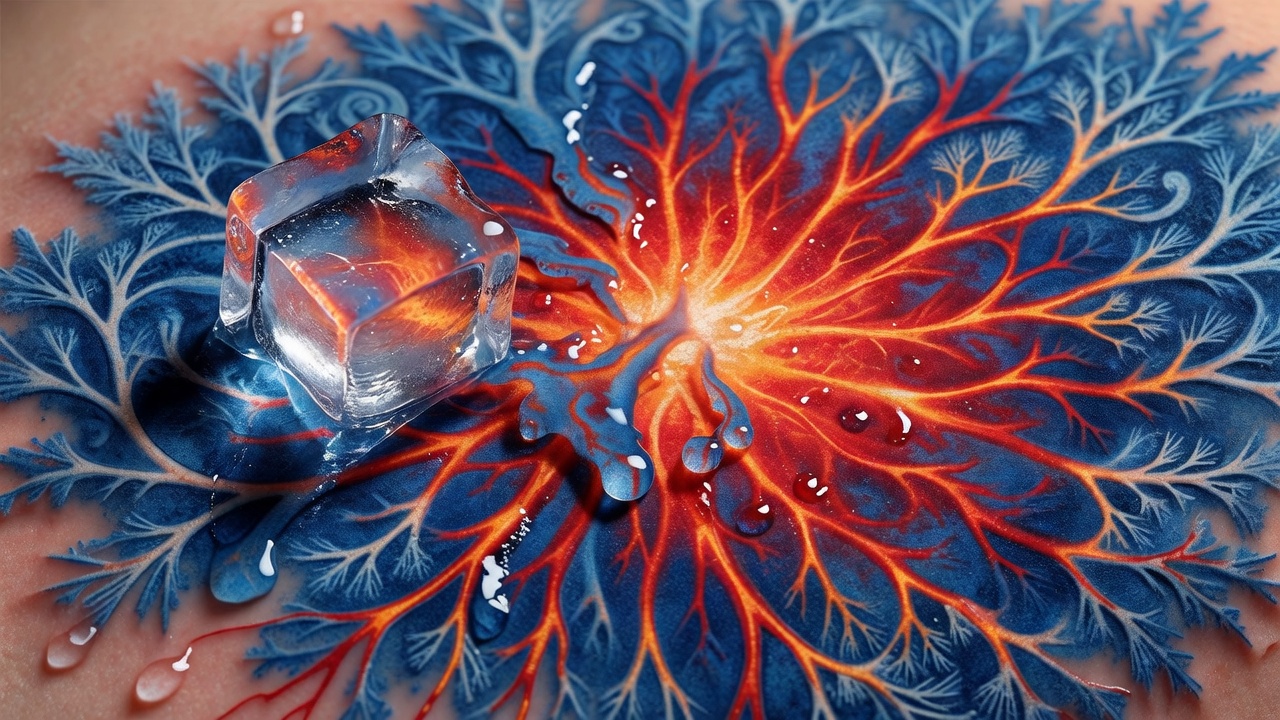
Temperature-reactive inks change color or opacity based on body heat or external stimuli like cold air or warm water. Thermochromic compounds embedded in the ink activate at specific thresholds, offering dynamic visuals that shift throughout the day and respond to activities such as exercise, bathing, or seasonal changes. This technology has matured significantly by 2026, with more stable formulations that maintain vibrancy longer and reduce the risk of premature fading. Clients often choose designs where color transitions align with meaningful personal symbolism, such as a heart that warms to red during moments of excitement.
Tactile Patterns and Multi-Sensory Designs
Tactile patterns combine raised surfaces with strategic placement of smooth versus rough areas to create contrast that heightens touch sensitivity. Some designs incorporate subtle scents through micro-encapsulated fragrances that release gradually with skin contact or heat, adding an olfactory dimension rarely found in traditional tattoos. These elements transform a tattoo into a multisensory encounter that can evoke memories or emotions through touch and smell, making the artwork a more holistic expression of identity. Advanced artists now combine all three techniques in single compositions for maximum impact.
Comparing Sensory Tattoos to Standard Flat Designs
Standard flat tattoos excel in crisp imagery and color saturation but lack physical interaction, making them ideal for those who prioritize bold visuals that photograph well. Sensory tattoos, by contrast, add layers of engagement that can enhance emotional connection to the artwork and turn daily touch into a ritualistic experience. However, they often require more sessions and specialized aftercare protocols that extend the overall timeline. Flat designs typically heal faster with less risk of texture-related complications such as uneven settling or irritation from clothing friction, while sensory versions demand precise artist skill to avoid uneven results or prolonged sensitivity. In terms of visibility, flat tattoos remain consistent under most lighting, whereas sensory pieces may reveal hidden details only through direct interaction, adding an element of surprise and intimacy.
Real-World Examples from 2026 Artists
Leading tattoo artists in 2026 have embraced sensory approaches across diverse styles. Studios in major cities feature collaborative pieces where clients select both visual motifs and sensory profiles, such as a mountain range tattoo with raised peaks that feel cooler to the touch during temperature shifts. One prominent artist in Berlin created a series of ocean wave designs incorporating raised foam textures and scent notes that release a light marine aroma when warmed. In New York, another studio specializes in abstract geometric patterns with embedded thermochromic elements that transition from matte to glossy finishes. These examples highlight how sensory tattoos are moving from niche experiments to mainstream options in forward-thinking shops, often blending cultural influences with cutting-edge materials for deeply personal results that clients report feeling more connected to than their previous flat tattoos.
Practical Steps for Clients Considering Sensory Tattoos
- Research artists experienced in advanced techniques and review their portfolios specifically for sensory work, paying attention to healed examples rather than fresh applications.
- Schedule in-depth consultations to discuss desired sensory effects, skin type compatibility, and any medical considerations that could affect outcomes.
- Understand the multi-session process often needed for layering textures and reactive elements, which may span several weeks or months depending on design complexity.
- Prepare for extended healing periods compared to traditional tattoos, including potential lifestyle adjustments like avoiding certain fabrics or activities.
- Plan placement carefully, considering how movement, clothing, and daily routines might interact with raised areas over the long term.
- Ask detailed questions about the specific materials used, expected duration of sensory effects, and contingency plans if adjustments are needed later.
- Review aftercare products recommended by the artist and budget for ongoing maintenance supplies that support texture and reactivity.
- Consider starting with a smaller test piece to experience the sensory qualities before committing to larger projects.
Potential Challenges and How to Overcome Them
While rewarding, sensory tattoos present unique challenges including higher costs due to specialized materials and time, as well as the need for meticulous aftercare to preserve effects. Some clients experience temporary heightened sensitivity during healing that requires patience and adherence to professional guidance. To overcome these, thorough research and open communication with artists are essential, along with realistic expectations about how the tattoo will age and evolve. Regular follow-up appointments can address any settling issues early.
Longevity, Care, and Pain Considerations
Proper care ensures sensory tattoos retain their unique qualities for years. Regular moisturizing with artist-approved products helps maintain texture integrity, while avoiding extreme temperature fluctuations preserves reactive properties. Pain levels vary but are generally comparable to standard tattoos, though raised work may involve additional discomfort during healing phases as the skin adjusts to new contours. Many wearers find the interactive nature worth the initial investment in time and attention.
FAQ
How long do sensory tattoos last?
With diligent care, the visual and tactile elements can endure for many years, though reactive properties may gradually diminish over time depending on lifestyle and exposure factors.
What is the aftercare routine like?
Clients follow enhanced protocols including gentle cleansing, specialized balms, and avoiding friction on textured zones for the first several weeks, with ongoing attention to hydration and protection.
Are sensory tattoos more painful?
Pain is subjective but often similar to traditional work; the added depth can extend session times slightly and may cause more noticeable tenderness during the initial healing stage.
Can sensory effects be refreshed later?
Some artists offer touch-up procedures to restore reactivity or texture, though results depend on the original materials and skin condition at the time of refresh.
Are there any skin types unsuitable for sensory tattoos?
Individuals with certain sensitivities or conditions should consult both a dermatologist and experienced artist beforehand to assess suitability and minimize risks.
Conclusion
Sensory tattoos represent an exciting evolution in 2026 body art, offering depth and interactivity that standard designs cannot match. By exploring raised techniques, reactive materials, and tactile innovations, enthusiasts can create truly personal and interactive pieces that engage the senses daily. Those ready to embrace this trend should prioritize skilled artists and thorough preparation for the best outcomes. For broader tattoo safety information, consult resources from the CDC and FDA.


No comments yet. Be the first!