 Inked Mythos

Introduction
As workplaces continue to evolve in 2026, professionals across industries are exploring tattoos that allow personal expression while aligning with corporate expectations. Subtle contemporary ink has emerged as a leading solution, offering discreet yet stylish options that respect dress codes and client-facing roles. This comprehensive guide examines the latest trends, style recommendations, placement strategies, and practical advice for those seeking to balance individuality with career advancement. Whether you work in finance, healthcare, technology, or law, understanding these trends helps ensure your ink supports rather than hinders professional goals.
Emerging 2026 Tattoo Trends for the Workplace
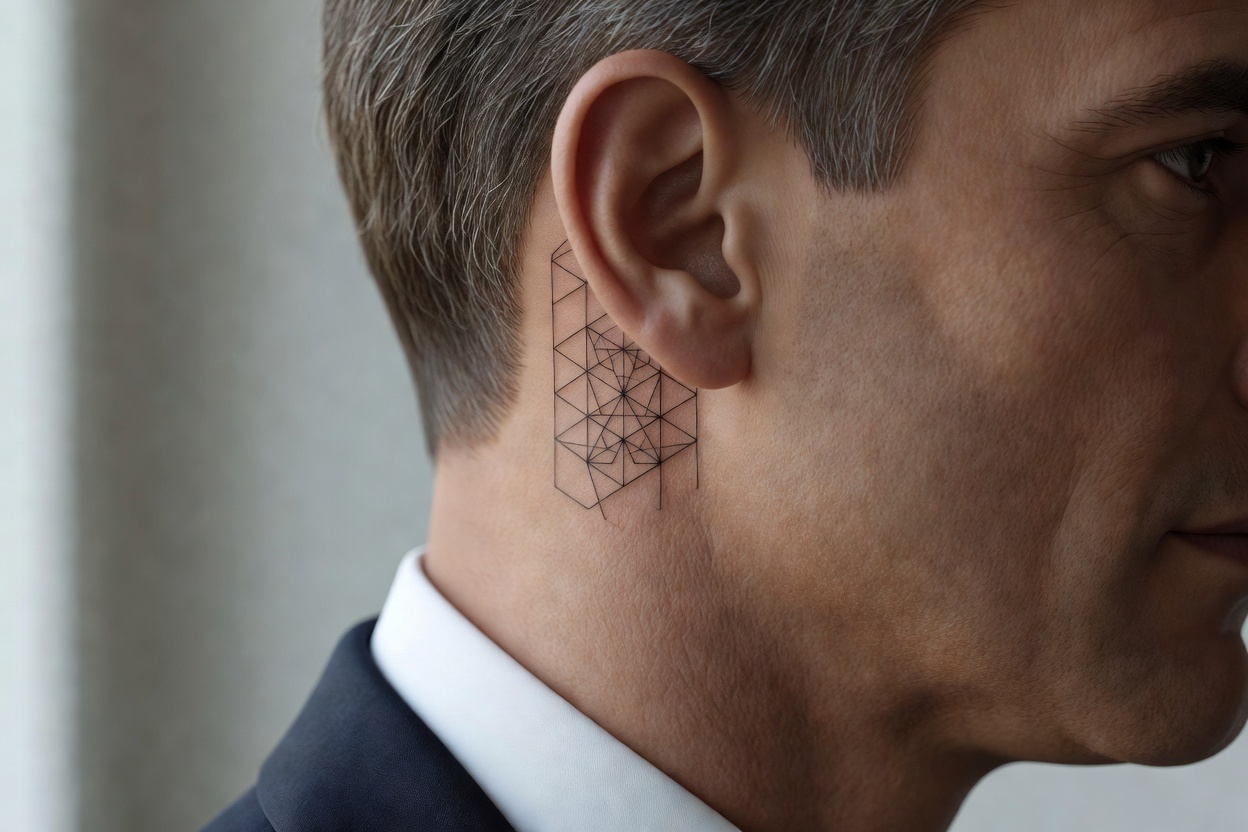
Fine-line scripts and minimalist geometric motifs continue to dominate preferences among working professionals this year. These designs prioritize elegance and precision through single-needle techniques that produce delicate, refined results. Hidden placements such as behind the ear, inner wrist, ankle, or upper ribcage remain highly popular because they stay concealed under standard business attire including long sleeves, collars, and closed-toe shoes. Another growing trend involves micro tattoos featuring personal symbols like small coordinates, abstract line work, or tiny icons that carry deep meaning without drawing visual attention during meetings or presentations. Professionals also favor negative space designs and single-line continuous art that create sophisticated silhouettes suitable for conservative environments. These options provide storytelling depth while maintaining a polished appearance that meets modern workplace standards.
Fine-Line Scripts and Minimalist Designs
Fine-line work creates clean, readable text or simple icons that age gracefully over decades. Professionals frequently select short motivational phrases, important dates, or meaningful coordinates rendered in modern sans-serif or delicate script fonts. This style pairs exceptionally well with concealed locations to preserve a professional image. Comparisons with bolder traditional tattoos reveal that fine-line pieces offer superior subtlety and versatility. For example, a small script on the inner forearm can be covered by a watch or sleeve during client interactions yet revealed in casual settings. Minimalist geometric patterns, such as subtle triangles or interconnected lines, add contemporary flair without overwhelming the skin. These designs are especially effective for individuals who want their tattoos to evolve with their careers rather than define them.
Visible Versus Concealed Tattoo Comparisons
Visible designs like forearm or neck pieces often signal creativity and innovation, making them more acceptable in tech startups or creative agencies. However, they may require careful policy checks in conservative sectors such as banking or law. Concealed placements provide maximum flexibility across industries and reduce potential bias during hiring processes or promotion discussions. Hybrid options, including small collarbone tattoos that peek only with certain necklines, allow controlled visibility for those who want occasional expression. Industry data shows that professionals in client-heavy roles benefit most from concealment strategies, while internal roles may permit more flexibility. Always evaluate your specific company culture before committing to visible ink.
- Visible designs: Best for roles valuing innovation; require policy verification in traditional firms.
- Concealed placements: Offer broad industry compatibility; minimize risks during interviews and evaluations.
- Hybrid options: Provide strategic reveal opportunities while maintaining professional standards.
Case Studies Across Industries
In the finance sector, a portfolio manager chose a subtle inner-wrist coordinate tattoo representing a significant career milestone. The placement stays hidden under a watch during client meetings yet serves as a personal reminder of achievement. In technology, software engineers often display small geometric patterns on the upper arm that remain covered during video calls but allow personal expression in team environments. Healthcare professionals, including nurses and physicians, commonly select behind-the-ear scripts or ankle designs that stay concealed under scrubs and lab coats. Marketing executives have shared success stories involving ribcage micro tattoos that support work-life balance without affecting client presentations. Legal professionals frequently opt for ankle or inner-bicep placements to maintain courtroom formality. These real-world examples illustrate how thoughtful placement and design choices enable meaningful self-expression while advancing careers across diverse fields.
Practical Steps for Consulting Tattoo Artists
- Research artists who specialize in fine-line and minimalist work by reviewing verified portfolios on professional platforms.
- Prepare a list of design ideas and preferred placements that align with your typical work wardrobe.
- Schedule in-person consultations to discuss healing timelines and how designs will appear under clothing.
- Request examples of healed fine-line tattoos to assess long-term quality and fading patterns.
- Confirm pigment choices and aftercare protocols suited for quick recovery before major professional events.
- Discuss pain management options and session lengths for smaller, detailed pieces.
- Review artist hygiene standards and studio certifications for safety compliance.
- Plan follow-up touch-up appointments to maintain crisp lines over time.
Mistakes to Avoid When Choosing Professional Tattoos
One common error is selecting overly trendy designs that may lose relevance within a few years. Another mistake involves poor placement research, leading to tattoos that cannot be easily concealed during important meetings. Professionals should also avoid rushing the artist consultation process or neglecting aftercare, which can result in blurred lines or infections that require medical attention. Failing to review company policies beforehand can create unnecessary workplace tension. Always prioritize quality over cost and choose experienced artists who understand subtle, long-lasting techniques.
Navigating Workplace Policies and Long-Term Considerations
Begin by carefully reviewing your employee handbook or HR guidelines regarding visible tattoos and body art. Some organizations have updated policies in recent years to be more inclusive, while others maintain stricter standards. Consider temporary coverings such as makeup or sleeves during probationary periods if needed. Long-term factors include how fine-line designs age with skin changes and potential needs for laser removal later in life. Consulting authoritative resources helps understand safety standards. The FDA provides information on tattoo ink regulations and safety. The American Academy of Dermatology offers guidance on skin health and tattoo aftercare. Additional insights can be found through the CDC regarding infection prevention practices.
Frequently Asked Questions
How do I choose a placement that stays hidden under business attire?
Focus on areas reliably covered by long sleeves, high collars, socks, or watches. Inner bicep, ribcage, and behind-the-ear locations provide excellent discretion for most professional wardrobes.
Will subtle tattoos affect future promotions or job opportunities?
Many forward-thinking companies now prioritize skills and performance over appearance. However, conservative fields such as finance and law still favor complete concealment. Assess your industry culture and specific employer policies first.
What maintenance is required to preserve fine-line ink over time?
Regular moisturizing, consistent sun protection, and avoiding harsh chemicals help maintain detail. Annual touch-ups may become necessary after five to seven years depending on placement and skin type.
Can I remove or alter a professional tattoo later if needed?
Yes, laser removal options exist, though multiple sessions are typically required. Choosing high-quality initial work reduces the likelihood of needing removal.
Conclusion
Subtle contemporary tattoos in 2026 empower professionals to integrate personal identity with career ambitions effectively. By focusing on fine-line techniques, strategic hidden placements, thorough artist consultations, and informed policy navigation, individuals can achieve meaningful ink that enhances rather than limits long-term professional success. Thoughtful planning ensures these designs remain assets throughout your career journey.
No comments yet. Be the first!