 Inked Mythos
2026 Metaverse Tattoo Fads: Digital Meets Physical Ink
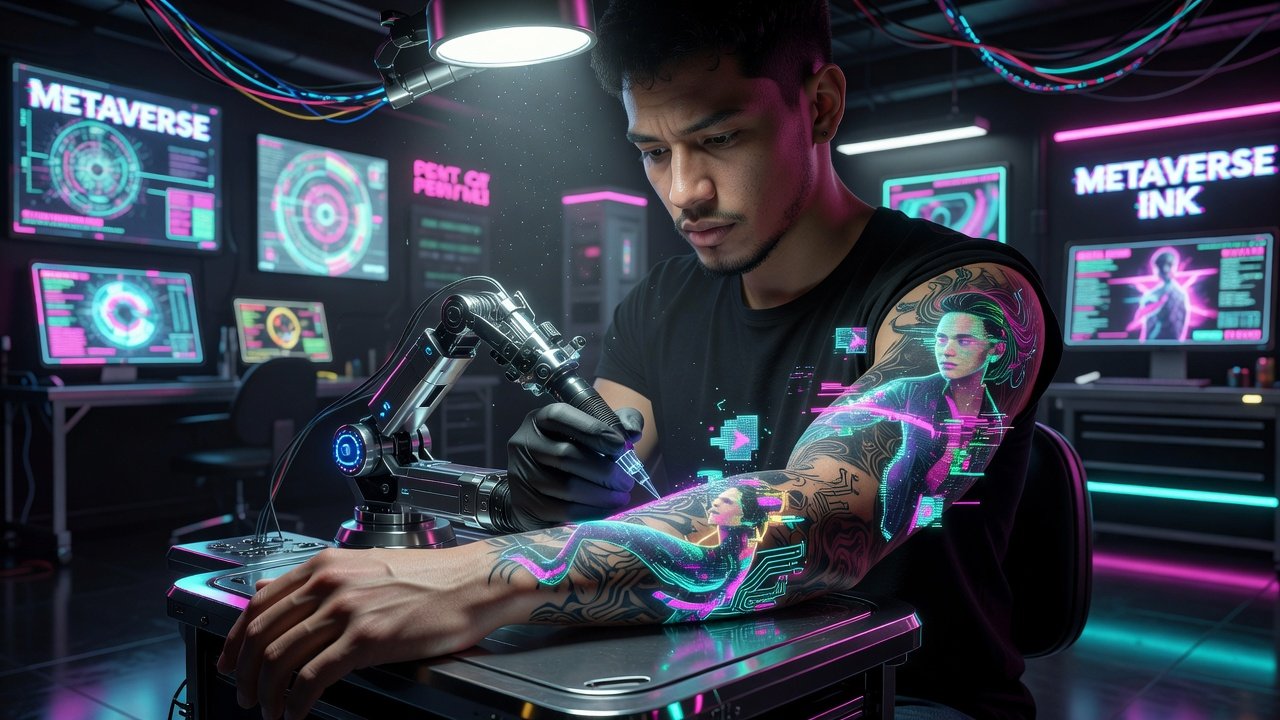
The intersection of virtual worlds and physical self-expression is redefining body art in 2026. Metaverse platforms have moved beyond gaming into daily digital identities, inspiring tattoo enthusiasts to bridge their online avatars with real-world contemporary ink. This fusion creates designs that feel alive across realities, incorporating elements once confined to screens. As virtual spaces become integral to social interaction, work, and entertainment, tattoos inspired by these environments offer a tangible way to carry digital personas into everyday life. Early research into digital culture shows how avatar customization influences personal style choices, leading to a surge in hybrid tattoo requests at studios worldwide.
Understanding the Metaverse Influence on Tattoo Culture
Metaverse environments encourage users to craft detailed avatars with unique aesthetics, from intricate cybernetic enhancements to fluid, animated patterns. As these digital personas gain permanence in social and professional spaces, many seek matching physical tattoos. This trend builds on decades of technological influence in art, where video games and virtual reality have already shaped motifs like pixel art and neon graphics. In 2026, the emphasis lies on seamless integration, where tattoos serve as portals between realities. Artists note that clients often arrive with VR exports, requesting elements that maintain visual integrity whether viewed in augmented reality apps or under natural light. This cultural shift highlights a desire for authenticity in an increasingly blended world, where personal ink reflects both physical heritage and virtual exploration.
Key Trends: Holographic Elements and Avatar-Inspired Motifs
Holographic tattoos stand out this year, using iridescent inks that shift under light to mimic digital glows and depth effects. These designs often incorporate subtle layers that catch reflections differently from various angles, evoking the dynamic nature of virtual environments. Avatar-inspired motifs frequently feature geometric fractals, cybernetic symbols, or personalized sigils pulled directly from popular platforms. Cross-reality customization allows wearers to scan their tattoo with an app, unlocking AR overlays that extend the design into virtual space with animations or additional details. Practical examples include users who imported their metaverse avatar's wing patterns into forearm pieces, blending neon gradients with traditional linework for added depth and movement. Another rising style combines bioluminescent effects with organic forms, creating tattoos that appear to pulse or evolve when viewed through digital filters. These trends prioritize versatility, ensuring the artwork remains compelling even without technological enhancement.
Practical Steps for Collaborating with Artists
Collaborating effectively requires clear communication and preparation. Begin by exporting your avatar file and sharing it with a tattoo artist experienced in digital-to-physical translation. Next, use augmented reality apps to preview placements on your body in real time, adjusting for proportions and flow. Schedule multiple consultations to refine details like scale, shading, and color theory for both 2D and 3D viewing angles. Test temporary versions, such as henna applications or digital projections, before committing to the permanent session. Discuss aftercare tailored to any special inks involved, and consider how the design might interact with future metaverse updates. These steps help avoid misalignment between virtual intent and skin outcome, fostering a collaborative process that respects both artistic vision and technical feasibility. Many studios now offer virtual sessions where clients can iterate designs in shared metaverse spaces before the in-person appointment.
Comparing Temporary Digital Previews and Permanent Tattoos
Digital previews offer flexibility, allowing instant color swaps, element additions, or full redesigns without commitment or healing time. They serve as excellent tools for experimentation, helping clients visualize outcomes across different lighting and movement scenarios. Permanent tattoos, however, deliver tactile permanence and cultural weight that digital versions cannot replicate. Many find the hybrid approach ideal: preview extensively in the metaverse, then finalize with an artist who understands both mediums. This reduces regret while honoring the enduring nature of real ink. Comparisons often highlight that while previews excel in speed and reversibility, permanent work builds emotional connection and community recognition. Clients report higher satisfaction when combining both, using digital tools for initial ideation and traditional techniques for the final execution.
Real-World Examples from Early Adopters
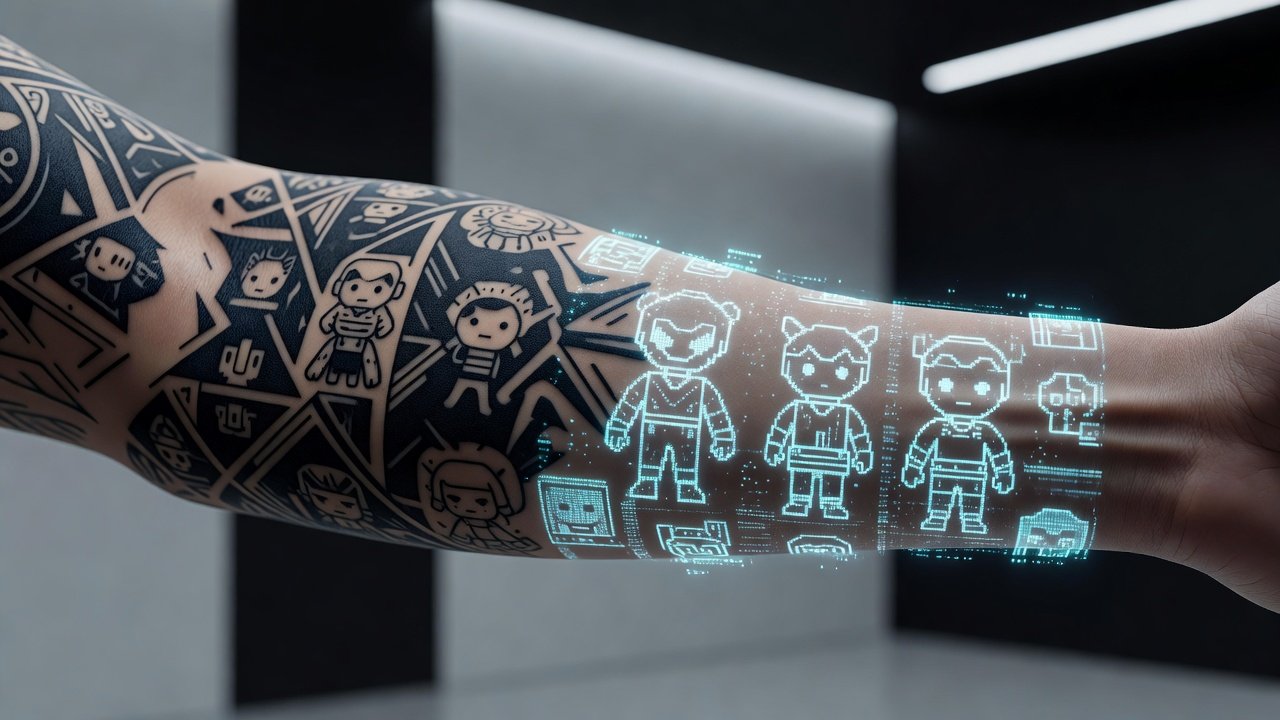
One prominent case involves a content creator whose metaverse avatar featured orbiting planetary rings; the physical tattoo now uses UV-reactive ink for similar luminescence at night, allowing the design to transform in club lighting or under blacklight. Another adopter translated a blockchain-verified digital collectible into a chest piece, incorporating subtle QR elements that link back to the original NFT when scanned via approved applications. A third example comes from a group of VR developers who each received matching neural network tattoos inspired by their shared workspace avatars, symbolizing collaborative bonds across realities. These stories illustrate how metaverse tattoos extend beyond aesthetics to represent identity, community, and innovation. Early adopters emphasize the importance of choosing motifs with personal significance to ensure the design ages gracefully alongside evolving technology.
Fads Versus Enduring Styles
While pure holographic effects may fade in popularity as technology evolves, core motifs like interconnected neural networks or personalized avatar sigils show staying power. Enduring styles emphasize adaptability—designs that remain striking even without AR enhancement—over fleeting tech gimmicks. Focus on timeless composition, balanced proportions, and meaningful symbolism rather than pure novelty for longevity. Fads often center on hyper-specific platform references that lose relevance quickly, whereas enduring pieces draw from universal themes like connectivity and transformation. Artists recommend prioritizing negative space and versatile color palettes to allow future modifications if needed. This balanced perspective helps clients invest in tattoos that bridge current trends with lasting appeal.
Health and Safety Considerations
Any tattoo, especially those using specialized inks for holographic effects, demands attention to safety protocols. Always verify that studios follow strict hygiene standards and use high-quality, regulated pigments. Resources from authoritative bodies provide guidance on potential risks and best practices. For more information, consult the American Academy of Dermatology and the Centers for Disease Control and Prevention. Additionally, the U.S. Food and Drug Administration offers insights into ink safety and regulatory standards. Clients should discuss allergies, skin types, and long-term maintenance during consultations to ensure optimal results.
Future Outlook for Metaverse-Inspired Tattoos
Looking ahead, advancements in smart inks and wearable tech may further blur lines between digital and physical art. Expect increased integration with biometric data, allowing tattoos to respond to heart rate or environmental changes. Studios are already experimenting with projection mapping during sessions to align virtual designs precisely. This evolution promises richer customization but also raises questions about accessibility and ethical considerations in body modification. As the metaverse matures, these tattoos will likely become markers of a generation that lives fluidly across worlds.
Conclusion
Metaverse tattoo fads in 2026 represent more than passing trends; they embody a profound merging of identities. By focusing on thoughtful collaboration, enduring design principles, and proper care, enthusiasts can create pieces that honor both virtual creativity and physical permanence. Whether through holographic accents or avatar motifs, these tattoos offer a powerful statement of self in an interconnected era.
FAQ
How long do these hybrid tattoos last?
With proper care, metaverse-inspired tattoos maintain vibrancy for decades, similar to traditional work, though holographic inks may require occasional touch-ups for peak effect depending on lifestyle and sun exposure.
What cost factors should be considered?
Expect variations based on complexity, artist expertise, and ink types; always discuss timelines, session lengths, and aftercare products during consultation to align expectations.
How should maintenance be handled for cross-reality designs?
Follow standard tattoo aftercare guidelines, protect from excessive sun, and use approved apps for any digital extensions to avoid damaging the physical ink or triggering irritation.
Are there risks with specialized holographic inks?
Like any tattoo, risks include infection or allergic reactions, but selecting reputable artists and quality materials minimizes these. Regular check-ins with dermatology professionals are advised for ongoing skin health.
No comments yet. Be the first!