 Inked Mythos
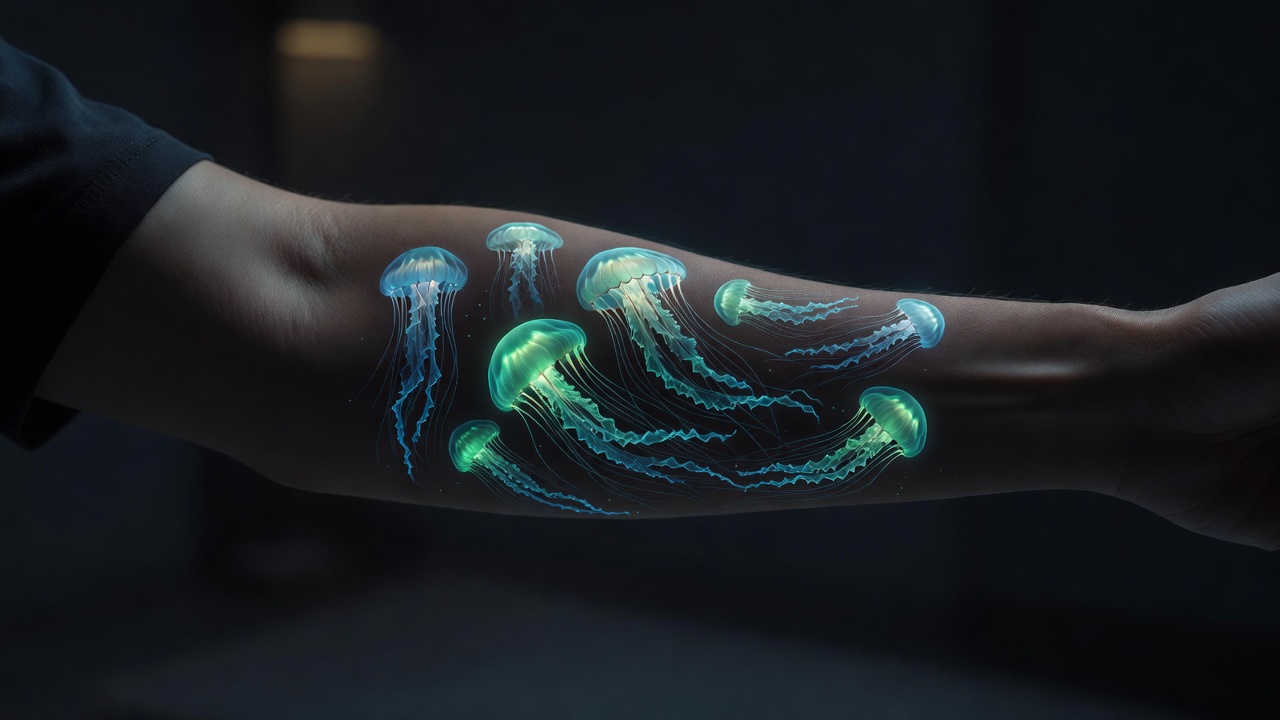
Bioluminescent Tattoo Trends 2026: Glowing Contemporary Ink
Bioluminescent tattoos represent a striking evolution in contemporary body art, blending scientific innovation with artistic expression. In 2026, these glowing designs are gaining momentum as enthusiasts seek tattoos that interact dynamically with their environment. Unlike conventional ink, bioluminescent varieties emit a soft, visible light in low-light conditions, creating an otherworldly effect that captivates viewers. This trend draws from advances in pigment technology, allowing wearers to showcase celestial patterns, marine motifs, or abstract forms that shift from subtle daytime appearances to radiant nighttime displays. The appeal lies in personalization and the element of surprise, making these tattoos ideal for those wanting unique, conversation-starting pieces that evolve throughout the day.
The Science of Light-Emitting Inks
At the core of bioluminescent tattoos is a sophisticated interplay of chemistry and biology. These inks contain phosphorescent compounds, often derived from rare-earth elements or engineered proteins inspired by natural bioluminescence in organisms like fireflies and jellyfish. When exposed to ultraviolet or visible light, the molecules absorb energy and re-emit it as a gentle glow that can persist for hours. The intensity and duration depend on factors such as pigment concentration, skin depth, and ambient conditions. Researchers continue refining formulations to enhance brightness while minimizing potential skin irritation, resulting in safer, more vibrant options available to artists today.
Safety Protocols and Regulations
Prioritizing safety is non-negotiable when exploring bioluminescent tattoos. Reputable studios conduct thorough consultations, including allergy testing and reviews of medical history. Inks must meet stringent quality standards to avoid heavy metals or contaminants that could trigger adverse reactions. Clients should confirm that their chosen artist uses FDA-compliant materials and adheres to sterilization protocols. For reliable information on cosmetic safety, refer to the FDA. Broader health guidelines for preventing infections during body modification procedures are detailed by the CDC. Additional scientific context on emerging pigment technologies can be found through the NIH, which supports ongoing studies into biocompatible materials.
The Process of Getting a Bioluminescent Tattoo
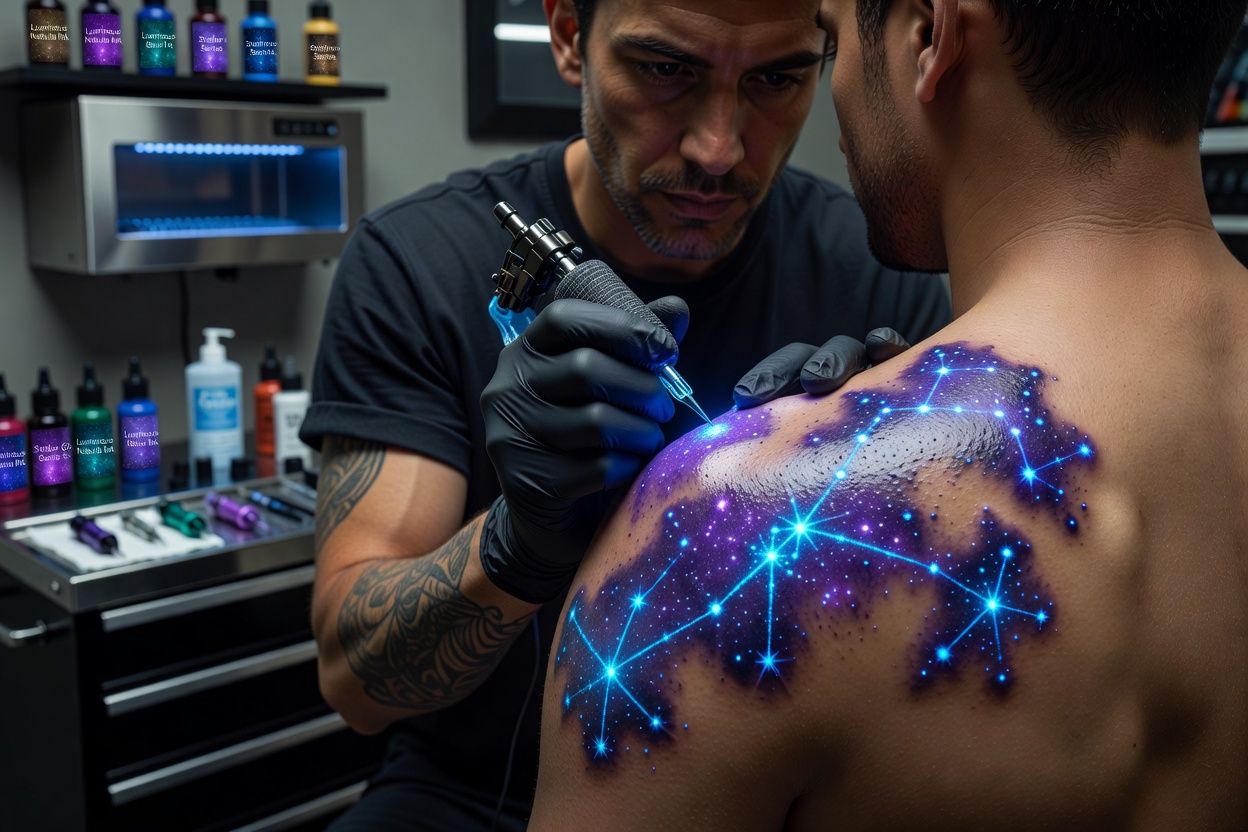
The journey begins with an in-depth consultation where the artist evaluates skin type, placement preferences, and desired glow intensity. Custom stencils are created, followed by a test application of the luminescent pigment to assess compatibility. During the session, the tattoo is applied in layers, often combining glowing elements with traditional black or colored inks for contrast and depth. Sessions may take longer than standard tattoos due to the need for precise layering and UV light checks to verify luminescence. Aftercare instructions are provided immediately, emphasizing the importance of protecting the fresh tattoo from sunlight and moisture during the initial healing phase.
Integration with Existing Tattoo Methods
Bioluminescent inks integrate effortlessly with established techniques such as fine-line work, realism, and geometric patterns. Artists frequently overlay glowing pigments onto healed blackwork to add a luminous dimension that activates after dark. This versatility allows for seamless enhancements to existing pieces, transforming static designs into interactive art. Hybrid approaches also incorporate watercolor backgrounds or dotwork shading, ensuring the glow complements rather than overwhelms the overall composition. Studios specializing in this fusion report high client satisfaction when designs account for both daylight visibility and nocturnal radiance.
Standout Design Examples
Creative applications abound in 2026. Popular choices include intricate sleeve designs featuring glowing nebulae that mirror real astronomical maps, or forearm pieces depicting bioluminescent sea creatures whose tentacles pulse softly in darkness. Abstract geometric tattoos using phosphorescent lines create optical illusions, appearing minimalist by day and hypnotic at night. One notable example is a back piece combining floral motifs with embedded glow points that mimic firefly trails, offering subtle movement when the wearer shifts position. These designs highlight the trend’s capacity for storytelling and personalization.
Comparisons to Standard Inks
Traditional tattoo inks excel in permanence, color saturation, and fine detail retention, yet they remain static regardless of lighting. Bioluminescent alternatives introduce an interactive quality but may exhibit slightly faster fading in high-sun-exposure areas. Longevity typically ranges from three to five years for noticeable glow before touch-ups become beneficial, compared to the decades-long durability of standard pigments. Healing times are comparable, though luminescent inks sometimes require extra moisturizing to maintain particle integrity. Clients often choose hybrids to enjoy the best of both worlds, balancing reliability with novelty.
Artist Case Studies
Seasoned professionals are adapting quickly to this trend. A Los Angeles-based artist has developed a signature style merging bioluminescent accents with realistic portraiture, allowing clients’ loved ones to appear illuminated in evening settings. In Berlin, studios experiment with multi-layered applications that produce color-shifting glows under different light sources. These case studies demonstrate how experienced hands can mitigate technical challenges like uneven particle distribution, resulting in consistent, long-lasting luminescence across diverse skin tones and body placements.
Selection Tips for Clients
- Choose artists with documented experience in luminescent pigments rather than general practitioners.
- Request portfolio examples showcasing both daytime and nighttime appearances of completed work.
- Undergo a small patch test at least two weeks prior to the full session.
- Evaluate skin undertones carefully, as cooler tones may enhance blue-green glows while warmer tones suit amber hues.
- Discuss lifestyle factors such as frequent sun exposure or swimming, which influence placement decisions.
- Review aftercare commitment levels, since proper maintenance directly affects glow longevity.
Maintenance Routines and Expected Longevity
Effective upkeep starts with gentle cleansing using mild, unscented soap and application of tattoo-specific balms during the first two weeks. Once healed, regular moisturizing prevents dryness that could dull the glow. Limit direct sunlight and consider protective clothing or sunscreen formulated for tattoos. Avoid harsh exfoliants or chemical peels near the design. Touch-up appointments every 18 to 24 months help refresh fading areas. With consistent care, the luminescent effect remains vibrant for several years, preserving the tattoo’s dynamic character.
Mistakes to Avoid
Common pitfalls include selecting inexperienced artists, neglecting patch tests, or placing the tattoo in high-friction zones that accelerate wear. Overexposure to chlorine or saltwater shortly after healing can compromise ink stability. Another frequent error is underestimating the need for ongoing sun protection, which shortens overall lifespan. Clients should also avoid rushing the design phase; thorough planning ensures the glow integrates harmoniously with the full artwork rather than appearing as an afterthought.
Frequently Asked Questions
How visible is the glow in everyday settings?
The luminescence shines brightest in complete darkness or under blacklight, producing a soft halo effect. In typical indoor evening lighting, it offers a gentle radiance rather than an intense beam, making it suitable for subtle self-expression.
Are there any regulations on bioluminescent inks?
Regulations differ by location, with some areas requiring specific approvals for novel pigments. Always verify compliance with local health authorities and confirm your studio uses certified, tested products to ensure safety and legality.
Can designs be fully customized?
Absolutely. Artists can blend glowing and conventional inks in any proportion, enabling fully bespoke artwork that reflects personal stories, symbols, or aesthetics while incorporating the signature glow element.
What affects the intensity of the glow over time?
Factors include ink quality, application depth, skin type, and exposure to environmental stressors. Consistent aftercare and periodic touch-ups help maintain optimal brightness throughout the tattoo’s lifespan.
Conclusion
Bioluminescent tattoos offer a forward-thinking addition to the world of modern ink, merging artistry with emerging technology. By understanding the underlying science, following rigorous safety practices, and committing to thoughtful maintenance, individuals can enjoy these glowing designs for years to come. As 2026 unfolds, this trend continues to inspire creativity and push the boundaries of what body art can achieve.
No comments yet. Be the first!