 Inked Mythos
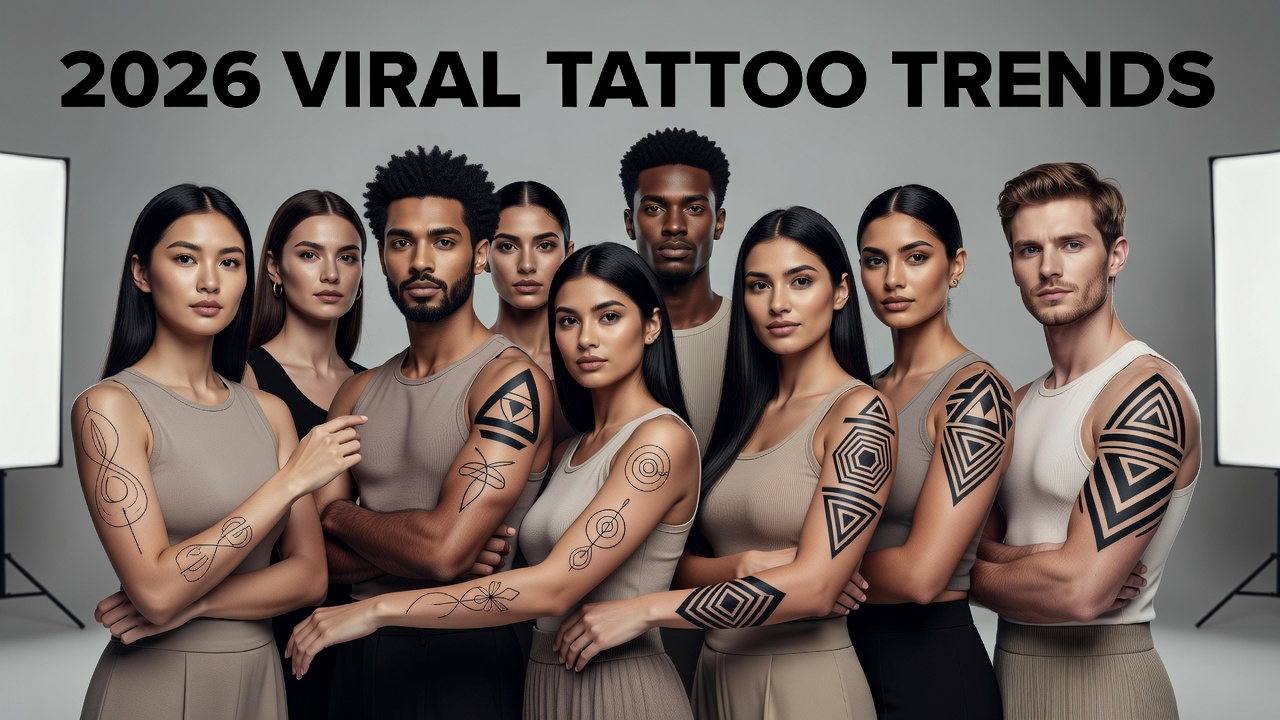
Introduction: The Digital Engine Behind 2026 Tattoo Culture
Social media platforms like Instagram and TikTok have transformed tattooing into a highly visible, shareable art form. In 2026, these apps dictate which designs gain traction, creating rapid cycles of popularity driven by algorithms that reward visual appeal and engagement. This case study examines how visibility and virality shape modern ink, offering insights for tattoo enthusiasts and professionals alike. Search intent around this topic often centers on understanding fleeting fads versus lasting choices. Users want to know what will look good in photos, what influencers are wearing, and how to navigate trends without regret. The influence extends beyond aesthetics, affecting booking patterns, artist marketing strategies, and even the way studios operate in competitive urban markets where digital presence determines success.
Algorithm-Favored Designs in 2026
Instagram and TikTok algorithms prioritize high-contrast, colorful, or minimalist tattoos that perform well in short-form video and carousel posts. Designs with clean lines, negative space, and symbolic elements tend to dominate feeds because they photograph sharply and encourage saves or shares. Popular motifs include micro-realism portraits, abstract geometric patterns, and nature-inspired elements that lend themselves to quick scrolls. These choices boost discoverability but can lead to oversaturation within months. For instance, fine-line botanical tattoos surged after a series of Reels demonstrated their versatility under different lighting conditions, prompting thousands of similar requests across major cities. Artists report that pieces optimized for vertical video formats receive up to three times more engagement than traditional static images, pushing creators to adapt their portfolios accordingly.
Influencer Case Studies Driving Virality
Top influencers have accelerated specific trends through strategic campaigns. One prominent TikTok artist partnered with a skincare brand to showcase healed tattoos in natural lighting, resulting in millions of views and a surge in similar bookings worldwide. Another Instagram creator documented a full sleeve journey over 30 days, highlighting the process and aftercare, which sparked widespread interest in matching designs among followers. A third case involved a micro-influencer who collaborated with a sustainable ink supplier to promote eco-friendly pigments through interactive polls and live sessions. These examples demonstrate how personal storytelling combined with platform-native content turns individual tattoos into cultural moments. The ripple effect often reaches smaller studios, where local clients reference the same viral posts during consultations.
Rapid Trend Cycles and Their Consequences
Unlike traditional word-of-mouth spread, social media compresses trend lifecycles from years to weeks. A design that goes viral in January may feel dated by summer, pressuring clients toward impulsive choices. Comparisons reveal clear differences: viral contemporary ink often features bright hues and trendy symbols that fade in relevance quickly, while enduring styles like blackwork lettering or traditional American motifs maintain appeal across decades due to their timeless versatility. Clients who chase virality sometimes return for cover-ups within 18 months, underscoring the importance of long-term planning over short-term likes.
Practical Steps for Tattoo Artists to Leverage Social Tools
Artists can harness these platforms effectively with targeted strategies:
- Post consistently with optimized hashtags and behind-the-scenes Reels to improve algorithmic reach, focusing on a mix of process videos and healed portfolio shots.
- Collaborate with micro-influencers whose audiences align with niche styles rather than chasing mega-accounts that may dilute brand authenticity.
- Use Stories for real-time client transformations to build community and trust, incorporating polls to gather direct feedback on upcoming flash designs.
- Analyze engagement metrics weekly to refine content that highlights healed results, not just fresh ink, ensuring followers see longevity in the work.
- Cross-post strategically between Instagram and TikTok while tailoring captions to each platform's tone and audience expectations.
These steps help maintain relevance without compromising artistic vision.
Examples of Successful Campaigns
Successful campaigns, such as flash tattoo events promoted exclusively on TikTok, have shown how targeted social pushes can fill appointment books within days while maintaining artistic integrity. One studio ran a 48-hour challenge encouraging users to tag friends for custom micro-tattoos, generating over 50,000 shares and converting into a 40 percent increase in walk-ins. Another campaign featured user-generated content contests where clients submitted photos of their healed pieces for a chance to win free touch-ups, fostering loyalty and organic promotion. These initiatives prove that combining creativity with platform features yields measurable results for both emerging and established artists.
Instagram and TikTok both provide creator tools that reward authentic engagement over pure promotion, while resources from CDC help artists communicate safe practices alongside trend content.
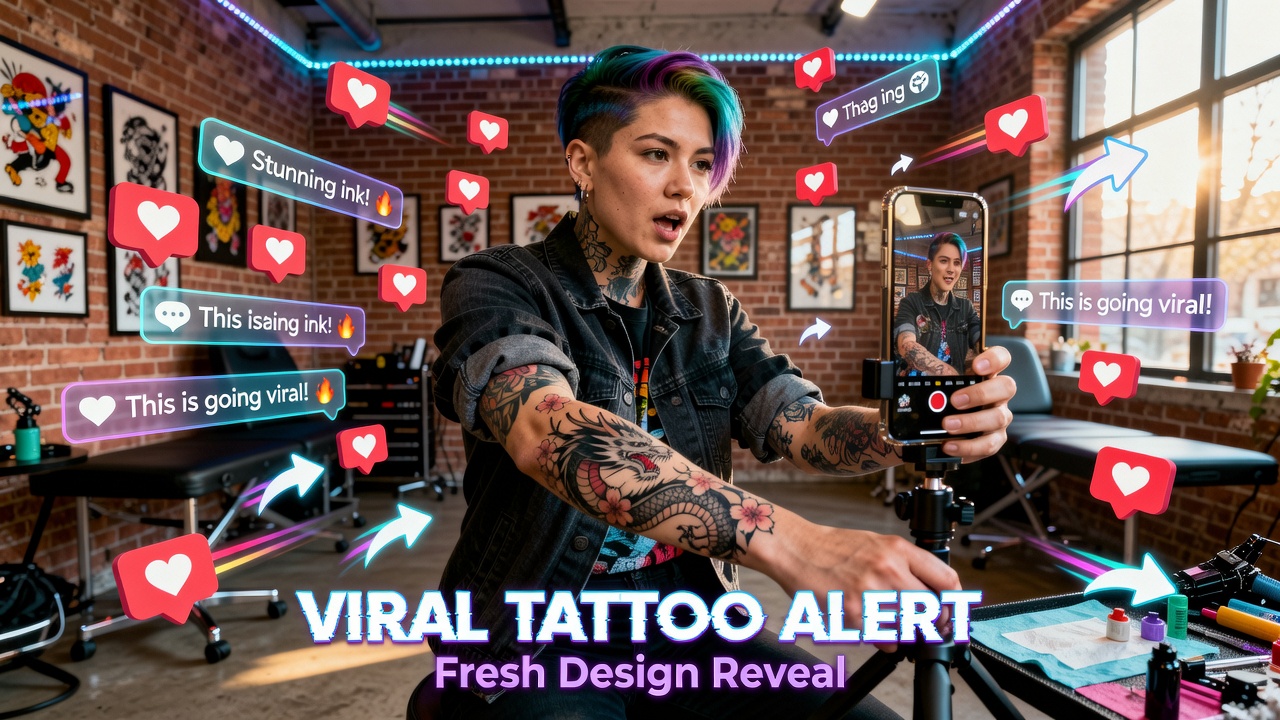
Balancing Authenticity with Digital Shifts
Artists and clients alike face pressure to adapt without sacrificing personal meaning. The key lies in selective trend adoption—incorporating viral elements into custom pieces that reflect individual stories rather than copying exact templates. Studios that succeed in this balance often maintain separate portfolios: one for trending searches and another showcasing signature styles that clients return to year after year.
FAQ: Adapting to Digital-Driven Tattoo Trends
How do I choose a tattoo that won't date quickly? Focus on personal symbolism over current fads; consult artists who blend contemporary techniques with classic foundations and request mockups showing how the piece will evolve over time.
Should I get a viral design I saw online? Research the artist's portfolio first and consider how the piece will age physically and stylistically beyond the screen, perhaps opting for subtle variations that make it unique to you.
What role does social media play in aftercare awareness? Platforms spread accurate healing advice rapidly but also misinformation—always verify with licensed professionals and cross-reference official health guidelines before following any online protocol.
How can artists avoid trend burnout? Diversify portfolios with both viral-friendly and evergreen work to sustain long-term client relationships and reduce reliance on fleeting algorithm changes.
Is it worth investing in professional social media management as a tattoo artist? Many independent artists find that even basic training in content creation yields strong returns, especially when paired with consistent client testimonials and educational posts about safety standards.
What happens when a trend fades mid-project? Communicate openly with clients about customization options that preserve the original intent while allowing flexibility if popularity shifts during the booking process.
In conclusion, social media continues to redefine tattoo culture in 2026 by accelerating visibility while challenging the balance between innovation and authenticity. By understanding these dynamics, both clients and creators can make informed decisions that honor the art form's enduring power.
No comments yet. Be the first!