 Inked Mythos
Introduction to Responsive Tattoos in 2026
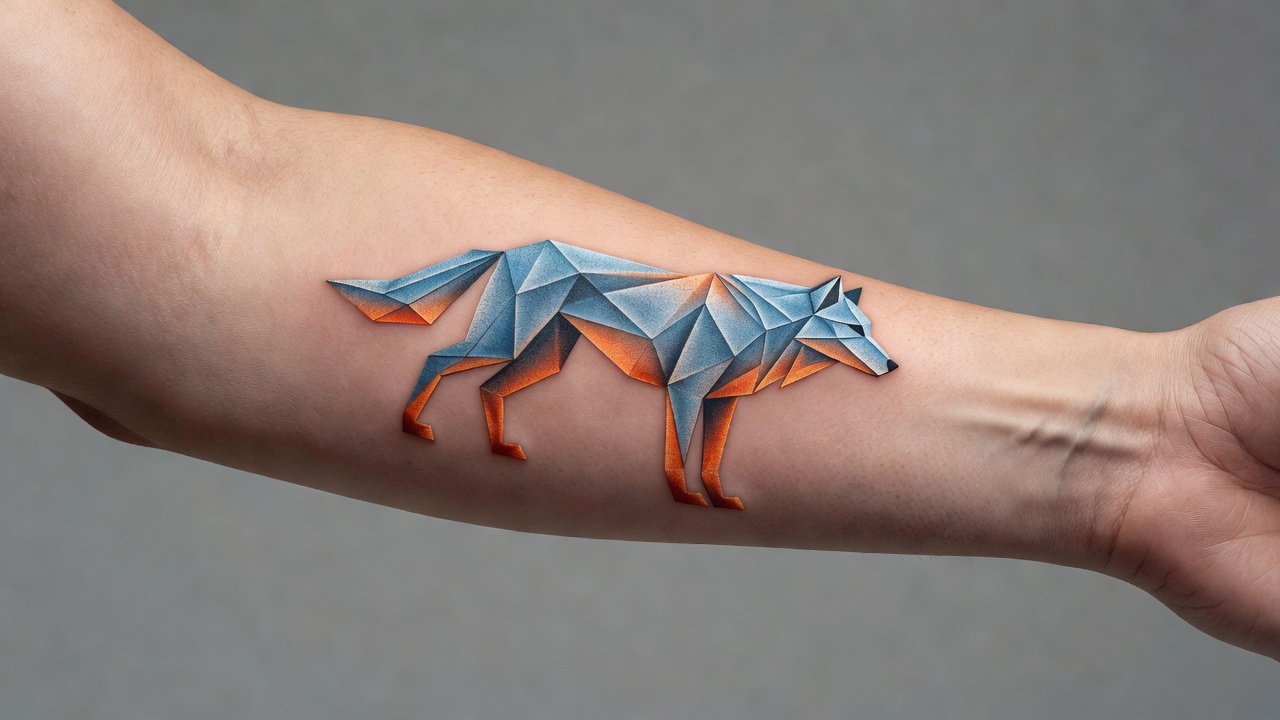
The tattoo industry continues to evolve rapidly, and 2026 marks a significant shift toward responsive tattoos. These innovative designs use specialized inks that adapt their appearance based on environmental factors like temperature, light exposure, or pH levels. Unlike traditional static tattoos, responsive ink creates dynamic personal expression that changes with the wearer’s body or surroundings. This emerging trend appeals to individuals seeking modern ink that goes beyond fixed imagery, blending science with artistic expression for a truly interactive experience. Enthusiasts are drawn to the way these tattoos can reflect mood, activity, or environment in real time, turning body art into a living canvas.
As more people explore contemporary ink options, responsive designs stand out for their ability to evolve. They represent a fresh angle on tattoo fads while offering deeper personalization than ever before. This comprehensive look covers the underlying technologies, practical applications, and decision-making factors to help readers understand if this trend fits their lifestyle.
Understanding the Core Ink Technologies
Responsive tattoos rely on advanced pigment formulations refined for safe skin application. Thermochromic inks react to temperature fluctuations, shifting hues when the skin warms during exercise or cools in air-conditioned environments. Photochromic inks activate under UV or specific light wavelengths, revealing hidden layers or intensifying colors outdoors. pH-sensitive inks respond to skin acidity changes often tied to diet, stress, hydration, or even minor health variations, creating subtle or dramatic transformations.
These technologies build on established chemistry principles but have been optimized over recent years for dermal use, minimizing irritation risks. Studios now combine multiple ink types in layered designs for complex, multi-stage transitions that can occur sequentially or simultaneously depending on conditions. Understanding these mechanisms helps clients select inks aligned with their daily routines and desired visual effects.
Real-World Examples from Leading Studios
Forward-thinking tattoo studios in major cities have begun offering responsive pieces with impressive results. One New York studio created a wrist design where a geometric floral motif blooms from cool blue to vibrant pink during physical activity due to thermochromic properties. In Los Angeles, artists employ photochromic inks for full sleeve elements that intensify under sunlight, transforming subtle daytime patterns into glowing statements at the beach or during evening events.
European studios in Berlin and London focus on pH-reactive tattoos that alter based on hydration and stress levels, providing both aesthetic appeal and subtle wellness indicators. A Tokyo collective recently showcased collaborative works where multiple trigger types interact, such as a dragon illustration that changes scale colors with temperature while revealing hidden details in bright light. These examples demonstrate how responsive tattoos integrate seamlessly into various cultural and artistic contexts.
American Academy of Dermatology resources emphasize testing skin compatibility with any new pigment before full application.
Comparing Responsive Ink to Static and Other Trends
Static tattoos remain popular for their reliability and timeless appeal, yet they lack the interactive quality of responsive designs. AR-enhanced tattoos require external apps or devices for activation, adding layers of complexity, while minimalist ink prioritizes clean simplicity over transformation. Responsive tattoos differentiate by embedding change directly into the skin without needing additional technology or constant upkeep beyond normal care.
This sets them apart for those wanting evolving personal symbols that adapt over time rather than remaining fixed. Compared to covered trends like AR or ultra-minimalist line work, adaptive inks provide organic interactivity that feels more integrated with the body’s natural rhythms.
Application Techniques and Process
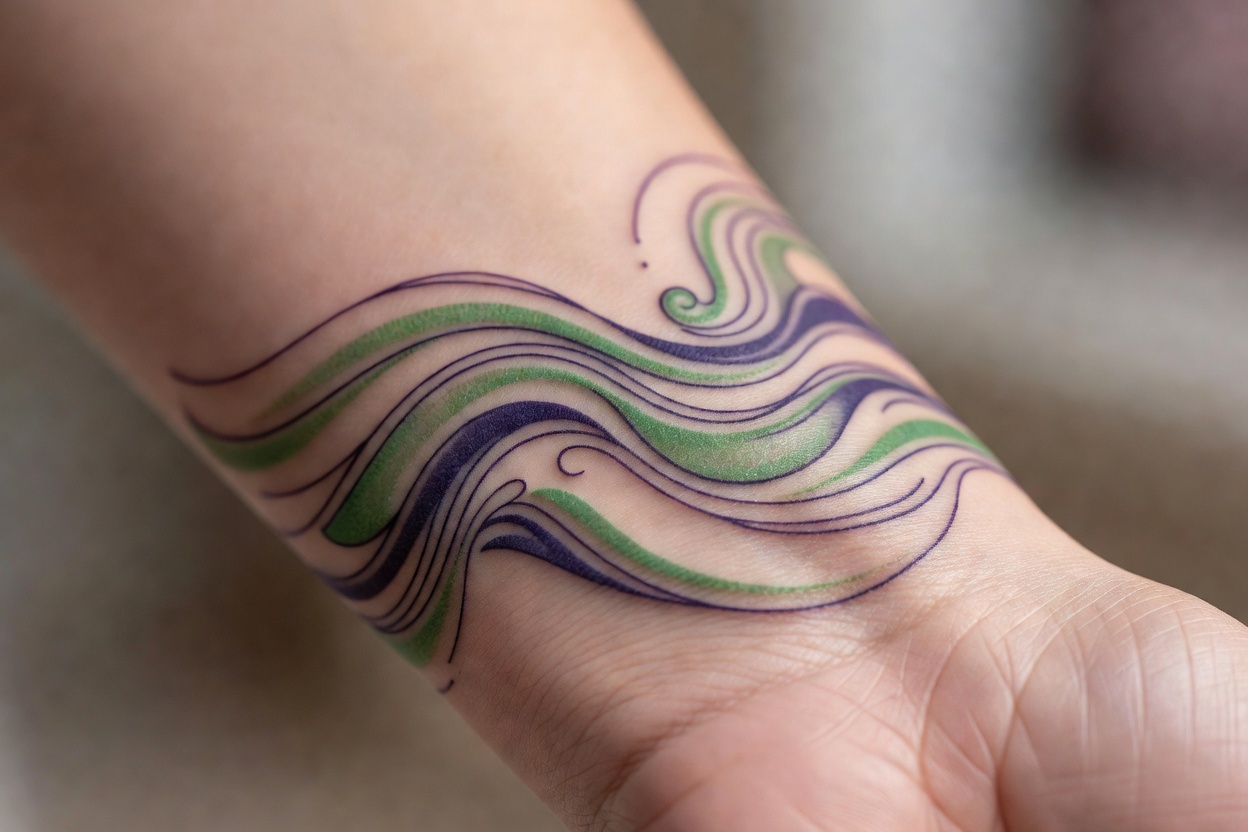
Application begins with an in-depth consultation where artists map potential trigger points on the body and discuss lifestyle factors. Precise layering ensures even color shifts without patchiness, often requiring two or three sessions spaced weeks apart to build depth safely. Sterilization protocols follow industry standards, and artists use specialized needles for consistent ink deposition. Clients receive detailed aftercare instructions tailored to the reactive properties to preserve functionality from day one.
Durability Factors and Long-Term Maintenance
Durability depends on ink quality, placement, skin type, and lifestyle habits. Areas with frequent sun exposure may see accelerated fading in photochromic elements, while high-movement zones like wrists or ankles can experience faster wear on thermochromic layers. Regular moisturizing, broad-spectrum sunscreen, and avoiding extreme chemical exposures help maintain vibrancy. Professional touch-ups every two to four years typically restore optimal responsiveness, much like conventional tattoos but with attention to preserving reactive capabilities.
Customization Options for Personal Expression
Clients enjoy extensive customization, selecting single-trigger or multi-reactive designs that combine temperature, light, and pH responses. Color palettes span subtle neutrals that shift gently to bold contrasts for dramatic reveals. Placement decisions matter greatly—inner arms and torso suit temperature-based changes, while exposed limbs highlight light-activated effects. Artists incorporate meaningful motifs such as symbols, abstract patterns, or portraits that gain layered significance through color evolution, allowing tattoos to tell different stories depending on context.
Step-by-Step Selection Guide
- Research licensed studios with proven experience in adaptive inks and request portfolios showing before-and-after transformations.
- Schedule a dermatologist consultation to evaluate skin sensitivity and rule out allergies to specific pigments.
- Identify primary lifestyle triggers—temperature for active individuals, light for outdoor enthusiasts, or pH for those interested in health monitoring.
- Review multiple design mockups and discuss layering techniques with the artist to achieve desired transition speeds.
- Finalize aftercare plans and schedule follow-up appointments to monitor initial healing and responsiveness.
Cost Considerations
Pricing varies according to design complexity, number of sessions, and studio expertise with specialized materials. Responsive tattoos generally involve higher investment than standard work because of the advanced inks and technical skill required. Prospective clients should always obtain personalized quotes during consultations to understand the full scope.
Safety Considerations and Potential Risks
Safety remains paramount, and clients should verify that studios use FDA-compliant or equivalent certified inks. Potential risks include allergic reactions, uneven fading, or reduced responsiveness if aftercare is neglected. FDA guidelines on tattoo inks provide useful background on regulatory expectations. Working with experienced professionals and following all post-procedure instructions significantly reduces complications.
Frequently Asked Questions
Are responsive tattoos safe for everyone?
When performed by trained professionals using tested inks, they follow the same rigorous standards as traditional tattoos. Individual skin testing is always recommended.
How do I maintain the color-shifting effects long term?
Avoid extreme temperatures during the healing phase and use dermatologist-approved skincare. Periodic professional evaluations help sustain performance.
Can responsive tattoos be removed later?
Laser removal remains an option but may require extra sessions due to multiple pigment layers. Specialists should assess each case individually.
Do these designs work equally well on all skin tones?
Most modern formulations adapt across tones, though small test patches confirm visibility of shifts for optimal results.
What makes responsive tattoos different from AR or minimalist trends?
They provide built-in, technology-free interactivity that evolves naturally with the body, unlike device-dependent or static alternatives.
Future Outlook for Adaptive Ink
As research advances, responsive tattoos are expected to incorporate additional triggers and finer control over transition timing. This positions them as a lasting evolution within modern tattoo culture rather than a fleeting novelty.
Conclusion
Responsive tattoos represent an exciting frontier in 2026 ink trends, merging technology with personal storytelling. By understanding the science, application methods, durability needs, and customization possibilities, enthusiasts can make informed choices that align with their expressive goals. This adaptive approach continues to distinguish modern tattoos from conventional static styles while opening new avenues for creativity and self-expression.
No comments yet. Be the first!