 Inked Mythos

Introduction: Tattoos as Milestones of the Self in 2026
In 2026, tattoos have evolved far beyond decorative art or fleeting trends. They now serve as profound markers of personal growth, reflecting inner transformations, resilience, and evolving identities. Search data shows rising interest in how ink decisions align with mental well-being and life milestones. This article examines the psychology behind modern tattoo choices, compares trend-driven versus meaningful designs, shares real-life examples, and offers practical guidance for intentional selection. Individuals increasingly view tattoos as visual autobiographies that document emotional journeys rather than simple adornments, helping them process major life events such as career changes, relationship shifts, or personal recoveries. The decision-making process often involves deep introspection about long-term identity alignment, moving away from impulsive selections influenced by viral social media aesthetics toward deliberate symbols that support ongoing self-development.
Psychological Drivers Behind Contemporary Tattoo Trends
Modern ink selections often stem from deep psychological needs for self-expression and narrative control. According to insights from the American Psychological Association, body modifications like tattoos can enhance self-esteem by externalizing internal changes. In 2026, designs frequently incorporate symbols of growth such as evolving flora, abstract timelines, or phoenix motifs that represent rebirth after challenges. These choices help individuals process emotions, celebrate recovery, or affirm new life chapters, moving away from impulsive decisions toward deliberate identity markers. Additional drivers include the desire for tangible reminders of progress during therapy or after overcoming adversity, where the act of getting inked becomes a ritual of closure. Research highlights how tattoos can serve as anchors for mindfulness practices, reducing anxiety by providing visible proof of personal evolution and fostering a stronger sense of agency over one's life story. Many people report that selecting a design prompts thorough self-reflection on values, past experiences, and future aspirations, turning the tattoo into both a creative outlet and a therapeutic tool.
Trend-Driven Tattoos vs. Meaningful Personal Ink
While social media amplifies certain aesthetics like minimalist line work or cybernetic patterns, meaningful tattoos prioritize longevity. Trend-driven options may fade in relevance within years, whereas growth-oriented designs incorporate personal symbolism that withstands time. Key differences include motivation (external validation versus internal alignment), design complexity (generic versus customized), and emotional impact (temporary satisfaction versus enduring empowerment). Many now blend trends with meaning, such as updating a 2020s geometric shape into a 2026 layered narrative piece that incorporates elements of personal history. To evaluate options effectively, consider whether the design would still resonate in ten or twenty years and whether it allows room for future additions that reflect continued growth. Trend-focused tattoos often emphasize visual appeal for social sharing, while meaningful ones focus on private significance that may only be fully understood by the wearer and close confidants.
Real-Life Case Studies of Ink for Milestones
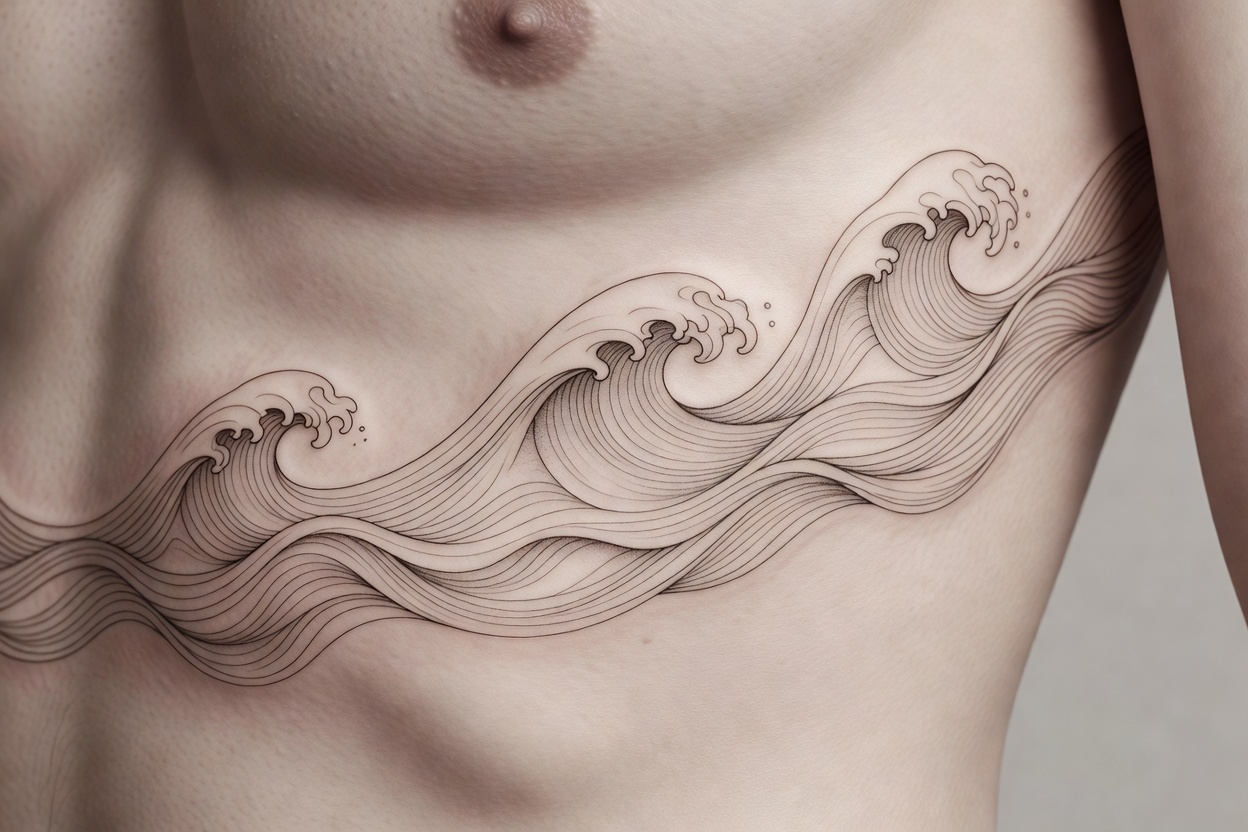
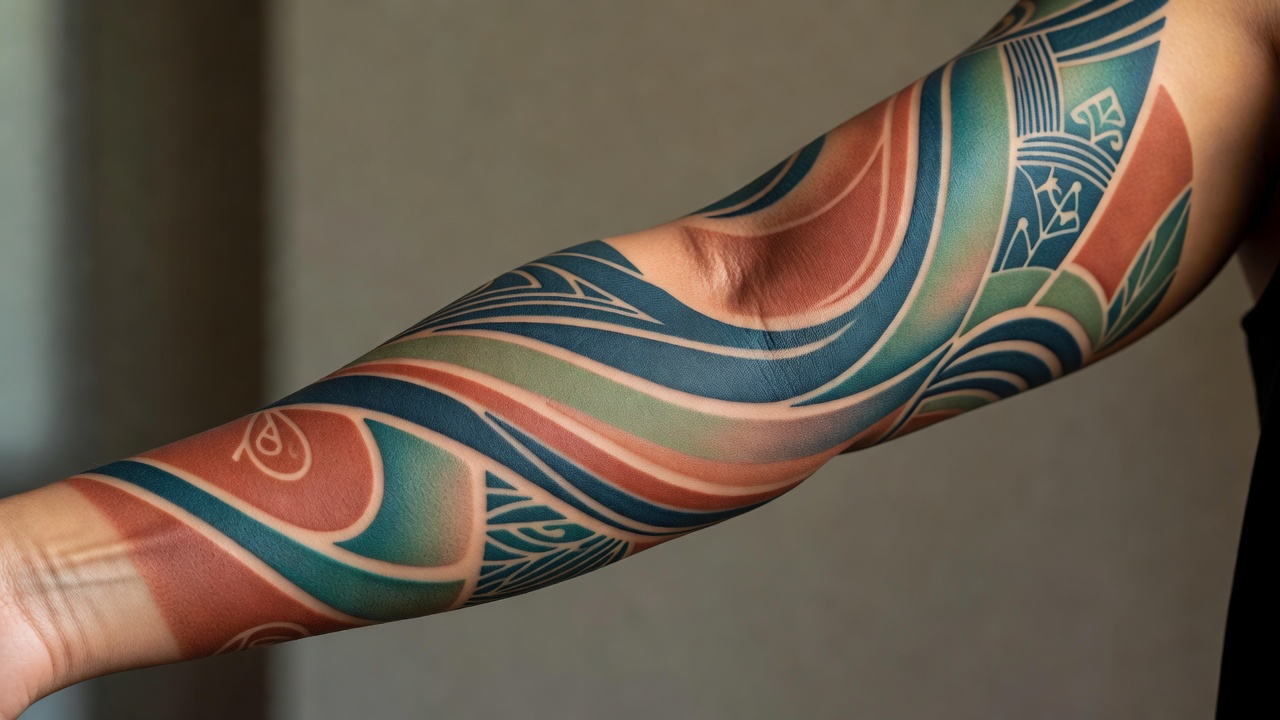
Consider Sarah, a 34-year-old marketing executive who marked her career pivot with a forearm sleeve depicting a seed growing into a sturdy oak tree. The multi-session process helped her visualize resilience during a challenging transition from corporate stability to entrepreneurship, and she now uses the tattoo as a daily reminder during stressful periods. Another example is Marcus, a 42-year-old teacher who chose a back tattoo of interconnected constellations to represent family bonds strengthened after the loss of a parent. The design incorporates birth dates and subtle coordinates of meaningful locations, serving as both memorial and celebration of ongoing familial evolution. A third case involves Elena, a 29-year-old therapist who selected evolving wave patterns across her ribs to symbolize emotional healing following intensive personal therapy. Each wave layer represents a distinct phase of recovery, and she reports the tattoo reinforces mindfulness techniques learned in sessions. These stories illustrate how tattoos function as therapeutic anchors, providing visual continuity during periods of change and helping individuals integrate new aspects of their identities.
Practical Steps for Aligning Tattoos with Long-Term Identity
- Reflect on core values and recent life shifts through structured journaling for at least two weeks, noting recurring themes such as resilience, connection, or creativity that could translate into visual elements.
- Consult a licensed therapist specializing in identity work before committing, especially if the tattoo relates to trauma recovery or major transitions, to ensure the choice supports rather than complicates emotional progress.
- Collaborate with an artist experienced in custom narrative designs by reviewing multiple portfolios for evidence of depth in symbolic work and scheduling consultations to discuss how the design can evolve over time.
- Start small with a test piece or temporary version to assess emotional resonance over several months, allowing time to observe how the symbol interacts with daily life and changing circumstances.
- Plan for future evolutions by choosing adaptable motifs that allow additions or modifications over decades, such as expandable nature scenes or modular geometric frameworks that accommodate new chapters without requiring cover-ups.
Expert Insights on Mental Health Benefits
Psychologists note that intentional tattooing can reduce anxiety by providing tangible proof of progress. Research shared via the National Center for Biotechnology Information supports body art as a tool for post-traumatic growth. In 2026 practices, sessions often integrate mindfulness, turning the tattoo appointment itself into a ritual of closure and renewal. Benefits include boosted confidence, reduced rumination on past selves, and stronger sense of agency over one's story. Experts recommend pairing tattoo decisions with ongoing therapeutic practices to maximize these advantages and avoid using ink as a substitute for deeper emotional work. Many practitioners also advise clients to consider how the tattoo will interact with aging skin and lifestyle changes, ensuring the piece remains a positive element rather than a source of future dissatisfaction.
Evolving Tattoo Styles Reflecting 2026 Growth Themes
Styles have shifted toward hybrid approaches that combine realism with abstract elements to depict transformation. Bio-organic designs mimicking natural cycles, such as seasonal trees or metamorphic insects, dominate portfolios. Fine-line botanical work now often includes hidden layers visible only under certain lights, symbolizing private growth journeys. These evolutions allow wearers to embed multiple meanings in one piece, adapting as personal narratives expand without needing entirely new tattoos. Artists increasingly incorporate client-specific details like handwritten script from journals or coordinates of pivotal locations, creating truly unique markers of individual development.
FAQ: Addressing Common Concerns
Will I regret a meaningful tattoo later?
Studies indicate regret drops significantly when choices stem from personal milestones rather than trends. Proper reflection and professional consultation minimize this risk, with many individuals reporting increased satisfaction as the design continues to represent their evolving self over time.
How long do 2026 tattoo trends last?
Meaningful designs transcend trends; even popular styles evolve, but personalized elements remain relevant for decades because they are tied to individual experiences rather than fleeting cultural moments.
What if my identity changes again?
Opt for modular designs that permit expansions or cover-ups, ensuring flexibility for future growth phases while preserving the core message of the original piece.
How should I research designs to avoid poor decisions?
Begin with mood boards, consult multiple artists, and test concepts through temporary tattoos or sketches before finalizing, allowing time for the idea to settle emotionally.
Conclusion: Embracing Ink as a Tool for Evolution
2026 tattoo psychology underscores ink as a powerful medium for documenting and accelerating personal development. By prioritizing meaning over momentary appeal, individuals create lasting symbols of their journey. Approach each decision with intention, research, and self-awareness to ensure your ink continues to inspire long after the needle lifts. This mindful approach transforms tattoos from decorative choices into integral components of ongoing self-discovery and emotional resilience.
No comments yet. Be the first!