 Inked Mythos
Introduction to Scented Tattoos in 2026
The tattoo industry continues to evolve with innovative sensory experiences that go beyond traditional visual designs. In 2026, scented tattoos are emerging as a popular trend, combining visual art with subtle aromatic releases through advanced micro-encapsulated fragrance inks. These designs offer more than aesthetics—they engage the sense of smell over time, creating a multi-dimensional body modification experience that appeals to those seeking personalized and immersive body art. As more people explore ways to make their tattoos reflect lifestyle and personality, this technology bridges the gap between permanent ink and dynamic sensory elements.
The Technology Behind Scent-Infused Pigments
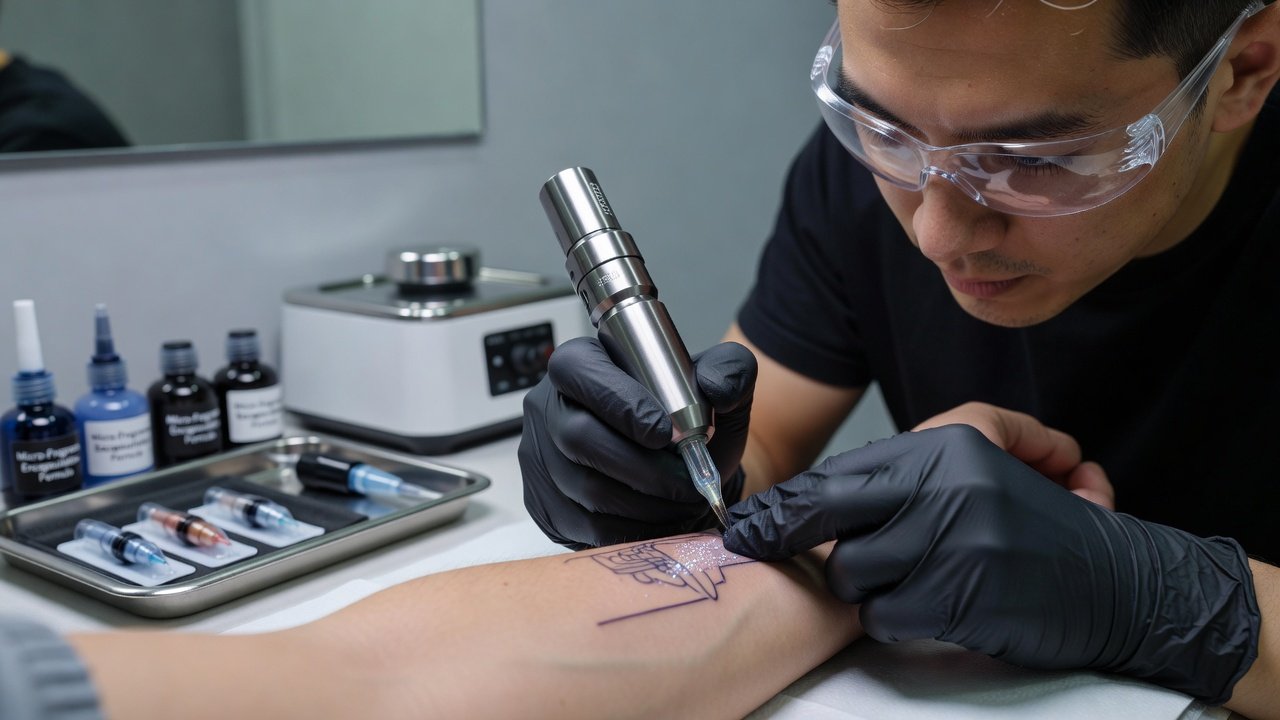
Micro-encapsulation involves embedding fragrance molecules within tiny polymer shells that break down gradually with skin movement, temperature changes, and natural wear. This technology allows the scent to release slowly rather than all at once, providing a consistent aromatic experience without overwhelming the wearer. Compared to traditional tattoo inks, which focus solely on pigment stability and color retention, scented versions integrate both color and aroma delivery systems in a single formulation. The process requires specialized pigments where fragrance oils are protected inside biodegradable micro-capsules that activate upon friction or body heat. Artists must understand the chemical balance to ensure the capsules do not interfere with ink vibrancy or cause premature breakdown.
Application techniques mirror standard tattooing but demand precise needle depth to ensure capsules remain intact during the process. Artists often use rotary machines for controlled deposition, followed by protective aftercare routines designed to preserve the micro-capsules for maximum longevity of both scent and color.
Detailed Application Techniques and Process
The application of scented tattoos begins with a detailed consultation where clients discuss desired scent profiles and placement. Once approved, the artist prepares the skin with standard sterilization protocols. Ink is loaded into sterile cartridges, and the design is outlined before shading incorporates the fragrance-infused pigments. Sessions typically last 1-3 hours depending on complexity, with artists monitoring capsule integrity throughout. After completion, clients receive specialized aftercare instructions emphasizing gentle cleansing and avoidance of products that could dissolve the encapsulating shells.
Longevity Compared to Standard Contemporary Ink
While conventional inks can last decades with proper care, scented tattoos typically maintain aroma for 12 to 36 months before fading, depending on placement, skin type, and lifestyle factors. The visual element remains as durable as regular ink, but fragrance potency diminishes as capsules deplete through daily activity. This makes them ideal for those seeking temporary sensory enhancements alongside permanent artwork. Factors like frequent exercise, sun exposure, and skincare routines can accelerate scent fade, requiring clients to plan placements accordingly for optimal results.
Popular Scent Profiles and Real-World Case Studies
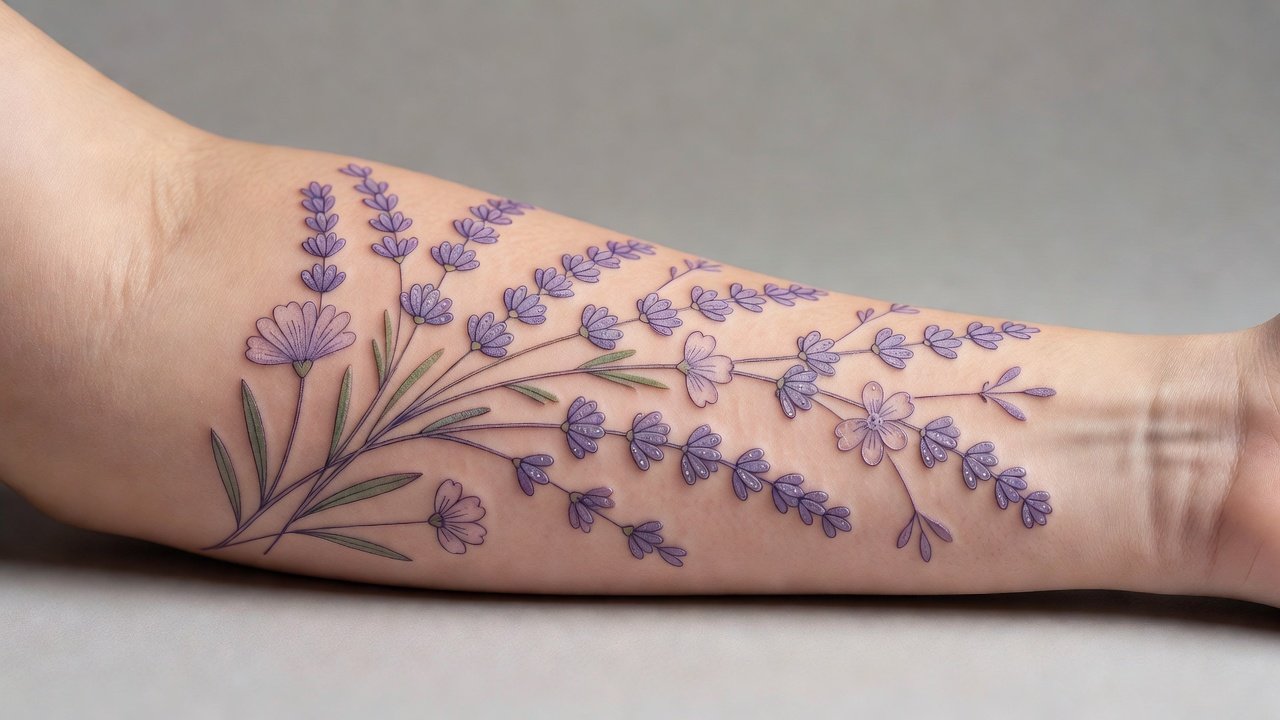
Lavender-infused tattoos are favored for wellness seekers, promoting calm through gentle floral notes released during stress or meditation. One case study involves a yoga instructor who chose a lavender blend on her shoulder blade, reporting consistent relaxation cues during classes. Citrus profiles, such as lemon or bergamot, appeal to active individuals seeking energy boosts throughout the day. A corporate professional selected a citrus wrist tattoo and noted improved focus during long workdays. Additional profiles include sandalwood for grounding during travel and peppermint for mental clarity in creative fields. Studios report clients choosing personalized blends that evolve with seasons or life changes.
Skin Compatibility Testing Procedures
Before any procedure, reputable artists conduct patch tests on small skin areas to check for allergies or sensitivities. This step is crucial because fragrance compounds can interact differently with individual skin types, potentially causing irritation if not screened properly. Testing involves applying diluted samples for 48 hours and monitoring reactions. Resources from health authorities like the FDA provide guidance on safe tattoo ink ingredients and regulatory standards for fragrance additives.
Comparing Scented Tattoos to Tactile and Color-Shifting Options
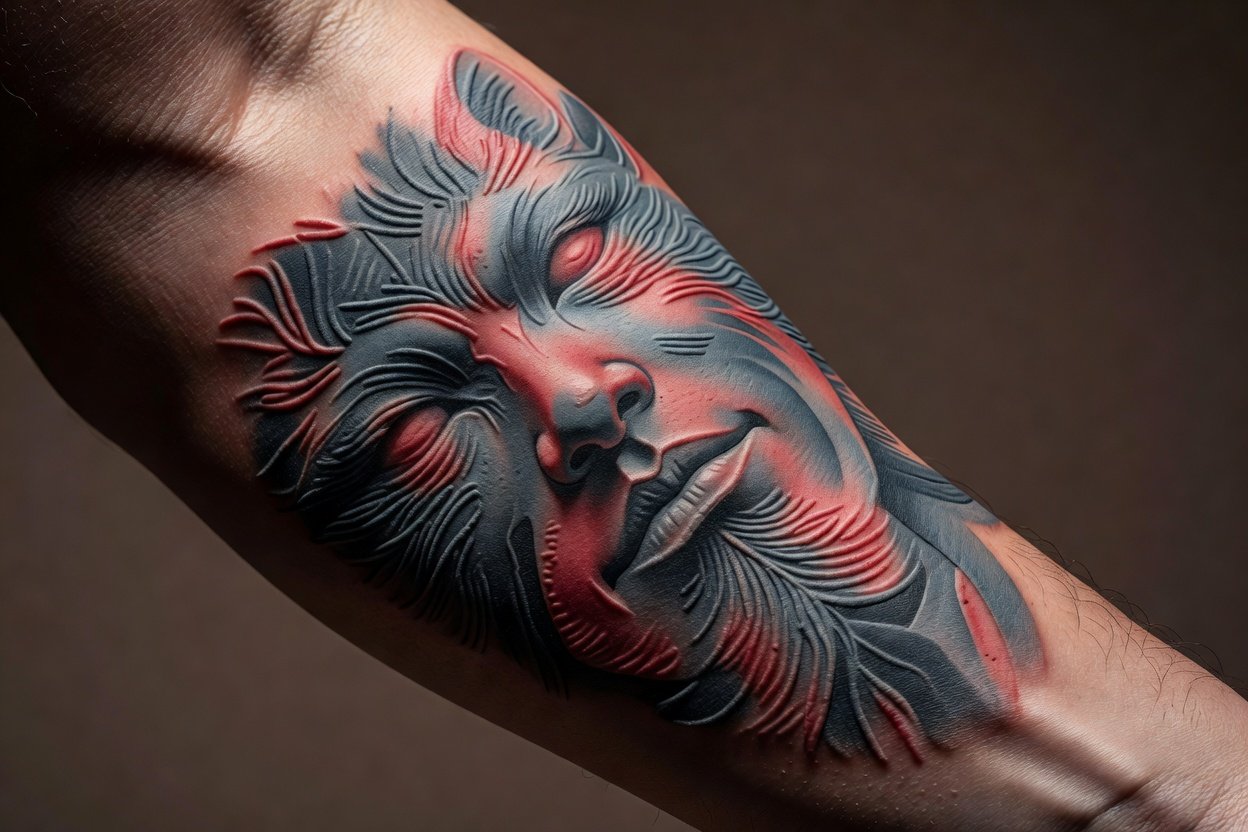
Scented tattoos differ significantly from tactile (raised texture) and color-shifting (UV-reactive or thermochromic) variants in terms of sensory engagement and maintenance:
- Pros of scented inks: Unique olfactory experience that can influence mood, customizable aromas tailored to personal preference, subtle daily interaction without visual changes.
- Cons: Shorter scent lifespan requiring potential touch-ups, potential for fragrance sensitivity in crowded environments, specialized materials that may increase studio preparation time.
- Maintenance tips: Avoid harsh soaps, alcohol-based products, and excessive sun exposure to prolong both color and scent. Reapplication sessions may be needed after 18 months for scent refresh. Always use fragrance-free moisturizers recommended by the artist.
Tactile tattoos offer touch-based feedback and can be combined with scent for layered effects but lack aroma diffusion. Color-shifting options change visually under different lighting without engaging smell, making them more static in sensory terms. Many clients combine elements for hybrid experiences that maximize personal expression.
Studio Examples Across Different Regions
Leading studios in major cities now offer dedicated scented tattoo menus with trained specialists. For instance, clients at modern facilities in urban centers often request wrist or collarbone placements for optimal scent diffusion during movement. Examples include a New York studio specializing in wellness scents and a Los Angeles location focusing on energizing citrus blends for fitness enthusiasts. These studios maintain strict hygiene standards and offer follow-up consultations to track scent performance over months.
Client FAQs on Fading Scents and Practical Concerns
Common questions from clients include: How long does the scent last before noticeable fading? (Typically 12-36 months with normal use.) Will it trigger allergies in social settings? (Pre-tested and subtle release minimizes this.) Can scents be refreshed without full re-tattooing? (Yes, through targeted touch-up sessions.) What if I change my mind about the fragrance? (Early fading allows natural transition to new profiles.) How does placement affect aroma strength? (Areas with more movement and body heat release scent more readily.) Is aftercare different from regular tattoos? (Yes, focus on preserving capsules with gentle products.)
Matching Scents to Personal Lifestyle for Lasting Appeal
Selecting the right fragrance involves considering daily routines, work environments, and personal goals. Wellness-focused individuals benefit from calming lavender or chamomile notes that support mindfulness practices. Professionals in high-energy fields prefer invigorating citrus or mint profiles to maintain alertness. Lifestyle matching ensures lasting appeal and prevents scent fatigue by aligning aromas with activities like exercise, travel, or relaxation. Consultations with experienced artists help align choices with personal goals, often incorporating client feedback on preferred intensity levels for a truly customized result that remains relevant over time.
Potential Risks and How to Mitigate Them
While innovative, scented tattoos carry risks such as allergic reactions to fragrance components or uneven scent release if capsules are damaged during application. Mitigation starts with thorough consultations, allergy testing, and choosing licensed studios using tested products. Clients should monitor skin post-procedure and seek medical advice if irritation occurs. Long-term, understanding that scent is temporary helps set realistic expectations compared to permanent visual tattoos.
Further reading on skin health and body art safety is available from the Mayo Clinic and CDC.
Conclusion
Scented tattoos represent an exciting frontier in 2026 body art, blending advanced technology with personal expression and sensory engagement. By understanding the science behind micro-encapsulation, following detailed application and aftercare protocols, testing thoroughly for compatibility, and choosing scents thoughtfully based on lifestyle, enthusiasts can enjoy aromatic ink experiences that enhance both appearance and wellbeing for years. As the trend matures, continued innovation promises even more refined options for those exploring modern tattoo possibilities.
No comments yet. Be the first!