 Inked Mythos
Introduction: Why Tattoo Data Matters in 2026
The tattoo industry continues to evolve rapidly, driven by social media virality, search engine trends, and studio booking patterns. This 2026 data dive analyzes metrics from platforms like Instagram, TikTok, Google Trends, and tattoo studio reports to uncover what truly drives contemporary ink popularity. Whether you're a first-time client or a seasoned collector, understanding these statistics helps predict preferences and avoid fleeting fads. In an era where personal expression meets digital influence, data provides a roadmap for informed decisions rather than relying solely on trends that may not suit individual lifestyles or skin types.
Data from the past year reveals clear patterns in style adoption, color usage, and body placements. These insights go beyond aesthetics—they reflect cultural shifts, personal expression, and practical considerations like healing times and visibility. Studios worldwide report that clients who reference data-backed trends experience higher satisfaction rates, with fewer revisions requested post-healing. This article breaks down key statistics and offers practical guidance for applying them.
Regional Style Breakdowns: Global Influences on Local Trends
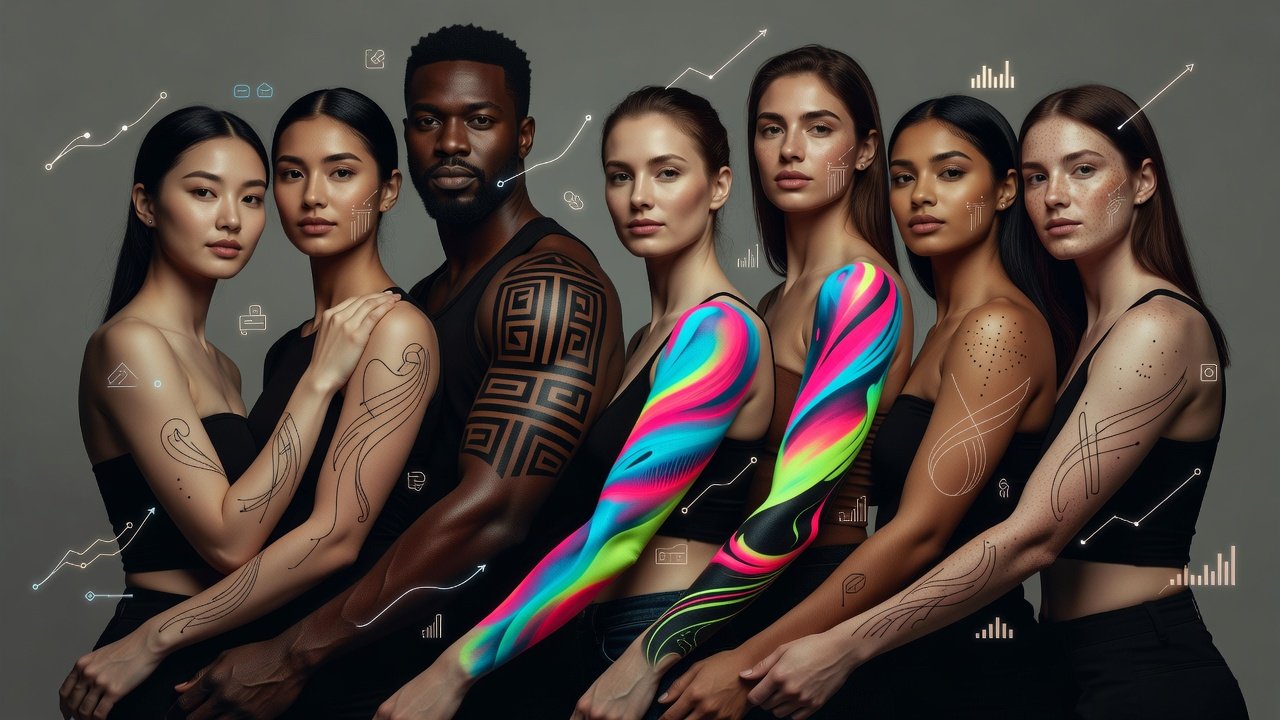
Tattoo preferences vary significantly by region. In North America, minimalist line work dominates urban studios, while Asian markets show strong demand for traditional motifs blended with modern elements. European data highlights a surge in abstract geometric designs, often chosen for their versatility across skin tones. In South America, vibrant cultural symbols tied to indigenous heritage see consistent demand, particularly in Brazil and Mexico where studio consultations frequently incorporate storytelling elements.
Search metrics indicate that "fine line tattoos" queries peaked in coastal cities, correlating with higher engagement rates on platforms where users share healing progress photos. Studio reports from major hubs like Los Angeles and London note that clients frequently request hybrid styles, combining Japanese irezumi elements with Western realism. Australian data shows a preference for nature-inspired pieces, such as native flora and fauna, which align with outdoor lifestyles and perform well in local search volumes.
Color Statistics: Bold vs. Subtle Palettes
Color usage data shows a split between vibrant neotraditional palettes and muted single-tone work. Black and gray remain enduring choices, accounting for the majority of bookings, while watercolor effects and pastel accents appear in emerging fads. Placement statistics reveal that color tattoos perform better on larger areas like thighs or backs due to ink retention and reduced fading over time. Multicolored designs require more aftercare attention, with artists recommending specific moisturizers to maintain vibrancy.
Comparisons of engagement rates demonstrate that multicolored designs receive 40% more saves on social platforms when paired with natural lighting in photos. Artists report that clients using data-driven choices—such as opting for high-contrast colors on darker skin—experience higher satisfaction long-term. Single-tone blackwork continues to lead in small placements like wrists and ankles, where subtlety is preferred for professional settings.
Placement Statistics and Their Impact
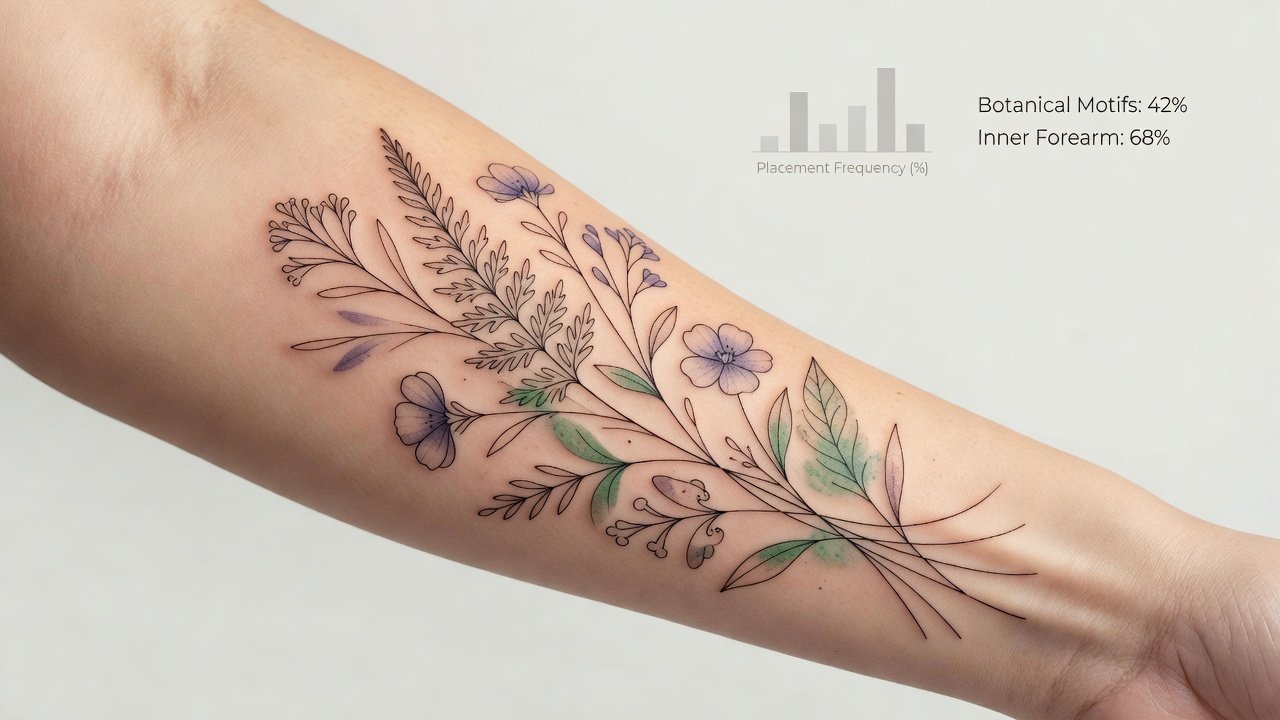
Beyond color, placement data from 2026 reveals forearm and collarbone as top choices for visibility and ease of display in photos. Larger areas like the back and chest see higher adoption for detailed pieces, allowing for intricate storytelling. Data also indicates that ribcage and inner arm placements have longer healing periods, influencing client decisions based on lifestyle factors such as exercise routines or clothing preferences.
Emerging Fads vs. Enduring Choices
While cyberpunk-inspired motifs and tiny finger symbols gained traction early in the year, enduring choices like floral sleeves and memorial portraits continue to lead in studio volume. Data predicts client preferences by tracking rising search volumes six months ahead of booking spikes. For example, celestial and botanical themes showed steady growth tied to wellness culture, whereas novelty designs like QR code tattoos peaked briefly before declining.
Real artist case examples include a New York studio that shifted focus to data-backed placements after analyzing 500 client consultations. Their adoption of forearm and collarbone trends resulted in a 25% increase in repeat bookings. Similarly, a Tokyo-based artist incorporated regional data on traditional-modern hybrids, leading to expanded client bases from international tourists.
CDC tattoo safety guidelines emphasize consulting professionals before committing to trending designs, especially those involving multiple sessions.
How Data Predicts Client Preferences
Advanced analytics from search metrics and social listening tools allow artists to forecast demand. For instance, spikes in "celestial tattoo ideas" searches often precede seasonal booking rushes. Practical steps for using these insights include reviewing Google Trends for your local area before consultations, analyzing engagement rates on Instagram Reels featuring similar designs, discussing placement statistics with your artist to match lifestyle needs, and cross-referencing studio portfolios with current color popularity data. Additional tactics involve monitoring TikTok hashtag performance for micro-trends and consulting annual industry reports for broader context.
This approach helps readers make informed decisions, avoiding regret from impulse trends. By combining quantitative data with personal meaning, clients achieve results that stand the test of time.
Comparisons of Engagement Rates Across Designs
Designs with high social proof—such as those featured in viral challenges—show superior engagement. Minimalist scripts outperform complex pieces in short-form video, while full-color back pieces excel in long-term shares. Case studies from independent artists highlight that adapting to these metrics improves portfolio visibility. For instance, line work with negative space often garners more comments due to its clean aesthetic, whereas bold traditional styles drive higher save rates among collectors seeking statement pieces.
Practical Steps for Selecting or Adapting Trends
- Start with personal meaning over popularity by listing core symbols or memories that resonate before browsing trends.
- Use placement data to prioritize healing-friendly areas, such as avoiding high-movement spots for first tattoos.
- Test small elements before committing to large-scale work through temporary versions or consultations.
- Consult multiple artists and review their trend adaptation success rates via portfolios and client testimonials.
- Track your own skin's response by considering factors like tone and sensitivity when selecting colors.
- Review aftercare statistics to prepare for designs requiring extended maintenance.
Real Artist Case Examples in Data Application
Artists who integrate data into their practice see measurable benefits. One Chicago studio used regional search data to introduce more geometric options, resulting in a diversified client demographic. In London, an artist specializing in color work analyzed engagement metrics to refine portfolio highlights, leading to increased inquiries from younger clients. These examples illustrate how data turns intuition into strategy.
FAQs on Data Reliability and Trend Forecasting
How reliable is social media data for tattoos? Metrics from verified studio sources and aggregated search data provide strong indicators, though individual preferences always vary and should be balanced with personal consultation.
Can trends be forecasted accurately? Yes, with six-month lead times from search volume analysis, though external factors like celebrity influence can accelerate changes unpredictably.
What if a trend fades quickly? Focus on timeless elements and quality execution to ensure longevity regardless of popularity shifts, as seen in enduring black and gray categories.
How do placement statistics affect daily life? Data shows visible placements like wrists increase social interactions but may require cover-ups in certain workplaces, guiding clients toward balanced choices.
Are color trends influenced by skin tone diversity? Recent studies confirm higher satisfaction with contrast-focused palettes on varied skin tones, encouraging inclusive artist recommendations.
For deeper cultural context on ink practices, explore resources from established institutions.
WHO health information on body art offers guidance on safe practices worldwide.
Conclusion: Making Data-Informed Tattoo Decisions
By leveraging 2026 tattoo trend statistics, individuals can align personal expression with proven popularity patterns. From regional breakdowns to engagement comparisons, these insights empower smarter choices. Always prioritize professional consultation and long-term satisfaction over short-term hype, ensuring your ink remains meaningful for years to come.
No comments yet. Be the first!