 Inked Mythos
Introduction to Sensory Textured Tattoos in 2026
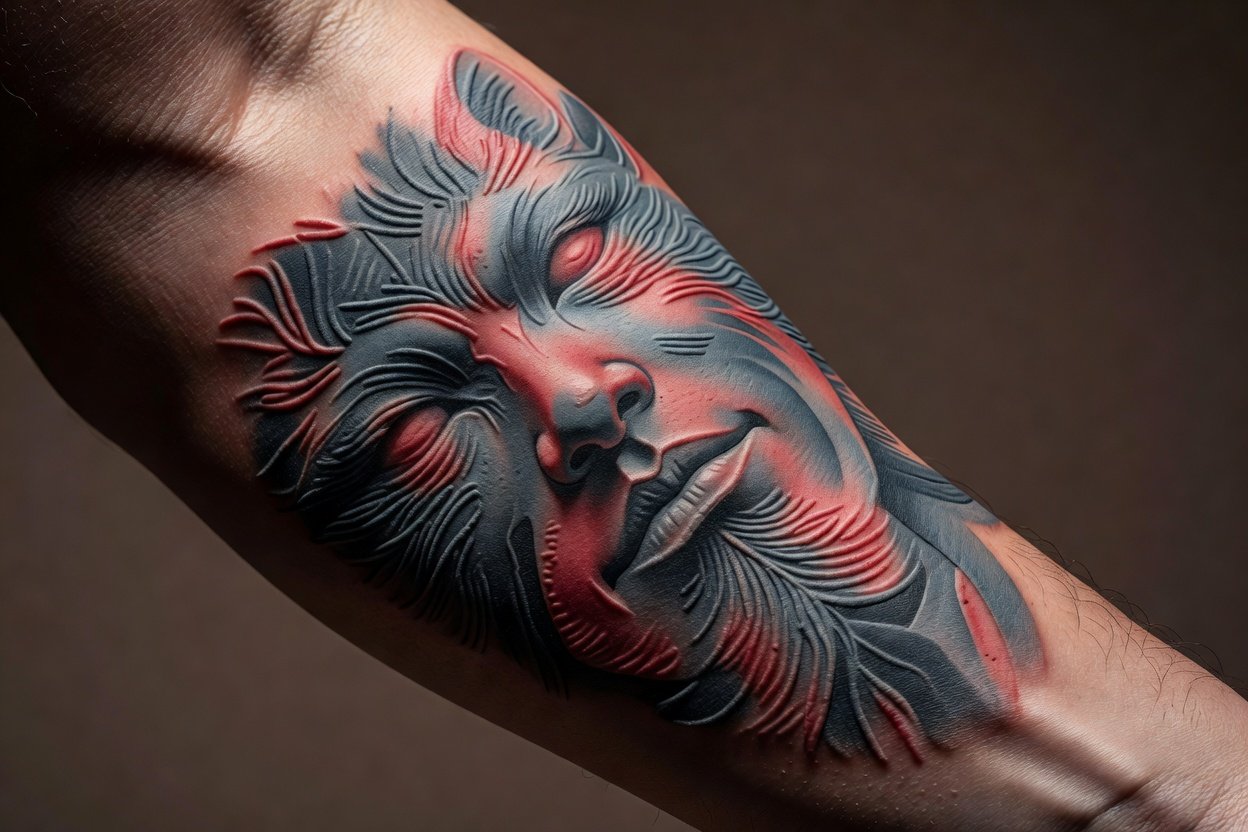
Textured tattoos have evolved significantly by 2026, blending visual artistry with genuine tactile experiences that go far beyond traditional flat designs. Artists and clients alike are embracing sensory ink approaches that engage both sight and touch through carefully engineered raised surfaces, temperature-reactive elements, and intricate patterned textures. These modern techniques reflect broader tattoo trends that prioritize personalization, wellness integration, and long-term skin health. Unlike conventional tattoos that rely solely on color and line work, textured variants create multidimensional effects where the skin itself becomes part of the interactive artwork. Clients often report heightened emotional connections to these pieces because the raised areas provide ongoing sensory feedback during daily activities. This comprehensive guide explores the core methods for achieving such effects, including advanced layering protocols, material considerations, detailed artist workflows, real-world comparisons, client case studies, and practical maintenance strategies. Emphasis remains on achieving durable results that align with contemporary ink fads while respecting individual skin biology and lifestyle needs.
Key Techniques for Creating Textured Effects
Producing raised, reactive, and patterned textures demands precision in both material selection and application sequencing. The process begins with understanding how different ink formulations interact with dermal layers to produce lasting tactile qualities. Layering remains the cornerstone technique, allowing artists to build depth progressively while minimizing trauma to the skin.
Layering Inks for Depth and Texture
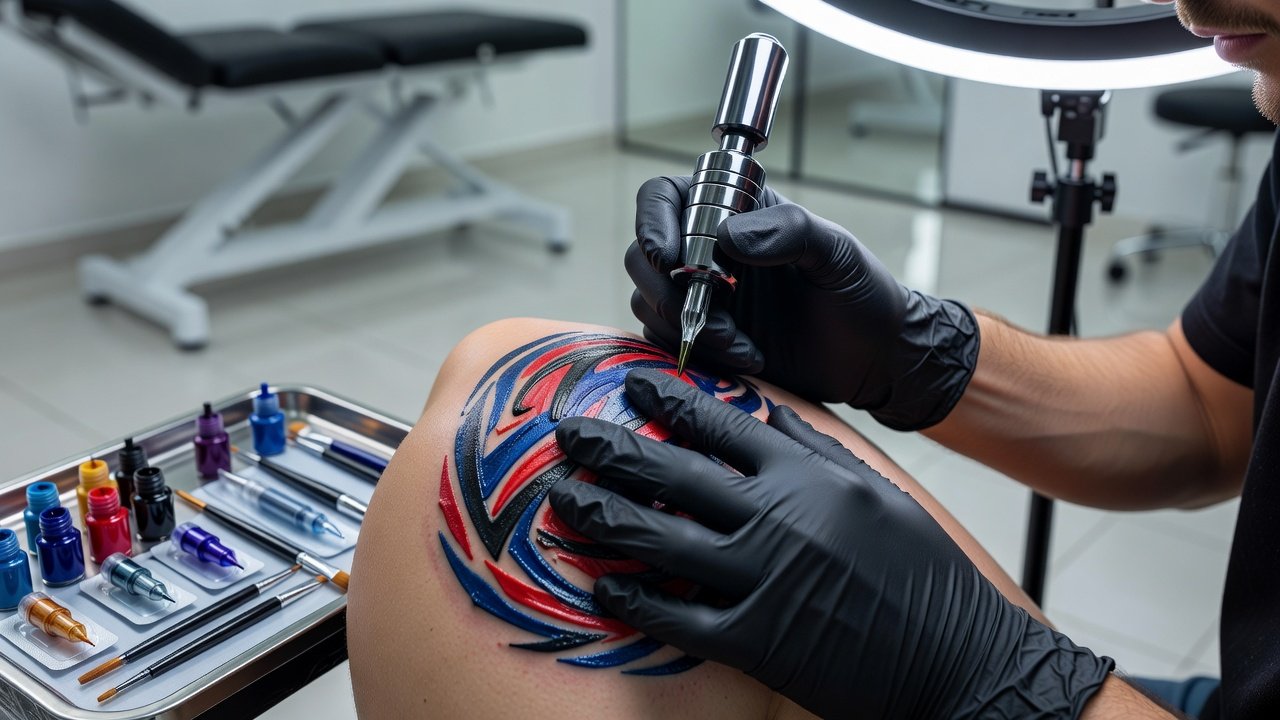
Effective layering starts with a stable base pigment chosen for its compatibility with the client's skin tone and type. Subsequent layers incorporate specialized particles that create elevation or thermal responsiveness. Each layer must be applied with controlled pressure and needle configuration to avoid over-saturation. Sessions are typically spaced four to six weeks apart to permit full healing between stages, ensuring the final texture emerges cleanly without blurring. This methodical buildup allows for complex patterns where certain zones feel distinctly raised while adjacent areas remain smooth for contrast.
Material Selection and Skin Compatibility
Selecting appropriate inks involves prioritizing formulations tested for biocompatibility and minimal inflammatory response. Modern options often include micro-encapsulated elements that activate under temperature variations, producing subtle shifts in perceived texture or color intensity. Artists evaluate client medical history, sun exposure habits, and activity levels before finalizing choices. Proper material handling also includes sterile storage and precise mixing ratios to maintain consistency across multiple appointments. Resources on safety standards are available at https://www.fda.gov/ and https://www.cdc.gov/.
Step-by-Step Artist Workflows
Successful textured tattoo creation follows a structured workflow that balances artistic vision with client comfort and safety. The process integrates consultation, planning, execution, and follow-up phases.
- Initial consultation involves detailed discussions about desired sensory outcomes, lifestyle factors, and any existing tattoos that might influence placement.
- Design mapping uses digital tools to outline texture zones, ensuring patterns complement body contours and movement.
- Ink preparation requires controlled environments to blend reactive components accurately without contamination.
- Application proceeds in stages, beginning with foundational layers using fine needles for precision before progressing to textural builds with specialized tips.
- Healing monitoring includes scheduled check-ins to address any early reactions and adjust future sessions accordingly.
- Final refinement allows for minor enhancements once initial swelling subsides and true texture becomes visible.
Throughout, documentation of each step helps replicate successful outcomes for similar future projects.
Before-and-After Comparisons with Flat Designs
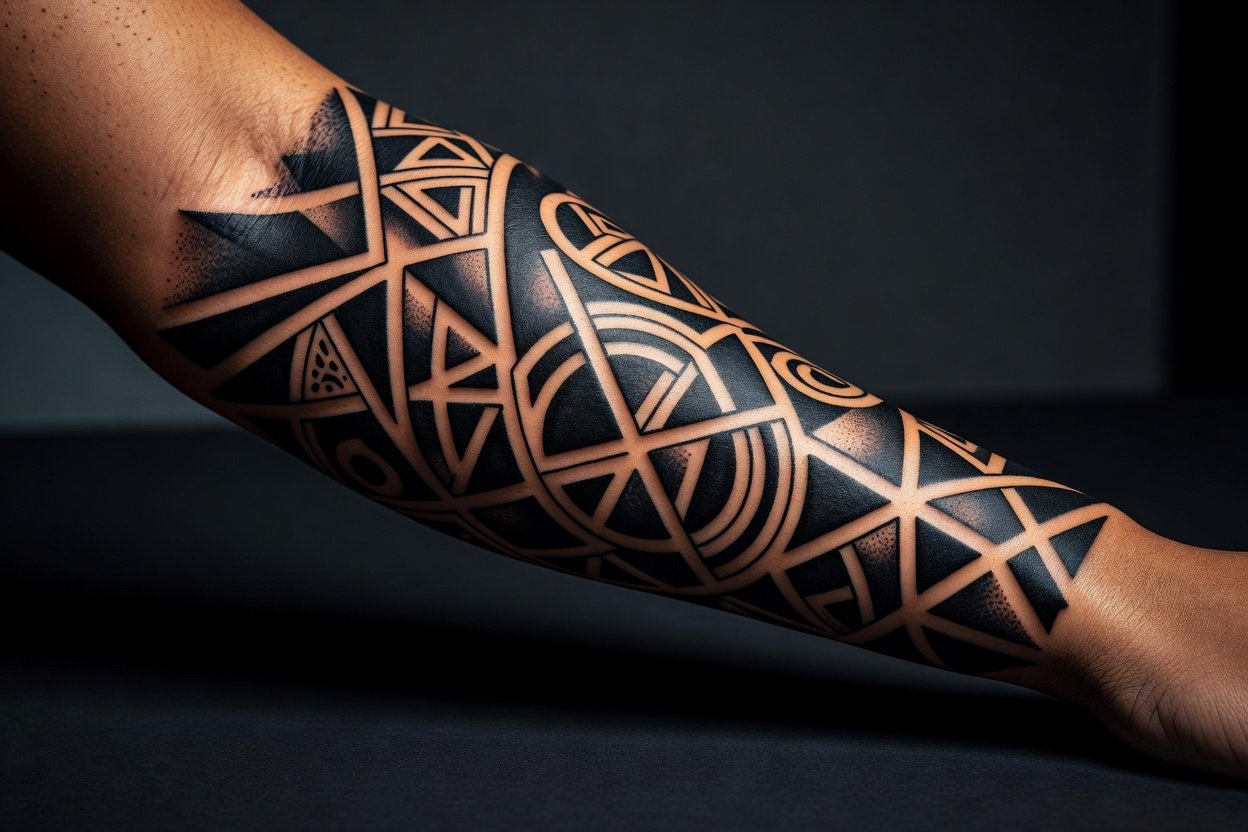
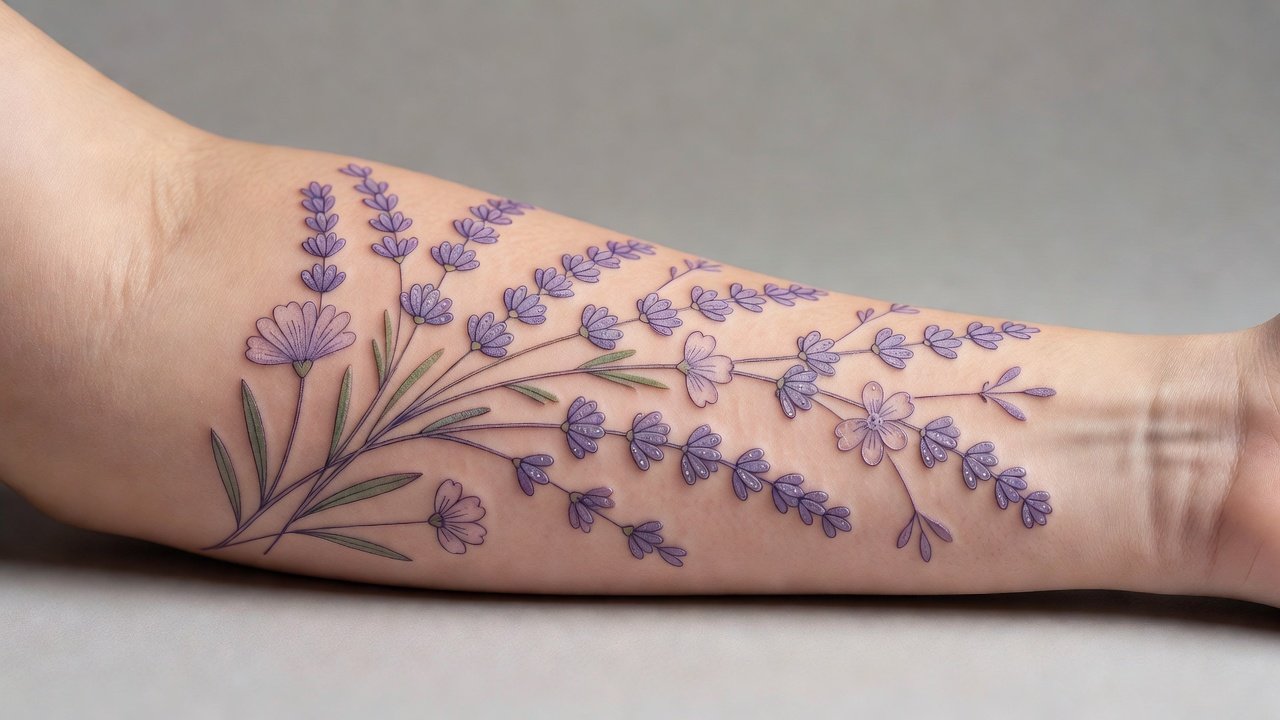
Flat tattoos deliver strong visual impact but offer no tactile dimension, often appearing static even after years. In contrast, textured versions introduce dynamic elements that evolve with touch and temperature. For instance, a geometric sleeve rendered flat might feature crisp lines that catch light evenly, whereas its textured counterpart adds raised ridges along key intersections, creating a three-dimensional map that clients can trace for grounding or focus. Another example involves botanical motifs: flat floral tattoos rely on shading gradients for depth, but textured alternatives incorporate velvety petal simulations that respond to warmth by softening slightly in feel. These differences become especially apparent in social or wellness settings where clients appreciate the added sensory layer. Comparisons consistently show higher client satisfaction rates with textured work when longevity and interaction are priorities.
Real Client Examples and Trend Alignment
Recent applications demonstrate the versatility of these techniques. An endurance athlete received a textured band around the wrist incorporating temperature-reactive segments that provide subtle cooling sensations during high-intensity training, aligning with 2026 wellness trends. A mindfulness practitioner opted for a chest piece with patterned raised elements that offer gentle pressure feedback during meditation breathing exercises. Multiple clients have integrated textured elements into existing sleeve collections, using them as focal points that contrast with surrounding flat work. Such examples highlight how these designs fit within broader modern tattoo movements that value functionality alongside aesthetics. Additional guidance on health integration appears at https://www.who.int/.
Maintenance FAQs
- How frequently should textured tattoos receive moisturization? Daily application of fragrance-free, non-comedogenic products helps preserve both elevation and reactivity over time.
- Do raised areas require special sun protection? Yes, consistent broad-spectrum sunscreen prevents premature breakdown of reactive particles and maintains color vibrancy.
- Can temperature-responsive sections lose effectiveness? With proper care they typically retain responsiveness for many years, though extreme environmental exposure may gradually diminish effects.
- Are textured tattoos suitable for all skin types? Professional assessment is essential; sensitive or reactive skin often benefits from extended healing intervals between layers.
- What signs indicate the need for professional touch-up? Fading reactivity or flattening of raised zones after two years may warrant evaluation by the original artist.
- How does lifestyle impact longevity? High-friction occupations or frequent swimming can accelerate wear, requiring adjusted aftercare routines.
- Is there a recommended waiting period before swimming? At least four weeks post-final session allows full epidermal recovery and texture stabilization.
Personalizing Designs for Lifestyle and Wellness
Customization begins with mapping individual routines onto the design. Clients pursuing stress reduction might incorporate raised zones positioned for easy fingertip access during breathing exercises. Those focused on fitness can select patterns that provide motivational tactile cues during movement. Artists collaborate closely to blend new textures with prior ink, ensuring visual and sensory harmony. This tailored approach supports sustained engagement with the artwork while promoting overall skin wellness through mindful placement and material choices. Future outlook points toward even more refined reactive capabilities as ink technology advances.
Conclusion
Textured tattoo techniques continue to redefine possibilities in 2026 by merging artistic expression with meaningful sensory engagement. Through disciplined layering, thoughtful material selection, structured workflows, and attentive personalization, practitioners deliver pieces that remain vibrant and interactive for years. Clients benefit from designs that not only look distinctive but also support daily wellness practices. By following the detailed guidance outlined here, both artists and enthusiasts can approach these modern ink methods with confidence and achieve results aligned with current trends and individual goals.
No comments yet. Be the first!