 Inked Mythos
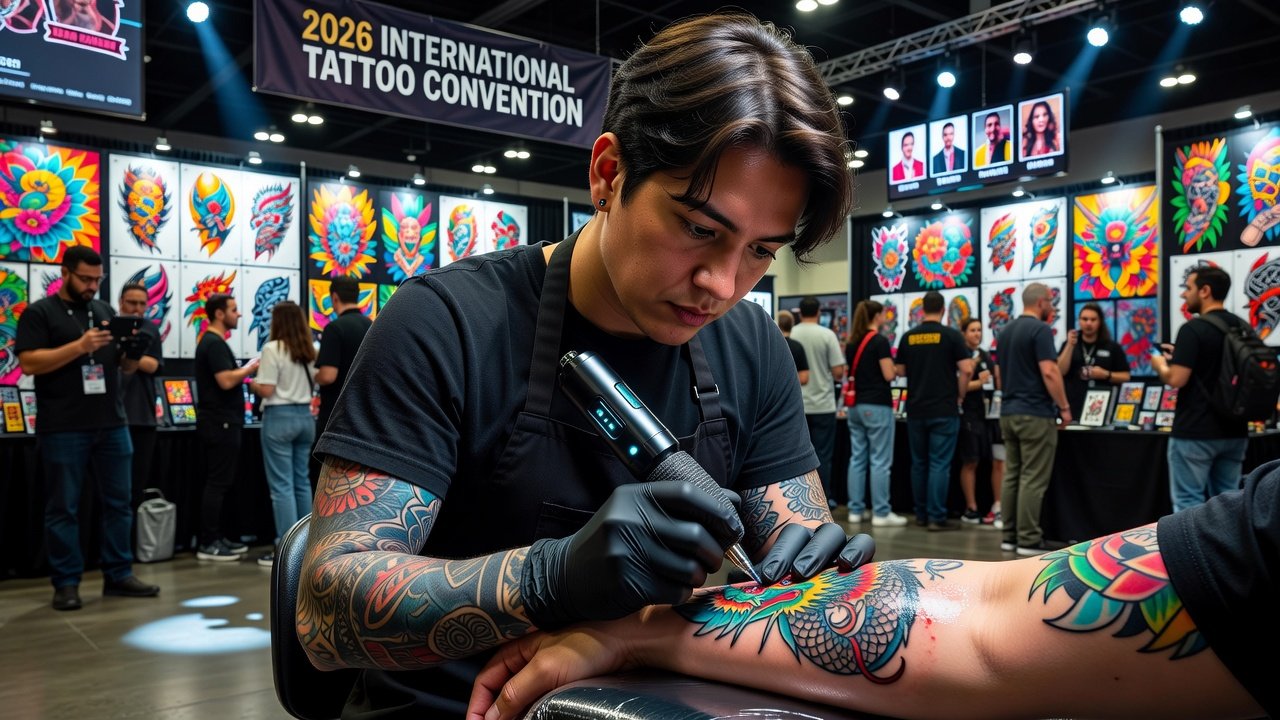
Introduction: The Evolution of Tattoo Technology at 2026 Events
The tattoo industry continues to embrace innovation, with wireless tattoo machines and integrated smart sensors becoming central to workflows at major 2026 events. These advancements deliver enhanced precision and greater creative freedom, allowing artists to focus on intricate designs without the constraints of cords or traditional power setups. In the vibrant world of ink culture, conventions now serve as testing grounds for these tools, reshaping how body art is created and experienced live. Artists report higher client satisfaction due to smoother sessions and reduced interruptions, while audiences enjoy uninterrupted views of the creative process.
Wireless technology eliminates tangled cables during extended sessions, reducing fatigue and enabling fluid movement around clients. Smart sensors provide real-time feedback on needle depth, speed, and pressure, minimizing errors and supporting consistent results across diverse skin types. This shift aligns perfectly with the demands of fast-paced event environments where artists perform in front of audiences. Beyond convenience, the technology supports sustainability efforts by lowering energy consumption compared to older equipment and reducing waste from frequent cord replacements.
Event organizers note that wireless setups also improve safety protocols, as fewer cables mean lower trip hazards in crowded halls. This combination of factors has positioned wireless machines as essential for professionals aiming to stand out in competitive 2026 lineups.
The Rise of Wireless Technology in Tattooing
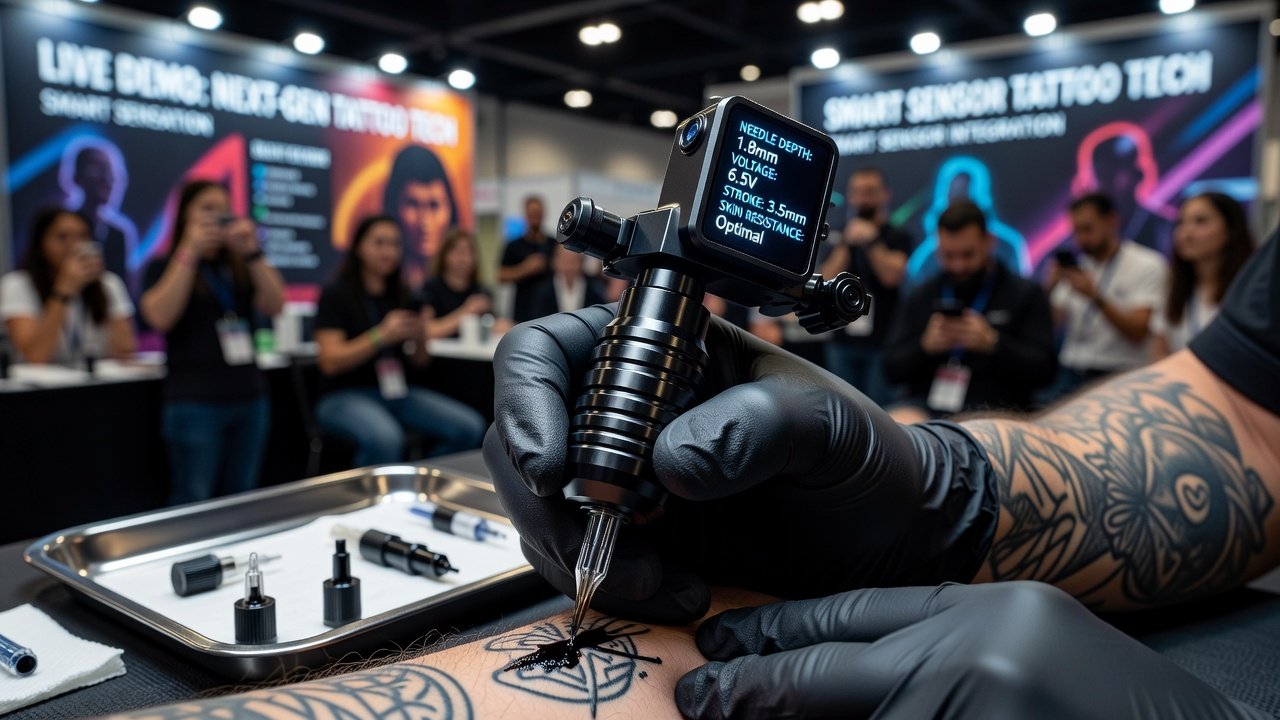
Wireless tattoo machines have gained traction due to their portability and reliability. Powered by advanced lithium-ion batteries, they offer extended runtime suitable for multi-hour sessions common at conventions. Smart sensors embedded in these devices monitor performance metrics, alerting artists to potential issues like voltage fluctuations before they affect the artwork. Many models now include Bluetooth connectivity, allowing seamless integration with tablets or phones for live data tracking during busy event days.
At 2026 events, this technology integrates seamlessly with digital platforms for data logging, helping artists refine techniques based on session analytics. The result is a more intuitive process that elevates the overall quality of tattoos created under event conditions. Early adopters highlight how wireless options reduce setup time dramatically, freeing up valuable minutes for client consultations and design adjustments. Environmental considerations also play a role, with newer models designed for easier recycling of components at end of life.
Precision Gains and Creative Freedom
Precision is paramount in tattooing, and wireless systems excel here. Sensors detect subtle variations in skin resistance, automatically adjusting motor output for optimal ink deposition. This leads to cleaner lines and smoother shading, even in complex pieces involving fine details or color gradients. Artists can achieve consistent saturation on challenging areas like elbows or ribs where traditional machines often struggle with variable pressure.
Creative freedom expands as artists move unrestricted around the client. Live demos at events benefit immensely, with performers able to demonstrate dynamic angles and techniques without equipment limitations. The freedom fosters experimentation, encouraging new styles that blend traditional motifs with modern interpretations. For instance, biomechanical designs benefit from the ability to rotate the machine fluidly for curved surfaces, resulting in more lifelike depth and shading effects that captivate onlookers.
Case Studies from Major Conventions
Real-world examples from 2026 tattoo conventions highlight these benefits. At a prominent European ink event, artists using wireless setups completed large-scale back pieces with 30% fewer touch-ups compared to previous years, attributing success to sensor-guided consistency. Similarly, a North American convention featured a live collaboration where hybrid wireless machines enabled seamless transitions between multiple artists on a single client, captivating audiences. In one standout session, a team completed a full sleeve in under four hours while maintaining high detail levels, thanks to real-time sensor alerts preventing overworking of the skin.
Another case from an Asian-Pacific convention showed wireless technology supporting multilingual artist teams by displaying shared performance data on central screens, improving coordination. These cases underscore how the technology supports both individual artistry and collaborative showcases, strengthening community bonds within ink culture. Participants consistently note improved stamina and focus throughout long event days.
Hybrid vs Traditional Setups: A Comparison
Comparing hybrid wireless systems to traditional corded machines reveals clear advantages. Hybrid setups combine battery power with optional wired backup, offering flexibility during power outages at venues. They typically weigh less, improving ergonomics for prolonged use. Battery life indicators and quick-swap options further enhance reliability during peak convention hours.
Traditional machines, while reliable in studio settings, limit mobility and require constant cable management. In event scenarios, wireless options reduce setup time by up to half, allowing more focus on client interaction and demo flow. However, traditional tools may still suit artists preferring tactile feedback from direct power connections. Key differences include:
- Portability: Wireless wins for travel between convention booths and quick repositioning.
- Consistency: Sensors in wireless models maintain steady performance across varying skin conditions.
- Maintenance: Wireless units often feature self-diagnostic tools that flag issues early.
- Noise levels: Many wireless models operate quieter, enhancing the professional atmosphere of live demos.
Practical Tips for Selecting Gear
Choosing the right wireless machine involves assessing battery capacity, sensor features, and compatibility with existing needles. Start by testing multiple brands at events to feel the balance and responsiveness firsthand. Look for models with adjustable sensitivity settings to match various tattoo styles. Consider build quality and warranty support, as event use can be demanding. Pair devices with quality wireless foot pedals for complete cord-free operation. Always verify compliance with health standards from sources like the FDA to ensure safety. Additional steps include reviewing user forums for real-event feedback, checking firmware update availability, and evaluating grip ergonomics for different hand sizes. Artists should also prioritize machines with clear battery indicators visible during active sessions.
Integrating with Live Demos and Audience Engagement Strategies
Wireless machines shine in live demonstrations by enabling dynamic presentations. Artists can walk the stage freely while projecting close-up views via cameras synced to sensor data displays. This creates immersive experiences for attendees. Engagement strategies include real-time polls on design choices displayed on screens, or QR codes linking to session stats. Such integrations turn technical sessions into interactive spectacles, boosting visibility for participating artists and sponsors. Additional tactics involve incorporating audience-suggested elements into designs via app interfaces connected to the machine's sensors, or hosting Q&A segments where artists explain sensor readings live. These approaches deepen connections with the ink culture community and encourage repeat event attendance.
Overcoming Adoption Barriers: Step-by-Step Troubleshooting
Common barriers include battery anxiety and sensor calibration concerns. Address battery life by carrying spares and monitoring usage through built-in apps. For calibration issues, follow manufacturer reset sequences: power cycle the device, recalibrate on test skin, and verify readings. Connectivity glitches often resolve by updating firmware or checking interference from venue Wi-Fi. Step-by-step guides from manufacturers help artists troubleshoot independently, ensuring minimal downtime during busy event schedules. Education through workshops further eases the transition for traditionalists. Other frequent issues involve motor overheating during extended use; the solution typically requires pausing for cooldown periods and ensuring adequate ventilation around the device. Artists new to the technology benefit from practicing full sessions at home before events to build confidence in sensor interpretations.
Future Tech Trends and Expert Predictions
Experts anticipate further integration of AI-driven sensors that predict skin reactions and suggest optimal settings. By 2027, augmented reality overlays may combine with wireless machines for guided tattoo placement. These trends promise even deeper creative exploration within ink culture. Predictions also point to sustainable power solutions and enhanced data privacy features, aligning with global health guidelines from the World Health Organization. The community can expect more accessible training resources to accelerate adoption. Emerging developments include haptic feedback systems that simulate traditional machine feel within wireless formats and cloud-based analytics for post-event performance reviews shared across artist networks.
Conclusion
Wireless tattoo machines and smart sensors are redefining 2026 events, delivering unmatched precision and freedom while fostering community engagement. By understanding comparisons, applying selection tips, and addressing barriers proactively, artists position themselves at the forefront of ink culture innovation. As technology evolves, these tools will continue unlocking new possibilities for body art expression worldwide, ensuring events remain vibrant hubs of creativity and connection.
No comments yet. Be the first!