 Inked Mythos
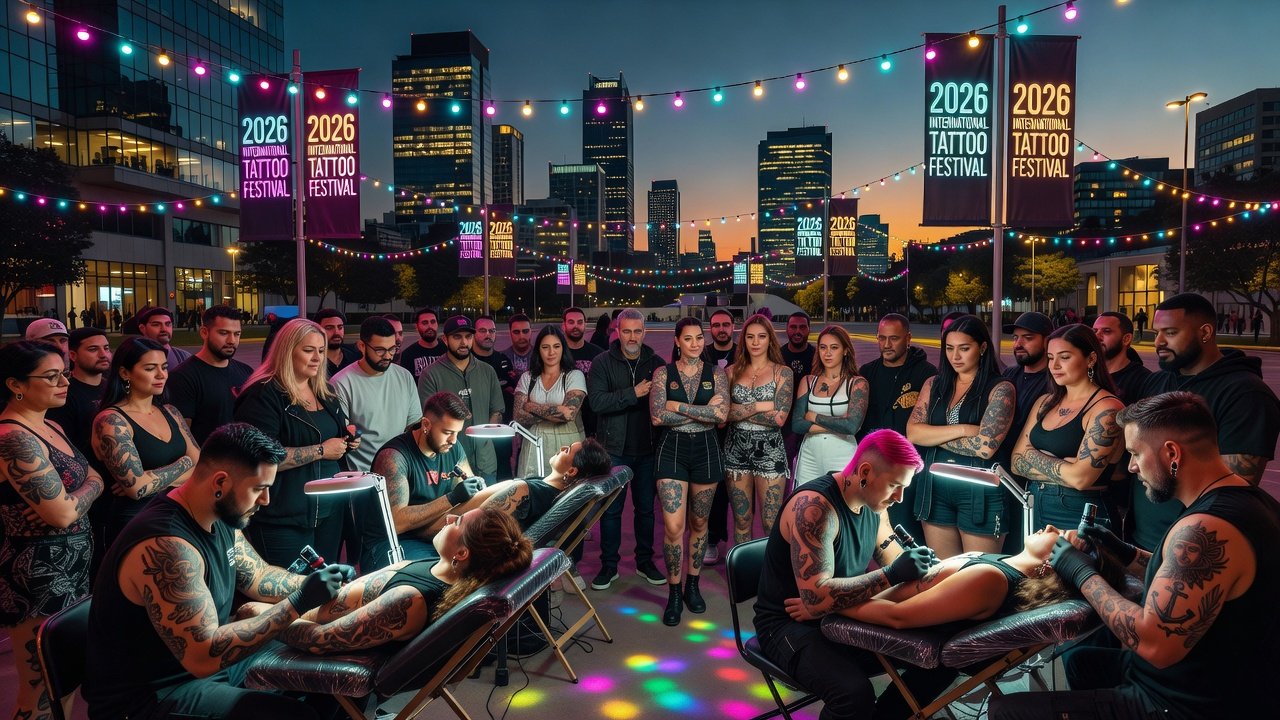
Introduction to 2026 Tattoo Tourism
Tattoo tourism continues to grow in 2026 as enthusiasts combine international travel with meaningful body art experiences. Beyond simply getting inked, participants seek out hidden studio residencies, vibrant festival circuits, and opportunities to build lasting connections within the global ink culture community. This comprehensive guide explores fresh strategies that help both newcomers and dedicated collectors navigate these events safely and ethically while maximizing personal growth through art.
Planning Your Tattoo Tourism Adventure: Essential Checklists
Successful tattoo tourism begins with meticulous preparation. Start by compiling a detailed itinerary that incorporates event calendars, artist availability windows, and local transportation options. Research specific festivals through verified artist social channels and official tourism boards to confirm dates and lineups. Your planning checklist should include verifying passport expiration dates at least six months ahead, securing comprehensive travel insurance that explicitly covers elective procedures like tattooing, and confirming studio hygiene certifications. Additionally, prepare a digital and physical portfolio showcasing your existing tattoos to facilitate discussions with artists. Book flexible accommodations near event venues to allow for easy access during multi-day festivals. Include contingency plans for weather disruptions or last-minute artist changes. Finally, research local customs and language basics to foster smoother interactions in new cultural settings.
- Compile a list of target artists and cross-reference their 2026 residency schedules.
- Arrange vaccinations and obtain medical records suitable for international travel.
- Secure backup payment methods and notify banks of travel plans.
- Map out aftercare supply sources in destination cities.
- Schedule buffer days before and after major events for recovery and exploration.
Safety Protocols for International Tattoo Travel
Prioritizing health remains critical when traveling for tattoos. Select studios that adhere to international sterilization standards, and cross-reference recommendations from CDC guidelines on body art safety. Carry a compact medical kit stocked with sterile gauze, antibiotic ointment, and hypoallergenic tape. Stay hydrated and avoid alcohol for 48 hours post-session to promote healing. In regions with variable water quality, use sealed bottled water for cleaning fresh tattoos. Establish contacts with local clinics before arrival and monitor healing daily using a simple journal. Common pitfalls include ignoring early signs of irritation or skipping follow-up care due to tight travel schedules. Always carry copies of your medical history in case of emergencies.
Real Case Studies from Popular Hotspots
Tokyo continues to attract travelers for its precision line work and private studio residencies that blend traditional and contemporary styles. Participants often report transformative experiences after attending week-long artist collaborations in quiet neighborhoods. Berlin's festival circuit stands out for its energetic atmosphere where street art influences merge with live tattooing demonstrations, allowing collectors to network directly with international creators. Mexico City events emphasize cultural storytelling through indigenous-inspired designs, providing first-timers with guided workshops that explain symbolism and technique. Additional hotspots like Barcelona feature pop-up residencies focused on color theory and portraiture, where attendees have documented improved networking outcomes after participating in evening artist talks. These real-world examples demonstrate how location shapes the overall tourism experience and fosters deeper appreciation for diverse ink traditions.
Budget vs Luxury Tourism Packages: Tailored Advice
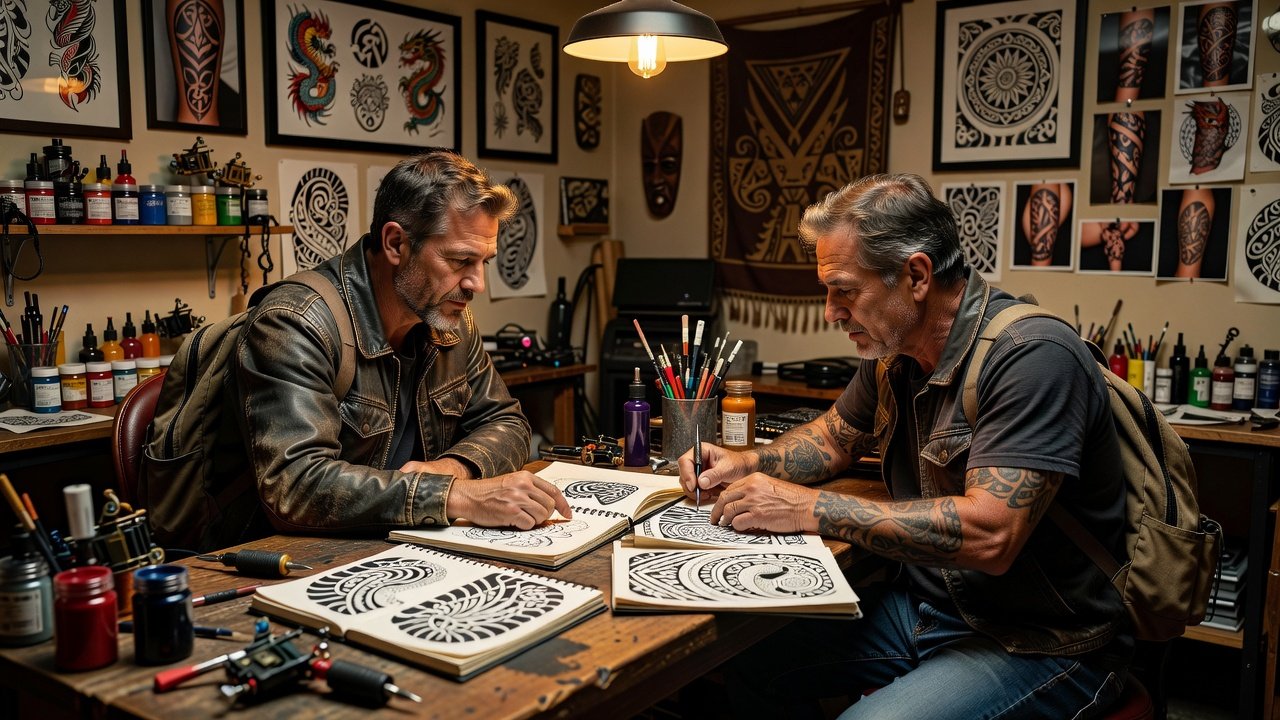
Budget packages typically emphasize group festival access and shared studio time, making them suitable for first-timers eager to explore without heavy financial commitment. These options often include basic aftercare kits and community workshops that build foundational knowledge. Luxury packages, by contrast, provide private residencies, personalized artist matching, and exclusive access to limited-edition flash sheets, appealing more to experienced collectors who value customization and privacy. First-timers benefit from budget structures that encourage gradual collection building and peer support, while collectors gain from luxury arrangements that facilitate repeated sessions with the same artist across multiple cities. When choosing, assess your experience level, desired level of personalization, and comfort with group versus solo activities to select the package that aligns with long-term ink goals.
Ethical Artist Engagement in the Ink Scene
Meaningful connections require respect for artists' creative processes and cultural boundaries. Communicate design concepts openly but avoid requesting direct copies of protected traditional motifs without proper context or permission. Support independent studios by attending their educational sessions or purchasing related merchandise. Practice active listening during consultations to ensure mutual understanding of expectations. Ethical engagement also involves tipping appropriately based on service quality and sharing positive experiences responsibly online without disclosing proprietary techniques. This approach strengthens the broader ink culture community and encourages sustainable artist-tourist relationships.
Post-Event Aftercare While Traveling
Effective aftercare on the move demands consistency and adaptability. Clean tattoos twice daily with gentle, fragrance-free soap and pat dry using clean paper towels. Wear loose, breathable fabrics to minimize friction during long flights or train rides. Apply fragrance-free moisturizer regularly and avoid sun exposure by using protective clothing or mineral sunscreen once healed enough. Track progress with dated photos and adjust routines if swelling persists beyond expected timelines. In remote locations, identify pharmacies stocking recommended healing products in advance. Many travelers integrate light walking into their schedules to promote circulation without straining the area.
Amplifying Experiences Through Social Platforms
Social media serves as a powerful tool for extending connections beyond physical events. Share thoughtful reflections and process images using event-specific hashtags to attract like-minded enthusiasts. Engage in forum discussions on established tattoo platforms to exchange tips and discover upcoming residencies. Document your journey ethically by focusing on personal outcomes rather than revealing studio interiors or artist methods. This practice not only documents growth but can lead to invitations for future collaborative opportunities within the scene.
Conclusion
Embracing 2026 tattoo tourism with careful planning, safety focus, and ethical awareness leads to enriching experiences that deepen appreciation for ink culture. By leveraging these strategies, travelers create meaningful artwork and connections that last well beyond individual events.
FAQ: Visa and Booking Questions for 2026 Events
What visa documents are typically needed? Requirements vary by destination but generally include a valid passport and proof of return travel. Consult official government resources for country-specific details.
How far in advance should I book artist sessions? High-demand residencies often require reservations four to six months ahead to secure preferred dates.
Are there cancellation policies for festivals? Most events provide partial refunds with 30 days' notice, though terms differ by organizer.
Can I combine multiple destinations in one trip? Yes, many travelers chain festivals across regions, but allow adequate healing intervals between sessions.
What health resources are available abroad? Refer to WHO travel health guidelines for vaccination and safety updates relevant to your itinerary.
No comments yet. Be the first!