 Inked Mythos
Introduction: The Rise of VR in Ink Culture
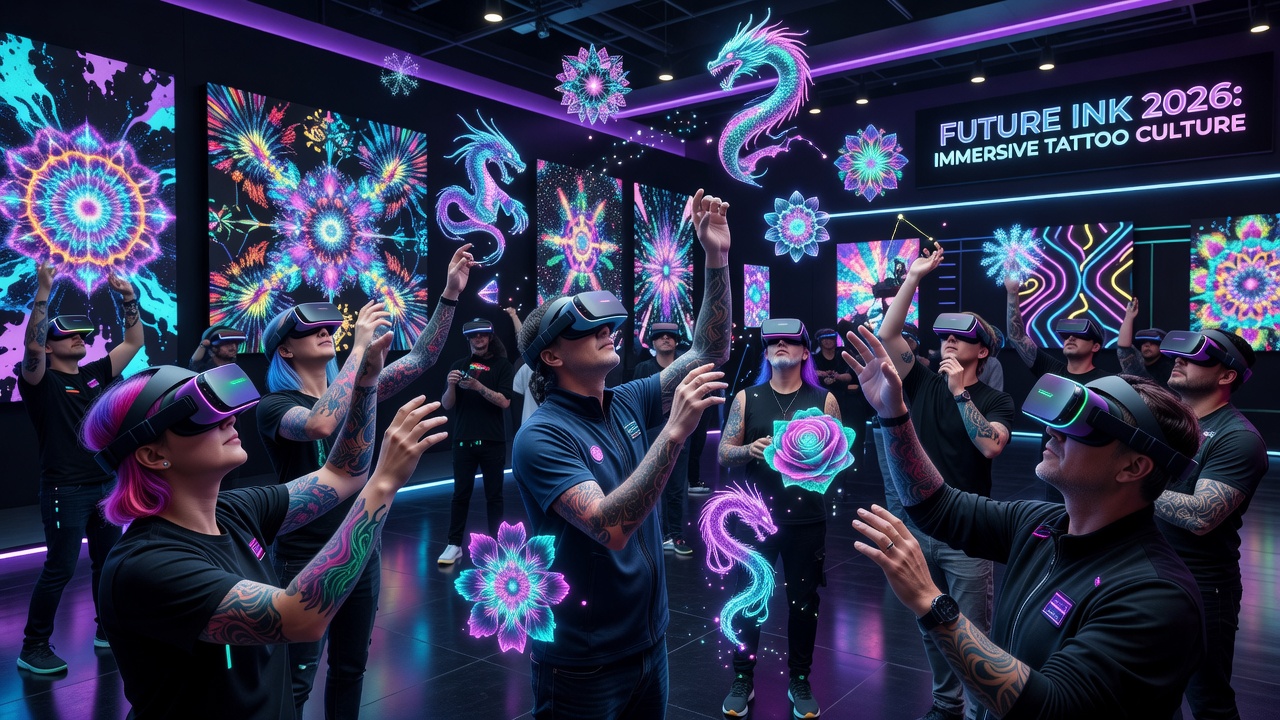
As 2026 unfolds, virtual reality is reshaping how tattoo enthusiasts connect, preview designs, and participate in events. This technology bridges physical limitations, allowing global audiences to engage with ink culture in immersive ways. From virtual try-ons to fully digital convention experiences, VR fosters deeper community bonds while enhancing creative processes for artists and clients alike. The integration of VR into tattoo gatherings goes beyond novelty. It addresses practical challenges like travel costs and accessibility, creating hybrid models that blend in-person energy with digital convenience. Readers interested in emerging tech within body art will find actionable insights here on tools, real-world applications, and future trends. In an era where body art communities seek greater inclusivity, VR provides a platform for shared storytelling and design experimentation that transcends geography. Early adopters in major cities report increased engagement from younger demographics who are already comfortable with immersive technologies, signaling a shift toward more tech-forward ink culture practices.
VR Preview Tools for Tattoo Designs
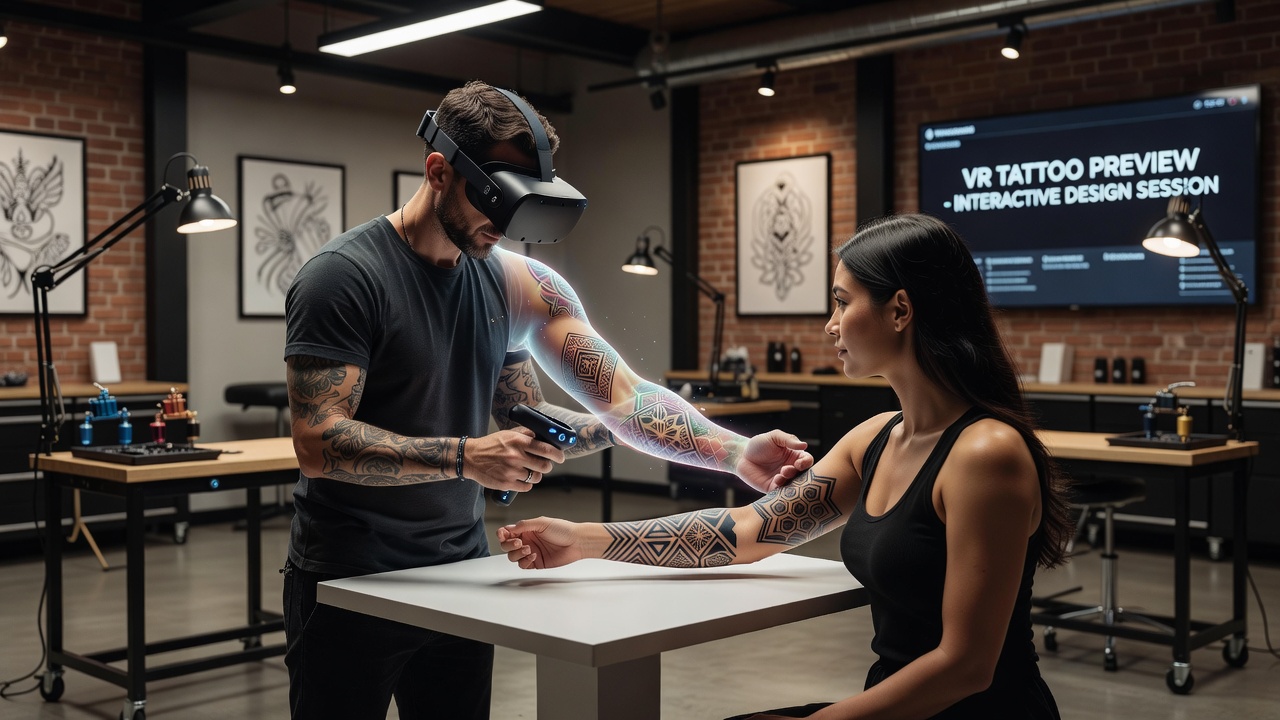
VR preview tools enable clients to visualize tattoos on their bodies in three dimensions before any needle touches skin. Artists upload custom designs into VR environments where users rotate, scale, and simulate skin textures under different lighting. This reduces regret rates and improves collaboration during consultations. Leading platforms integrate motion tracking so clients can see how a sleeve flows with arm movement or how a back piece aligns with natural posture. Studios report higher satisfaction when clients experience designs this way, leading to more precise adjustments early in the process. Advanced features now include haptic feedback that mimics needle sensation at low intensity, helping clients prepare mentally for the real session. Integration with body scanning apps allows for personalized avatars that reflect exact measurements, ensuring placement accuracy across diverse body types.
Key Features of Modern VR Tattoo Previews
- Real-time color and shading adjustments with instant feedback loops
- Multi-angle skin mapping for accurate placement on curved surfaces
- Shared virtual sessions for group feedback from friends or family members
- Export options for printing reference sheets or sharing with other artists
- Lighting simulation to preview how tattoos appear in daylight versus evening settings
These capabilities make the design phase more interactive and client-centered, fostering trust between artist and client from the first consultation.
Virtual Event Participation at Major Tattoo Gatherings
Major 2026 tattoo conventions now offer VR access points alongside physical venues. Attendees don headsets to walk virtual floors, chat with artists in avatar form, and watch live demonstrations from anywhere in the world. Examples include hybrid formats at large-scale ink expos where remote participants join workshops and networking lounges. This expands reach dramatically, allowing smaller studios or international fans to join without logistical barriers. Virtual booths showcase portfolios in 360 degrees, and live Q&A sessions feel personal through spatial audio. Organizers have noted that VR streams often attract repeat visitors who explore multiple days of content at their own pace, something impossible at purely physical events. Community interactions thrive in dedicated VR social zones where users exchange ideas about aftercare techniques or upcoming flash sales.
Meta has supported several such events with their VR hardware ecosystem, highlighting the tech's growing role in creative communities. Additional support comes from platforms enabling seamless avatar customization tailored to tattoo enthusiast aesthetics.
Comparisons: In-Person vs. VR Tattoo Experiences
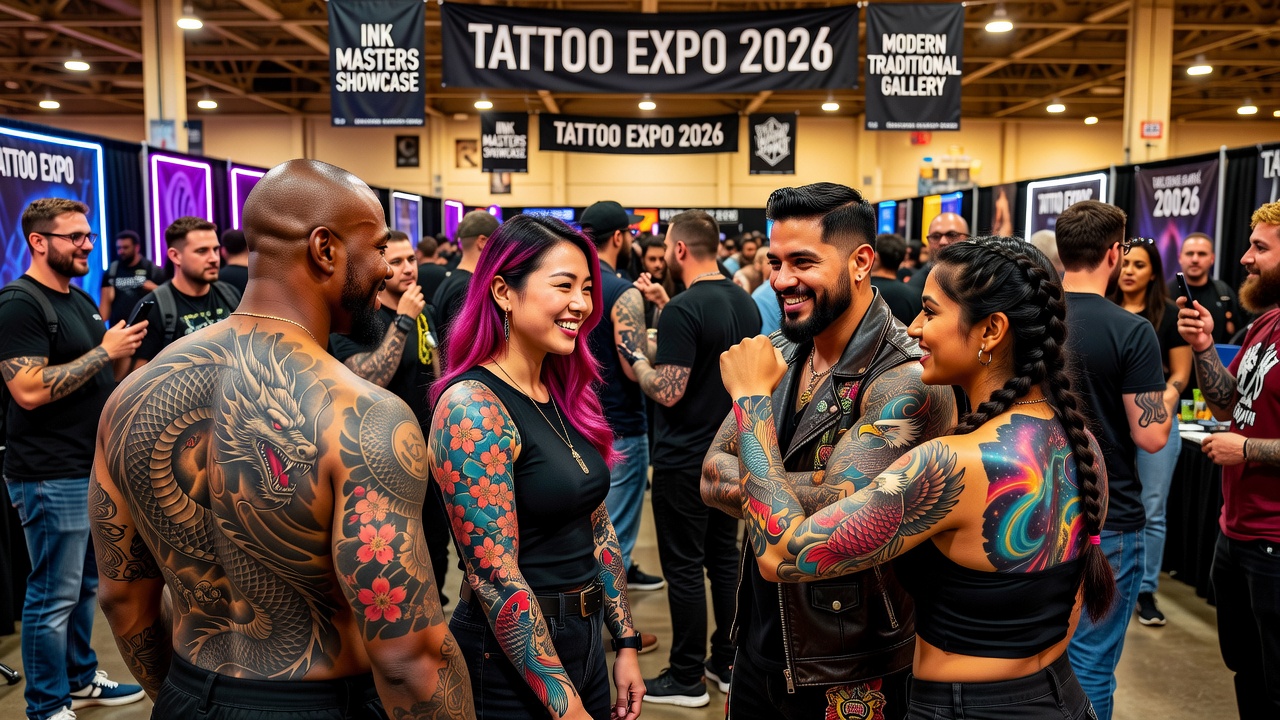
In-person events deliver tactile energy, immediate networking, and the sensory thrill of seeing fresh ink in real time. The buzz of live music, the smell of ink, and spontaneous conversations create an irreplaceable atmosphere that many enthusiasts crave annually. VR experiences excel in accessibility, cost efficiency, and the ability to revisit sessions or explore multiple booths simultaneously without fatigue. Users can pause and resume virtual tours, making it ideal for those balancing work or family commitments. However, VR lacks the physical touch feedback and spontaneous street interactions common at live gatherings. Some artists note that the emotional connection formed during an in-person consultation can be harder to replicate digitally, though voice and gesture features are closing this gap. Hybrid approaches are emerging as the ideal, combining VR previews with selective in-person attendance for key moments like the actual tattooing or after-party meetups. Data from recent hybrid events shows that participants who use both formats report the highest overall satisfaction levels.
Decision Factors for Attendees
- Travel distance and time constraints favor VR participation
- Need for hands-on artist interaction leans toward in-person attendance
- Budget considerations often make virtual options more inclusive for broader audiences
- Community depth varies but can be strong in both formats when well-executed with moderation tools
- Learning opportunities differ, with VR allowing recorded sessions for later review
Steps for Artists to Adopt VR Setups
Artists looking to integrate VR should start with accessible hardware and software. Begin by researching compatible headsets and design platforms suited for body art workflows. Practical steps include assessing current studio technology and identifying gaps in client communication. Training sessions with peers who have already adopted the tools can accelerate the learning curve significantly.
Detailed adoption process:
- Assess studio space for VR station setup and client comfort, including seating and lighting adjustments
- Train on basic VR navigation and design import tools through online tutorials or workshops
- Pilot with a small group of existing clients for feedback and iterative improvements
- Partner with tech providers for ongoing support and regular software updates
- Market VR services through social channels and email newsletters to attract tech-savvy clients
- Monitor usage analytics to refine offerings and expand to more complex design previews
Gradual adoption minimizes disruption while building expertise and client trust over time.
Practical Case Studies from Studios
One West Coast studio implemented VR previews in early 2026, resulting in streamlined consultations and increased client retention. Participants noted feeling more confident in large-scale projects after virtual simulations, with several returning for additional work. Another European collective used VR for virtual convention participation, connecting with collectors across continents during a major ink event. This led to new commissions and cross-cultural collaborations that would have been logistically challenging otherwise. A third studio in Asia focused on VR community events, hosting monthly virtual meetups where artists demonstrated techniques to remote audiences. Feedback highlighted improved accessibility for clients with mobility challenges, expanding the studio's reach beyond local markets.
Challenges and Solutions in VR Adoption
While promising, VR integration faces hurdles such as initial learning curves for older artists and the need for reliable internet connections during live events. Solutions include community-led training programs and offline-capable VR apps for previews. Privacy concerns around body scans are addressed through secure, consent-based data handling protocols that comply with international standards. Studios that proactively address these issues see faster uptake among both staff and clientele.
FAQs on Accessibility and Costs
How accessible is VR for tattoo events?
Many platforms offer browser-based entry or affordable headset rentals at events. Accessibility features like voice commands and adjustable interfaces continue to improve inclusivity for diverse users, including those with visual or hearing impairments.
What are typical costs involved?
Setup expenses vary by scale, but qualitative descriptions emphasize starting small with shared equipment to keep investments manageable. Ongoing maintenance focuses on software subscriptions rather than frequent hardware replacements, allowing studios to scale gradually.
Can VR fully replace in-person tattoo experiences?
Most experts view VR as a powerful supplement that enhances reach and preparation, not a complete substitute for the physical aspects of tattooing and community gatherings that define ink culture.
Are there age or health restrictions for VR use at events?
Guidelines typically recommend VR for adults or supervised teens, with breaks advised to prevent motion sickness. Event organizers provide clear instructions and alternative viewing options for those who prefer non-immersive access.
Conclusion: Embracing the Future of Ink Culture
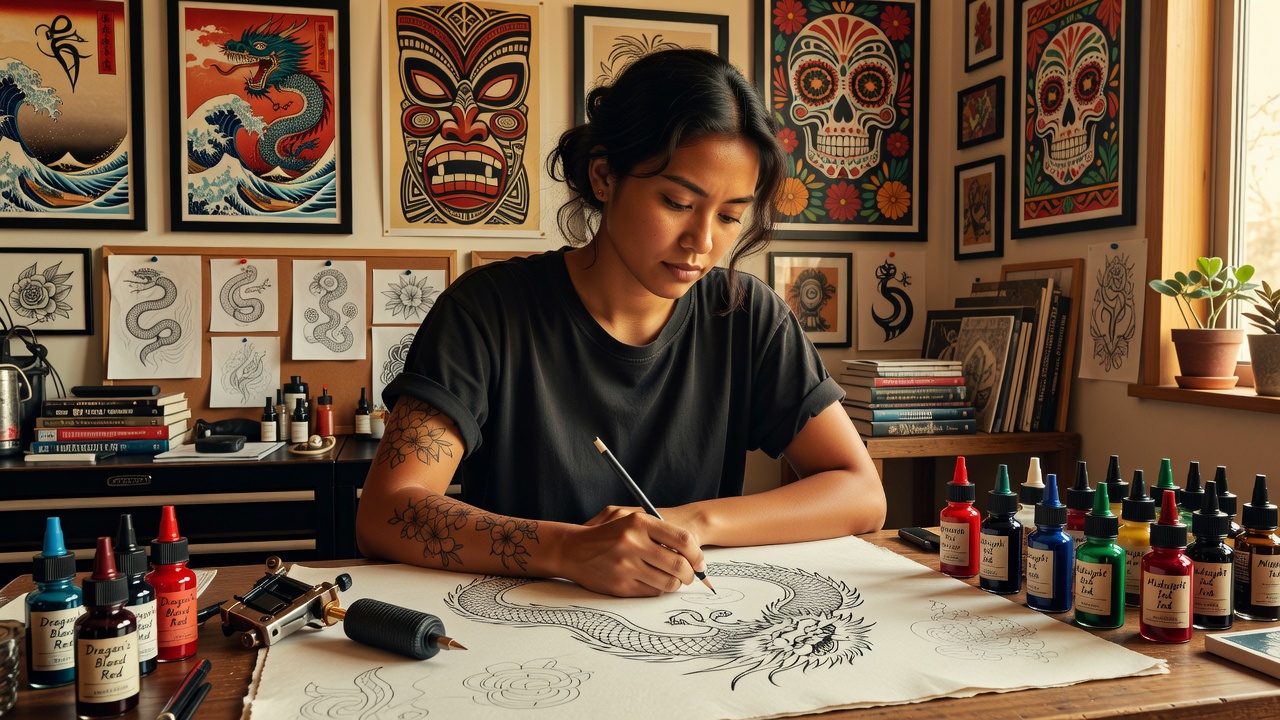
VR is poised to redefine 2026 ink culture events by making them more inclusive, interactive, and innovative. Artists and enthusiasts who explore these tools now will lead the evolution of body art communities. As technology advances, the fusion of virtual and physical experiences promises richer connections and creative possibilities for everyone involved in tattoo culture. Continued experimentation and feedback loops will ensure VR serves the authentic spirit of ink traditions while opening new doors for global participation.
No comments yet. Be the first!