 Inked Mythos
Introduction to Entering Tattoo Culture
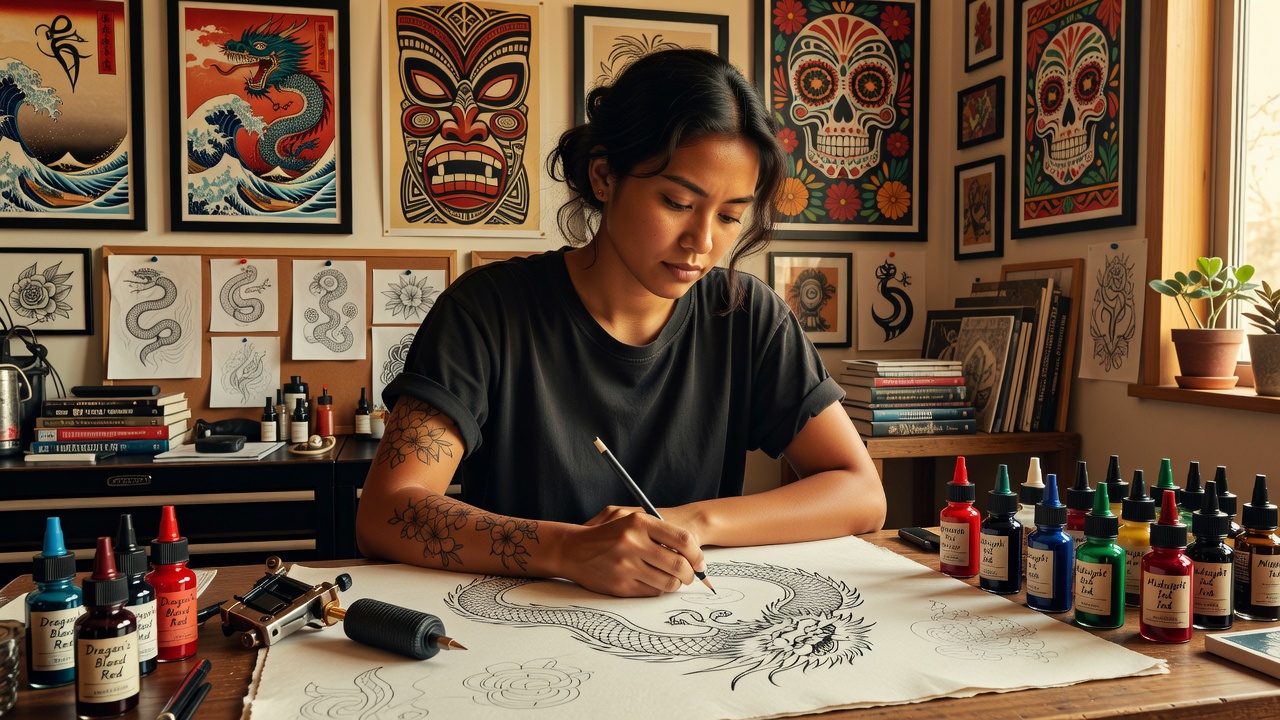
Breaking into tattoo culture requires more than artistic talent—it demands dedication to skill-building, community integration, and professional standards. Aspiring artists often search for clear pathways beyond attending conventions, focusing instead on structured career development. This guide provides actionable steps for new artists to navigate formal training, portfolio strategies, mentorship opportunities, legal requirements, and digital visibility. The body art community values authenticity, respect for traditions, and a commitment to continuous learning. Many newcomers underestimate the cultural nuances, such as honoring the unwritten codes of conduct passed down through generations of artists. Understanding these elements early helps avoid common pitfalls and builds a foundation for long-term success in the ink industry.
Success hinges on understanding its unwritten rules, from respecting gatekeepers to prioritizing hygiene. Many emerging talents have thrived by combining traditional routes with modern tools like digital portfolios and social media outreach. This comprehensive approach ensures you develop not only technical skills but also the interpersonal connections essential for thriving in competitive studio environments.
Formal Training Options for Aspiring Tattoo Artists
While no universal degree exists, structured programs help build foundational skills. Art schools offer drawing and design courses that translate directly to tattooing, covering composition, perspective, and color theory. Community colleges and specialized tattoo academies provide courses in anatomy, sterilization protocols, and machine operation. Online platforms supplement with video tutorials on topics like stencil application and aftercare advice, though hands-on practice remains essential for muscle memory development.
Choosing training depends on your location and goals. Some artists start with fine arts degrees before specializing, gaining credibility that opens doors in competitive studios. Workshops at local art centers can provide short-term intensives on specific styles such as neo-traditional or blackwork. Consider hybrid options that blend in-person critiques with virtual feedback sessions to accelerate progress without relocating.
Strategies for Creating a Standout Portfolio
A strong portfolio showcases versatility and technical proficiency. Include 20-30 pieces demonstrating line work, shading, color application, and various styles like realism or traditional. Use high-quality photos of healed tattoos on skin rather than just drawings to prove real-world application. Organize digitally on a personal website or Behance, with physical prints for in-person meetings at studios or events.
Update regularly with new work and seek feedback from mentors. Highlight personal projects that reflect your unique voice within tattoo culture. Start by photographing practice skins and progressing to volunteer models under supervision. Include before-and-after shots where possible, along with client testimonials that speak to your professionalism and attention to detail. This documentation helps differentiate you when approaching established artists for opportunities.
Attending Tattoo Events for Mentorship and Networking
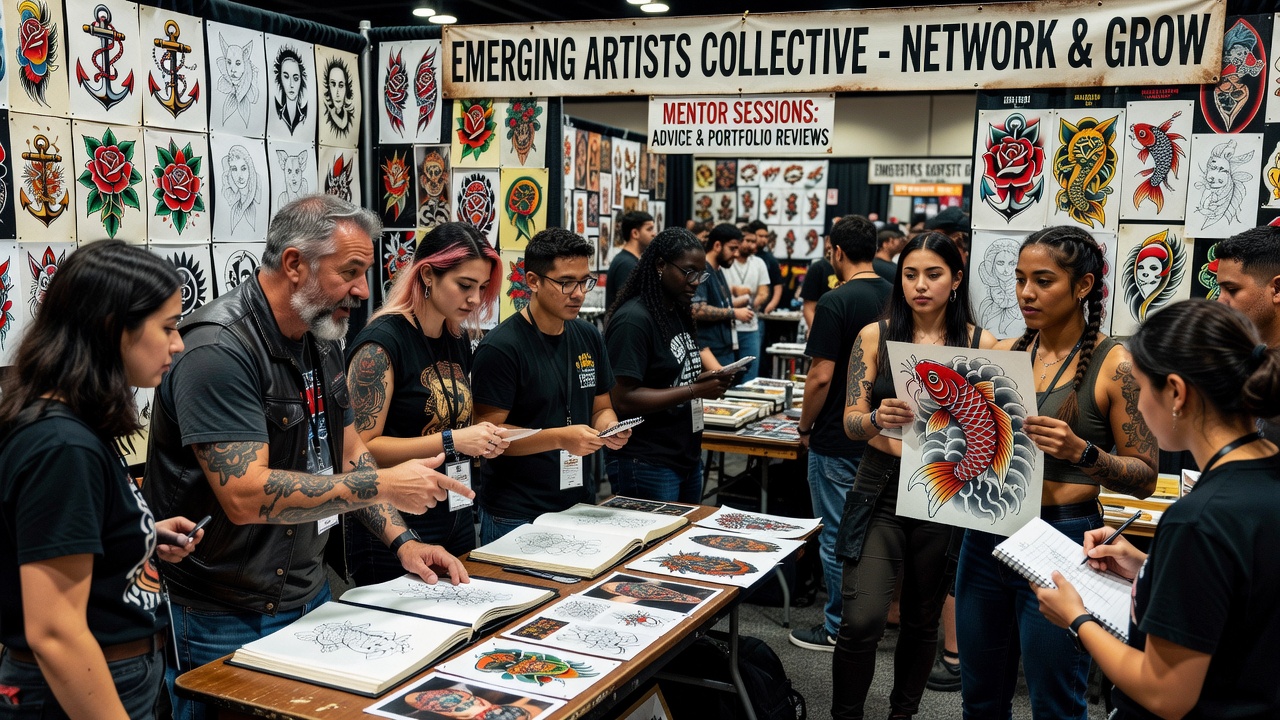
Conventions and expos serve as hubs for connecting with established artists. Prepare by researching attendees and preparing a concise pitch about your background and artistic influences. Volunteer or assist at booths to demonstrate reliability and gain informal mentorship through observation of daily operations. Events often feature workshops on advanced techniques, business practices, and emerging trends like sustainable ink usage.
Follow up with contacts via email or social media to nurture relationships. Local pop-up events provide similar opportunities on a smaller scale, allowing for deeper conversations in less crowded settings. Bring business cards with QR codes linking to your online portfolio and always carry a sketchbook to capture inspiration or demonstrate quick skills on the spot.
Legal and Health Compliance Essentials
Compliance protects clients and builds trust. Research state regulations for licensing, which often require bloodborne pathogen training and studio inspections. Follow CDC guidelines on infection control, including proper sterilization and single-use needles. Many regions mandate hepatitis vaccinations and client consent forms that detail risks and aftercare instructions.
Health authorities emphasize universal precautions. Joining professional associations can offer resources and advocacy for evolving standards. Here is a practical checklist of compliance steps: complete certified bloodborne pathogen courses annually, maintain detailed records of equipment sterilization, ensure all inks meet safety standards referenced by FDA guidelines, and display required health permits visibly in your workspace. Additionally, consult OSHA resources for workplace safety protocols specific to body art environments. Staying current with these requirements prevents legal issues and signals professionalism to potential clients and collaborators.
Building a Professional Online Presence
Digital platforms amplify visibility. Create Instagram and TikTok accounts showcasing process videos and client testimonials. Optimize a personal site with SEO-friendly content about your journey, including blog posts on technique tips and industry insights. Engage in online forums dedicated to ink culture to share insights and attract collaborators from around the world.
Consistency matters—post regularly and respond to comments to foster community. Collaborate with photographers for professional imagery that highlights your artistic range. Use analytics tools to track engagement and refine your posting schedule for maximum reach among target audiences interested in body art.
Traditional Apprenticeship Versus Modern Certification Routes
Traditional apprenticeships involve working unpaid or low-paid under a master artist for 1-3 years, learning shop operations and etiquette through immersion. This route emphasizes cultural respect and hands-on repetition but can be gatekept by established networks. Modern certification programs, often 6-12 months, focus on technical skills and business basics with structured curricula. They suit those seeking faster entry but may lack the deep cultural integration of apprenticeships.
Many successful artists blend both, starting with certification then pursuing mentorship. Consider these factors when deciding: apprenticeships offer real-time feedback and studio integration but require patience and financial flexibility, while certifications provide quicker credentials and broader accessibility yet demand self-motivation to build connections afterward. Evaluate your personal circumstances, such as existing artistic background and financial resources, before committing to one path.
Real-World Examples of Emerging Artists
Consider artists like those who began in local collectives in cities such as Portland or Austin. One built a following through convention volunteering, securing an apprenticeship after consistent networking and demonstrating reliability over multiple events. Another leveraged online portfolios from certification programs to join a studio within a year, emphasizing clean line work that resonated in community circles. A third artist started by creating flash sheets shared on social media, which attracted local clients and led to studio invitations after consistent engagement with regional tattoo groups. These stories highlight persistence over shortcuts and the value of combining multiple strategies.
Common Mistakes to Avoid
New artists frequently rush into client work without sufficient practice or skip essential networking. Avoid underestimating the importance of healed tattoo photography and always prioritize safety training before any hands-on application. Another pitfall is neglecting follow-up communication after events, which can close doors that were initially opened. Focus on quality over quantity in your early portfolio pieces to establish a reputation for excellence.
Conclusion
Entering tattoo culture as a new artist is a marathon of skill, compliance, and relationships. By following these steps—from training to online branding—you position yourself for sustainable growth. Stay patient, prioritize safety, and contribute positively to the community for the best long-term outcomes.
FAQ
How do I find my first clients as a beginner?
Start with friends and family for practice pieces, then leverage social media and local events. Offer discounted rates initially to build a portfolio and reviews while always maintaining professional standards.
What are common challenges with industry gatekeepers?
Gatekeepers value proven commitment; overcome this by showing consistent work and respect for traditions rather than demanding entry. Building genuine relationships through repeated positive interactions is key.
Is certification enough without an apprenticeship?
Certification provides a strong start, but many studios prefer apprenticeship experience for cultural fit—combine both for best results and broader acceptance in the community.
How long does it typically take to become established?
Most artists report 2-4 years of dedicated effort before consistent studio placement and client flow, depending on location, networking, and skill development pace.


No comments yet. Be the first!