 Inked Mythos
Introduction to Tattoo Symbolism in 2026
As ink culture evolves, symbolism remains central to how individuals express identity, heritage, and personal growth. In 2026, tattoo symbolism trends reflect broader societal shifts toward authenticity, cultural appreciation, and community connection. These motifs go beyond aesthetics, fostering deeper bonds within the body art world through shared stories and evolving meanings. Readers seeking more than fleeting trends will find value in understanding how personal and cultural symbols adapt. This exploration draws from diverse artists and highlights forward-looking examples that strengthen the tattoo community. The year 2026 brings fresh layers to classic icons, with artists noting a surge in requests for designs that mirror environmental concerns, digital-age resilience, and multicultural fusion. Symbolism now serves as a bridge, allowing wearers to communicate complex life narratives without words.
Decoding Popular Symbols in Contemporary Ink
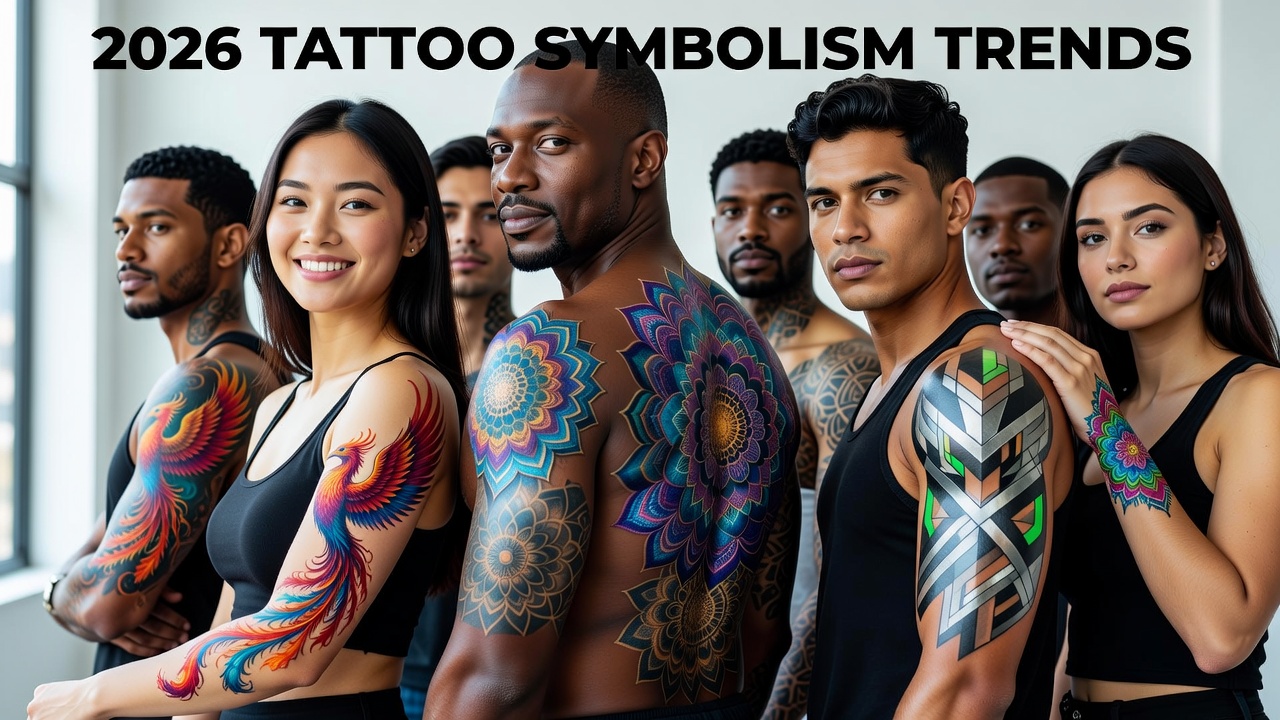
Popular symbols in 2026 include the phoenix for rebirth, mandalas for balance, and geometric patterns representing interconnectedness. These designs resonate because they blend universal themes with individual narratives. For instance, a phoenix rising amid flames might symbolize overcoming recent global challenges, while intricate mandalas incorporate elements from nature to evoke mindfulness. Artists also highlight the rising popularity of tree-of-life motifs intertwined with circuit patterns, reflecting humanity's relationship with technology. Another emerging favorite is the ouroboros updated with minimalist lines to signify eternal cycles in mental health journeys. Decoding these symbols involves recognizing both historical roots and modern adaptations, helping enthusiasts select designs that feel timeless yet relevant to current societal conversations around sustainability and identity.
Further examples include anchor symbols reimagined with floral growth to represent stability amid change, and raven designs that blend Indigenous storytelling with abstract contemporary styles. This decoding process encourages deeper research into meanings, ensuring the chosen ink aligns with personal evolution rather than passing fads.
Traditional Versus Contemporary Interpretations
Traditional tattoo symbols, rooted in cultural practices like Polynesian tribal designs or Japanese irezumi, emphasize heritage and ritual. In contrast, contemporary interpretations infuse these with modern twists, such as minimalist line work or neon color accents. Comparing the two reveals how 2026 trends honor roots while embracing innovation. For example, a traditional dragon might now feature abstract elements reflecting personal resilience. This evolution strengthens ink culture by bridging generations and encouraging respectful cross-cultural dialogue. Traditional irezumi often follows strict rules of placement and color symbolism passed down through generations, whereas contemporary versions allow for personalization like adding personal birthdates in subtle negative space. The contrast highlights a broader movement toward hybrid styles that respect origins while adapting to diverse body types and lifestyles.
Resources from institutions such as Britannica provide historical context that helps artists and clients navigate these interpretations responsibly.
Case Studies of Meaningful Tattoos
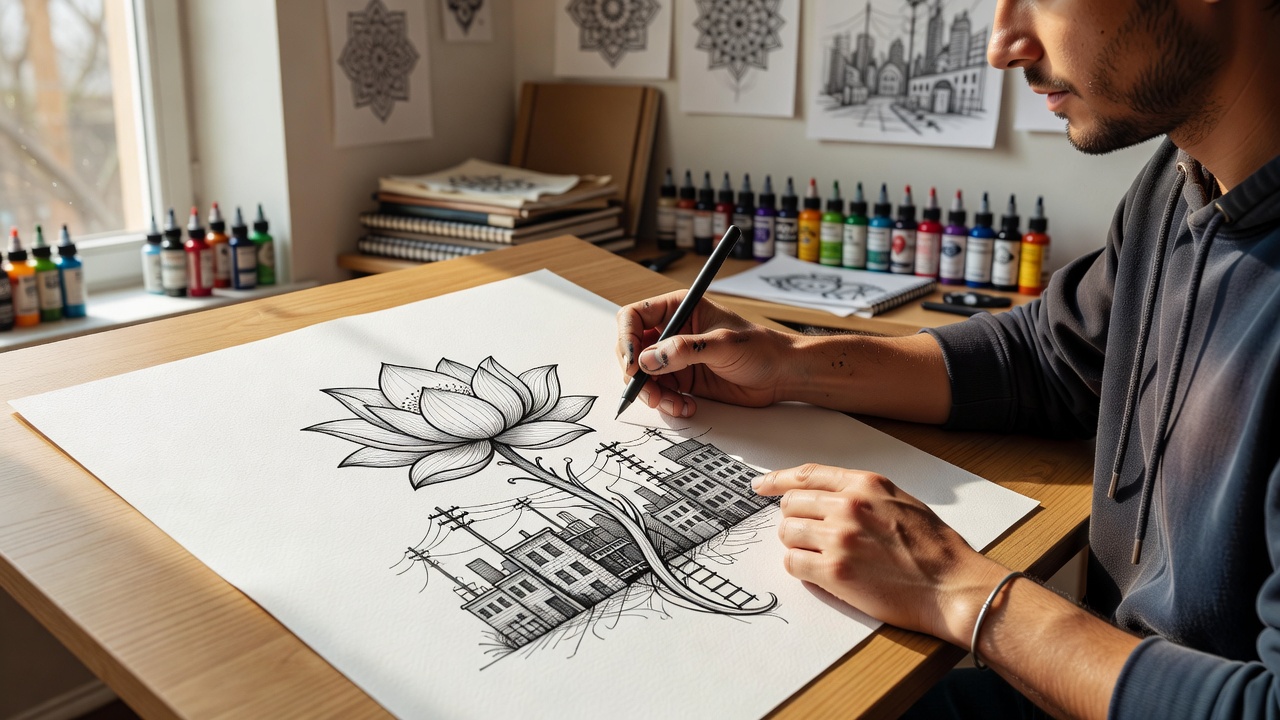
Consider the story of an artist in Los Angeles who created a sleeve blending Celtic knots with contemporary sustainability symbols for a client passionate about environmental advocacy. The design's layered meaning—strength from tradition meeting future-oriented hope—deepened the wearer's connection to their community. Another case involves a New York studio specializing in cultural fusion tattoos, where clients from varied backgrounds collaborate on motifs like the lotus flower reimagined with urban architecture. These examples illustrate how symbolism builds lasting personal and communal ties. A third case study from a Tokyo-based artist features a client who chose an evolving wave pattern inspired by ukiyo-e prints, updated with 2026 climate resilience elements to mark a personal journey through natural disasters. Each case demonstrates the power of collaborative design sessions that last several hours, resulting in tattoos that clients describe as living extensions of their values.
Practical Steps for Choosing Resonant Designs
Selecting a tattoo with lasting symbolism requires thoughtful preparation. Follow these steps:
- Reflect on personal values and life experiences to identify core motifs, journaling daily inspirations for at least two weeks before consultations.
- Research cultural origins to ensure respectful representation, consulting resources from institutions like Britannica and The Metropolitan Museum of Art.
- Consult multiple artists to explore interpretations and refine concepts, bringing mood boards and reference images to initial meetings.
- Consider placement and scale, as these influence how the symbol interacts with your body over time and how it photographs in different lighting.
- Test ideas through temporary versions or sketches before committing, allowing time to live with the concept for several months.
- Discuss aftercare and long-term maintenance with your artist to preserve the symbol's clarity and meaning across decades.
These steps promote designs that enhance individual stories and contribute positively to ink culture. Additional considerations include budgeting for multiple sessions if the design is complex and verifying artist portfolios for similar symbolic work.
How Symbolism Strengthens the Body Art Community
Beyond individual expression, 2026 symbolism trends actively strengthen the tattoo community by creating shared languages across studios worldwide. Online forums and in-person events now frequently center on symbol discussions, leading to collaborative projects and mentorship opportunities. Artists report that clients who invest time in symbolism research often become advocates, sharing their stories at conventions and inspiring others. This communal aspect transforms tattoos from private art into collective narratives that celebrate diversity and mutual respect.
FAQ on Tattoo Symbolism
What makes a symbol meaningful in 2026 trends?
Meaningful symbols align with personal growth and cultural awareness, often blending timeless elements with current societal themes like sustainability or mental health.
How do traditional and modern symbols differ?
Traditional symbols prioritize heritage and ritual, while modern ones adapt these for contemporary expression through abstraction or fusion.
Can I combine symbols from different cultures?
Yes, with research and artist collaboration to maintain respect and authenticity, strengthening community bonds through shared understanding.
How long should I research before getting a symbolic tattoo?
Most experts recommend at least three to six months of reflection and consultation to ensure the design resonates deeply over time.
Are there resources for learning about global tattoo symbols?
Authoritative sources include museum archives and cultural encyclopedias that detail origins without appropriation risks.
Conclusion
Tattoo symbolism trends in 2026 continue to shape ink culture by emphasizing depth, evolution, and connection. By exploring these motifs thoughtfully, enthusiasts build more meaningful relationships with their art and the broader community. Whether through decoding symbols or following practical guidance, the focus remains on designs that endure and inspire lasting dialogue across the tattoo world.

No comments yet. Be the first!