 Inked Mythos
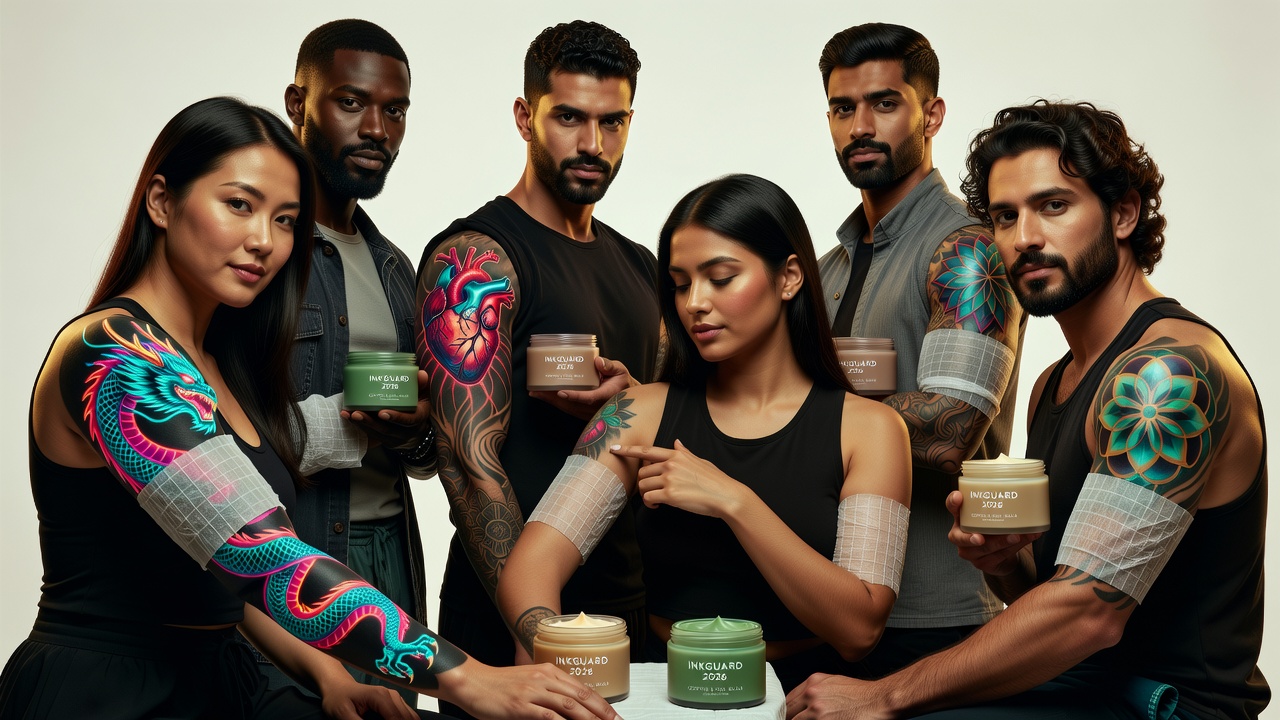
Introduction to Tattoo Aftercare in Modern Ink Culture
Tattoo culture has evolved dramatically by 2026, blending traditional artistry with contemporary wellness practices. Whether you're attending tattoo events or showcasing new pieces within the vibrant body art community, proper aftercare is crucial for preserving your ink and maintaining skin health. This guide provides comprehensive, practical advice tailored to today's enthusiasts, emphasizing daily routines that support healing while integrating seamlessly into active lifestyles. In an era where body art serves as personal expression and cultural statement, neglecting aftercare can lead to faded designs, infections, or unnecessary scarring that diminishes the impact of your chosen artwork.
Understanding the Healing Process
Tattoos involve breaking the skin barrier, triggering a natural inflammatory response that lasts several weeks. In 2026 ink culture, artists and clients alike prioritize evidence-based methods to minimize complications. The process typically unfolds in stages: initial oozing and scabbing (days 1-3), peeling (days 4-10), and full epidermal regeneration (up to 4-6 weeks). Factors like skin type, placement, and lifestyle influence recovery speed. For example, tattoos on high-movement areas such as elbows or knees often require extra attention to prevent cracking during the scabbing phase. Understanding these stages helps enthusiasts anticipate changes and adjust routines accordingly, ensuring the final result aligns with the vision shared at tattoo events worldwide.
Traditional vs. Modern Aftercare Methods
Traditional approaches often relied on basic petroleum jelly and homemade remedies passed through generations in tattoo culture. These could work but sometimes led to infections due to lack of sterility. Modern methods incorporate advanced, breathable balms, antimicrobial washes, and even probiotic-infused creams. For instance, many now compare old-school thick ointments with lightweight, silicone-based alternatives that allow better oxygen flow. Tattoo events in 2026 frequently feature workshops highlighting these shifts, encouraging hybrid routines for optimal results. The benefits of modern products include faster healing times and reduced inflammation, while traditional options appeal for their accessibility and natural ingredients. A balanced approach often yields the best outcomes, drawing from both worlds to create personalized protocols that respect cultural heritage while embracing scientific advancements.
Step-by-Step Daily Aftercare Routine
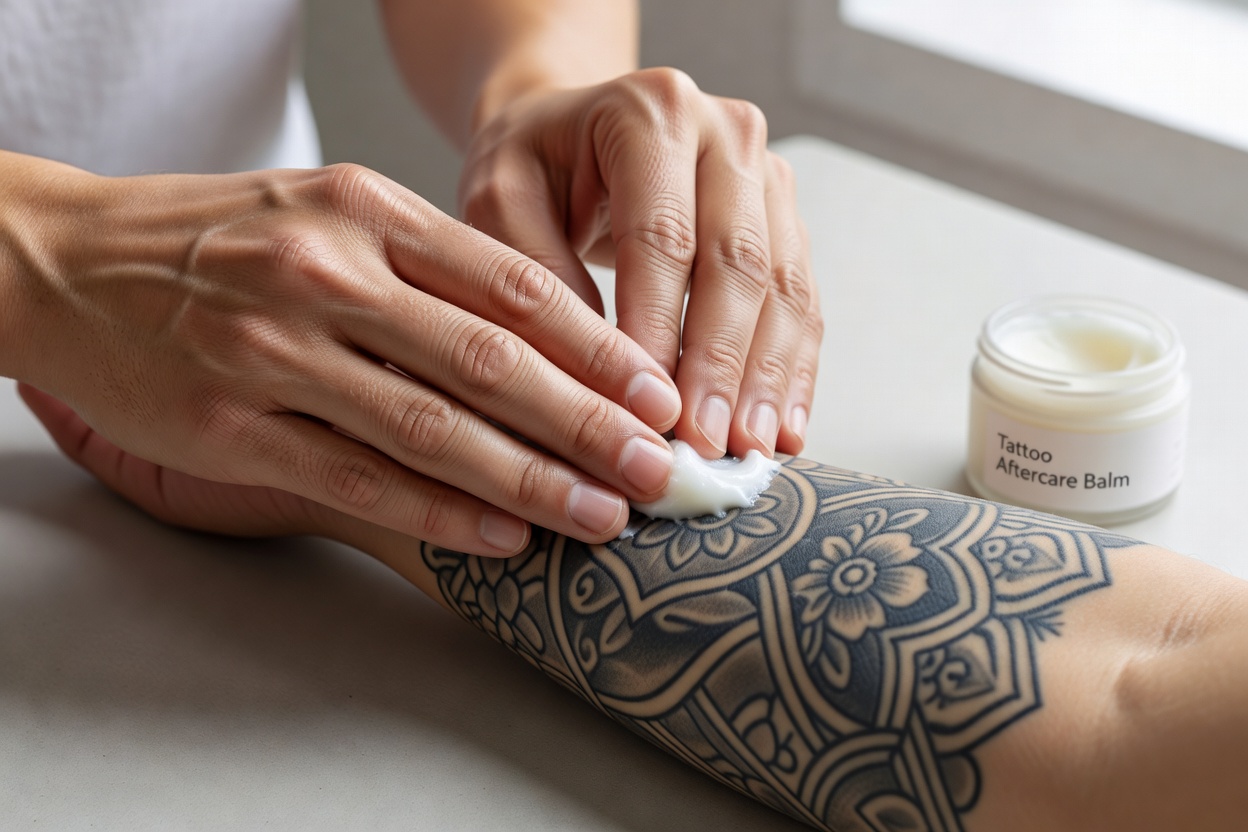
Follow this structured routine to promote healing and vibrant results. Begin each day by assessing the tattoo for any unusual changes before proceeding with care steps. Washing forms the foundation: gently cleanse twice daily with a fragrance-free, antibacterial soap using lukewarm water and clean hands. Pat dry with a clean towel—never rub, as friction can dislodge scabs and cause ink loss. Moisturizing comes next; apply a thin layer of recommended balm immediately after washing and reapply whenever skin feels tight or dry throughout the day. Protection against environmental factors is essential—avoid direct sun exposure and use broad-spectrum SPF 30+ once the tattoo is sufficiently healed. Wear loose, breathable clothing over the area to prevent irritation from fabrics. Finally, monitoring involves tracking changes daily through photos or notes, noting any excessive redness, swelling, or discharge beyond the first week. Consistency matters greatly, especially for those immersed in tattoo culture who may have multiple pieces or plan future sessions at popular tattoo events. Variations exist for different lifestyles, such as adjusting wash frequency for athletes who sweat heavily.
Recommended Products for Optimal Healing
Select products based on your skin type. For dry skin, thicker shea butter blends excel; oily types benefit from gel formulas. Look for ingredients like hyaluronic acid, vitamin E, and centella asiatica. Always patch-test new items on a small area first. Real-world examples from enthusiasts at recent tattoo events show that switching to fragrance-free lines reduced irritation by noticeable margins within the first month. Popular categories include antimicrobial soaps from trusted brands, healing ointments with natural extracts, and barrier creams designed for sensitive areas. Consider consulting your tattoo artist for specific recommendations tailored to your new ink, as many professionals provide starter kits at events. Over time, these choices contribute to healthier skin overall, reducing the risk of complications that could affect future tattoo sessions.
Common Mistakes to Avoid
Many enthusiasts encounter setbacks by overlooking simple guidelines. Over-washing or using harsh soaps strips natural oils and delays recovery. Picking at scabs leads to ink loss or scarring that permanently alters the design. Exposing fresh tattoos to pools, saunas, or excessive sweat from intense workouts introduces bacteria and prolongs inflammation. Ignoring allergies to certain fabrics or lotions can trigger rashes that compromise healing. Skipping follow-up care after the initial two weeks often results in dryness and cracking during the final stages. Additional pitfalls include applying too much product, which clogs pores, or using expired items that harbor contaminants. Learning from these errors through community discussions at tattoo events helps newcomers build stronger habits from the start.
Real-World Examples from Tattoo Enthusiasts
Many in the community share stories of successful healing through disciplined routines. One frequent attendee of international tattoo events described how adapting her regimen for sensitive skin—incorporating both traditional coconut oil elements and modern barrier creams—resulted in flawless color retention after a large back piece. Another enthusiast highlighted lifestyle adjustments, like timing sessions around low-stress periods, to enhance recovery within ink culture circles. A third example involves a professional who travels for tattoo events and maintains a portable aftercare kit with travel-sized balms and wipes, allowing consistent care even during busy schedules. These narratives underscore the importance of flexibility and observation in achieving lasting results that withstand the demands of an active lifestyle.
Considering Skin Types and Lifestyle Factors
Different skin types demand tailored strategies. Oily skin requires lightweight, non-comedogenic options to avoid breakouts, while dry or mature skin benefits from richer, hydrating formulas applied more often. Lifestyle elements such as diet rich in vitamins, regular exercise balanced with proper cleansing, and climate considerations like humidity levels further influence outcomes. Those with active routines may need to schedule washing around workouts, whereas office workers might focus on sun protection during commutes.
FAQ Section
Q: How does aftercare differ for oily versus dry skin?
A: Oily skin benefits from lighter, non-comedogenic products to prevent clogged pores, while dry skin requires richer moisturizers applied more frequently. Lifestyle factors such as diet, exercise, and climate play roles—high-sweat activities demand extra cleansing, and humid environments may accelerate peeling.
Q: Can I attend tattoo events during healing?
A: Yes, with precautions like covering the area and avoiding close contact or sun. Long-term skin health remains the priority, so monitor for irritation.
Q: What if I have a pre-existing condition like eczema?
A: Consult a dermatologist before getting inked and tailor aftercare with medicated options if needed. Community forums within tattoo culture often recommend professional guidance.
Q: How long until I can resume normal exercise?
A: Most can return to light activity after two weeks, but intense workouts should wait until full healing around four to six weeks. Always keep the area clean post-session.
Q: Are there seasonal considerations for aftercare?
A: Winter dryness calls for extra moisturizing, while summer requires vigilant sun protection and breathable clothing to manage heat and sweat effectively.
Long-Term Skin Health and Maintenance
Beyond initial healing, ongoing care preserves tattoos for years. Regular moisturizing, annual touch-ups if needed, and annual skin checks support both the artwork and overall dermal wellness. Integrating these habits into daily life strengthens connections to ink culture and prepares enthusiasts for future pieces showcased at tattoo events.
Conclusion: Prioritizing Long-Term Skin Health
Embracing thorough aftercare routines strengthens your connection to 2026 ink culture, ensuring tattoos remain vivid through years of expression at tattoo events and beyond. By blending proven steps with personalized adjustments, you safeguard both your art and your skin. Stay informed, listen to your body, and enjoy the journey.
No comments yet. Be the first!