 Inked Mythos
Introduction: Why Tattoo Healing Myths Persist in Modern Ink Culture
In the evolving world of 2026 ink culture, tattoo enthusiasts seek not just stunning designs but also reliable aftercare practices that protect their investment in body art. Misinformation spreads quickly through social media, peer advice, and longstanding old wives' tales, often leading to unnecessary complications such as infections, scarring, or faded ink. This comprehensive guide debunks common myths with scientific backing from dermatology experts, offering practical steps that strengthen community bonds and foster greater appreciation for the art form. Proper healing preserves the vibrancy and longevity of tattoos while minimizing risks. By comparing folklore directly to recommendations from organizations like the American Academy of Dermatology, readers gain actionable insights that go beyond surface-level tips. Whether you are a first-time tattoo recipient or a seasoned collector attending major conventions, understanding evidence-based care ensures your ink remains a source of pride for decades.
Debunking Top Tattoo Healing Myths with Evidence
Myth 1: Air-Drying Heals Tattoos Faster
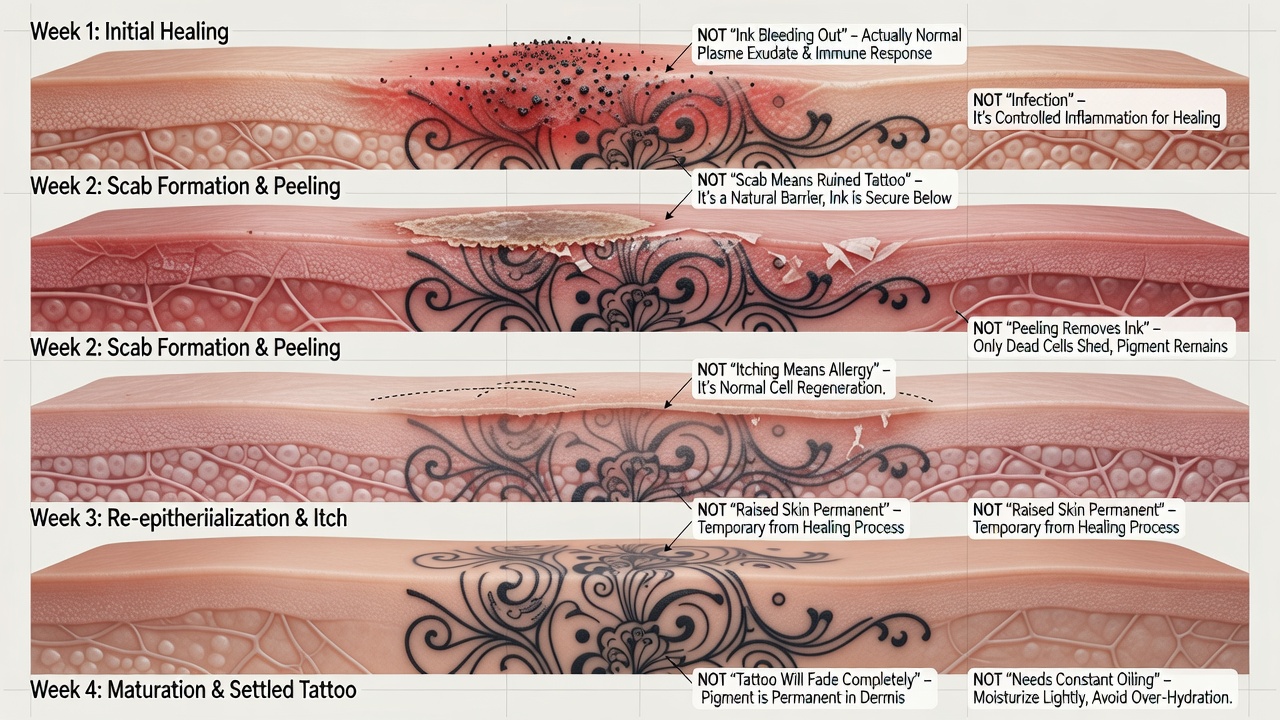
Many believe exposing a new tattoo to air speeds recovery by allowing the skin to breathe naturally. In reality, this increases infection risk by allowing bacteria and environmental contaminants direct access to the open wound. Dermatologists recommend keeping the area consistently moisturized with approved ointments to support the skin barrier function and accelerate epithelialization. Studies show that occlusive dressings and moisturizers reduce healing time by up to 50 percent compared to dry healing methods.
Myth 2: Petroleum Jelly Is Always Safe
While petroleum jelly is a common household item, overuse can clog pores, trap bacteria, and lead to folliculitis or milia. The Centers for Disease Control and Prevention advises using only tattoo-specific or fragrance-free products recommended by professionals to avoid these complications. Opt for balms containing ingredients like shea butter or vitamin E instead.
Myth 3: Sun Exposure Helps Fade Scabbing
Direct sunlight is often mistakenly thought to aid healing by drying out scabs quickly. UV rays actually damage healing skin, cause premature ink fading, and increase the risk of hyperpigmentation. Always apply broad-spectrum sunscreen after the initial healing phase and wear protective clothing during outdoor activities.
Myth 4: Using Household Products Like Honey or Toothpaste Speeds Recovery
Traditional remedies such as honey, toothpaste, or aloe vera straight from the plant are frequently shared in online forums. These lack clinical evidence and can introduce contaminants or irritants that delay healing. Dermatologist-approved alternatives focus on sterile, pH-balanced solutions that maintain skin integrity without introducing foreign bacteria.
Myth 5: Touching or Peeling Scabs Is Harmless
Many assume gentle peeling of scabs is part of the natural process. However, premature removal disrupts the healing layers and can pull out ink particles, resulting in patchy results. Allow scabs to fall off naturally while maintaining moisture to support the process.
Dermatologist Recommendations vs. Old Wives' Tales
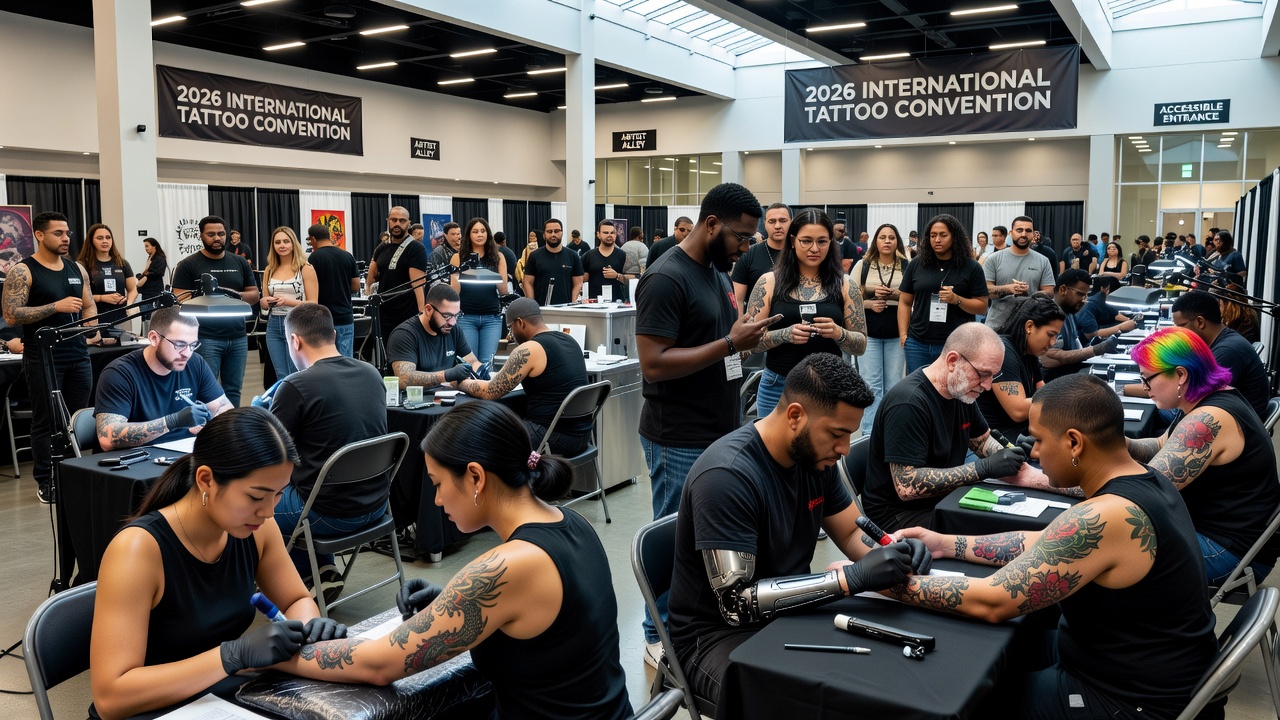
Traditional advice often emphasizes quick fixes that ignore the biology of skin repair. In contrast, board-certified dermatologists emphasize gentle cleansing with unscented soap, thorough pat-drying, and consistent application of thin layers of moisturizer. These methods reduce inflammation, promote collagen production, and minimize the chance of keloid formation. Real-world tattoo events in 2026, including international festivals, highlight these differences as artists report significantly fewer touch-up requests when clients follow clinical guidelines over folklore shared at after-parties.
Practical Steps for Optimal Tattoo Healing
Follow these evidence-based steps during the critical first four weeks to achieve the best outcome. Begin immediately after the tattoo session by allowing the artist to apply the initial protective layer. At home, wash your hands thoroughly before any contact. Cleanse the area twice daily using lukewarm water and a mild, fragrance-free soap, then pat dry with a clean paper towel. Apply a thin layer of recommended ointment, avoiding thick coatings that could suffocate the skin. Wear loose, breathable clothing to prevent friction and irritation. Stay hydrated, eat nutrient-rich foods supporting skin repair, and avoid alcohol and smoking which impair circulation. Monitor the tattoo daily for any unusual changes and document progress with photos if desired. Avoid submerging the tattoo in baths, pools, or hot tubs for at least three weeks, and steer clear of saunas or intense workouts that cause excessive sweating.
Short Checklist for Infection Prevention
- Use only sterile, single-use needles during the initial application at licensed studios.
- Follow your artist’s personalized aftercare instructions precisely without mixing in home remedies.
- Avoid public pools, lakes, and saunas for at least two to three weeks post-procedure.
- Keep bedding and clothing clean, changing pillowcases and sheets frequently during the healing period.
- Consult a medical professional immediately if signs of infection such as excessive redness, swelling, fever, or pus appear.
- Refrain from scratching or picking at any scabs or dry patches.
- Schedule follow-up visits with your tattoo artist for assessment around the four-week mark.
Case Study: Healed Tattoo from a 2026 Convention Event
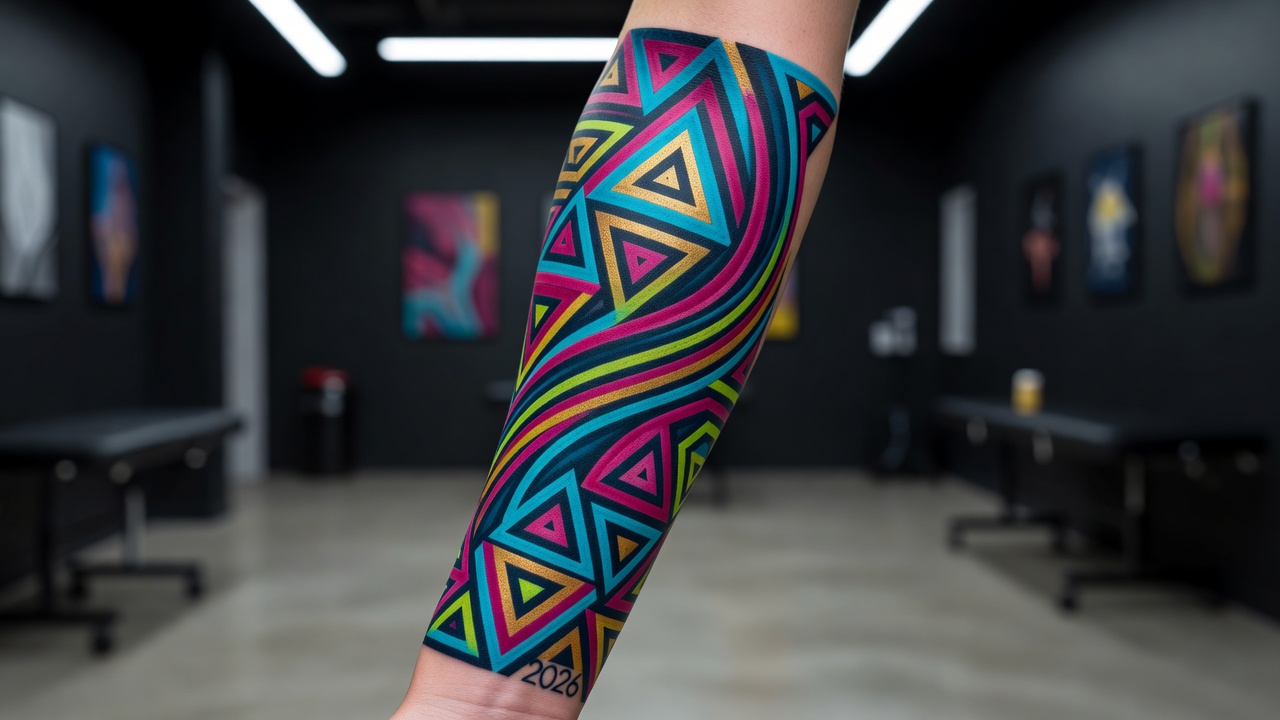
At the 2026 International Ink Festival held in major cities worldwide, attendee Maria received a large geometric sleeve tattoo from a renowned artist. By adhering strictly to dermatologist protocols instead of peer-shared myths encountered at the event, her tattoo healed fully within three weeks with zero complications. She documented the process daily, noting reduced itching and vibrant color retention thanks to consistent moisturizing and sun protection. Maria credited community workshops at the festival for providing the evidence-based knowledge that led to her success. Her final result featured smooth texture and sharp lines, serving as inspiration for fellow attendees and demonstrating how informed care elevates the entire ink culture experience.
FAQs on Tattoo Infection Prevention
How long should I avoid swimming after getting a tattoo?
Wait at least 14 to 21 days or until the tattoo is fully healed and the skin barrier is restored, according to professional medical guidance.
Is itching normal during the healing process?
Yes, mild itching is common as the skin regenerates, but scratching can introduce bacteria—use cool compresses or approved anti-itch creams instead.
When should I see a doctor about my tattoo?
Seek medical attention promptly if you experience swelling that worsens, fever, unusual discharge, or red streaks extending from the tattoo site.
Can I exercise while my tattoo heals?
Light activity is acceptable, but avoid intense workouts that cause heavy sweating or friction for the first two weeks to prevent irritation.
How Proper Care Strengthens Community Bonds
Sharing accurate aftercare information at tattoo events and online forums builds trust within the 2026 ink culture. When experienced collectors mentor newcomers with dermatologist-backed advice, the community grows stronger and more resilient against misinformation. This collective knowledge leads to fewer health issues overall and greater long-term appreciation for body art as a respected form of expression.
Conclusion: Building Stronger Ink Communities Through Knowledge
Debunking persistent myths empowers the 2026 tattoo community to prioritize health alongside creativity. By embracing scientific approaches and practical checklists, enthusiasts ensure their ink remains vibrant and meaningful for years. Share this knowledge at future events to foster deeper connections and lasting appreciation for the evolving art form.

No comments yet. Be the first!